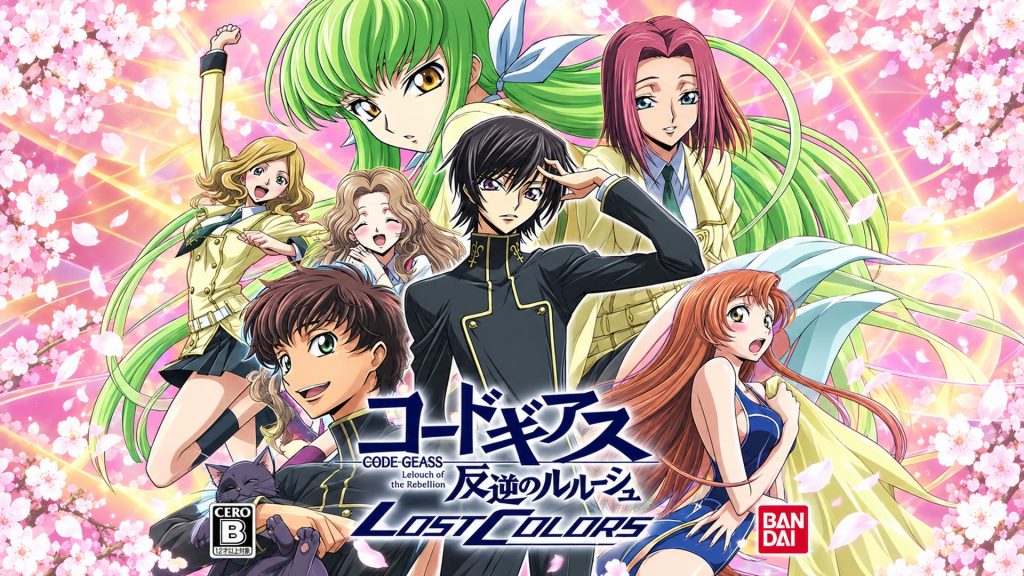
A Japan-Only Code Geass PS2 Game Finally Has a Complete English Patch
Code Geass: Lost Colors now has a complete fan-made English patch for PS2, including the platform-exclusive Blue Moon route.


If you enjoy independent indie game coverage, consider supporting Indie-Games.eu on Patreon. It helps keep the site independent.
Before games could be downloaded in seconds and launched without effort, they arrived with real weight. They came in boxes, with cartridges or discs and almost always with a printed manual. This was not just a guide. It was a physical object with its own voice and personality. Game manuals were more than tools. They were part of the experience and reflected the time, culture and people who made the game.
Unlike modern tutorials and pop-up tips, manuals were written by real people who spoke directly to players. They joked, explained rules, warned about danger and sometimes exaggerated for fun. The tone was often friendly, strange, or playful. You were not being slowly guided by a system. You were being talked to. Many manuals expected you to be curious and patient, willing to read something that felt closer to a small book than a help menu.
This voice gave games character before they even started. The manual for The Secret of Monkey Island felt like part of the joke, filled with pirate humor and various comments. EarthBound’s guide focused more on mood and parody than on simple instructions. Even serious games often framed their rules as part of the game world, not just technical systems. Long before the first screen appeared, the manual had already pulled you into the story.
Manuals were also shaped by physical limits. Paper costs, plus page numbers and printing budgets decided what could be included. Japanese manuals were often longer and rich in story, while European versions were shorter and packed with many languages. Some translations were rushed or strange, creating odd phrases that later became famous. These flaws became part of gaming history and showed how games traveled between cultures before digital releases were common.
From the mid-80s to the early 2000s, manuals were a big deal.
Then, around the PS3 and Xbox 360 era, things changed:
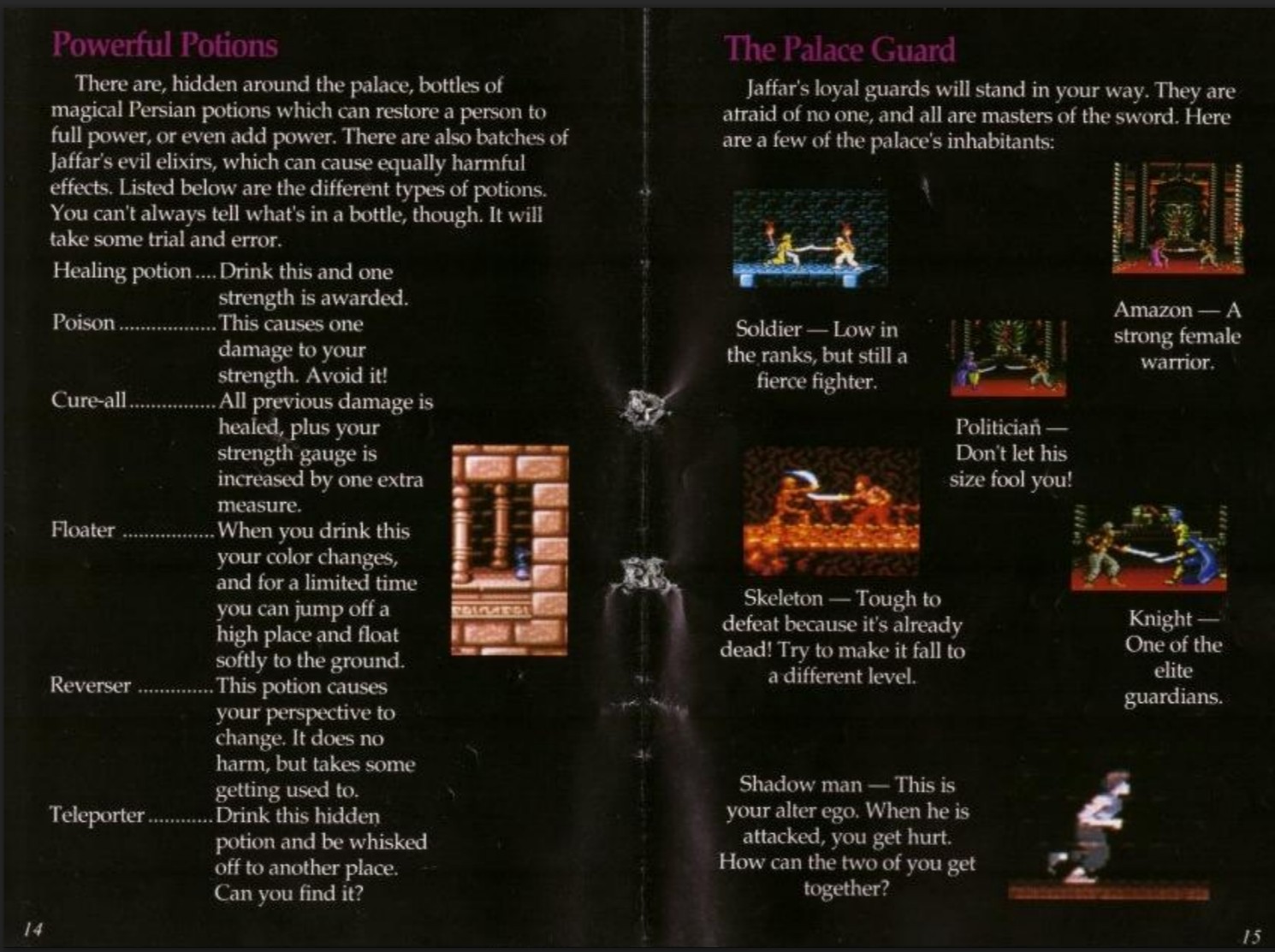
Reading was once part of playing as games did not expect everything to be clear right away. You were meant to learn slowly. You might read the manual on the bus, in bed, or while waiting for the game to load. Piece by piece, you learned about the world before stepping into it. This created a calm and thoughtful connection between player and game.
Over time, manuals became personal items. They were folded, marked, and worn out: players wrote notes in the margins, drew maps, or highlighted key pages. Coffee stains, torn corners and faded covers turned each manual into a record of time spent playing. Unlike digital guides, they aged with you. Finding one years later often brought back memories of who you were when you first played.
There was also trust between developers and players. Manuals did not hide complexity, for example strategy games explained numbers and systems. Role-playing games listed stats and chances clearly and the message was simple: the game is hard, but it is honest. If you take the time to learn, you will understand it. This respect made players feel valued.
Some manuals went even further and became works of art. Panzer Dragoon Saga offered deep lore and maps. Working Designs releases filled their manuals with jokes and commentary. Bangai-O added silly character stories, while the first Gran Turismo included real driving lessons. These manuals were not extras. They were part of the game’s identity.
This creativity was common in the 1980s and 1990s. Atari manuals reflected old science fiction style. NES booklets mixed safety warnings with charming art. Strategy and RPG games openly shared formulas and tables. Developers trusted players to read and think.
Prices vary wildly based on how rare or popular the game is:
Complete-in-Box Bonus:
If you are buying a game that is already complete, the presence of that manual
usually adds about 20% to 30% to the total price. For example, if a “loose” game
costs $40, the complete version with the manual and box might jump to $80 or $100.
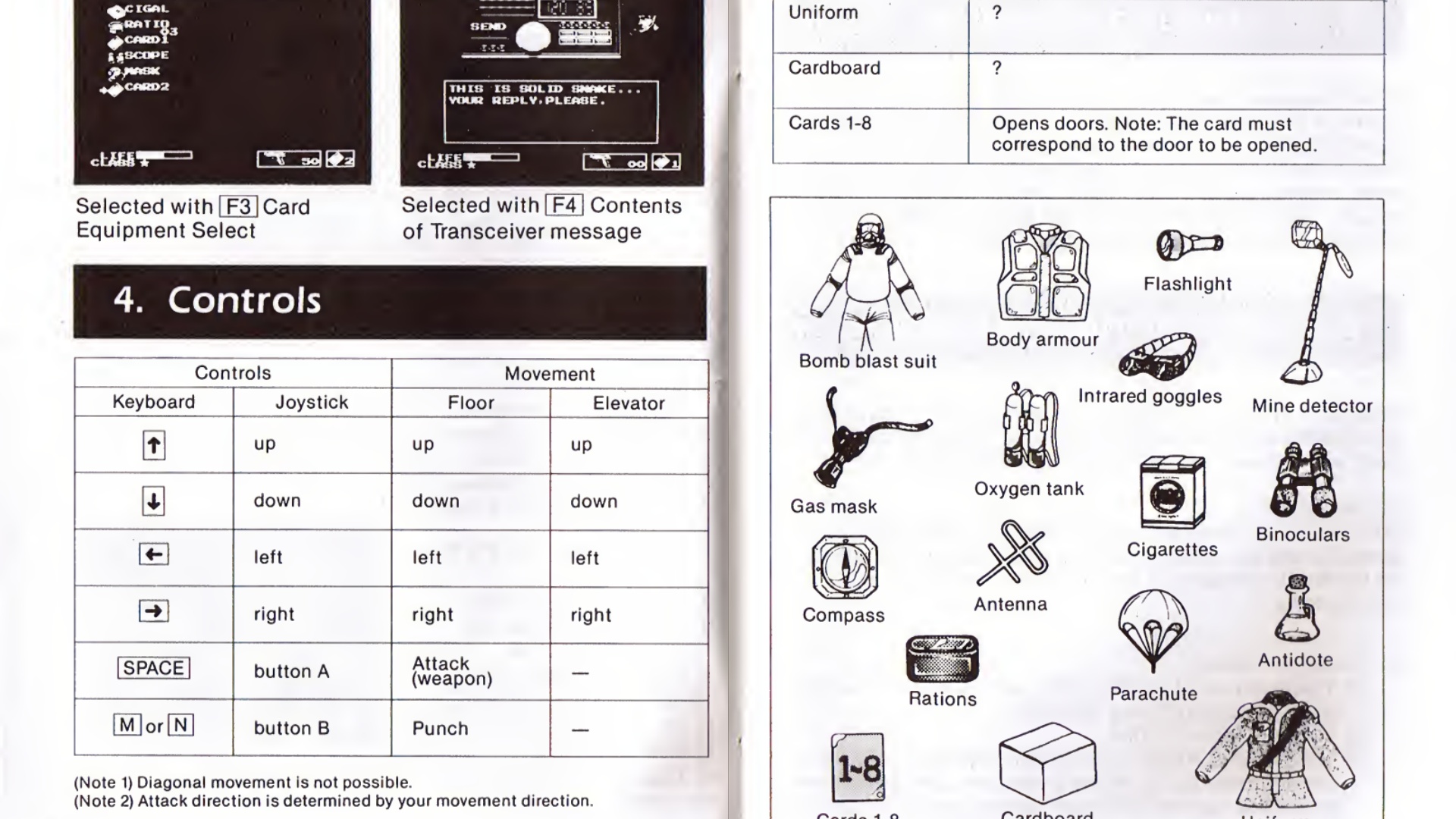
Because space was limited, writers had to be creative. Most console manuals were only a few dozen pages long and bigger ones were seen as special. Regional versions had different rules and limits, which led to missing content or strange wording. These limits forced teams to focus on tone and clarity instead of endless detail.
Manuals also created a slow ritual. You read them during long loading times, late at night, or before school. They built excitement and helped you imagine what was coming. They asked for patience and rewarded curiosity. Mechanics felt like laws of a living world, not just buttons on a screen. Players responded by putting in effort, keeping notes, and learning deeply.
As digital stores became normal, manuals slowly disappeared. Some became PDF files while others were moved into menus. Most were removed completely and this made sense for cost and convenience. But something was lost. The game no longer greeted you before you played: there was no quiet moment of reading and imagining. Everything now begins after pressing start.
Today, old manuals are saved, shared, and studied. People collect them not because they are needed, but because they show how games once spoke to players. They preserve tone, ideas, and emotion that the software alone cannot show.
Game manuals were never just instructions. They were the first handshake between player and world. They invited you to slow down, learn, and dream before taking control. Modern games may be faster and clearer, but they rarely begin with that same gentle moment of connection.
Code Geass: Lost Colors now has a complete fan-made English patch for PS2, including the platform-exclusive Blue Moon route.
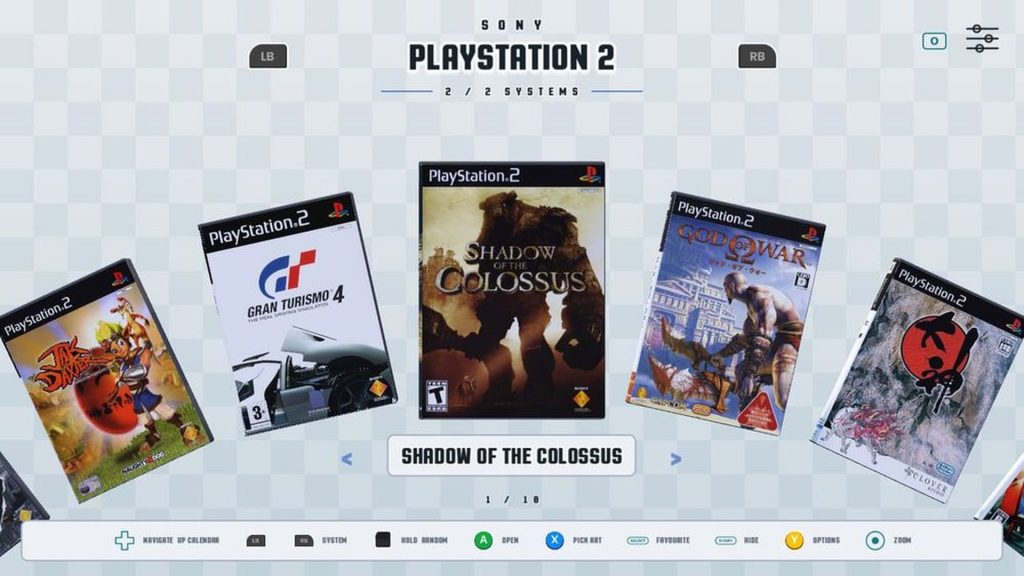
DigiBitPlay presents digital game libraries through interactive 3D boxes, discs, cartridges, consoles and scanned manuals.
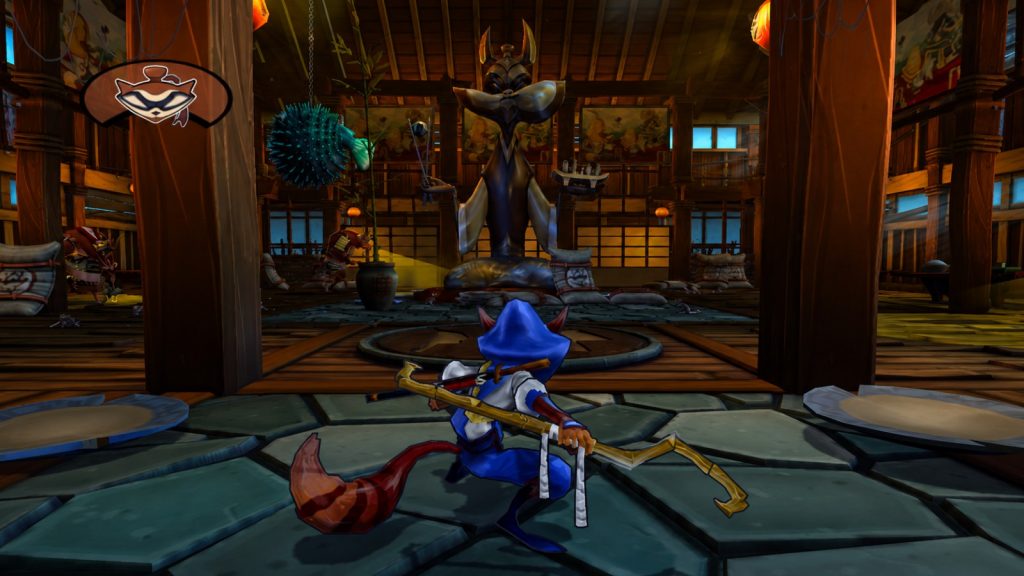
Project Cane shows new Sly Cooper PC footage, but the unofficial native port still needs menus, audio, saving, controls and…
Donkey Kong 64 now runs natively on Windows, Linux and macOS with widescreen, uncapped frame rates, modern controls and optional…
PCSX2 2.8.0 delivers major performance and graphics improvements alongside EyeToy support, interface upgrades and bundled FFmpeg.

Mr. Nutz and the previously unreleased Mega Drive sequel Hoppin' Mad are receiving new physical cartridges from Strictly Limited Games…
Sony will close the PlayStation 3 Store in July 2027, while RPCS3 fully supports 75% of the console's library, highlighting…
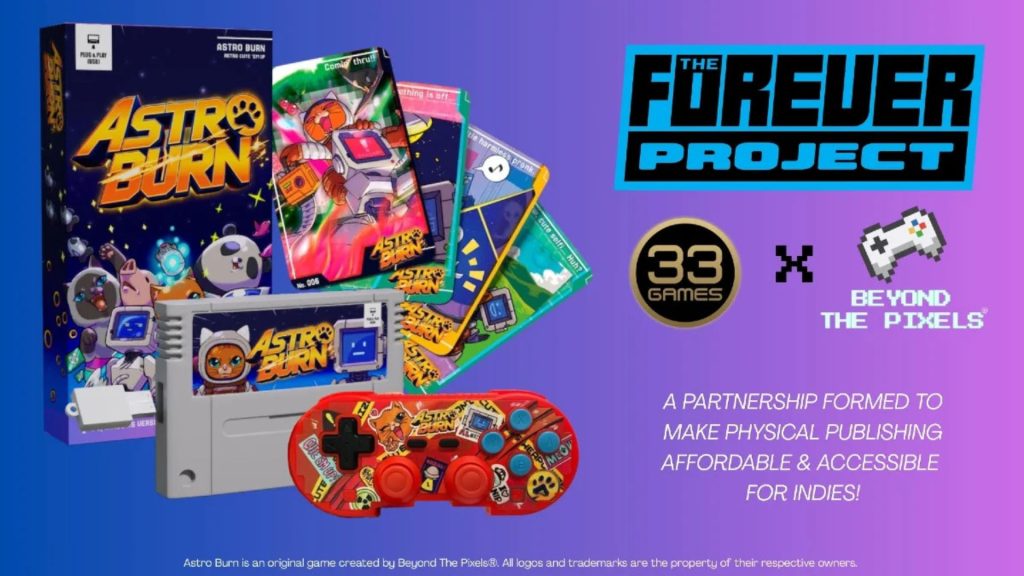
The Forever Project aims to make physical game releases more affordable for indie developers through a partnership between 33 Games…
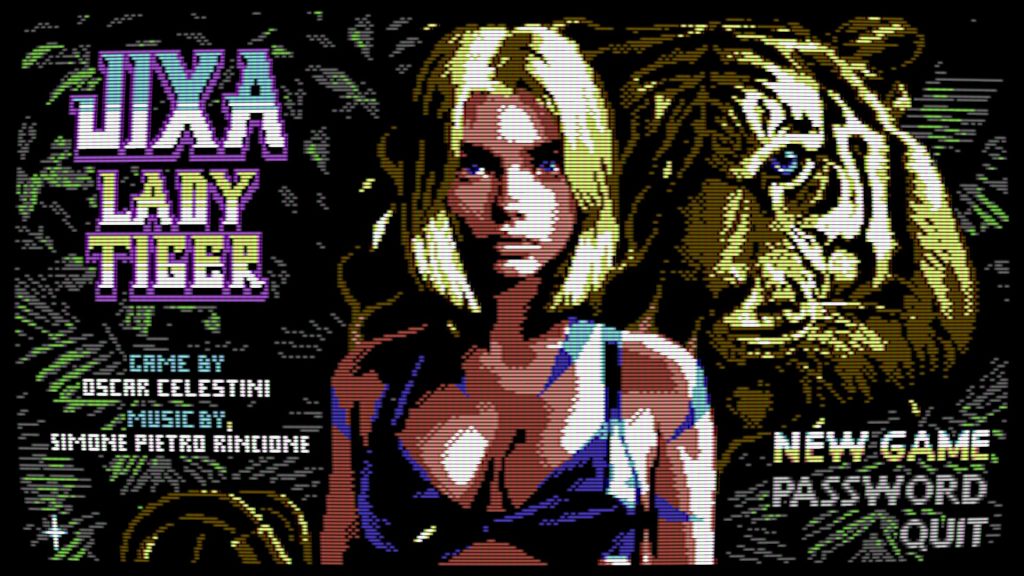
Indie developer Oscar Celestini is expanding his retro-inspired platformer with Jixa Lady Tiger Plus, an enhanced edition that significantly builds…
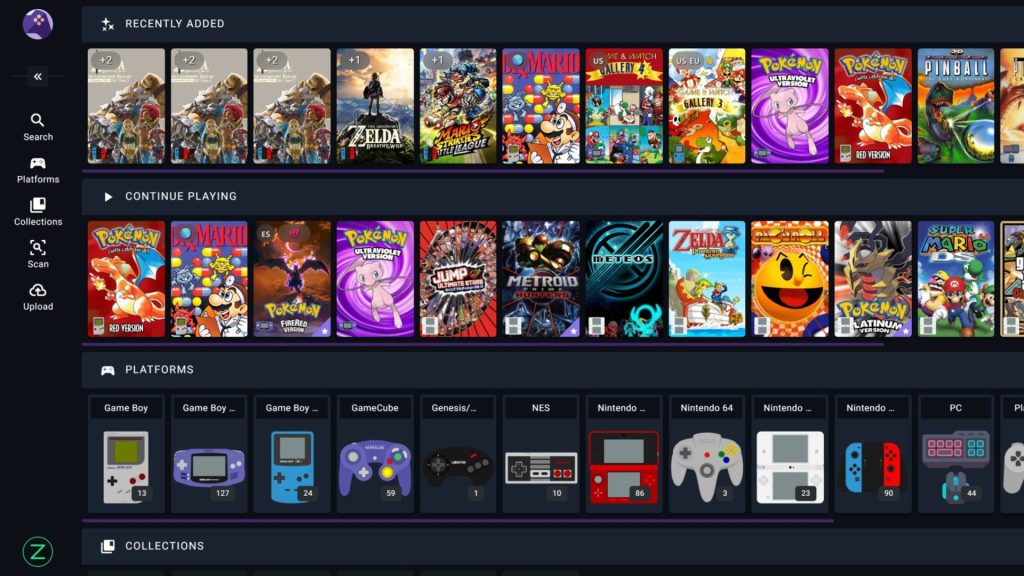
RomM is a free, open-source, self-hosted platform that organizes ROM libraries, fetches metadata, and supports browser-based emulation.
The developers behind Wii64 have released Beta 1.4, marking the Nintendo 64 emulator's first major update in more than five…
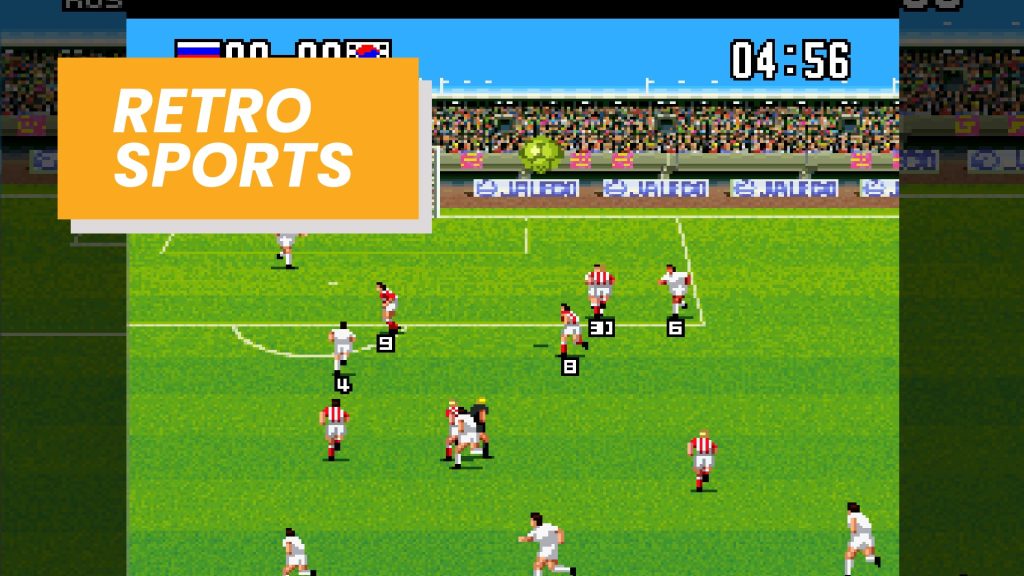
Rock It Games has brought Jaleco Sports: Bases Loaded II and Goal! Two to PC after successful Nintendo Switch and…
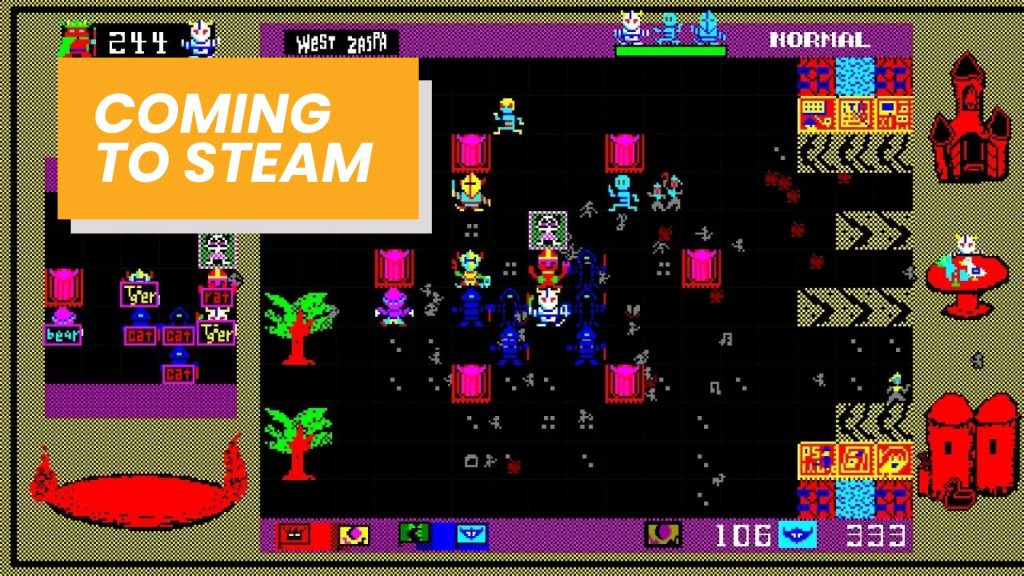
Developer Pygmy Studio has announced that Bokosuka Wars II will launch on PC via Steam in 2026, bringing the tactical…
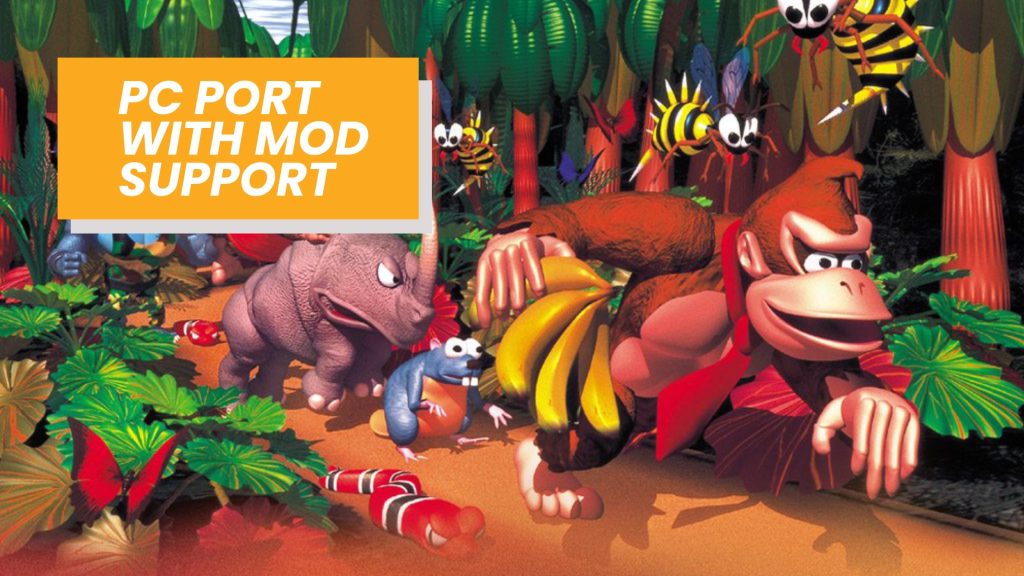
An unofficial native PC port of Donkey Kong 64 is in development, bringing rare's Nintendo 64 classic to modern hardware…
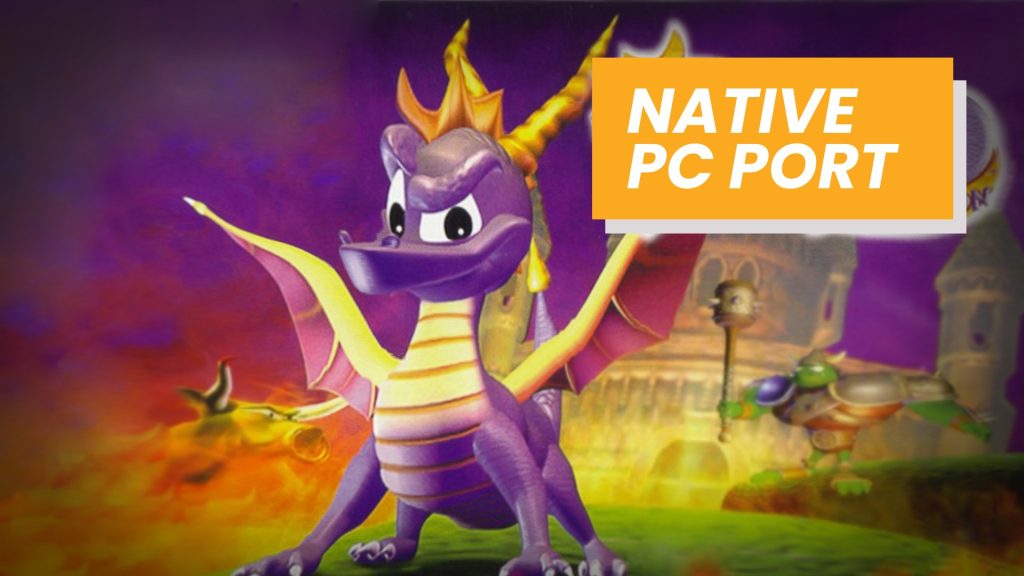
A fan-made native PC port of the original Spyro the Dragon is officially in development, bringing the 1998 PlayStation classic…
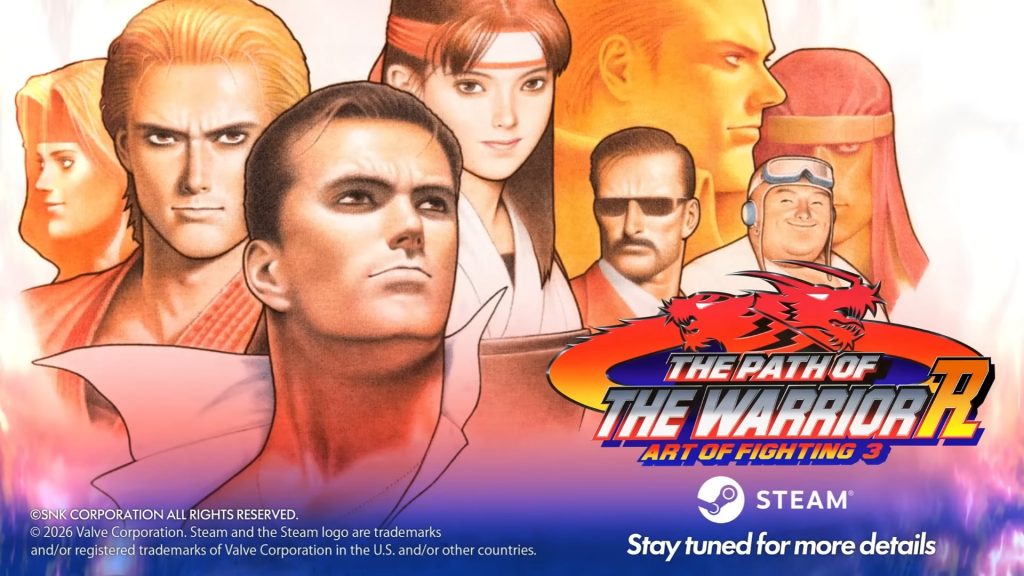
SNK has officially announced The Path of the Warrior: Art of Fighting 3 R, a modernized version of the 1996…
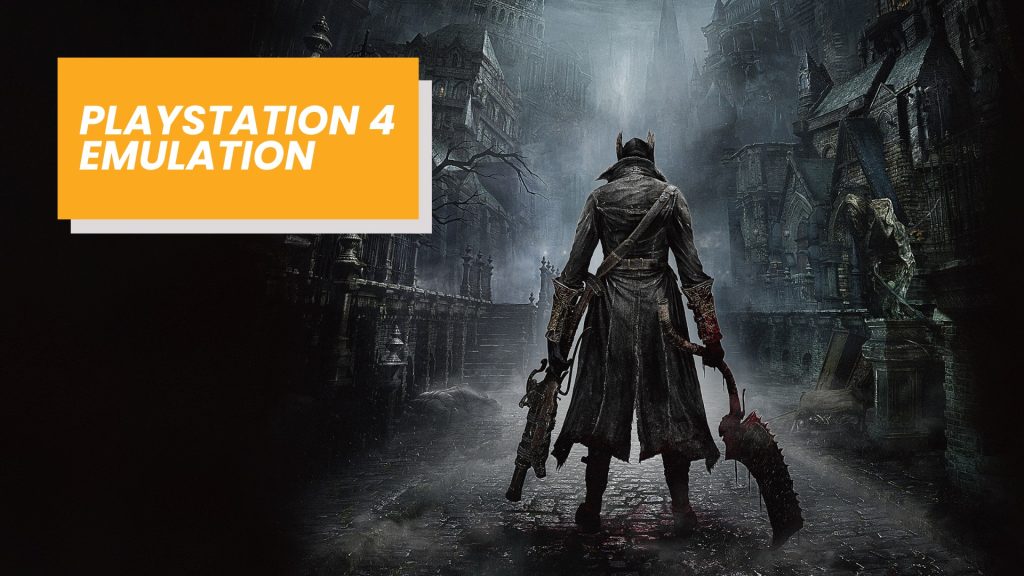
The developers behind ShadPS4 have introduced a major new feature that moves PlayStation 4 emulation closer to a complete experience.

DS & DSi Launcher brings the classic Nintendo DS and DSi interface to Android, giving retro fans a nostalgic way…
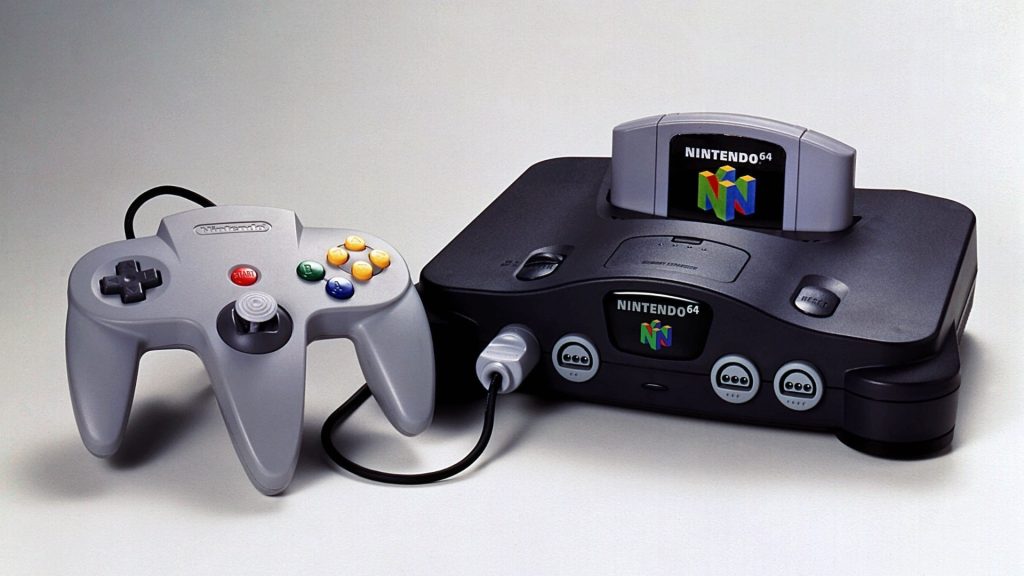
Today marks 30 years since the launch of the Nintendo 64 in Japan, and for many, that's enough to trigger…
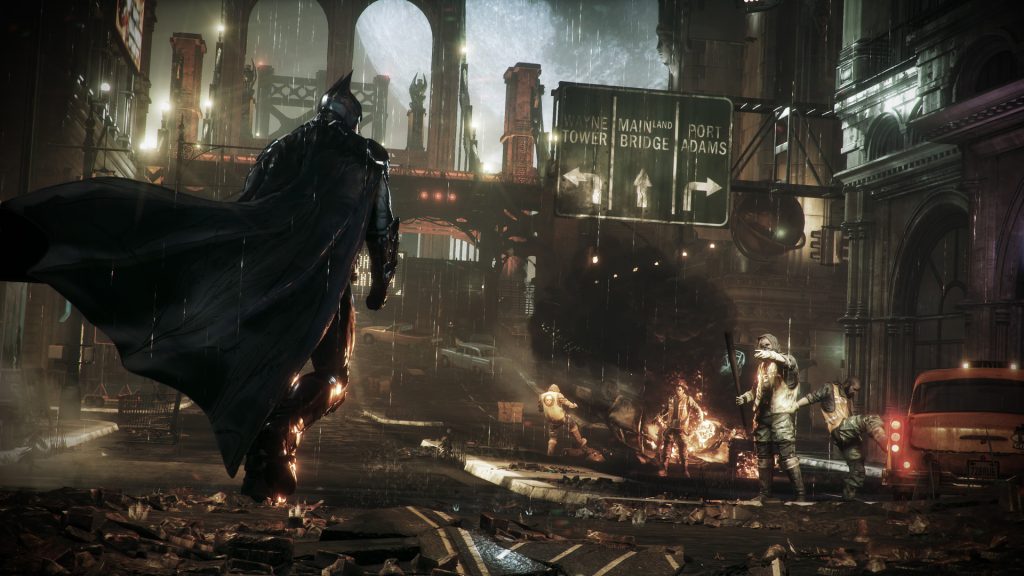
It's hard to believe, but Batman: Arkham Knight is officially 11 years old today. This title was Rocksteady's final chapter…
