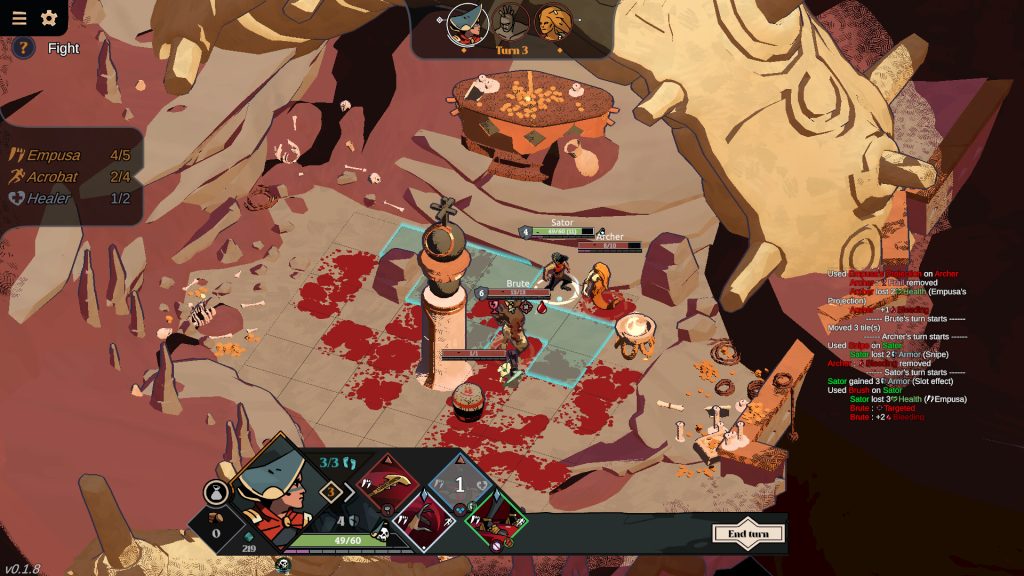
Tactical Roguelite Deified Leaves Early Access Next Week
Deified leaves Steam Early Access on September 21 with its narrative ending, final boss floor, balance improvements and hidden content.


If you enjoy independent indie game coverage, consider supporting Indie-Games.eu on Patreon. It helps keep the site independent.
Indie games often appear unexpectedly, and one such success story is Dredge, developed by Black Salt Games, a small team from Christchurch, New Zealand. Released in 2023, Dredge blends a relaxing fishing experience with cosmic horror, capturing the interest of players worldwide.
Black Salt Games, founded by Nadia Thorne, Joel Mason, and Alex Richie, began with three game prototypes. These prototypes were tested among colleagues and friends, and Dredge stood out thanks to its unique combination of fishing and horror elements. The other prototypes included a real-time strategy game and a stealth vehicle game, but the team felt Dredge had the most potential.
The development process involved refining the game from its initial concept, which was inspired by titles like Papers, Please. The core idea, merging cosmic horror with fishing, remained intact, but the game evolved significantly. Early versions of Dredge used a top-down, turn-based system, but the team switched to real-time gameplay to reduce stress and improve player flow.

Art and design played a crucial role. Due to time constraints, early prototypes featured blocky, low-poly visuals. This style eventually transformed into a more detailed yet still stylized look, balancing simplicity with an unsettling atmosphere. The water shader, a key visual element, went through many iterations to achieve an attractive and functional representation of the sea.
The game world is divided into biomes, each with its own theme and challenges. The Marrows serve as the starting area, introducing players to the game. As players progress, they encounter the Gale Cliffs, Stellar Basin, Twisted Strand, and Devil’s Spine, each inspired by different environments and featuring unique threats. The biomes were designed to be explored in any order, similar to Breath of the Wild, giving players freedom in how they navigate the world.
In hindsight, one aspect that could have been improved is the world structure. The game loads everything into a single large scene, which caused performance issues, especially on the Switch. The team initially lacked the expertise and time to implement more advanced world-loading techniques. This decision became problematic as the game grew.
Dredge explores cosmic horror through gradual tension rather than jump scares. Players face risks when venturing out at night or damaging their boat, creating a sense of anxiety. The atmosphere was designed to make nighttime sailing genuinely tense, with limited visibility and unsettling audio cues to heighten the mood. The team aimed to deliver a creepy atmosphere rather than a traditional horror game.

Fish design in Dredge blends real-world knowledge with creative twists. The team used Wikipedia and personal expertise to choose fish species suited to each biome. These fish were then adapted to fit the game’s unsettling aesthetic, making them more grotesque and appropriate for the cosmic horror theme. This detailed approach helps create a more immersive and eerie experience.
Another challenge was integrating a harpoon mechanic, which was ultimately scrapped. The team decided it didn’t fit the game’s cosmic horror theme and would interfere with the intended experience.
Securing funding was also a major hurdle. Black Salt Games initially planned to self-publish but eventually secured a deal with Team17. Their successful pitch and positive pre-launch reception helped them achieve strong sales, far exceeding early expectations. If you’d like a deeper look into the making of the game, you can watch the documentary below.
Deified leaves Steam Early Access on September 21 with its narrative ending, final boss floor, balance improvements and hidden content.
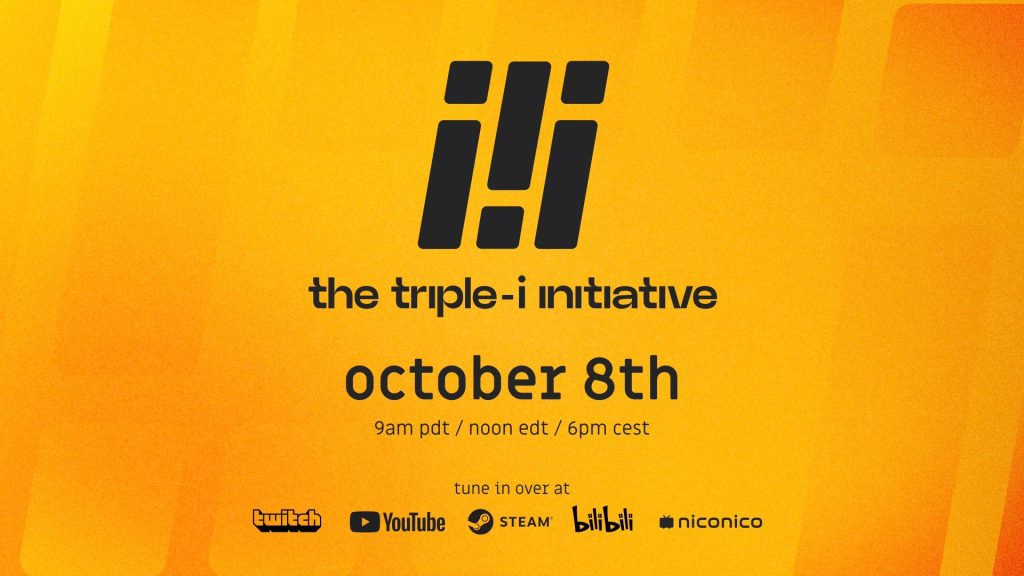
Triple-i Initiative returns October 8 with 40 games, eight world premieres and 45 minutes of trailers, release dates and reveals.
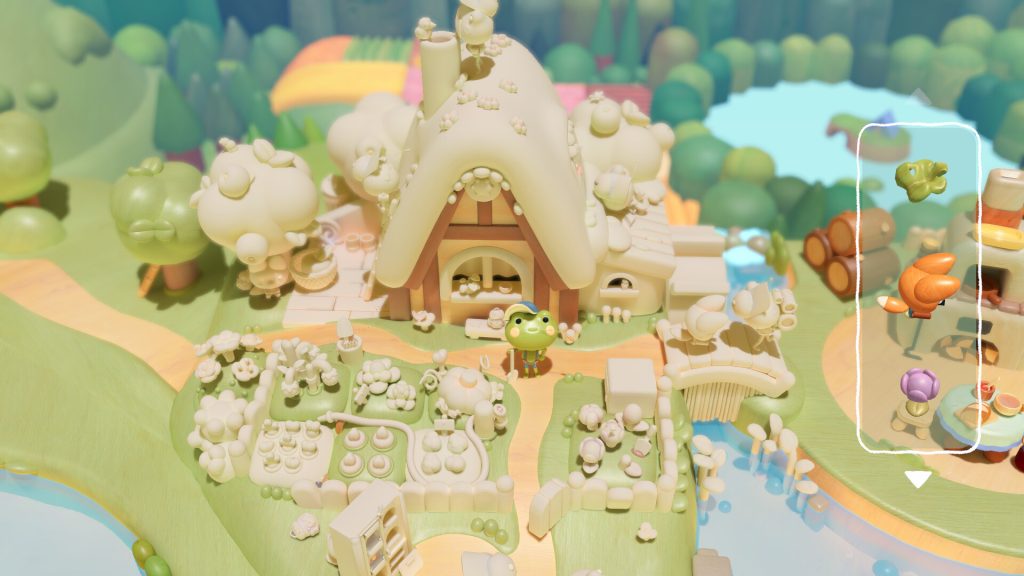
Woodo launches September 16, inviting players to rebuild childhood memories through cozy, handcrafted wooden dioramas.
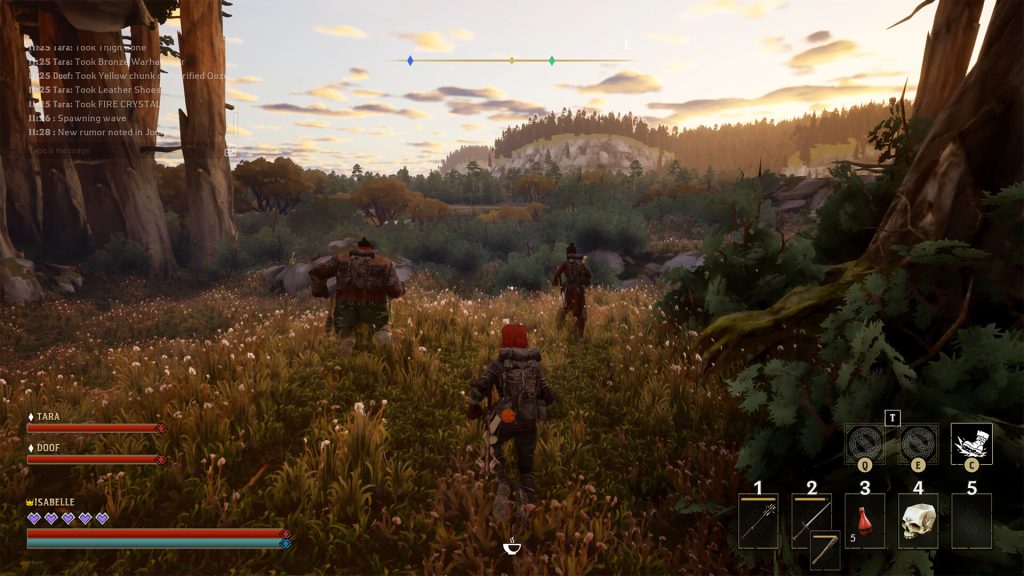
Curve Games signs Wyldheart in one of its biggest recent investments after the co-op RPG surpasses 375,000 Steam wishlists.
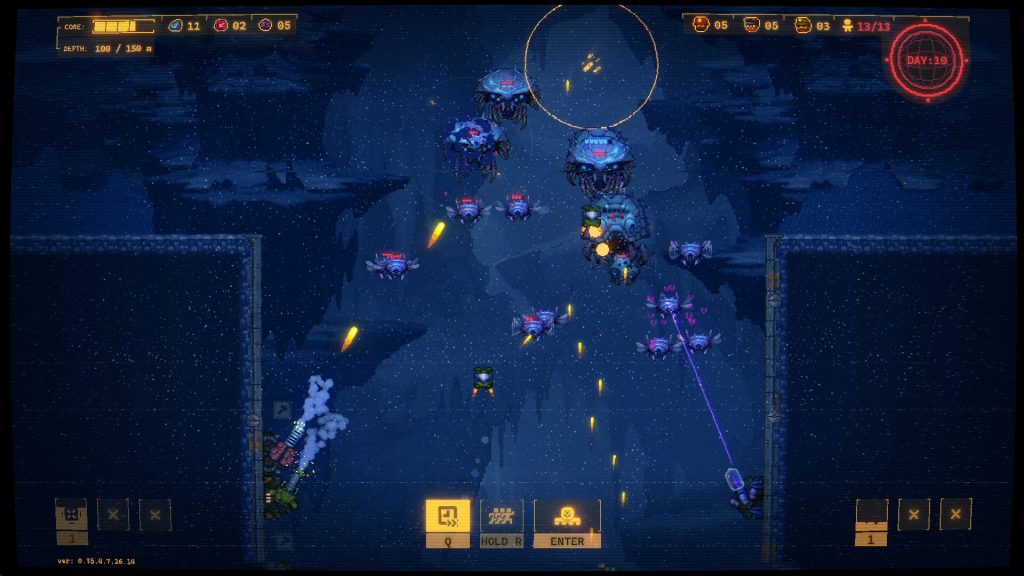
Drill Core’s free Anniversary Update adds Relaxed Mode, new bounties, specialists, platform skins and several quality-of-life improvements.
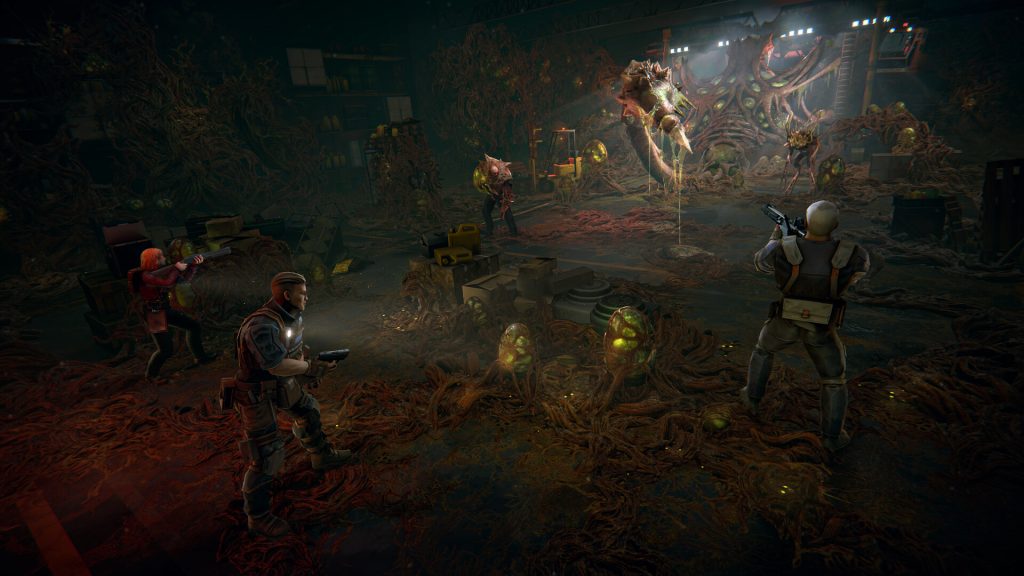
Critical Shift’s free two-hour demo combines real-time exploration with tactical combat inside a compromised Antarctic facility.
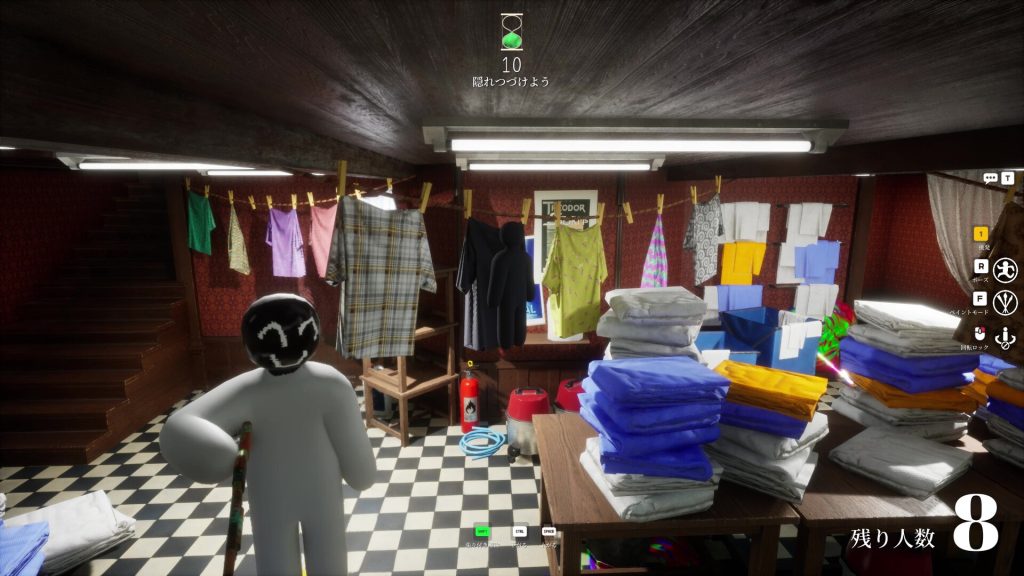
Meccha Chameleon brings its paint-based multiplayer hide-and-seek matches to Nintendo Switch 2 with a temporary $4.79 launch price.
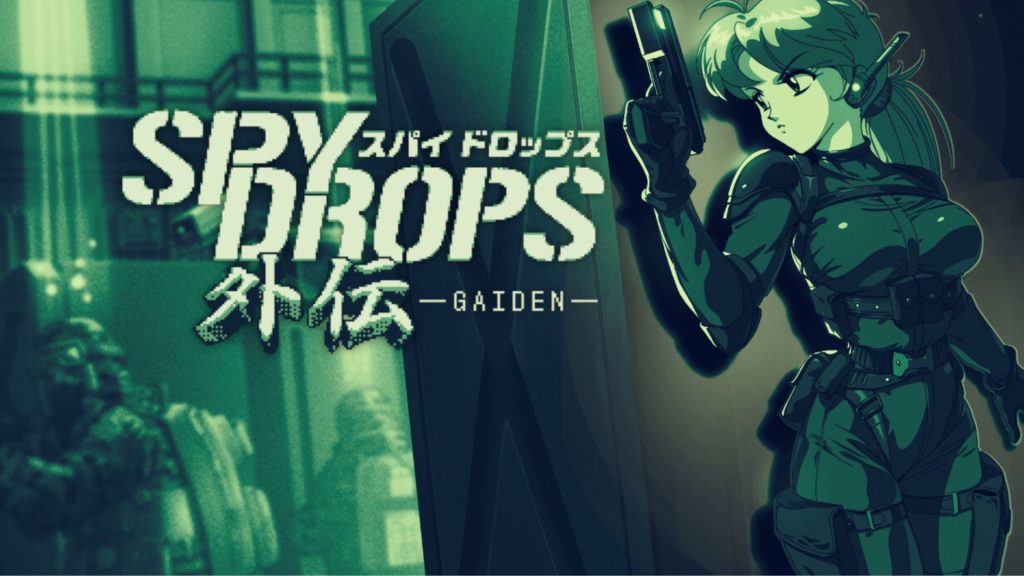
Spy Drops Gaiden brings Game Boy-style stealth, eight covert missions and intel extraction to Steam on October 12 for €4.99.
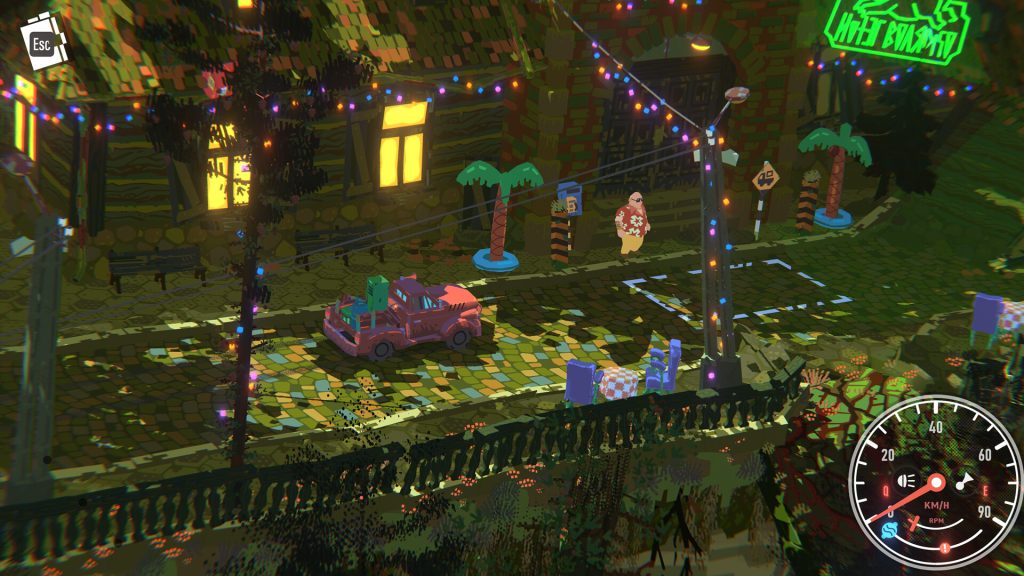
Truckful launches October 9 on Steam and Android, combining physics-based deliveries with vehicle upgrades and a mystery inside an ancient…
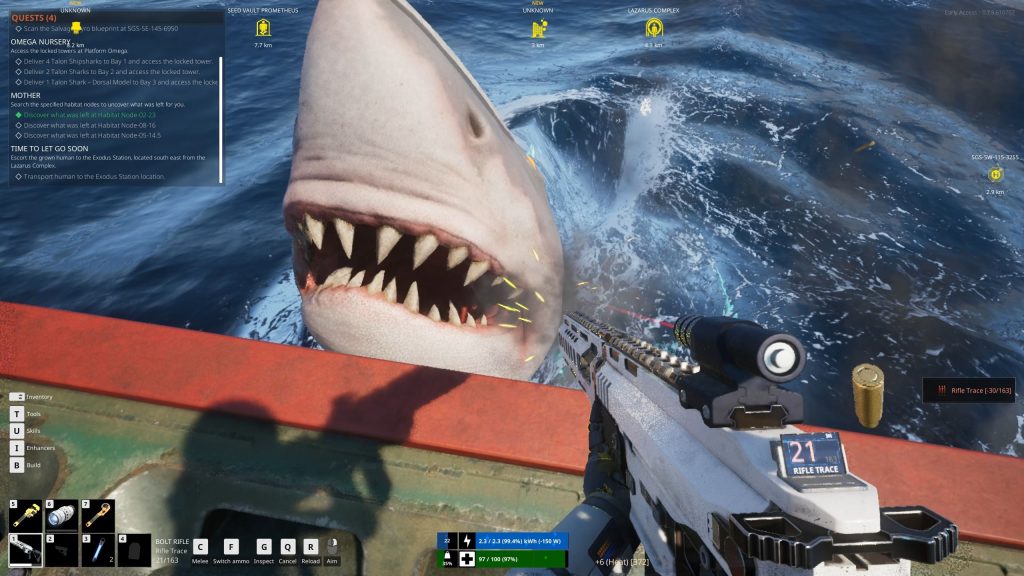
The Last Caretaker reaches version 1.0 in spring 2027 and joins Xbox Game Pass on day one after selling over…
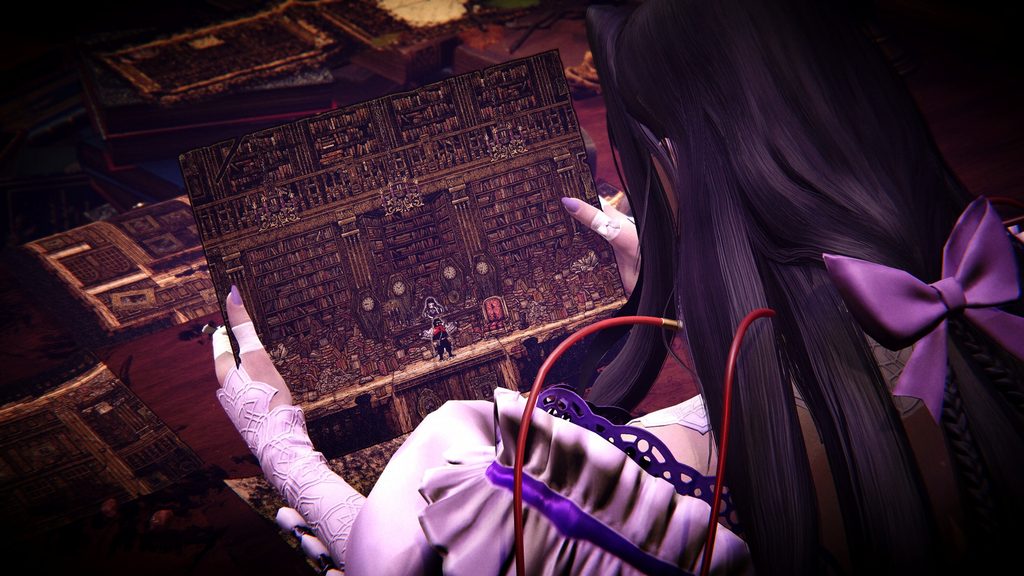
Chronoscript: The Endless End moves to early summer 2027 as DeskWorks! improves combat responsiveness, menus and visual readability.
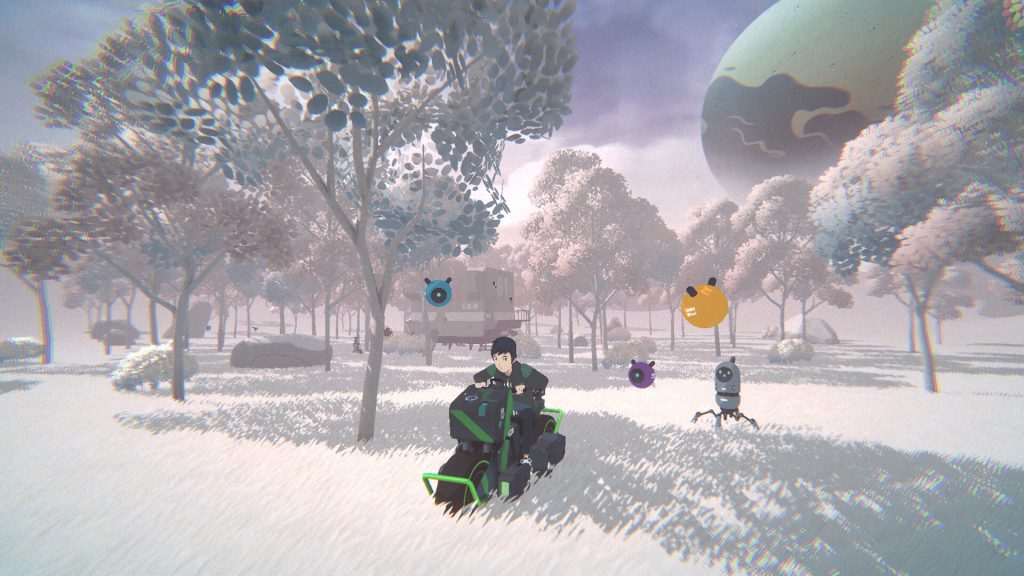
HEIMA is a parallel-world puzzle adventure from former Terra Battle developers, coming to PC in 2028 with SHIFT and HOLD…
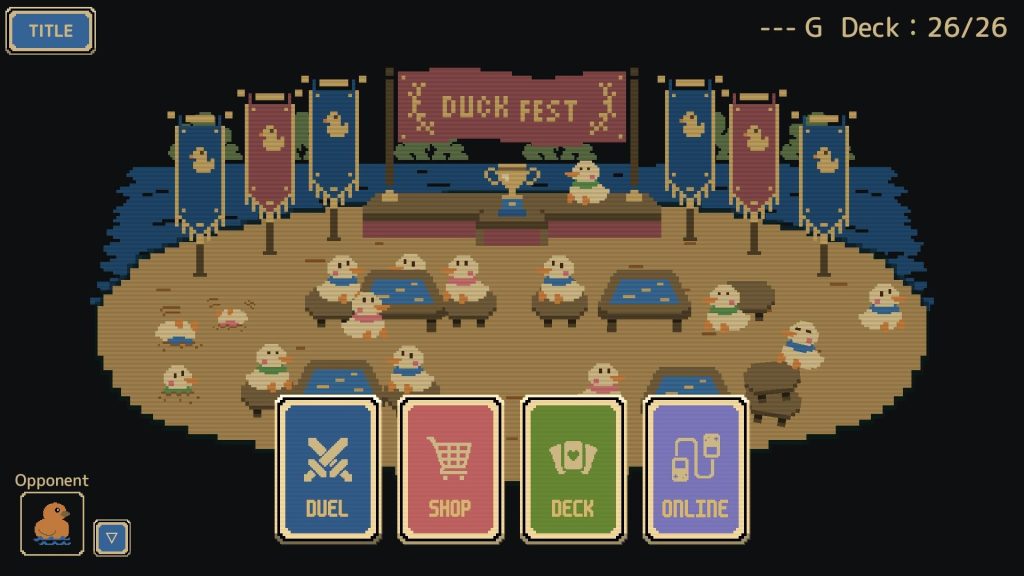
Duck Fest combines deck building and 1v1 battles with collectible cards that players can trade through the Steam Community Market.
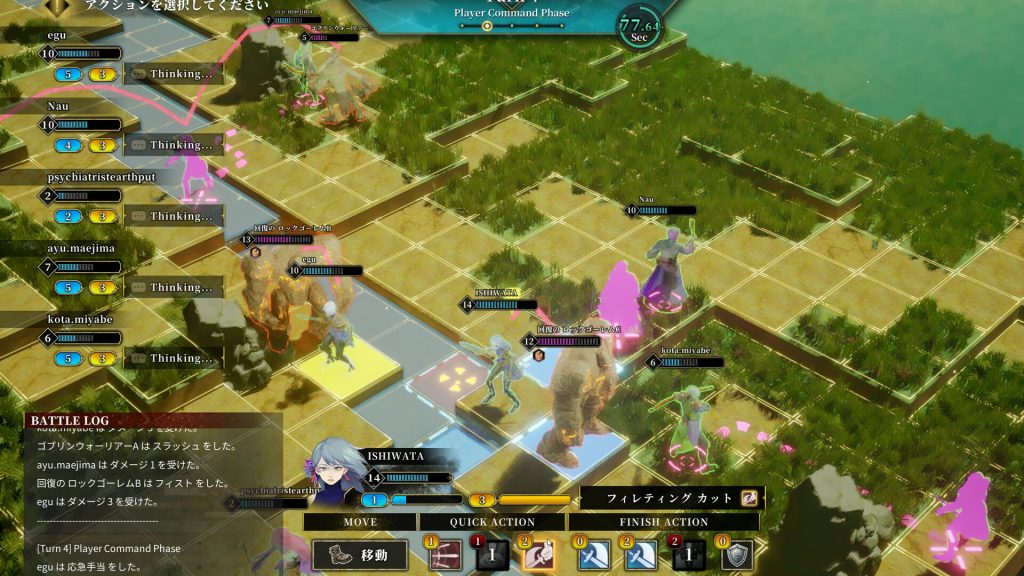
Tactful Tactics is a 1–6-player cooperative RPG where everyone plans and executes their actions simultaneously.
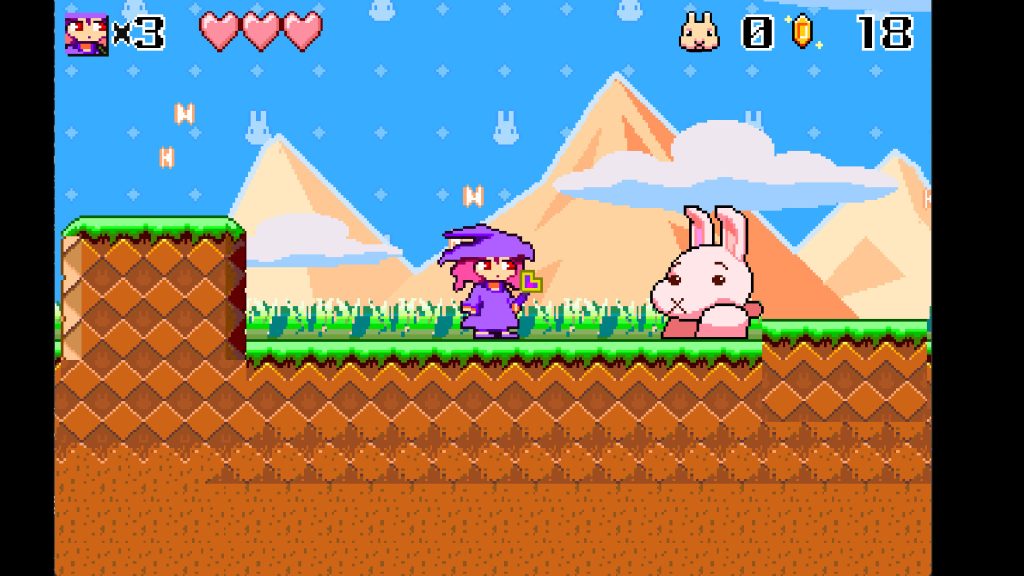
SakuSaku Witch is a retro-inspired 2D platformer about magic, bunny monsters and a suspicious toy company, coming to Steam in…
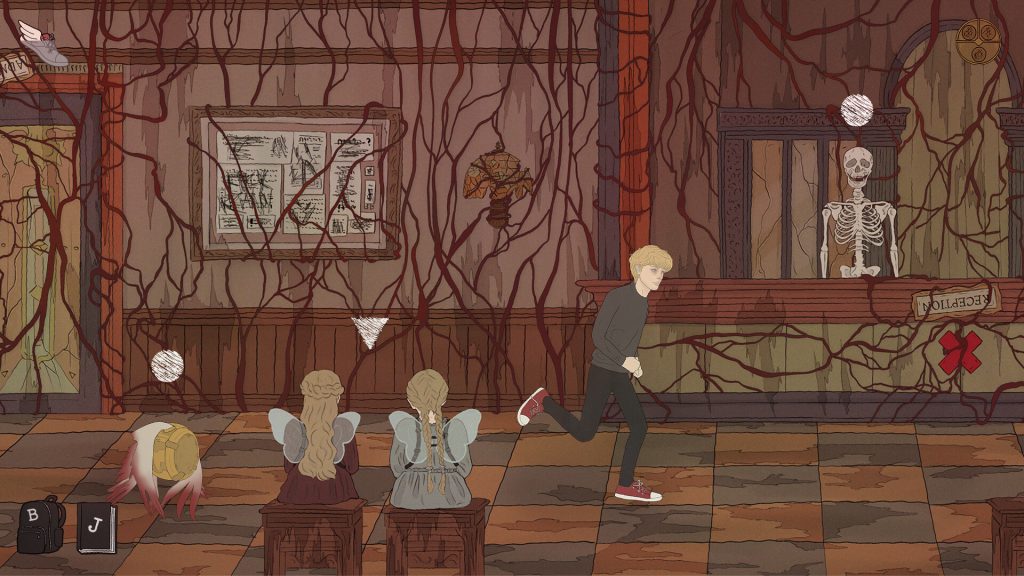
Hand-drawn psychological horror game DEPERSON earns Gamescom and BIC recognition ahead of its planned Q4 2026 Steam release.
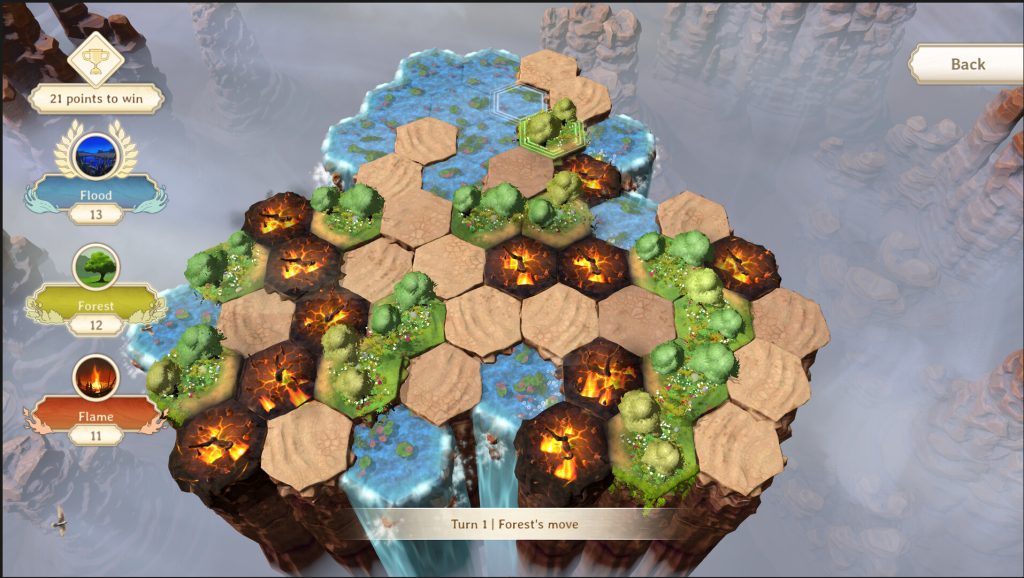
Cozy strategy game Flame, Forest & Flood will challenge GTA VI by deliberately launching on November 19, 2026.
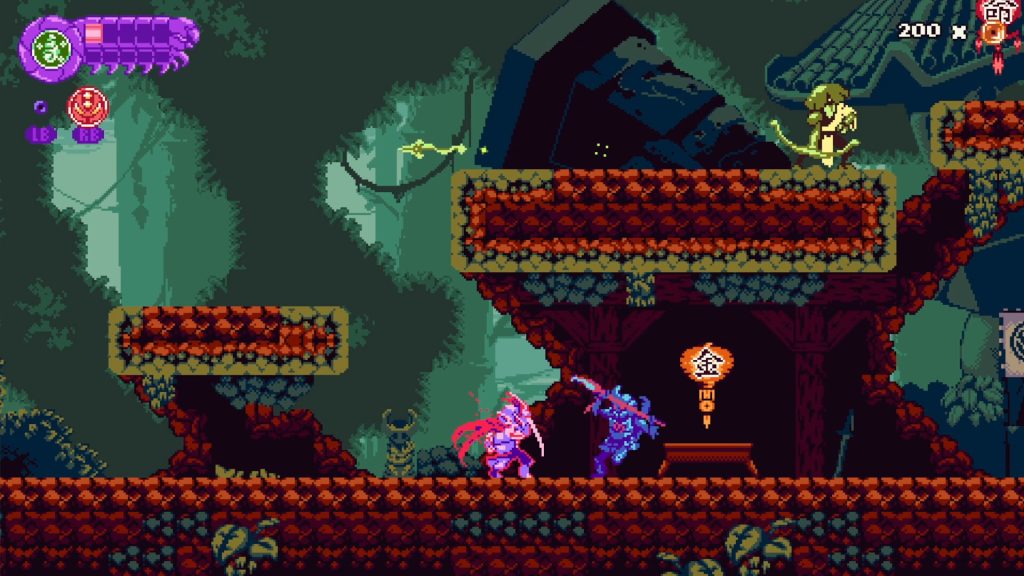
Akupara launches Kallisti Games, a service-first indie label for retro and experimental PC titles, with AOKAKI as its first project.
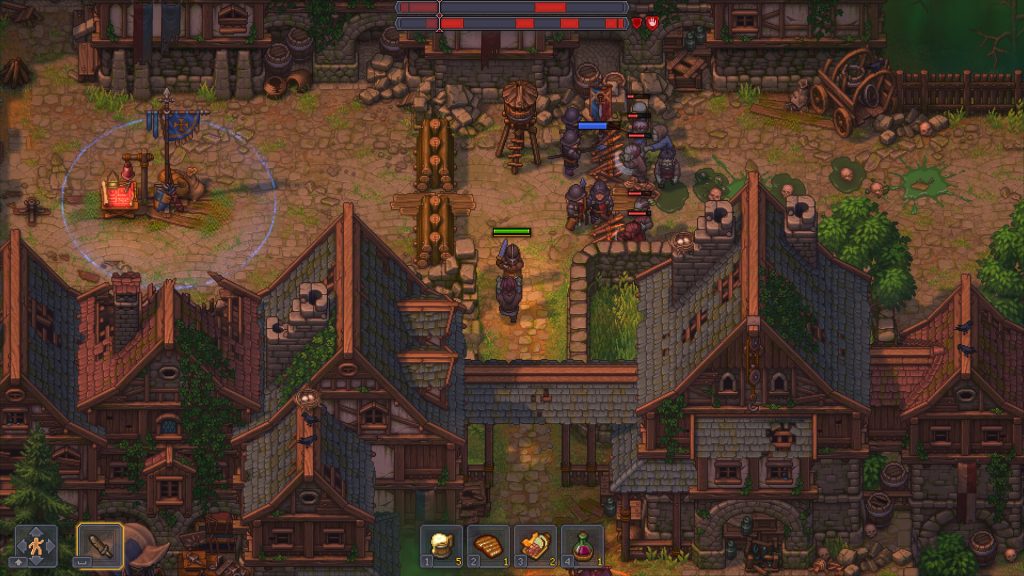
Graveyard Keeper 2 has earned $1.53 million from Steam pre-orders, with 87,500 copies sold and more than 814,000 active wishlists.
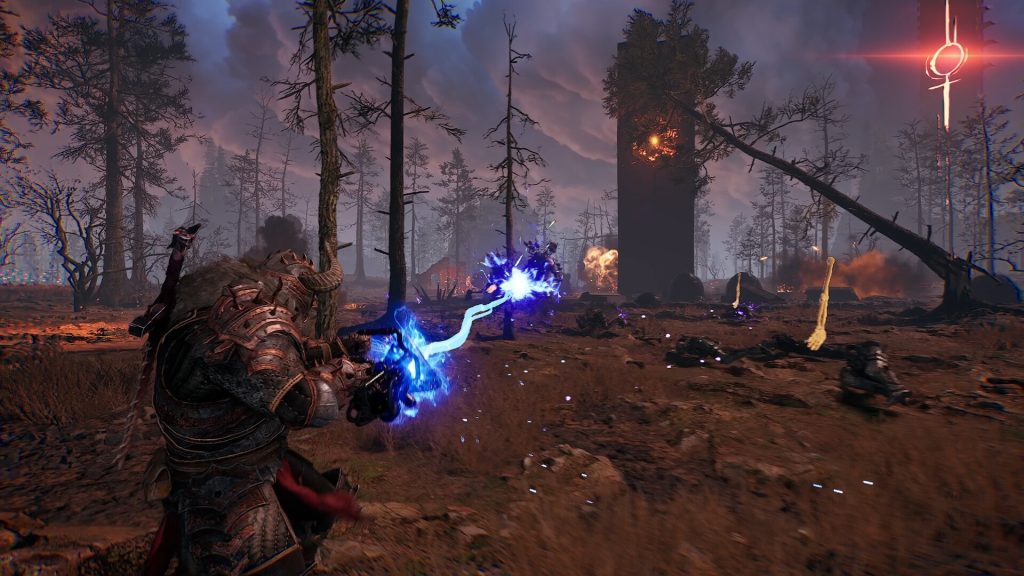
Guardians of the Wall shows chaotic co-op combat, roguelite progression and evolving world events ahead of its planned Q1 2027…
