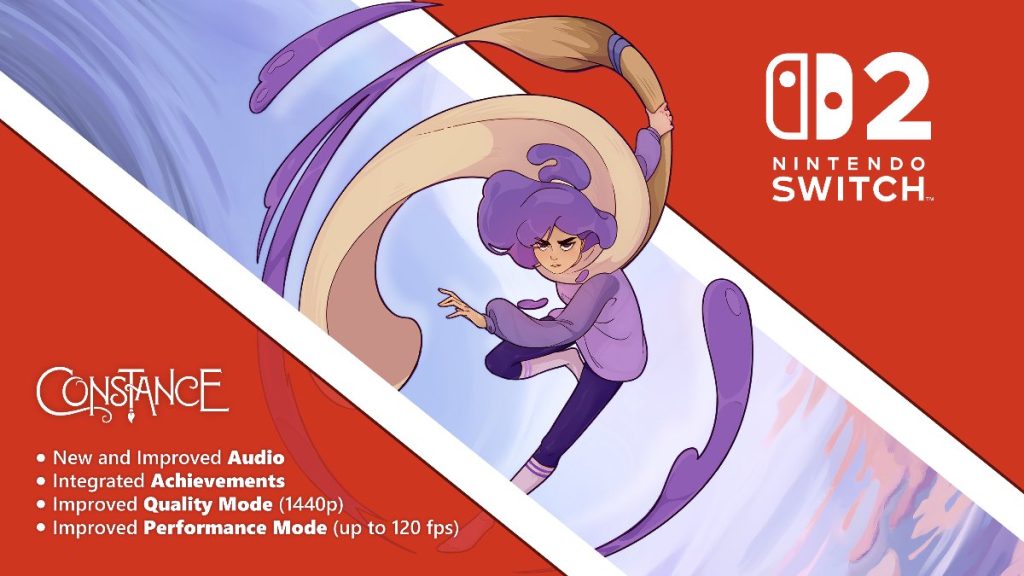
Constance Comes to Switch 2 With 120 FPS Support
The nonlinear world contains six biomes, each representing a different part of the protagonist’s psyche and history.


If you enjoy independent indie game coverage, consider supporting Indie-Games.eu on Patreon. It helps keep the site independent.
The lecture by Thierry Van Gyseghem, held at the Blend: Film & Games Conference last week and based on 15 years of experience in the game industry (including work on Baldur’s Gate 3), presents a powerful appeal for a paradigm shift. It is time to transition from an era of hyper-specialization to a need for hybrid animators capable of bridging the gap between cinematic and gameplay animation.
Thierry Van Gyseghem began his career in the film industry, but a lack of job security led him to the gaming industry (Larian Studios, working on Divinity 2). This experience taught him that the existing mindset had to be redefined. While years of learning convinced us to hyper-focus on one area, the reality of globalization means competing with millions of people worldwide, creating pressure for a race to the bottom in terms of labor cost. This logic causes burnout and a feeling of being undervalued. The conclusion is that we must urgently redefine how studios hire and deploy their people.
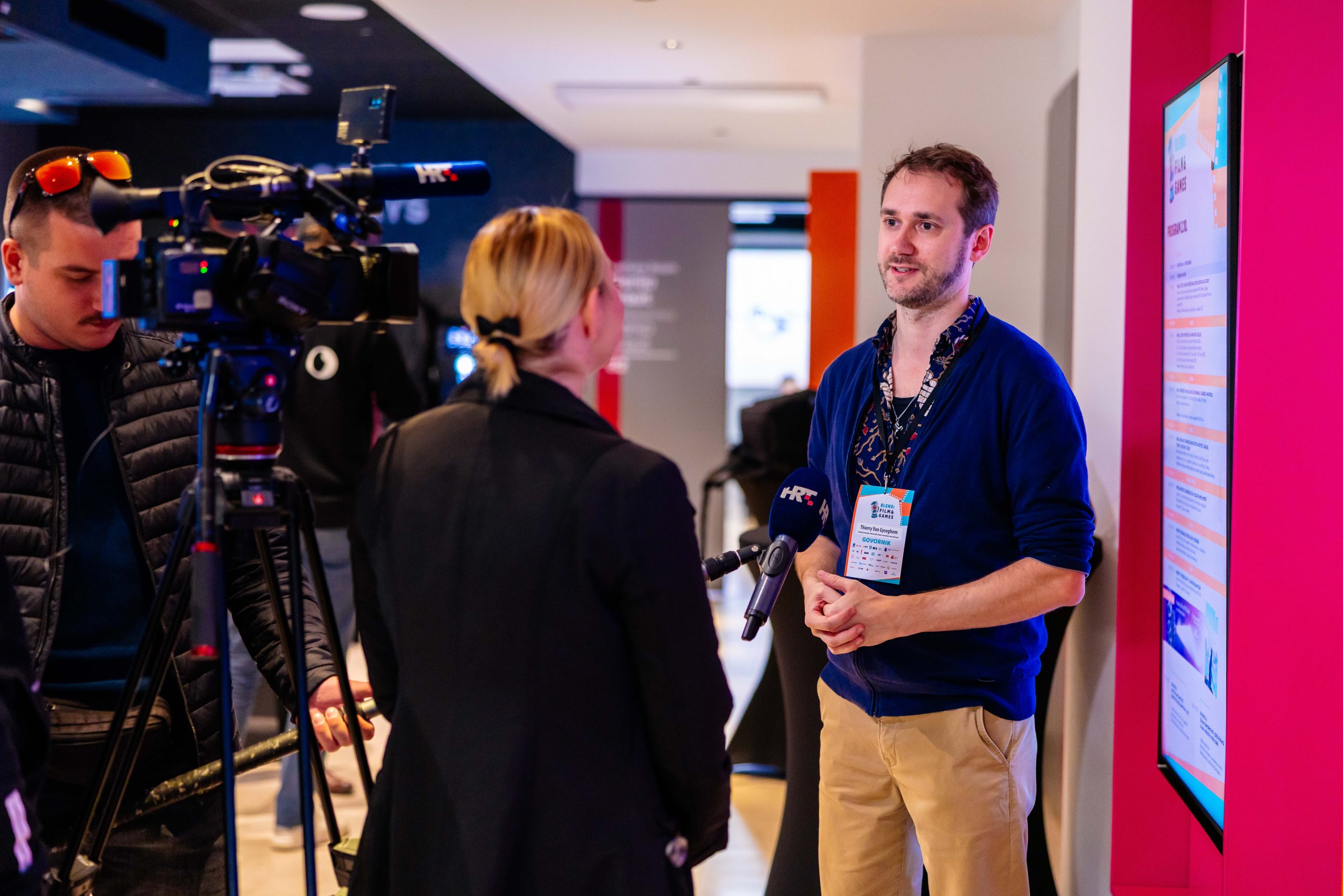
“A cultural shift merging film and games is underway. On one hand, games are becoming narratively driven, with increased investment in cinematic content and immersive storytelling. On the other, film is constantly exploring interactivity. Simultaneously, player expectations grow with every new generation of games, with titles like Baldur’s Gate 3 setting new quality standards”, said Van Gyseghem during the lecture.
These high expectations lead to a cost explosion. The increasing blend of player agency, immersion, and cutscenes means that due to the numerous permutations of story choices, all narrative branches must be captured via motion capture (mo-cap). This requires actors and cinematic production, driving costs into the millions. As a result, large companies are forced into “fat-cutting” measures, which unfortunately leads to layoffs and makes it harder for animators to find work.
The way out of the crisis lies in merging the two previously separate worlds of animation. Cinematic animation is linear and directed, focused on emotional context, performance, and micro-details. Gameplay animation is systemic and reactive, focused on player agency, impact, and functionality. According to Van Gyseghem. combining these elements yields powerful results:

Van Gyseghem emphasised that studios must seek a hybrid animator who thinks about the entire process: “Such an individual must be narratively aware, capable of bridging gameplay and cutscenes for a seamless experience, and must think systemically to translate a linear event into branching animation. They must also be extremely detail-oriented and understand the needs of both worlds, for example, being aware of gameplay restrictions when designing cinematic scenes.”
The key structural change is the transition from an industrial to a decentralized pipeline. The classic pipeline creates vertical silos of specialization (one person only does mo-cap, another does facial animation). The decentralized pipeline gives a single animator ownership over an entire segment: from character visualization and working with the actor on mo-cap, all the way to integrating and revising their own work within the game.
This model brings strategic advantages for studios according to Van Gyseghem:
The nonlinear world contains six biomes, each representing a different part of the protagonist’s psyche and history.
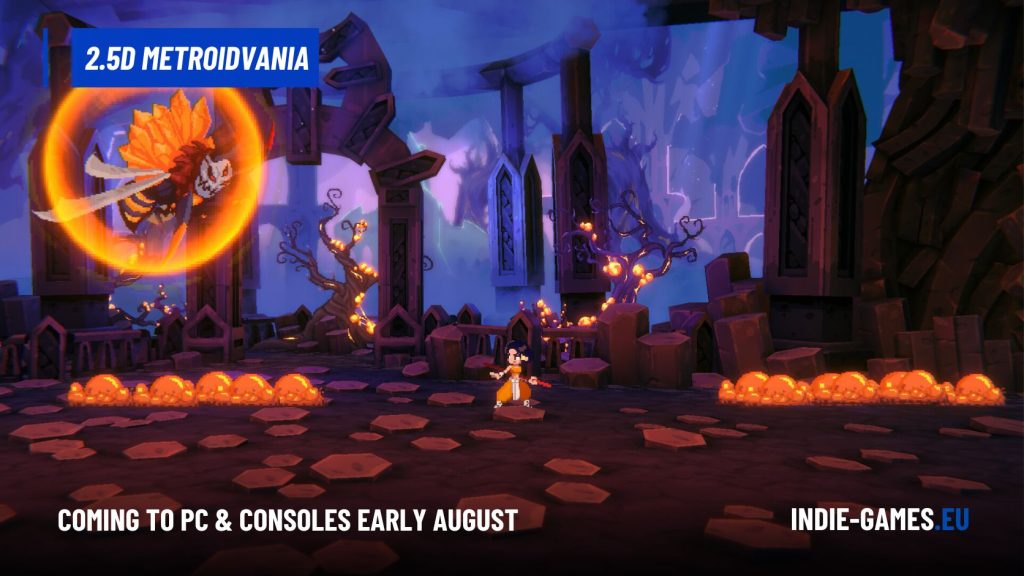
Akatori launches early August on PC and PlayStation and Xbox, featuring 2.5D Metroidvania action, parkour and staff-based combat.
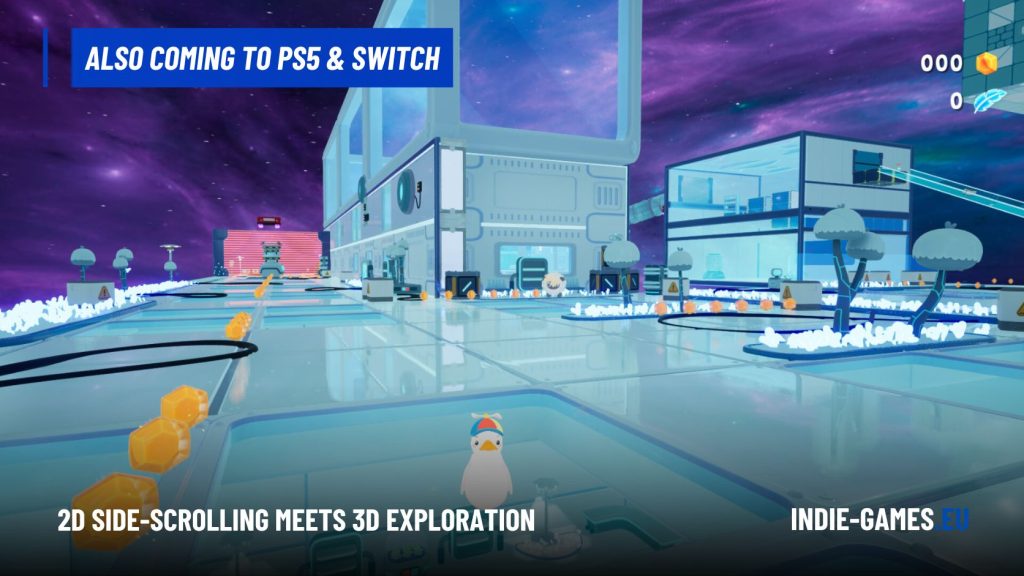
Dodo Duckie! launches on PC and Xbox today, with PS5 and Switch versions arriving later in 2026, featuring unique 2D…
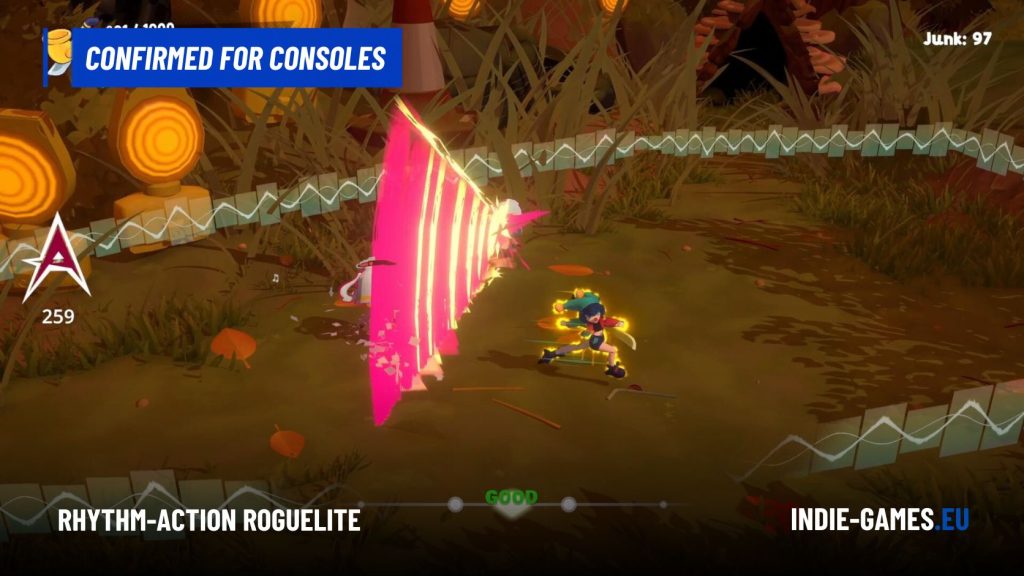
Alpha Nomos launches on PlayStation 5, Xbox Series and PC in 2026, featuring rhythm-based roguelite combat, live-recorded weapons and a…
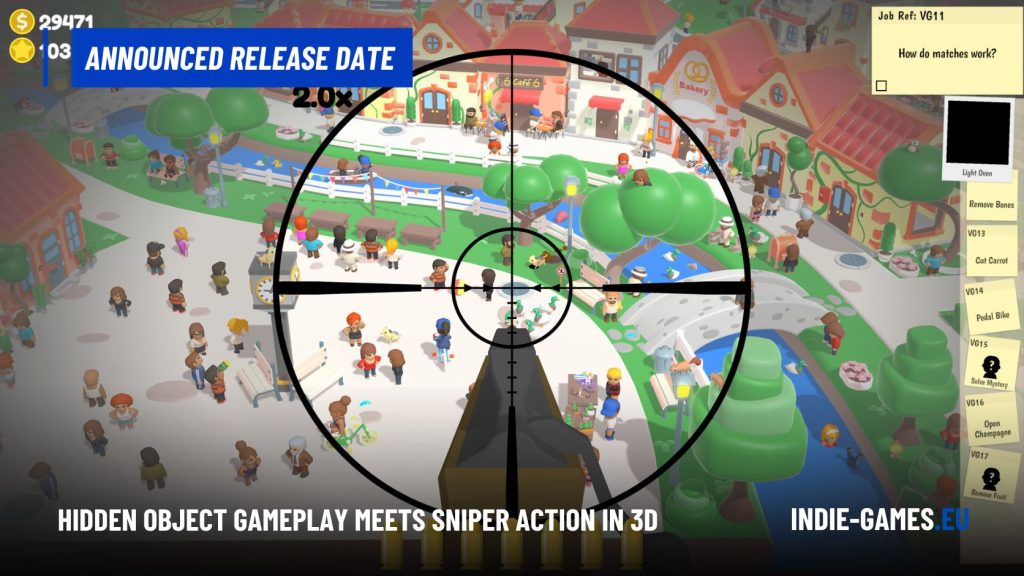
Sniper Dan launches in September for PlayStation 5, Xbox, Switch and PC, blending hidden object gameplay, puzzles and family-friendly sniper…
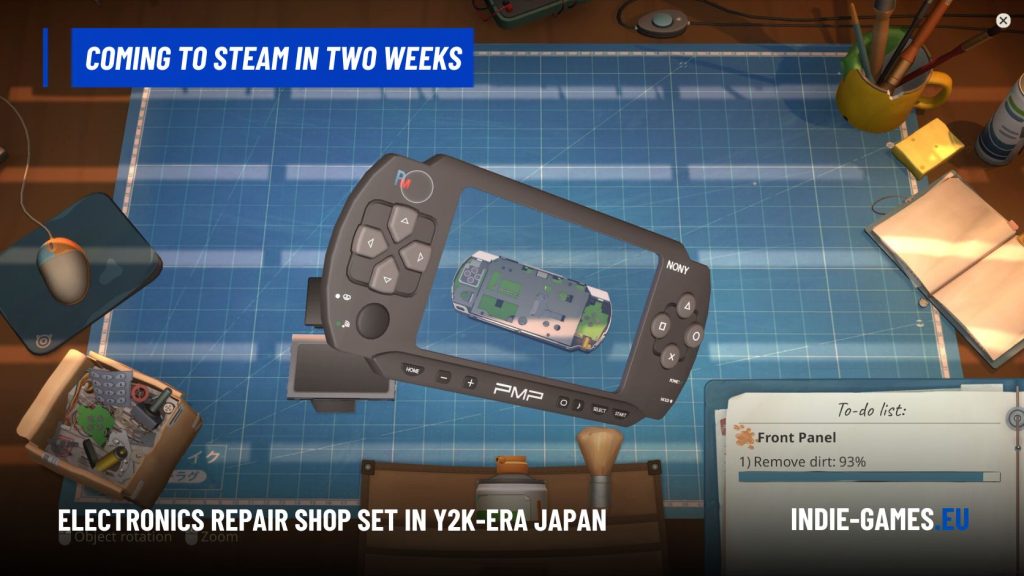
In ReStory, you will repair a wide range of early-2000s technology, including mobile phones, handheld gaming systems, digital pets, music…
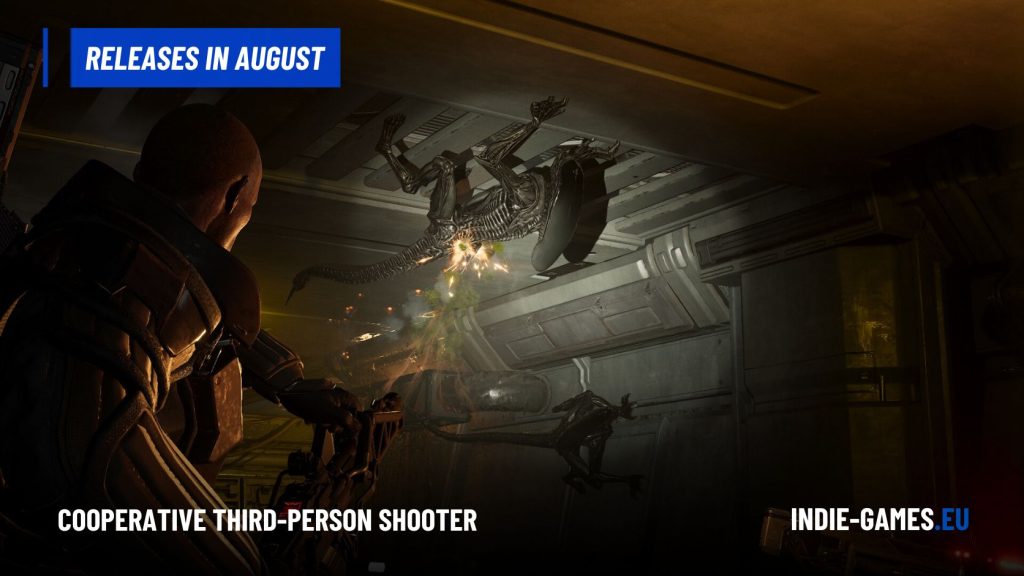
Aliens: Fireteam Elite 2 expands its fireteams to four players, who take control of Colonial Marines deployed across hostile locations…
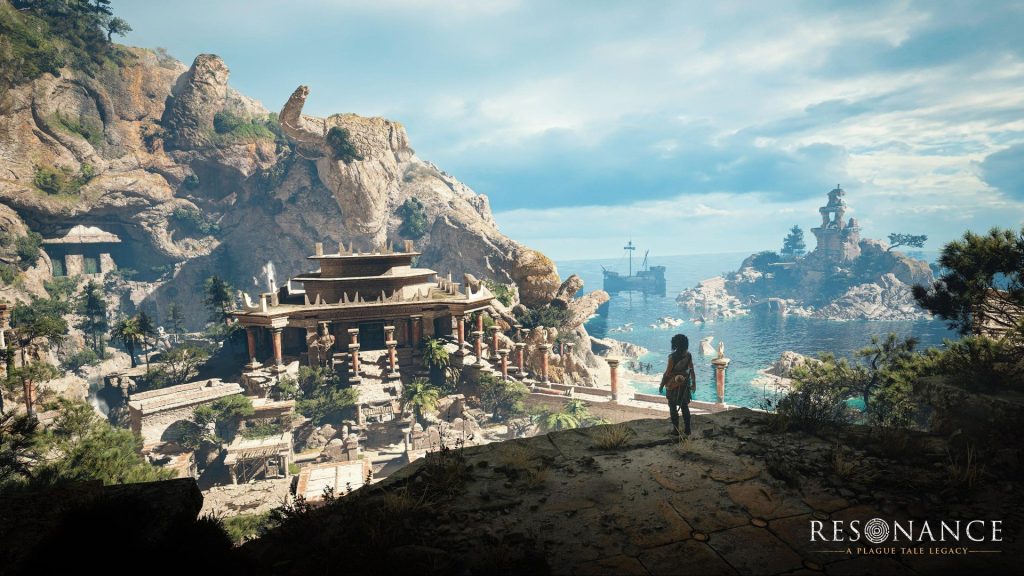
Asobo Studio has released a short scenic clip for Resonance: A Plague Tale Legacy, showcasing its Mediterranean-inspired locations.
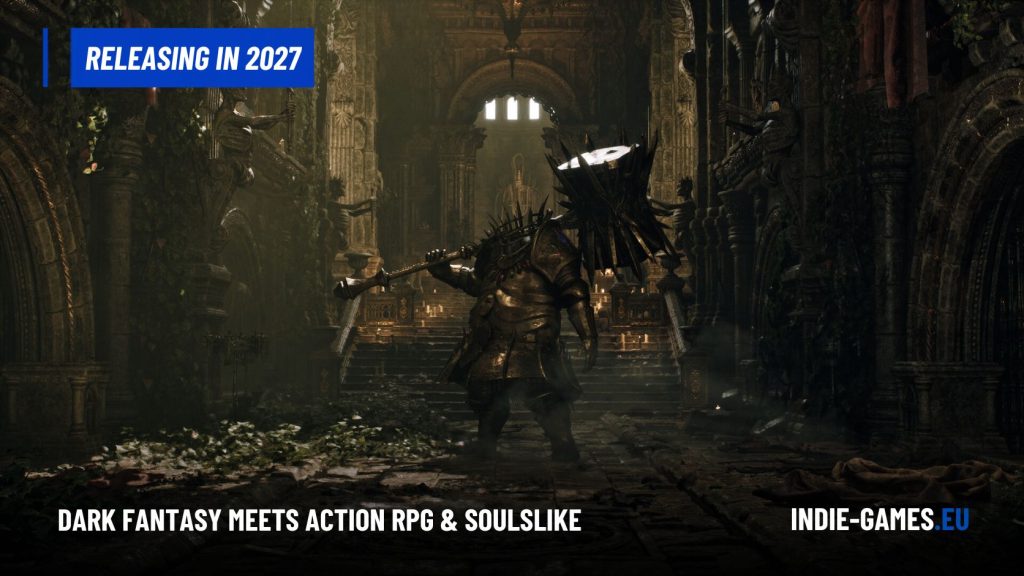
Turkish solo developer Celal Sahin has announced Godless Dawn, a dark fantasy action RPG targeting a Q1 2027 release on…
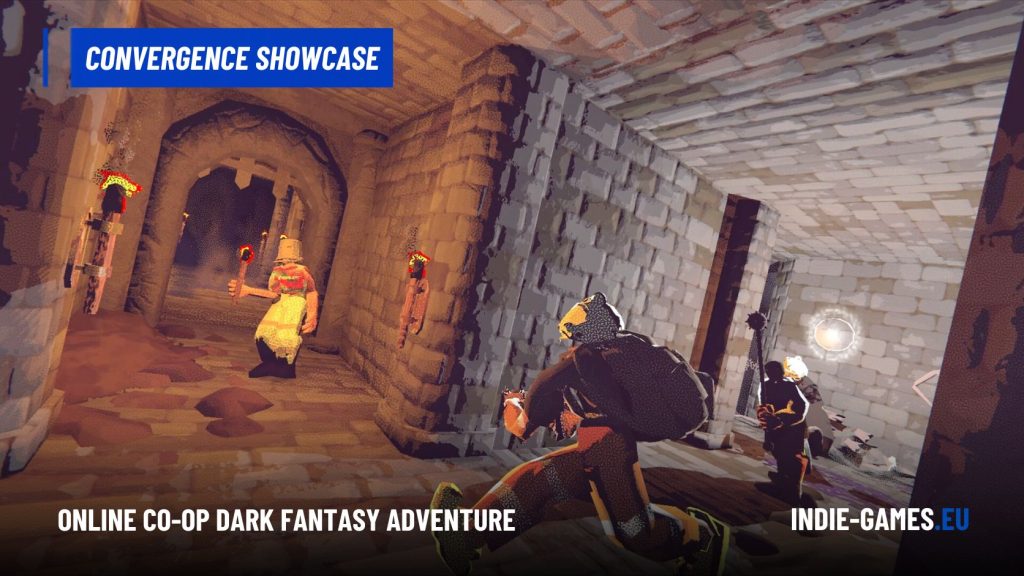
Vision Quench, an online co-op dark fantasy adventure from developer WizMUD Games and Pocketpair Publishing, is targeting an early 2027…
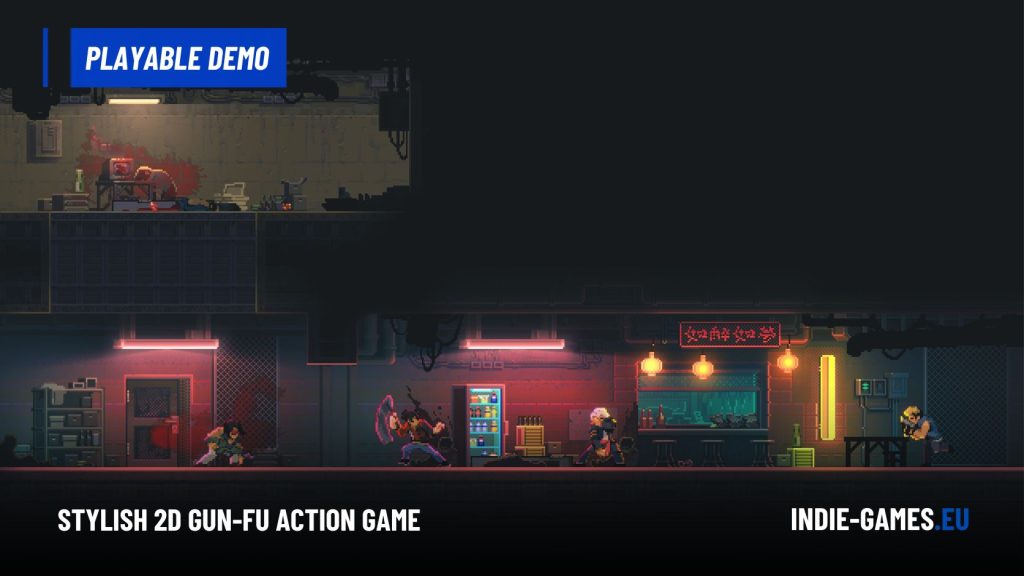
Named “The Bud Trial,” the playable preview offers an early look at the game ahead of its planned PC release…
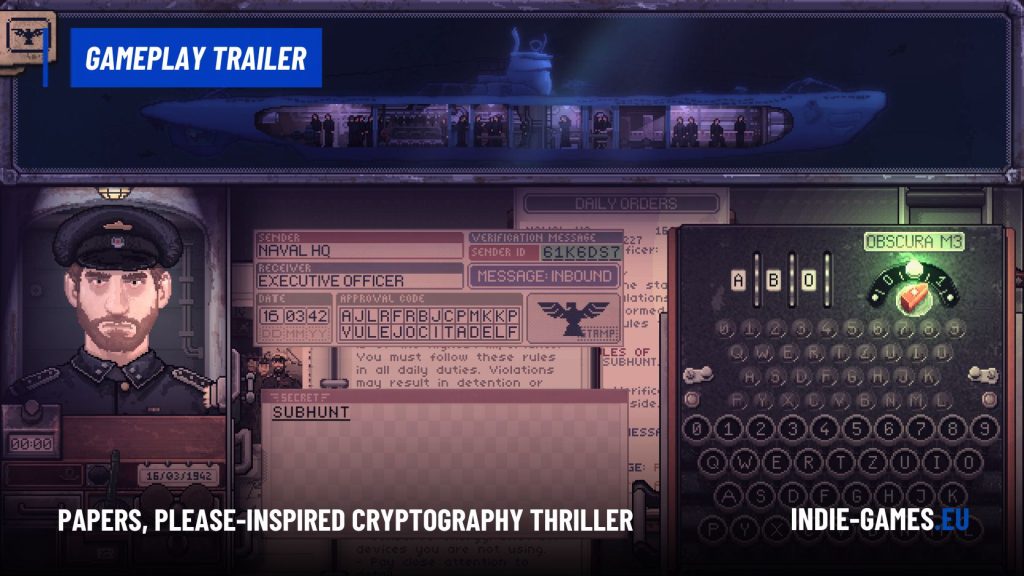
Serbian independent studio Retromagine has revealed False Echo, a narrative cryptography thriller inspired by Papers, Please and classic submarine dramas.
Surreal adventure Roman Sands RE:Build launches in September of this year on PC and consoles alongside the expanded Paratopic: Overdub.
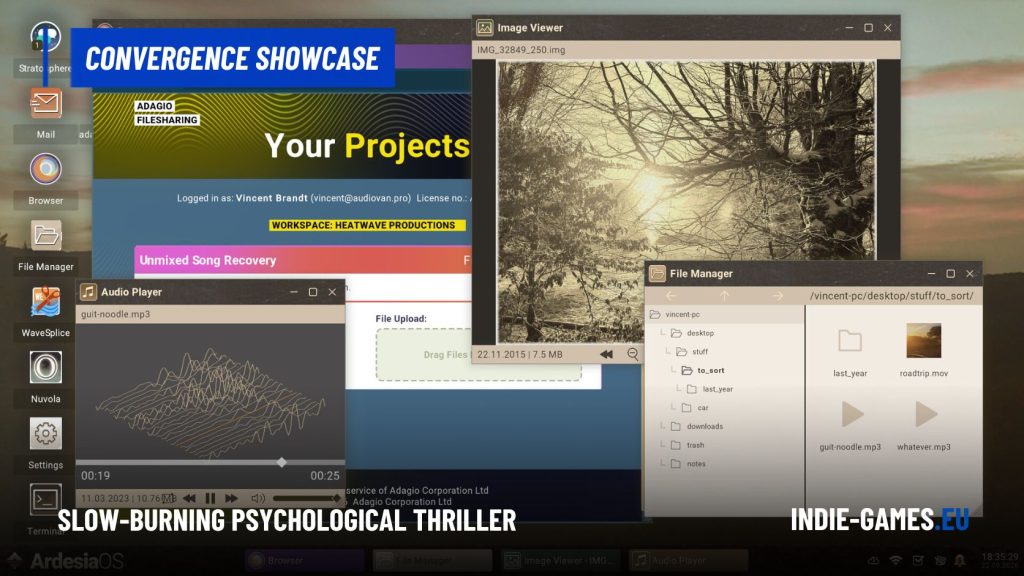
German indie studio Cobalt Lane has released a new trailer and Steam demo for Imprinted, a slow-burning psychological thriller.
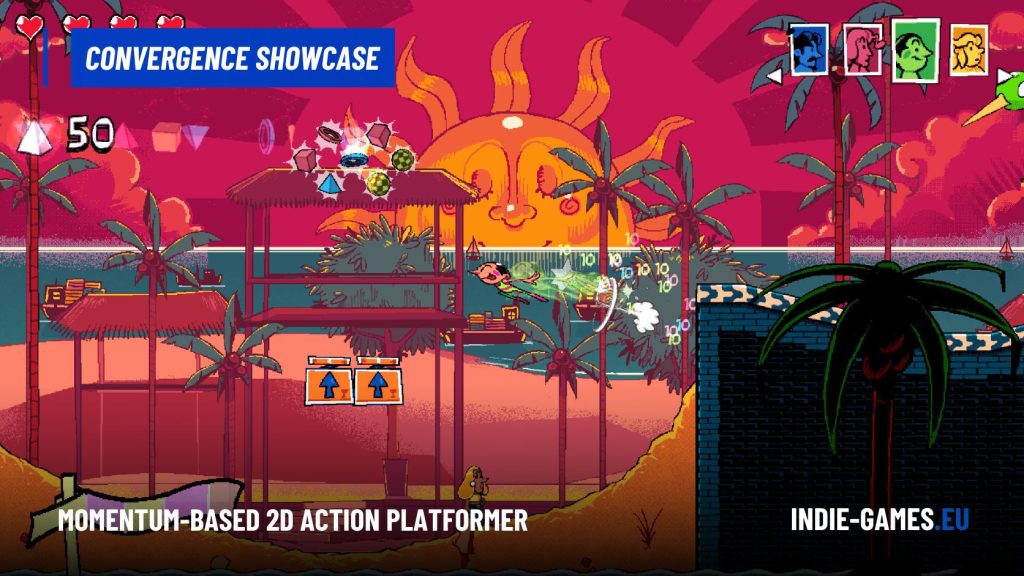
IndieArk and developer PVic Games have announced that momentum-based 2D action platformer ARTIUS: Pure Imagination will launch for PC via…
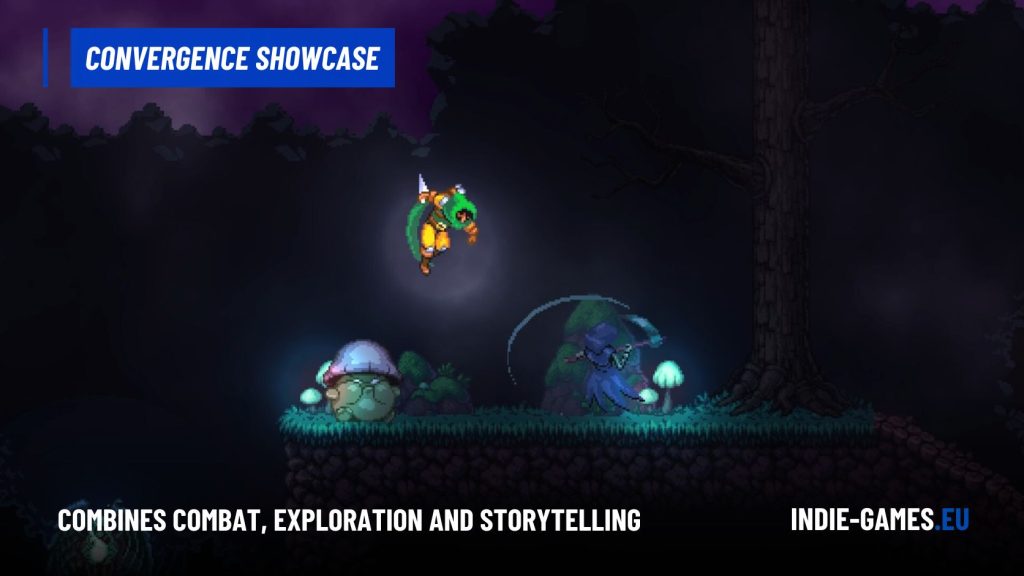
Decemberborn Interactive has released a new gameplay trailer for Cathedral: Crow’s Curse, an action-adventure prequel set in the world of…
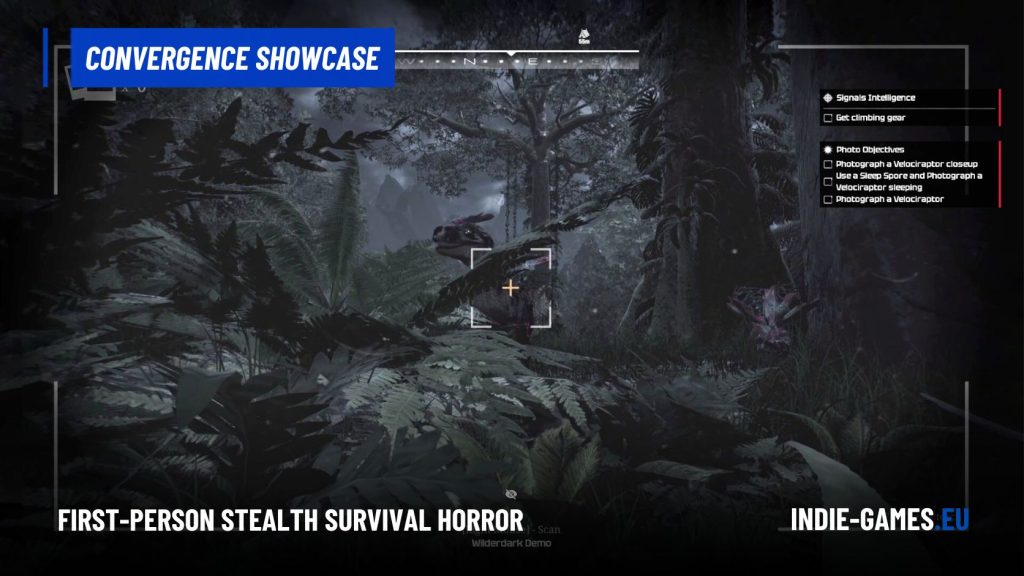
Wilderdark begins with the player crash-landing on an unnatural island overrun by hostile wildlife.
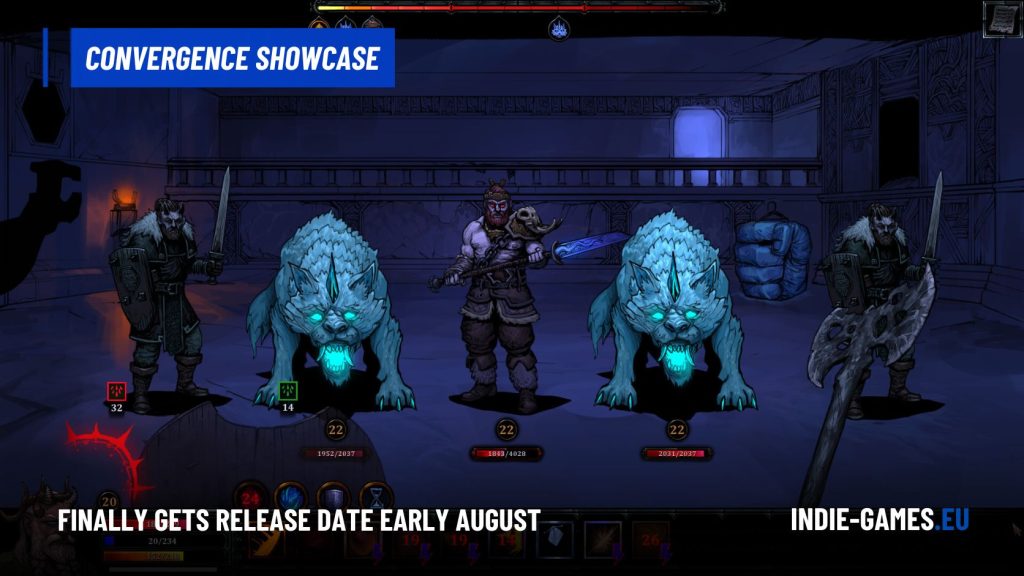
Independent French developer Ars Goetia and publisher Dear Villagers have announced that HellSlave II: Judgment of the Archon will launch…
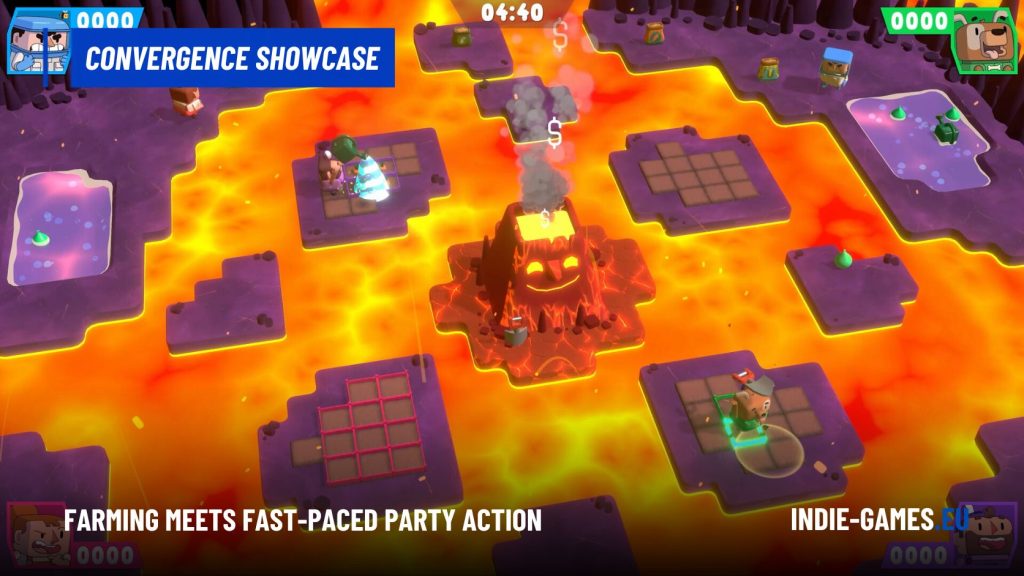
We got a new look at Planted! during the Convergence Showcase, where a brand-new Volcano level was revealed for the…
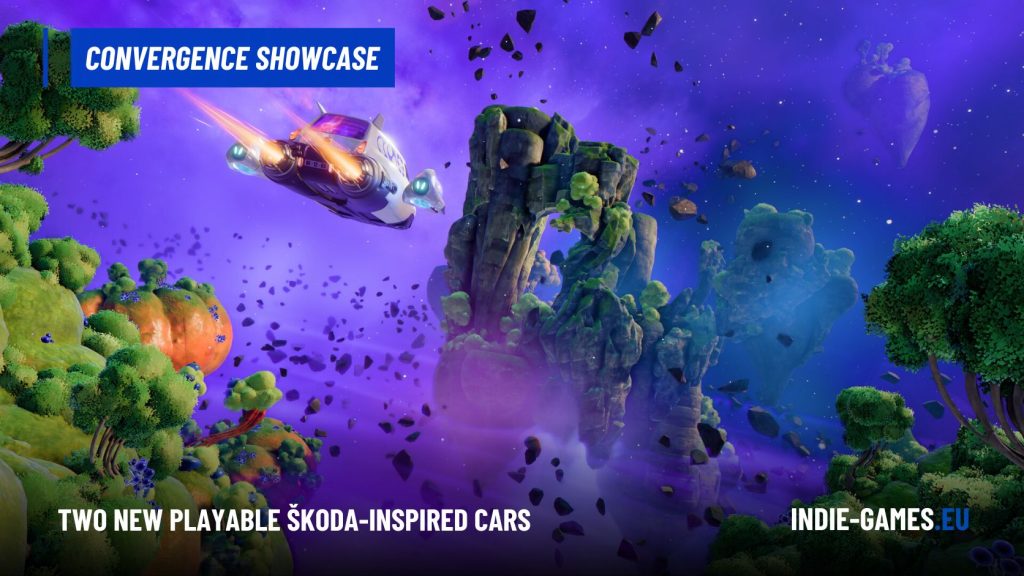
Bohemia Interactive has shared a brand-new look at Cosmo Tales during the Convergence Showcase, revealing two additional playable vehicles.
