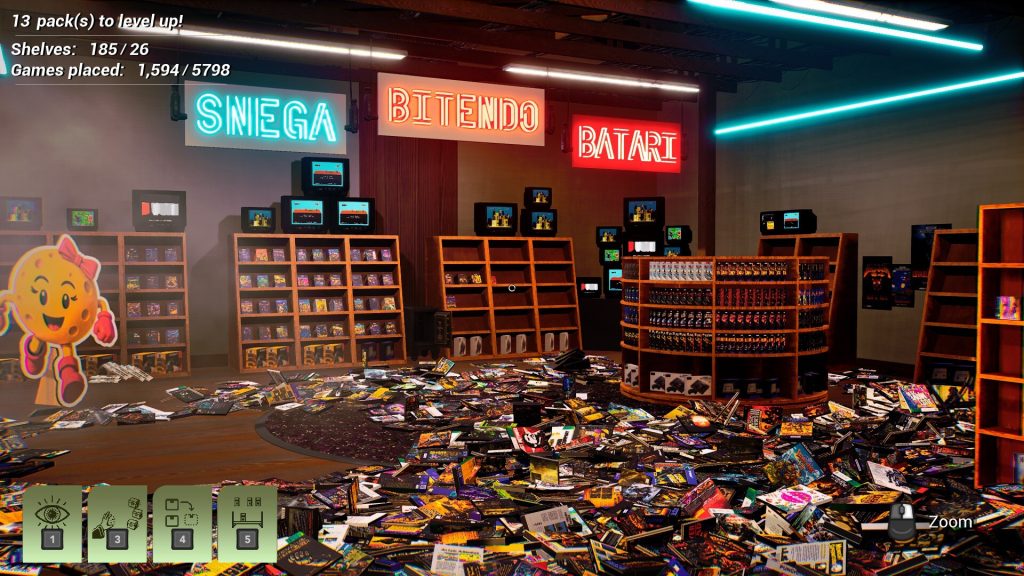
A Cat Scattered 5,798 Games Across This Cozy Supermarket Simulator
MY CAT SCATTERED GAMES asks players to organize 5,798 games and consoles before rescuing a cat trapped inside a claw…

If you enjoy independent indie game coverage, consider supporting Indie-Games.eu on Patreon. It helps keep the site independent.
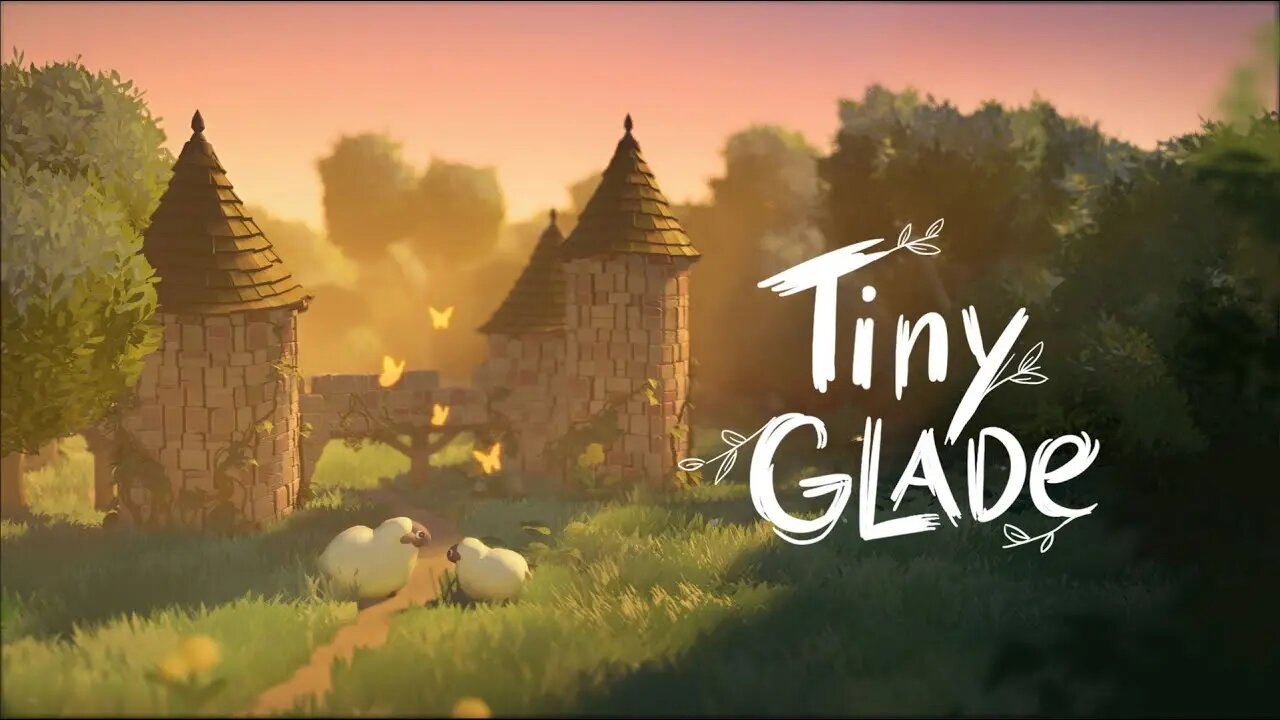
If you follow the indie scene, you’re probably already familiar with Tiny Glade. This cozy castle-building simulator has taken social media by storm and become one of the most wishlisted games on Steam. Here, we dive into the story behind Tiny Glade through an interview published by 80 Level, exploring its development path, the minds behind the project, and what makes it stand out in the cozy-game genre.
Tiny Glade began as a simple procedural wall generator, a weekend project by procedural artist Anastasia Opara and rendering artist Tomasz Stachowiak. Developed using Bevy, a data-driven, Rust-powered game engine, the project quickly outgrew its modest initial scope. A turning point came when the duo shared their early prototypes on social media, receiving enthusiastic feedback and recognizing the potential to create a full game.
The decision to release a demo for Tiny Glade came from several reasons. Primarily, it allowed potential players to try the game before committing to a purchase. As Opara explained: “We wanted people to see whether the game is their cup of tea or not.” The demo also serves to gather player feedback, although extensive playtesting has already been conducted to improve the user experience (UX).
Playtesting was crucial in shaping Tiny Glade. Stachowiak emphasized the importance of UX, noting that ensuring intuitive and satisfying interactions is essential for player enjoyment. Testing revealed unexpected uses of game elements, for example, players stacking lamps to create wooden walls or aligning stairs to resemble medieval crenellations. These insights led to new features, such as bridges and the ability to elevate buildings, enhancing the game’s procedural systems without disrupting its design.
Opara’s expertise in procedural art heavily influenced Tiny Glade’s development. Unlike generative AI, procedural art involves creating detailed rules that guide a system. The game’s evolution from weekend experiment to full release was driven by her deep interest in rendering and procedural generation. Initially powered by Bevy and OpenGL, the project later transitioned to Vulkan for improved performance and cross-platform compatibility, enabling complex procedural systems tailored to the game’s unique elements.
Tiny Glade shines within the cozy-game genre, inspired by Opara’s love for titles like Townscaper and Unpacking. The goal is to provide a relaxing, immersive experience, a virtual sanctuary where players can unleash their creativity without the pressures of combat or management. The developers see their role as giving players the right tools to tell their own stories, much like handing a child a box of LEGO bricks and watching their imagination come alive.
Choosing to self-publish Tiny Glade was a deliberate decision by Opara and Stachowiak. They wanted to learn every aspect of the publishing process and maintain full creative control over their project. Their previous experience in the AAA industry, where they often had little impact on creative decisions, fueled their desire for independence. Self-publishing allows them to release the game on their own terms, focusing on what they believe is best for Tiny Glade.
For now, the developers are fully committed to the project. While they have many ideas for future games, those plans remain in the early concept stage. Regarding a release date, they remain cautious about making promises. Their goal is to ensure a polished final product before announcing anything concrete, prioritizing both audience expectations and their own workflow.
If you’d like to try the demo version of the game, you can do so on Steam.
MY CAT SCATTERED GAMES asks players to organize 5,798 games and consoles before rescuing a cat trapped inside a claw…
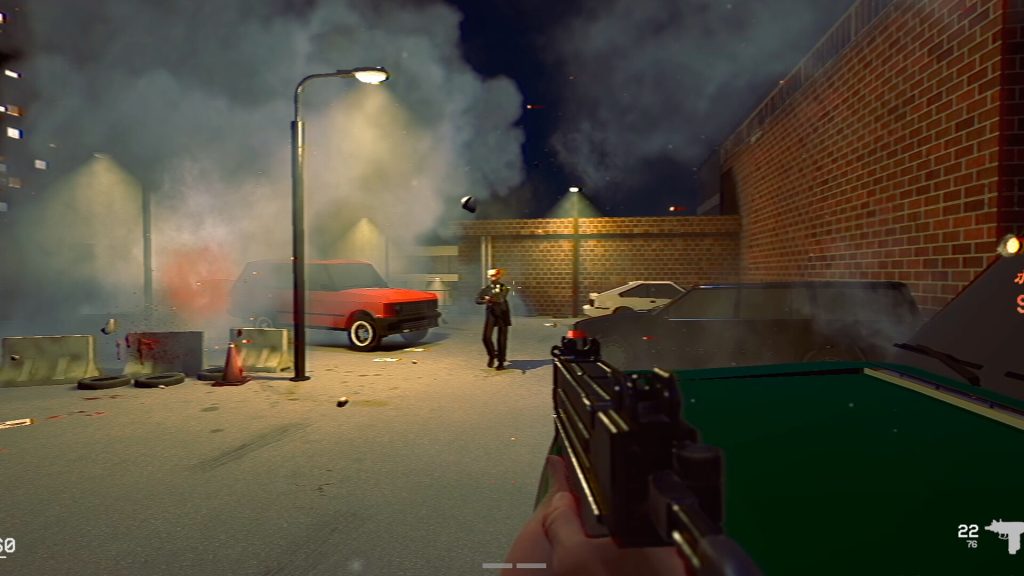
Retro corridor shooter Cop Bastard has partnered with Retrovibe for an October release, accompanied by a faster and more polished…
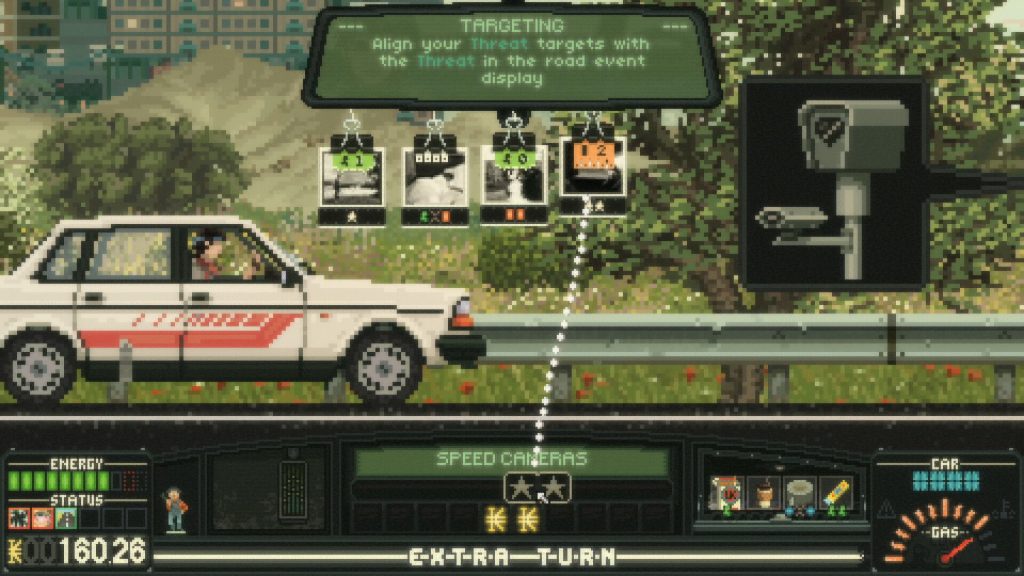
Keep Driving launches on Switch, PS5 and Xbox Series X|S on September 28 as its PC edition receives official Steam…
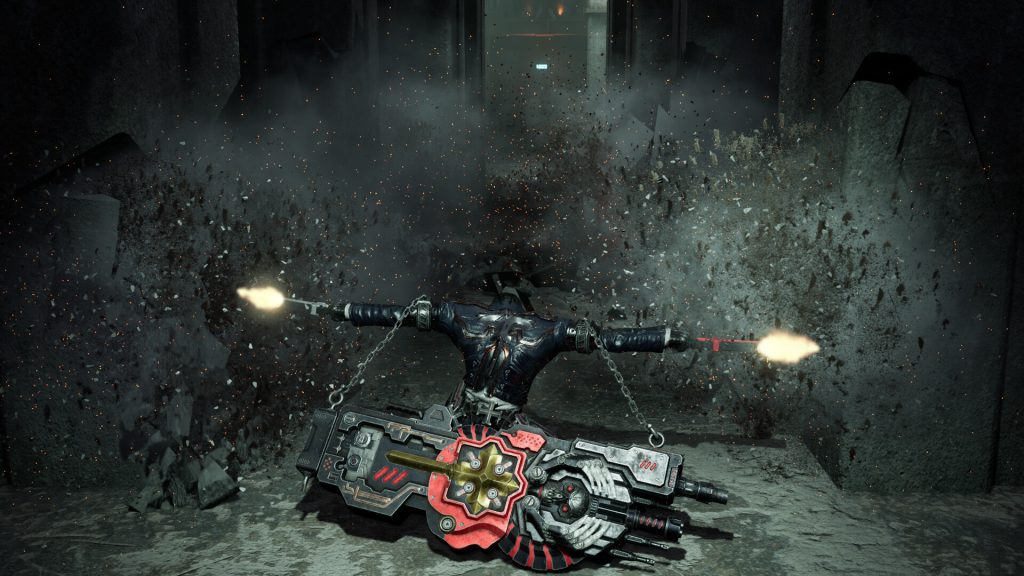
Gungrave G.O.R.E: Blood Heat shows its rebuilt combat, including parries, close-range attacks and faster 360-degree movement.

Sugar Lies follows a young man who hates dishonesty and a girl living behind a perfect persona when it launches…
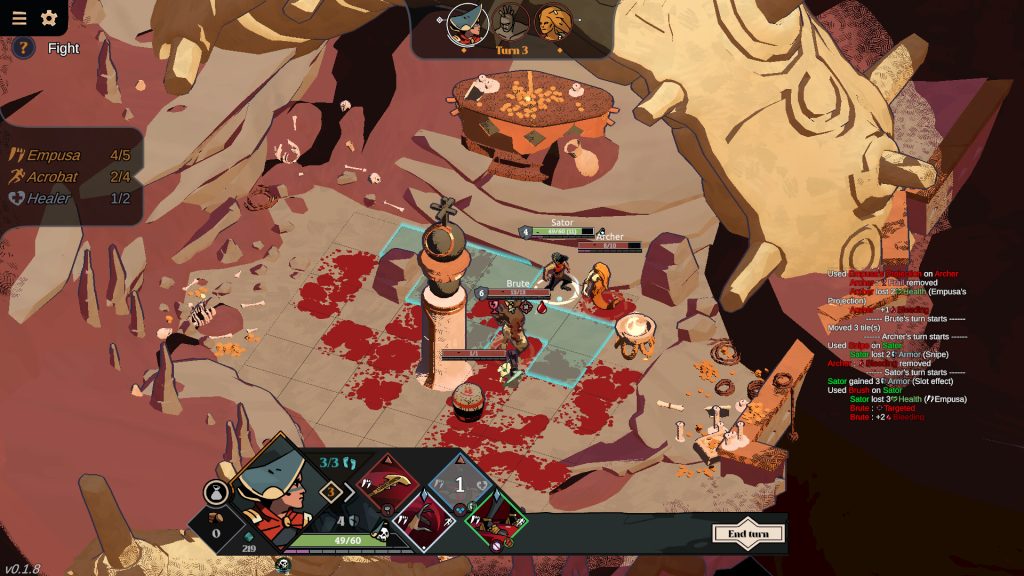
Deified leaves Steam Early Access on September 21 with its narrative ending, final boss floor, balance improvements and hidden content.
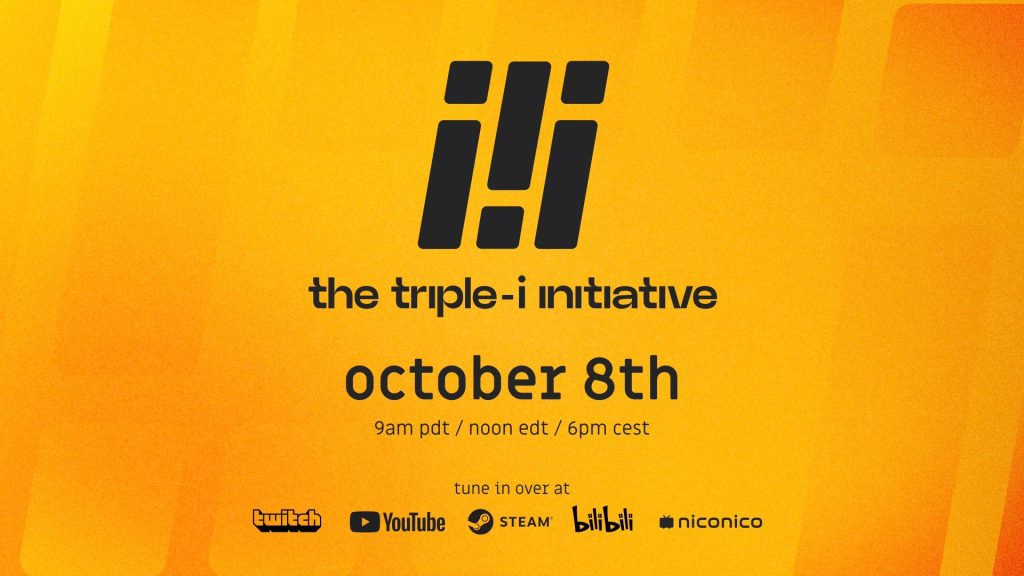
Triple-i Initiative returns October 8 with 40 games, eight world premieres and 45 minutes of trailers, release dates and reveals.
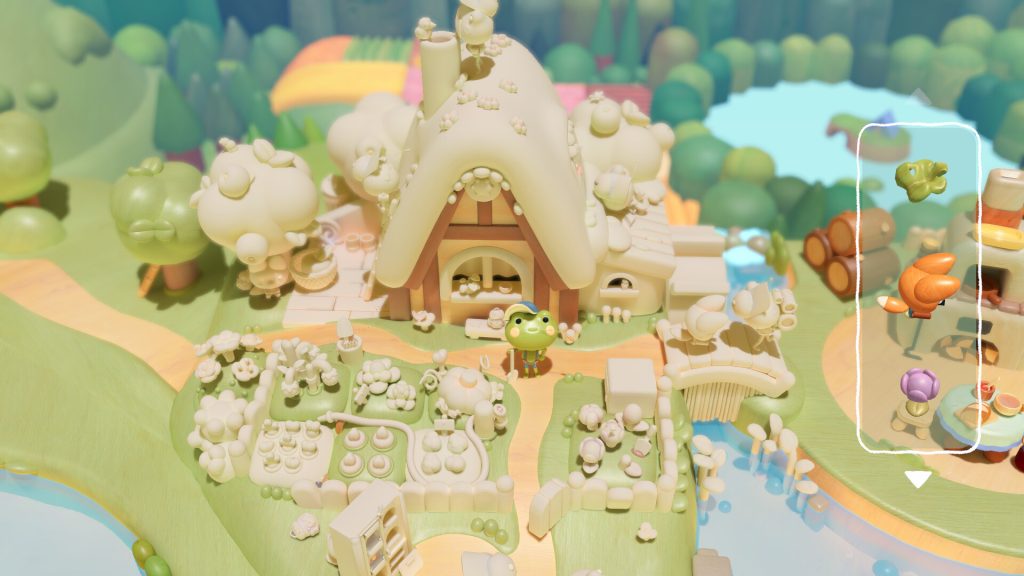
Woodo launches September 16, inviting players to rebuild childhood memories through cozy, handcrafted wooden dioramas.
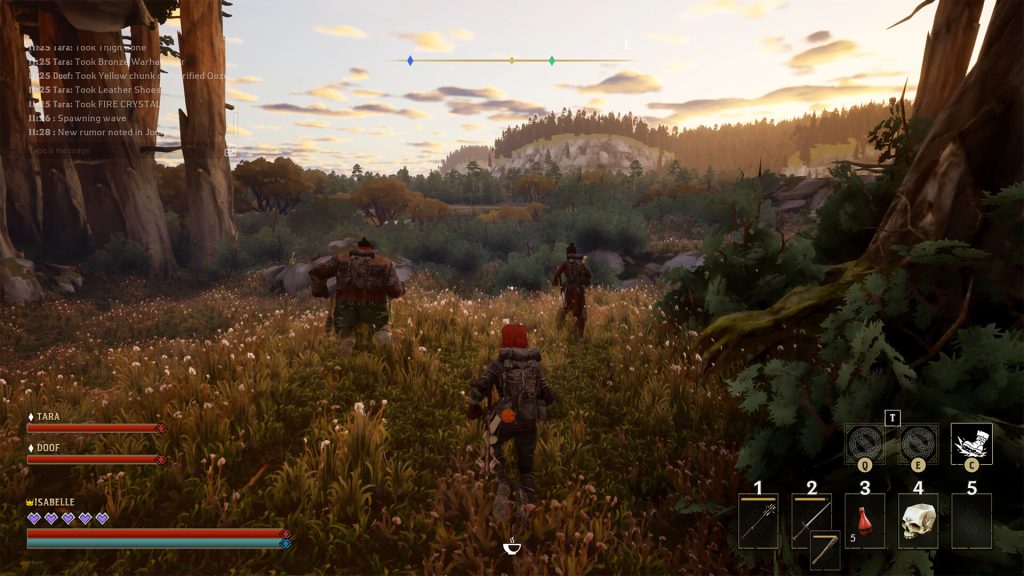
Curve Games signs Wyldheart in one of its biggest recent investments after the co-op RPG surpasses 375,000 Steam wishlists.
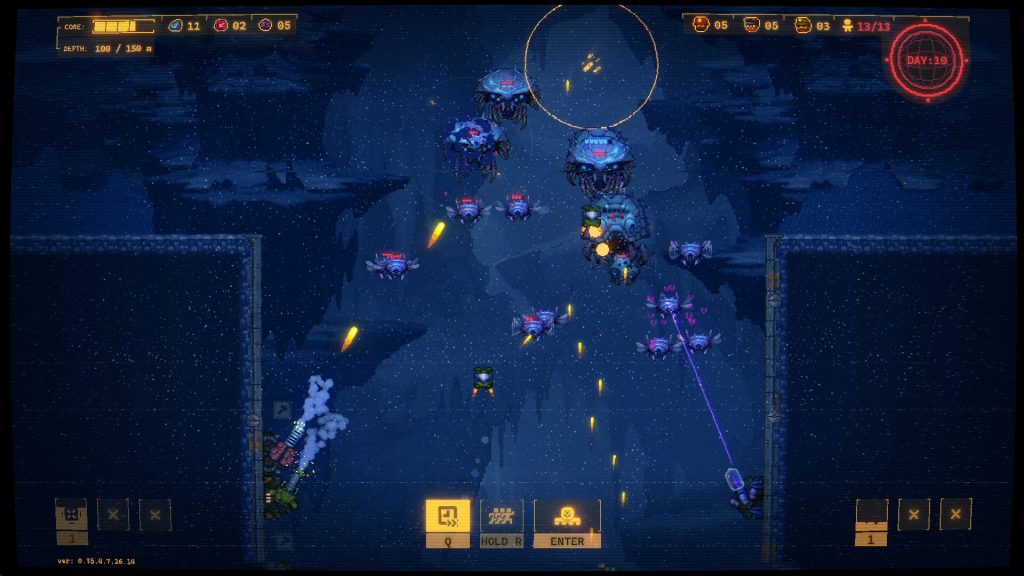
Drill Core’s free Anniversary Update adds Relaxed Mode, new bounties, specialists, platform skins and several quality-of-life improvements.
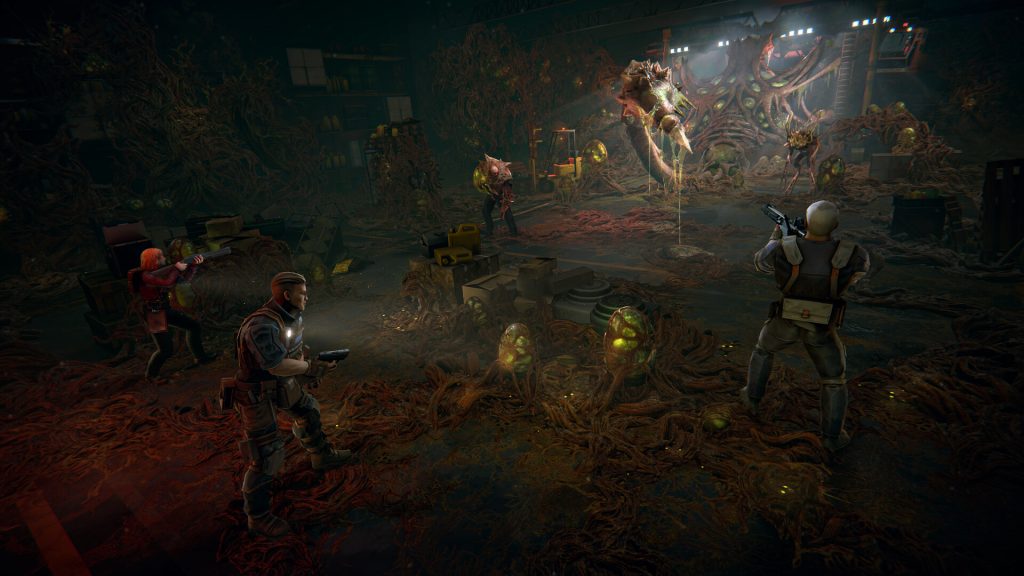
Critical Shift’s free two-hour demo combines real-time exploration with tactical combat inside a compromised Antarctic facility.
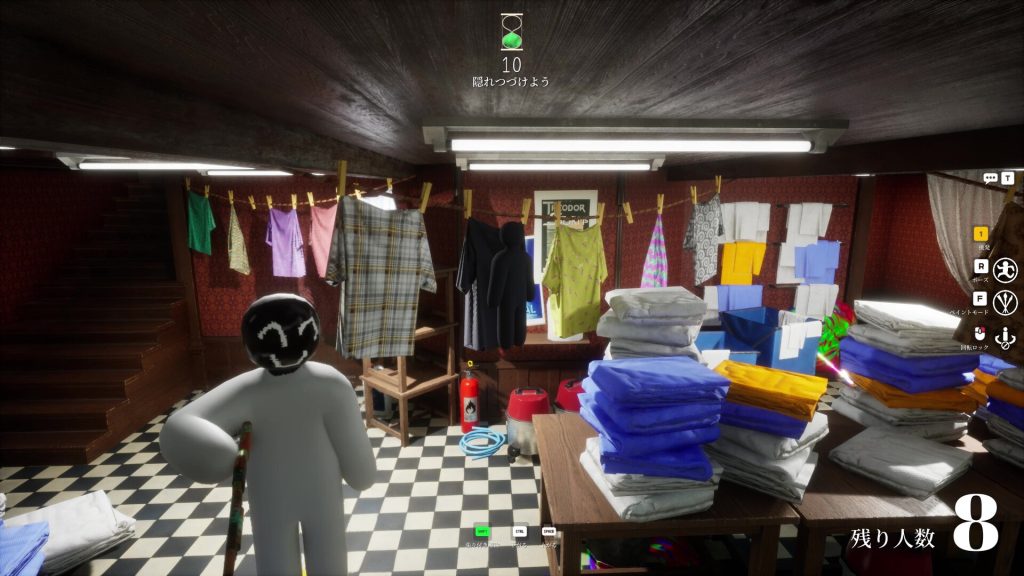
Meccha Chameleon brings its paint-based multiplayer hide-and-seek matches to Nintendo Switch 2 with a temporary $4.79 launch price.
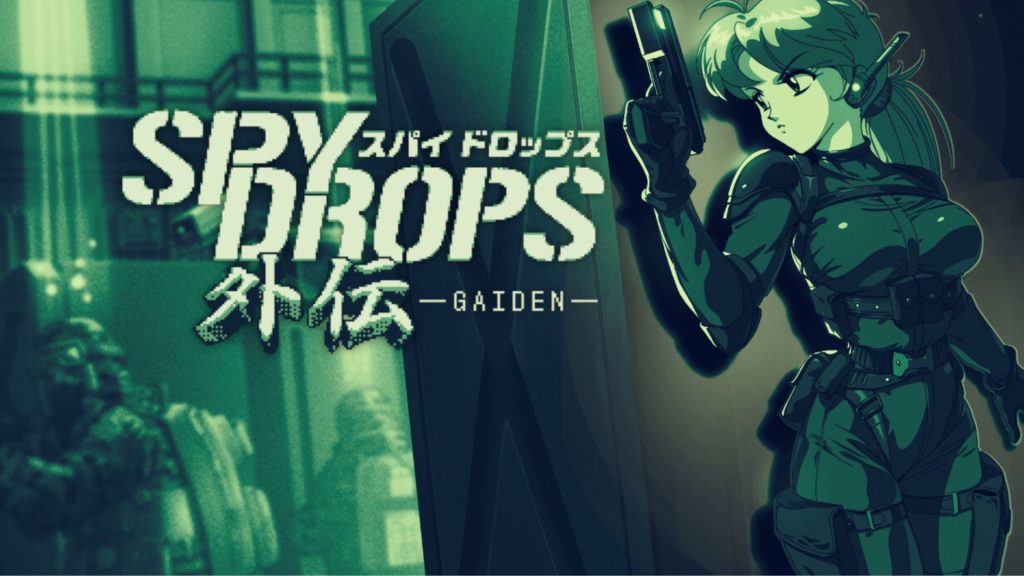
Spy Drops Gaiden brings Game Boy-style stealth, eight covert missions and intel extraction to Steam on October 12 for €4.99.
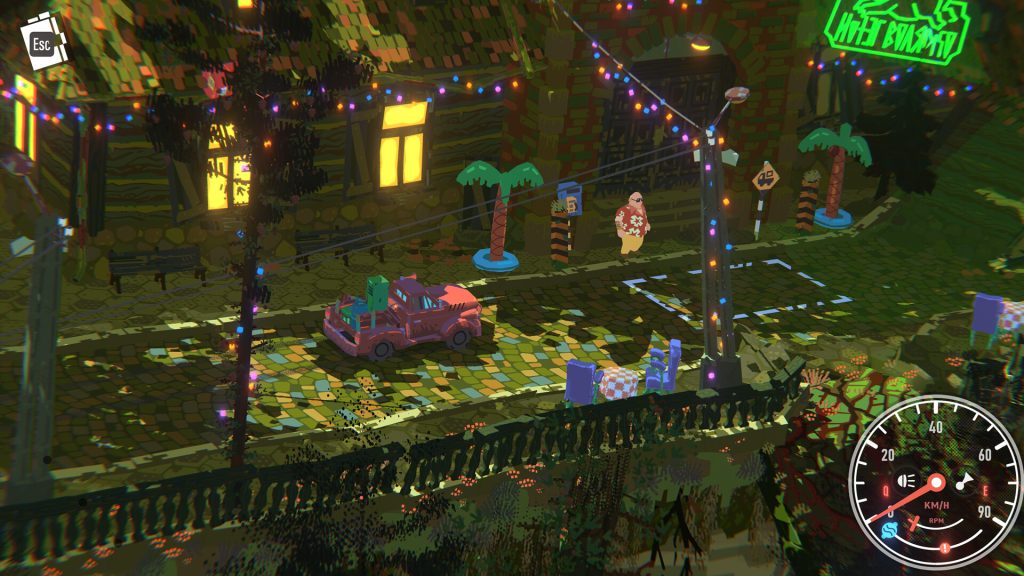
Truckful launches October 9 on Steam and Android, combining physics-based deliveries with vehicle upgrades and a mystery inside an ancient…
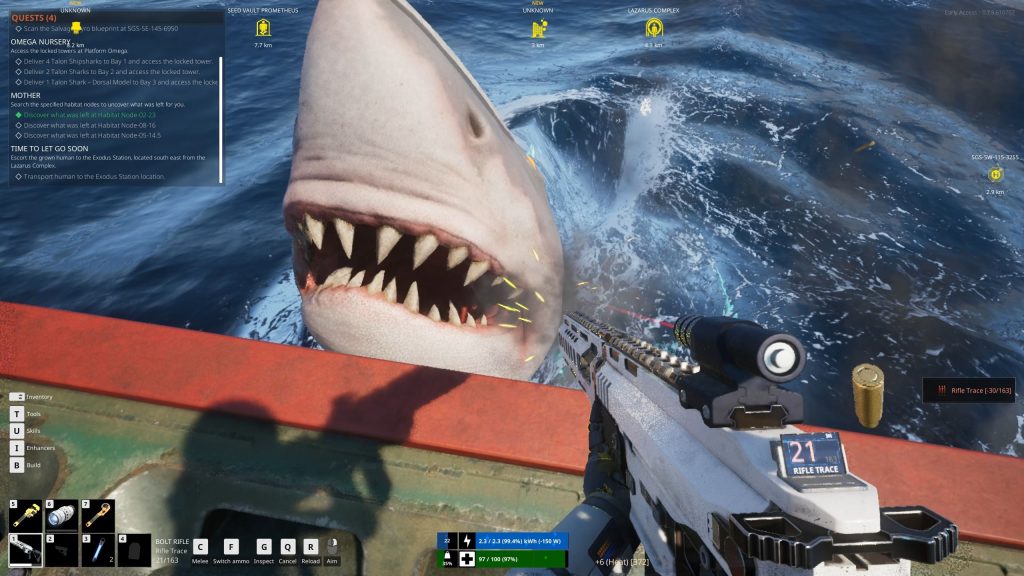
The Last Caretaker reaches version 1.0 in spring 2027 and joins Xbox Game Pass on day one after selling over…

Chronoscript: The Endless End moves to early summer 2027 as DeskWorks! improves combat responsiveness, menus and visual readability.
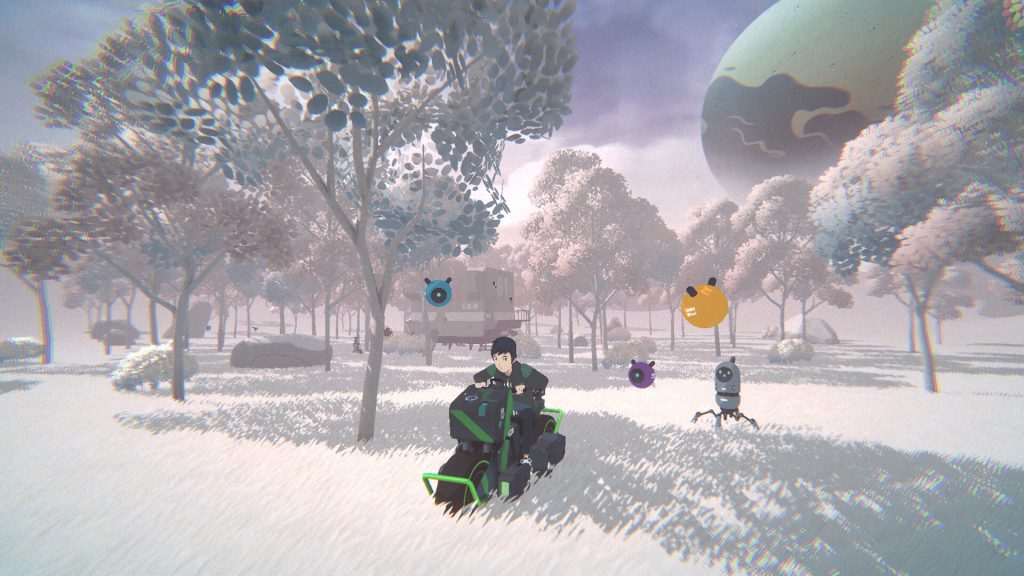
HEIMA is a parallel-world puzzle adventure from former Terra Battle developers, coming to PC in 2028 with SHIFT and HOLD…
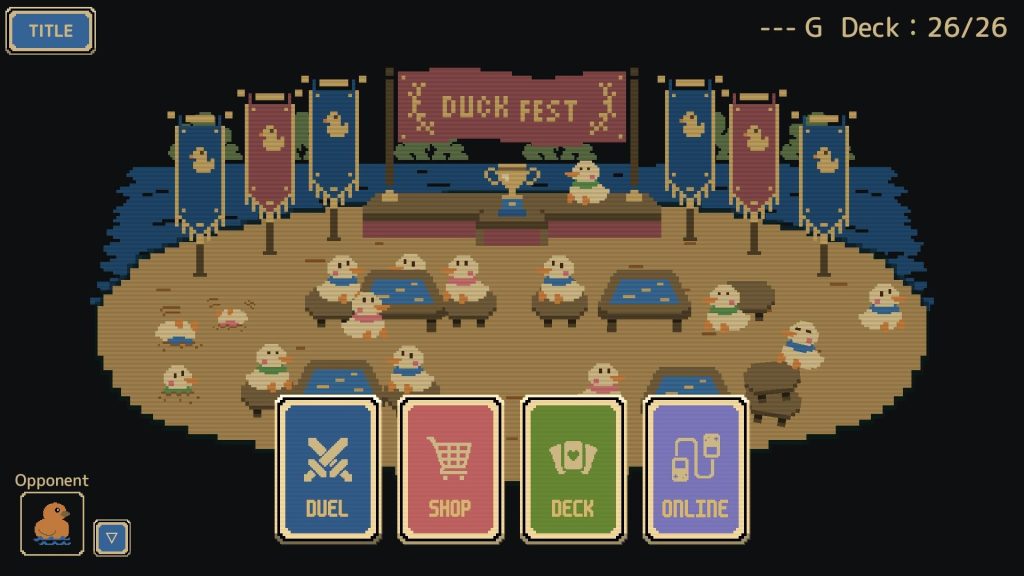
Duck Fest combines deck building and 1v1 battles with collectible cards that players can trade through the Steam Community Market.
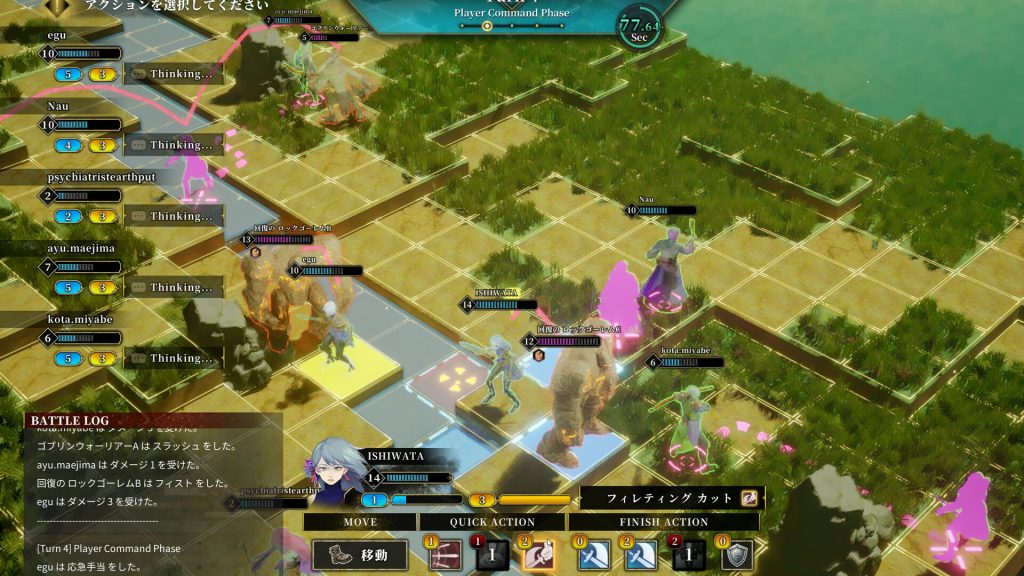
Tactful Tactics is a 1–6-player cooperative RPG where everyone plans and executes their actions simultaneously.
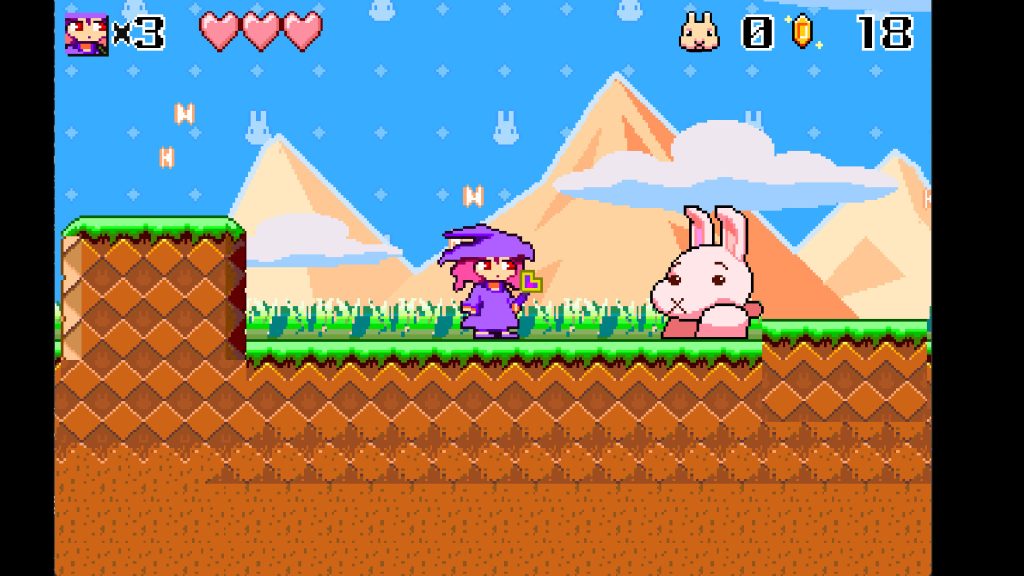
SakuSaku Witch is a retro-inspired 2D platformer about magic, bunny monsters and a suspicious toy company, coming to Steam in…
