
If you enjoy independent indie game coverage, consider supporting Indie-Games.eu on Patreon. It helps keep the site independent.
I’ve never really been deeply into FromSoftware titles, not the early ones, and certainly not King’s Field, which Verho – Curse of Faces is clearly inspired by. In today’s modern ARPG market, you tend to expect realistic visuals, busier progression loops, and more engaging systems. Verho – Curse of Faces, however, is an unapologetically old-school experience.
It doesn’t shy away from being yet another dark-fantasy, first-person RPG that deliberately positions itself outside modern norms. Still, it does something notably different, attempting to carve out its own identity through atmosphere, exploration, and an unusual thematic focus on masks and identity. The result is a game that is deeply charming, frequently frustrating, often flawed, but ultimately worth engaging with.
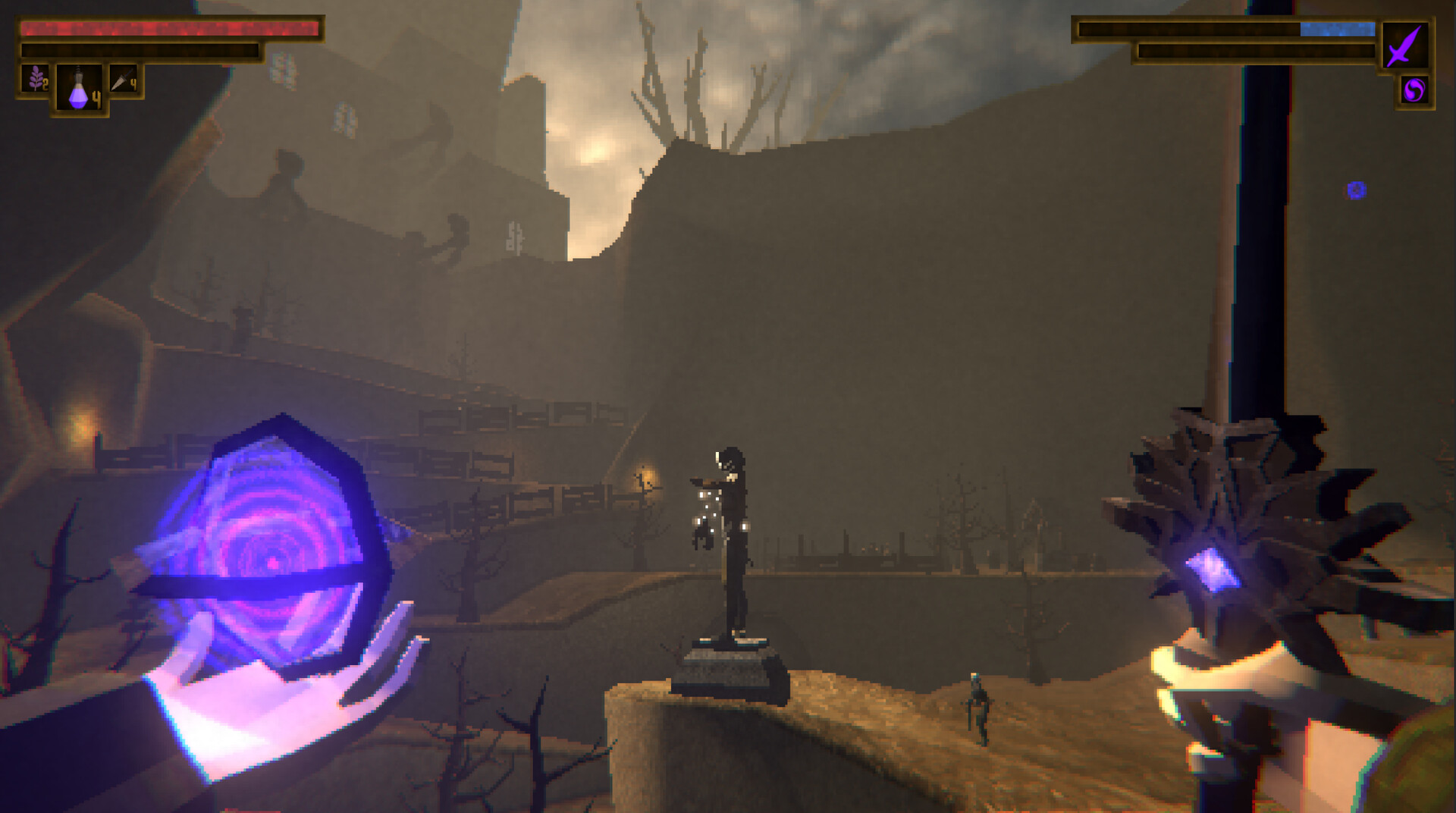
The moment I stepped into the world of Verho, I instantly knew this would be a demanding game, one that rewards careful exploration, unorthodox approaches, and a willingness to pursue optional, even mildly suspicious paths. These almost always lead to something worthwhile: a unique weapon, a powerful ring, a useful spell, or a piece of environmental storytelling. The level design is strong and never feels repetitive; you’re constantly discovering something new, while being reminded of how moody and oppressive the world is, filled with catacombs, ruins, and hostile landscapes.
Materials and upgrades are handed out at a steady pace, which keeps the game balanced, so players don’t get frustrated by a lack of items or bored because they have too many. While the opening hours can feel somewhat dull, with bland enemies and less inspired locations, the game finds its footing relatively quickly and becomes far more engaging as the world opens up and its systems begin to open up.
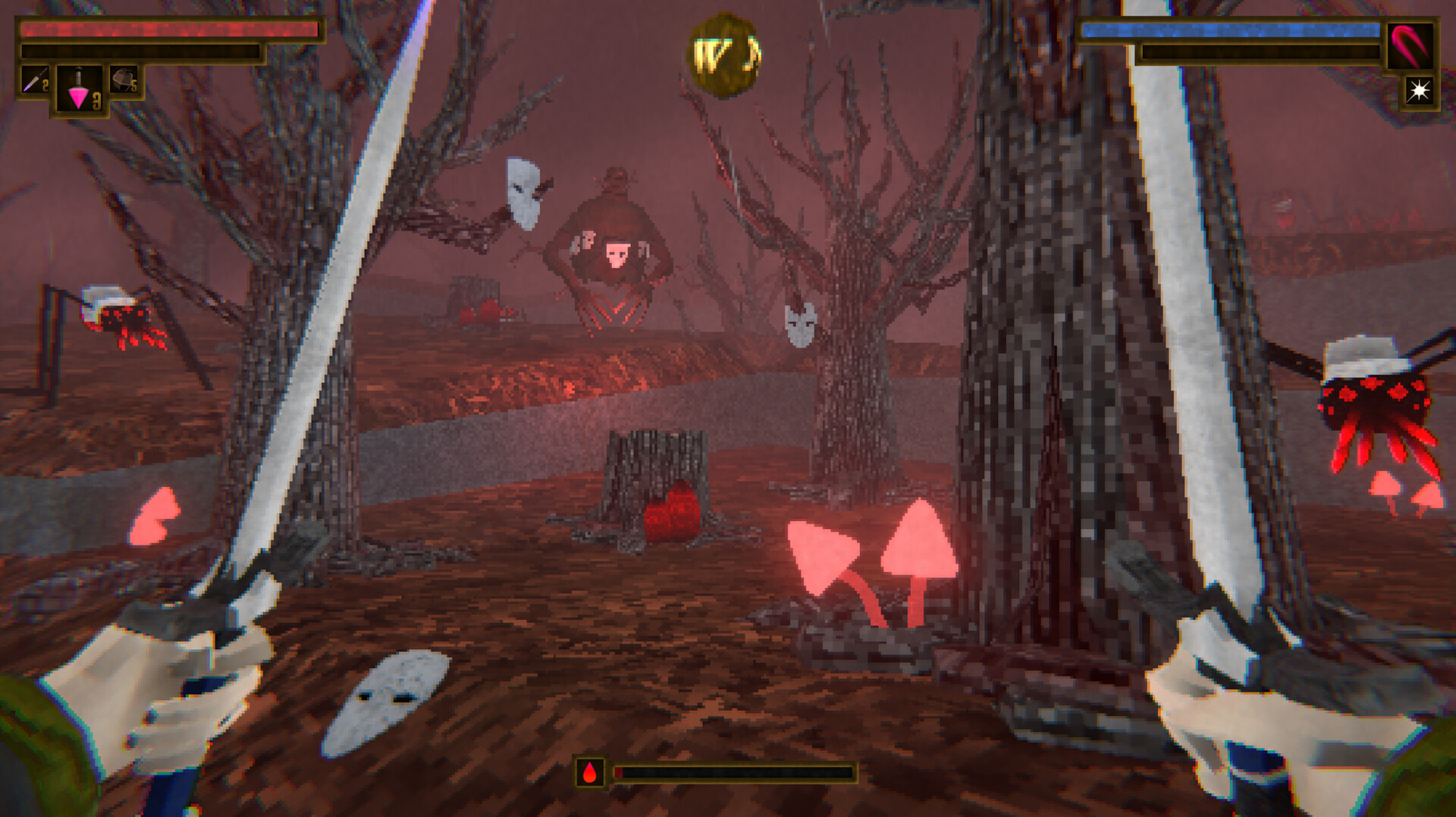
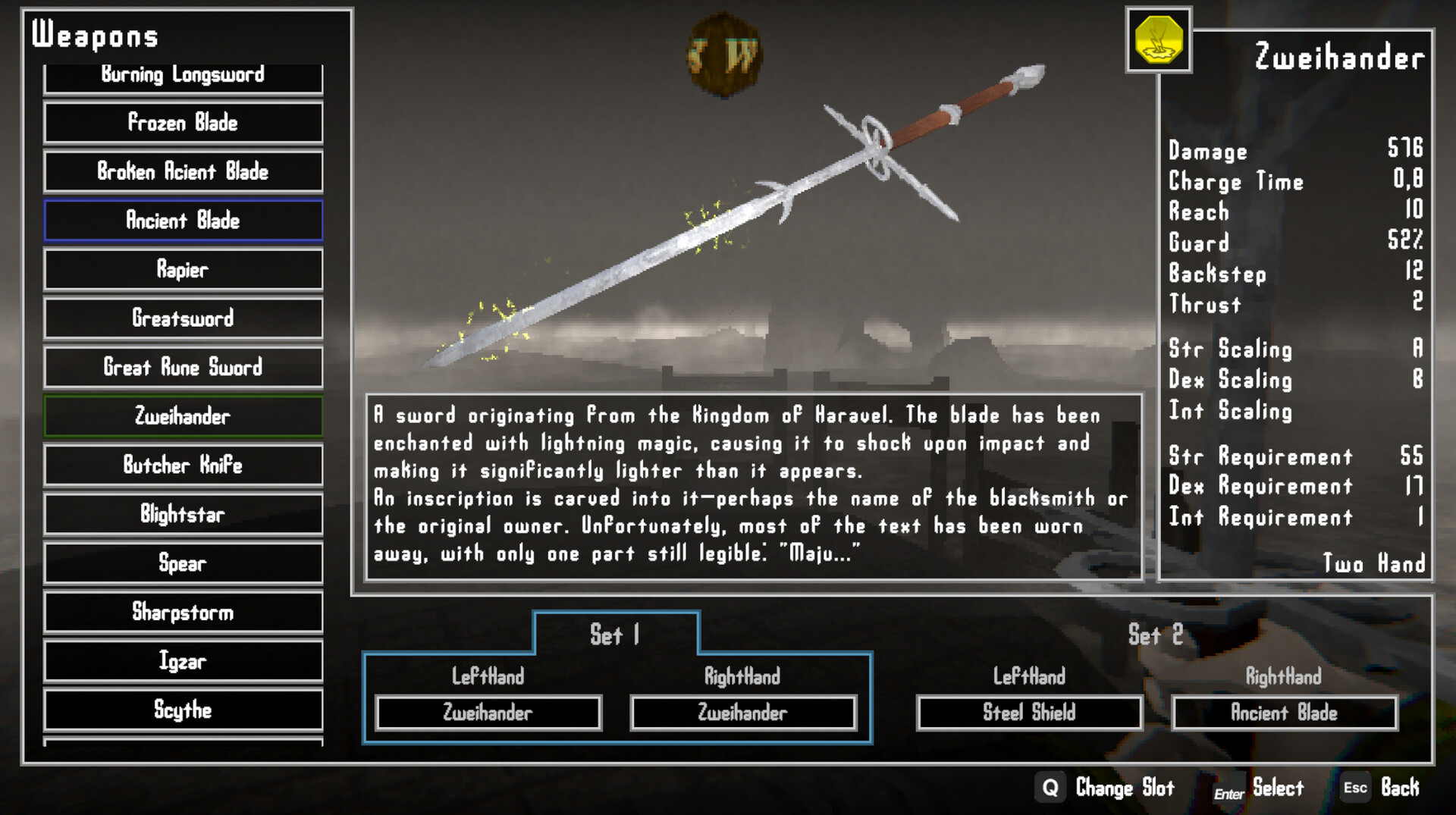
Since we’re already talking about the world, I have to admit that the combat feels deliberately slow and heavy. Every attack requires commitment, positioning matters a lot, and bad timing is punished very quickly. One thing I personally really liked is the ability to time melee swings to land critical hits, which adds a bit of flavor to the otherwise simple sword fighting. There is also a wide selection of weapons, spells, and rings, allowing for different ways to approach encounters, even though armor is completely absent from the game.
That said, combat balance isn’t the game’s strongest point. I understand the developers are constantly adjusting things through updates, but strength-based builds feel clearly weaker than magic or dexterity-focused ones. Many encounters favor quick burst damage instead of longer fights, turning combat into risky exchanges where either you or the enemy can be taken down in seconds. Options for reducing damage are very limited and mostly depend on consumables and a few specific rings. In general, survival often depends more on fast reactions and potion use than on any real defensive strategy.
Like in many action RPGs, regular enemies are a mixed bag, while bosses often feel far more polished and better designed. Most normal enemies do their job well enough in Verho, but some are simply frustrating to fight. Flying and fast enemies, in particular, can turn battles into slow and annoying chores instead of fun challenges. Ghost bats that pass through walls, stone creatures that run away only to attack right after, and large flying enemies that keep firing projectiles while backing off all can frustrate. Enemy attacks also seem to lack proper cooldowns, letting them chain moves too quickly or even cast spells after dying, which feels unfair instead of difficult.
The game’s rough edges are always present, but they are surprisingly charming. Physics bugs, strange collisions, and weird enemy behavior sometimes break immersion, yet they often come across as funny rather than annoying. These moments feel like something straight out of late-90s PC RPGs. One moment you’re fully pulled into a dark, creepy dungeon, and the next you’re laughing at a physics glitch that reminds you of an older era of game design. This roughness, while clearly noticeable, ends up becoming part of the game’s identity.
Voice acting clearly shows the game’s indie roots. Some performances are genuinely good, while others feel awkward, almost like friends recording lines for a tabletop game. Even so, the overall tone works better than expected. Most of the voice acting fits the slow, dreamlike mood of the world, and the voices feel human and intentional, which is far better than using lifeless AI-generated performances.
Where Verho struggles the most is its storytelling. While the idea behind the story is interesting, the way it’s told is disappointing. Dialogue often feels like forced explanation, delivered in long and tiring chunks that slow the game down instead of adding depth. The idea that everyone wears masks is interesting on paper, but the game doesn’t explain it well, making it feel like it exists simply because the story demands it.
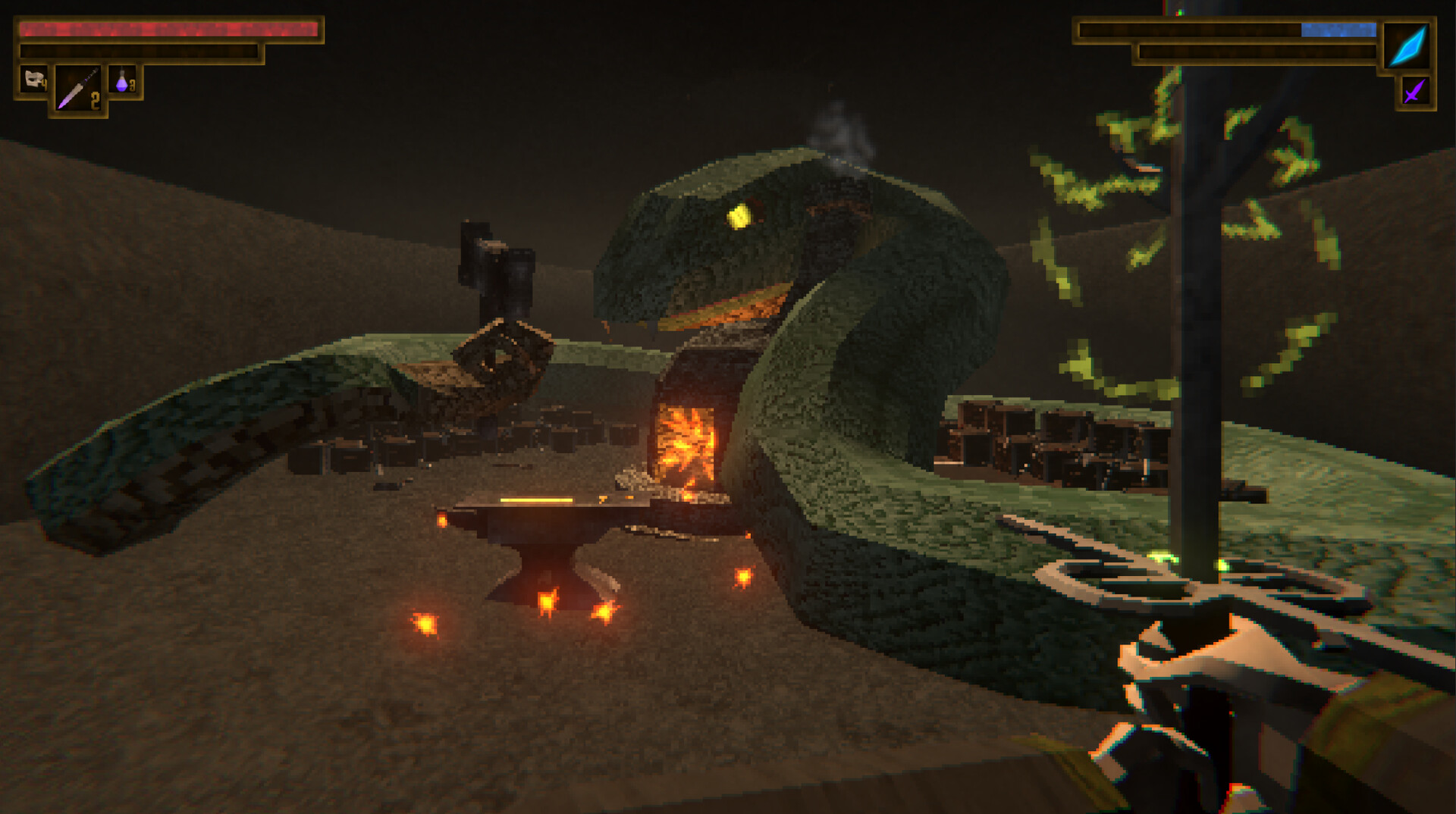
The problems don’t stop there, because the endgame is where the game’s flaws show the most. Without spoiling anything, the final part of the game is made up of several long battles that test patience more than skill. The lack of quicksaves, mixed with enemies that deal huge damage and areas that punish even small mistakes, makes these sections feel tiring. Dying over and over in long stretches, leads to an ending that feels unbalanced and unsatisfying. The difficulty also often feels forced, relying on wearing the player down instead of offering a fair and meaningful challenge.
That said, despite these issues, Verho – Curse of Faces still feels like a complete experience. The game is clearly made with passion and ambition, and it shows a strong understanding of the genre it aims to honor. While it has clear flaws, many of them feel fixable through balance changes and quality-of-life updates that the developers are already working on. Beneath everything is a game that already succeeds in atmosphere, exploration, and a strong sense of identity. I agree with what many players are saying online: it’s rough around the edges, but it’s a real indie gem hidden among many other releases.
In its current state, Verho is a charming but uneven game that won’t fully satisfy everyone who plays it. Still, for fans of King’s Field and similar dungeon crawlers, or for anyone looking to try a different kind of ARPG, it offers exactly what you might expect: a slow, dark, and mysterious journey through a hostile world that rewards patience and curiosity. Even if it doesn’t fully stick the landing, it’s absolutely worth playing.
Review copy provided by the publisher

SECTOR ZERO delivers exactly what it promises on Steam: a one-hour experience filled with inventive puzzles.

Vital Shell is a top-down arena shooter and rougelike that immediately establishes a strong sense of identity.

There is a strong concept, a lovely atmosphere, and flashes of something genuinely special buried under layers of poor usability…

Lanesplit was supposed to be a relaxing yet adrenaline-pumping driving and racing game, a place where you could sit on…

At its core, I Hate This Place blends isometric action with survival mechanics and open-world exploration.

Ambitious and creative indie game that mixes deckbuilding, resource management and exploration into one strange and memorable experience.

Moving Simulator is a niche title that will primarily appeal to those who enjoy methodical, physics-based simulations and logistical challenges.

Kids, stay away. This is not your favourite Disney character Winnie the Pooh. This version is far more grotesque and…
![[PREVIEW] Diviner – Dark Fantasy RPG Worth Digging Into](https://www.indie-games.eu/wp-content/uploads/2026/01/ss_b89ae32bd963134129b6d415f551faee1c131f73.1920x1080-300x169.jpg)
In today’s crowded game market, it’s really hard to discover new games, and many great indie titles sadly get lost…

Escape from Ever After is a must-play for turn-based RPG fans who love games with great character and humor.
![[PREVIEW] Sub-Species – Great Underwater Concept Held Back by a Barebones Demo](https://www.indie-games.eu/wp-content/uploads/2026/01/Sub-Species-300x169.jpg)
Sub-Species is a 2.5D Arcade Action/Adventure, where you control a submarine that rotates 360° in order to battle alien sea…

The combination of emotional investment and defensive gameplay brings something truly unique to the genre.

Blightstone is the kind of game that could make anyone fall in love with the turn-based strategy and roguelike genres.

Hungry Horrors feels less like a work-in-progress and more like a feast that’s already worth sitting down for, even if…

Your main goal is to collect votes from other students so you can win the Carmel Star election.

It’s not perfect, it’s brutal, and it will test your patience, but overall, it delivers a very solid experience.

Not only does it deliver an excellent action RPG gameplay loop, but it’s also incredibly addictive and genuinely fun to…

By focusing more on growing and restoring rather than pure destruction, Air Hares offers a softer take on arcade action.

The Real Face of a VTuber isn’t trying to be Ace Attorney. Instead, it aims to be memorable, and it…
![[PREVIEW] Don’t Stop, Girlypop! – Slay (the enemies)!](https://www.indie-games.eu/wp-content/uploads/2026/01/Dont-Stop-Girlypop-300x169.jpg)
Don't Stop, Girlypop! is a Y2K arena movement shooter with a lot of glamour.
SECTOR ZERO delivers exactly what it promises on Steam: a one-hour experience filled with inventive puzzles.
Vital Shell is a top-down arena shooter and rougelike that immediately establishes a strong sense of identity.
There is a strong concept, a lovely atmosphere, and flashes of something genuinely special buried under layers of poor usability…
Lanesplit was supposed to be a relaxing yet adrenaline-pumping driving and racing game, a place where you could sit on…
At its core, I Hate This Place blends isometric action with survival mechanics and open-world exploration.
Ambitious and creative indie game that mixes deckbuilding, resource management and exploration into one strange and memorable experience.
Moving Simulator is a niche title that will primarily appeal to those who enjoy methodical, physics-based simulations and logistical challenges.
Kids, stay away. This is not your favourite Disney character Winnie the Pooh. This version is far more grotesque and…
In today’s crowded game market, it’s really hard to discover new games, and many great indie titles sadly get lost…
Escape from Ever After is a must-play for turn-based RPG fans who love games with great character and humor.
Sub-Species is a 2.5D Arcade Action/Adventure, where you control a submarine that rotates 360° in order to battle alien sea…
The combination of emotional investment and defensive gameplay brings something truly unique to the genre.
Blightstone is the kind of game that could make anyone fall in love with the turn-based strategy and roguelike genres.
Hungry Horrors feels less like a work-in-progress and more like a feast that’s already worth sitting down for, even if…
Your main goal is to collect votes from other students so you can win the Carmel Star election.
It’s not perfect, it’s brutal, and it will test your patience, but overall, it delivers a very solid experience.
Not only does it deliver an excellent action RPG gameplay loop, but it’s also incredibly addictive and genuinely fun to…
By focusing more on growing and restoring rather than pure destruction, Air Hares offers a softer take on arcade action.
The Real Face of a VTuber isn’t trying to be Ace Attorney. Instead, it aims to be memorable, and it…
Don't Stop, Girlypop! is a Y2K arena movement shooter with a lot of glamour.
