Forsaken Realms: Vahrin’s Call – Imperfect Journey Back to an Older RPG Era
Forsaken Realms: Vahrin’s Call is exactly the kind of ambitious, slightly clumsy fantasy RPG that used to be far more…


If you enjoy independent indie game coverage, consider supporting Indie-Games.eu on Patreon. It helps keep the site independent.
From the moment I immersed myself in Escape from Ever After, I realised that it doesn’t shy away from its inspirations. Paper Mario is an obvious influence, with its extremely beautiful papery-like, detailed worlds and well-crafted characters. It’s a shame the game is releasing after Clair Obscur: Expedition 33, as it features a similar turn-based RPG combat system focused on parries, combos and synergies. As a result, many players are likely to compare the two.
The game also reimagines well-known fairy tales with clever twists, for example, the Three Little Pigs are portrayed as the corrupted ones, while the wolves are peaceful. Similar subversions appear throughout the story. On top of that, it embraces a Disney-like sense of quirky humour and charm, which fits perfectly with the game’s overall vibe.
In this game, you travel through various fairy tales as Flynt Buckler, who is on his way to confront his archenemy Tinder, a large, fire-breathing dragon. However, he soon realises that something is wrong. The once-intimidating castle has been transformed into a soulless collection of offices, filled with former fairy-tale characters who now do nothing but fill out forms. The entire operation has been hostilely taken over by a “real-world” corporation called Ever After Inc., whose goal is to seize fairy-tale books and exploit them for profit. Plus, Tinder has apparently turned into a very small dragon.
In an interesting twist, Flynt ends up teaming up with Tinder and even gets a job at the corporation so they can take revenge and, more importantly, stop the destruction of fairy tales. This is where your journey begins, as you climb the corporate ladder from intern to manager. The premise is catchy and what makes it believable is how alive the world feels through its characters, main quests and side quests.
For example, early in the game, you can throw a birthday party for Pinocchio. You soon also realise that every character in the castle is useful in some way: Brunhild can improve your attacks, you can buy items from Dracula and receive jobs from your boss, a moon with an annoying laugh, who also connects you with other characters. The story isn’t meant to be taken too seriously. It has a childlike tone that keeps things lighthearted and easy to follow.
There is a lot of dialogue to read and many characters to remember, which can occasionally feel overwhelming. However, the game introduces enough creative ideas to keep things from becoming boring. At times, you’ll need to remember important details, or even write them down, to avoid making mistakes. You may also have to memorise locations, since there is no map system. Thankfully, the fast-travel feature makes navigating the world much easier. Overall, the game cleverly pokes fun at modern corporate culture and other modern ideas, such as with robots replacing humans.
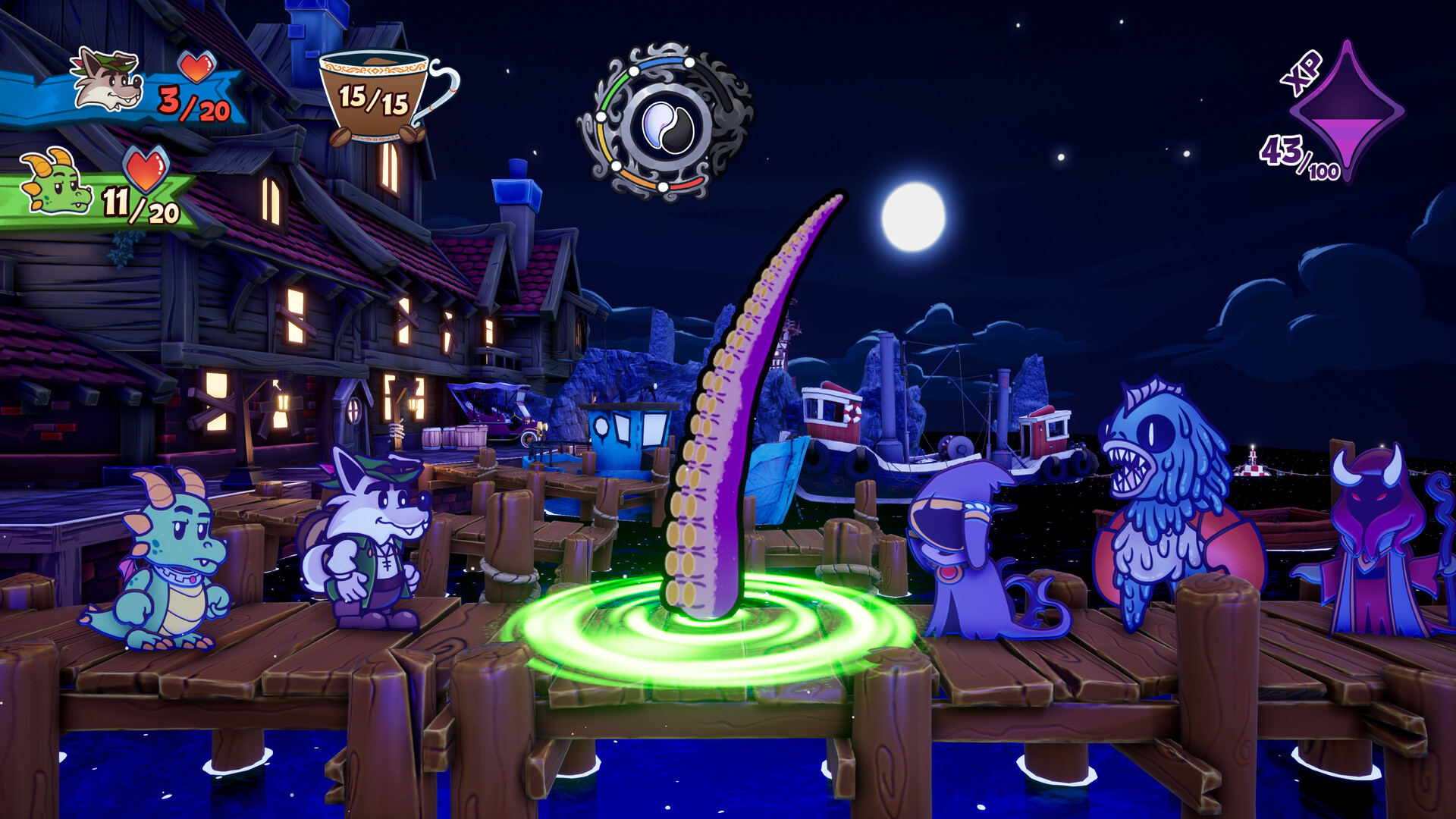
Before turning to combat, it’s important to note that Escape from Ever After is also partly a platformer filled with puzzles. You’ll encounter various obstacles that require precise jumping and clever use of the environment to reach higher areas. Along the way, you’ll solve logical challenges that encourage careful thinking, such as navigating musical tunnels, playing detective in disguise inside a mansion, or using your companions’ abilities, like Tinder’s fire, to open new paths and uncover secrets.
None of these puzzles are overly complex, but they effectively reinforce the idea that exploration is always rewarding. There is almost always something new to discover, whether through hidden areas, optional challenges, or environmental storytelling. When it comes to side quests, most of them are fairly straightforward fetch quests that provide additional content. Typically, you’ll check your work email and see colleagues asking for help with trivial tasks. However, despite their simplicity, these quests are often memorable and entertaining, even if they don’t significantly affect the main story.
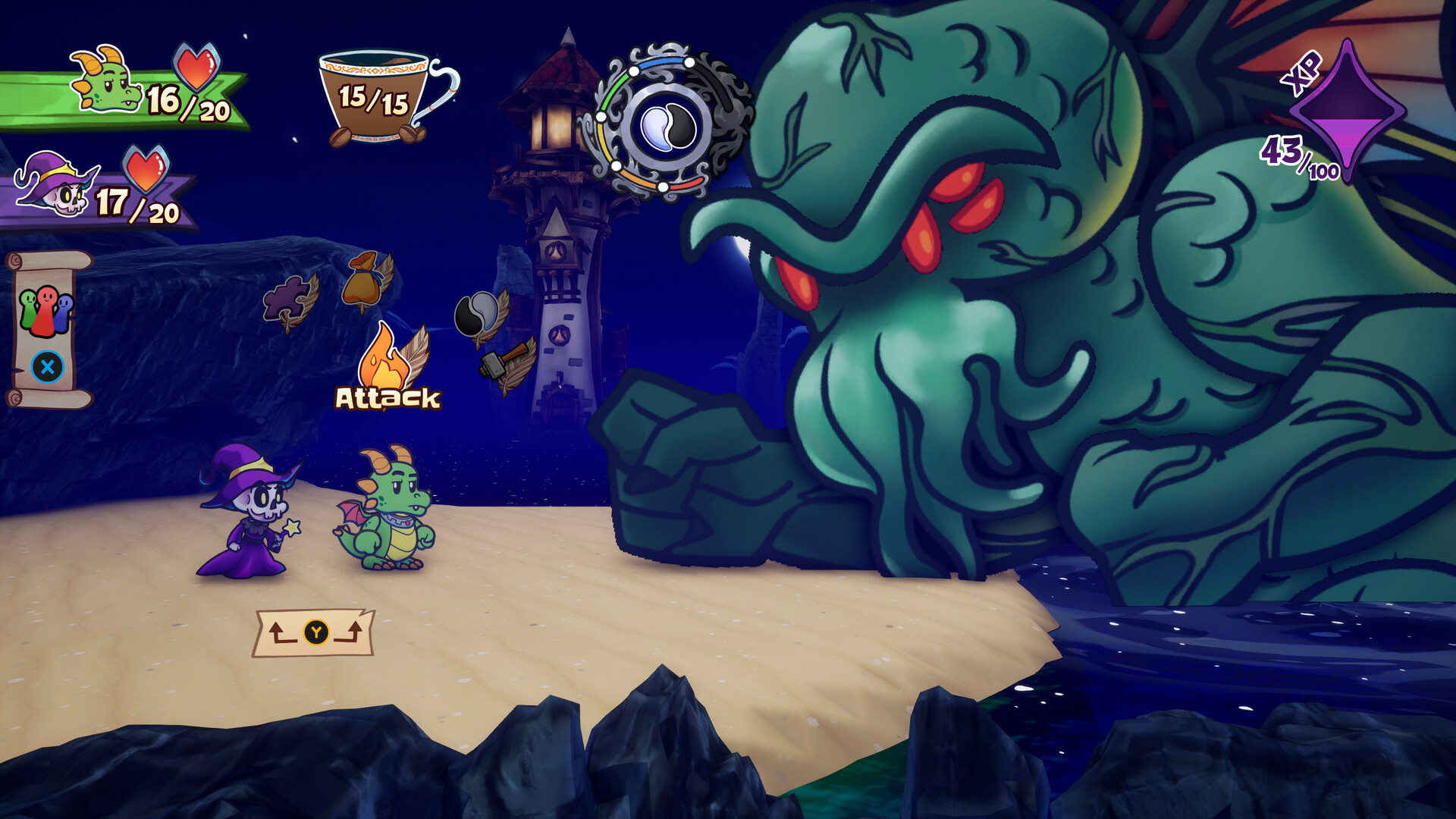
Another important component of Escape from Ever After is its combat system. Throughout the various fairy-tale realms, you’ll face numerous enemies in turn-based battles, where your two-character party confronts a single row of opponents. While you have standard attacks and defensive options, the system quickly expands to include status effects, synergy-based super attacks, resource management and careful timing of your strongest abilities.
To add tension and engagement, combat incorporates small minigames that require precise timing. Successfully landing attacks or parrying enemy strikes depends on your reactions and many abilities feature unique prompts that reward mastery. This makes each player’s strategy feel personal and refined. Although the system is more forgiving than Clair Obscur, it can still be quite demanding.
Parry windows are tight and using abilities effectively is crucial, as enemies often have distinct strengths and weaknesses. For example, enemies carrying iron shields cannot be broken directly, you must attack them from above or use Wolfgang’s musical abilities to push them back. Some enemies can interrupt your attacks entirely, such as unicorn-like enemies that must be disarmed with a shield throw before they charge. These are just a few examples among many creative enemy designs.
As the game progresses, combat ideas continue to evolve, keeping battles engaging rather than repetitive. However, this also makes encounters increasingly challenging. A single mistake can be costly later int he game and as enemies deal more damage, every successful parry becomes essential.
To further deepen combat, Escape from Ever After features an extensive item and equipment system. Food from the company cafeteria can restore health and MP, while numerous collectible trinkets grant special bonuses, such as automatic dodging, poison immunity, or shared healing effects.
This variety becomes especially important over time, as repetition can otherwise set in. Although you can avoid battles by running away, doing so means missing out on experience points and making future encounters more difficult. Leveling up allows you to choose between increasing your HP, boosting your MP for special attacks, or gaining more points to equip trinkets, further reinforcing meaningful progression.
For most of my playthrough, I used a keyboard, and I was surprised by how comfortable the controls felt. Most of the important keys are placed close together, making it easy to play with just one hand if needed. The control scheme isn’t overly complex and while using a keyboard can feel more convenient, the game is well optimised for both keyboard and controller. As a result, either option is easy to recommend. It’s also worth mentioning that there are five playable characters in total and each one brings something unique to the experience, whether in combat, exploration, or puzzle-solving.

Despite its many strengths, the game does suffer from some pacing issues. While not a major flaw, they become noticeable over time. Some fairy-tale realms tend to last a bit too long and just when it feels like you’re approaching the boss fight, the game introduces another segment, slightly overstaying its welcome in certain areas.
Additionally, not everyone will enjoy the parry-focused, in-depth combat system. That said, the game is far more forgiving than many similar titles. You may occasionally find yourself unsure of what to do next, but the solution is usually simple: explore carefully, observe your surroundings and interact with everything. Most importantly, always remember to use your characters’ unique abilities when solving puzzles, as they are often the key to progressing.
In the end, Escape from Ever After is a fun, clever take on old fairy tales. It mixes the cozy, familiar feel of Paper Mario with a funny and smart look at the modern workplace. You play as someone trying to save these stories from a company’s boring bosses. This gives the game a special charm that is both magical and easy to connect with.
Escape from Ever After is a must-play for turn-based RPG fans who love games with great character and humor. Some parts, like the timing-based combat, might take a little getting used to, but the game is so full of heart, creative ideas, and quirky writing that your journey up the corporate ladder is well worth the effort.
Review copy provided by the publisher
Forsaken Realms: Vahrin’s Call is exactly the kind of ambitious, slightly clumsy fantasy RPG that used to be far more…
![[Early Access] 2nd EVE – Sci-Fi Action RPG That Lacks a Sense of Stakes](https://www.indie-games.eu/wp-content/uploads/2026/08/2ND-EVE-1024x576.jpg)
2nd Eve is a space-set action RPG in which we strive to save humanity.
![[PREVIEW] Dreamcards – Strategic Exploration of Consciousness](https://www.indie-games.eu/wp-content/uploads/2026/08/Dreamcards_20260810_233631_0000-1024x576.jpg)
Dreamcards is a roguelike deckbuilder centered around dreams and nightmares.
![[Early Access] OFFBEAT – Incredibly Fun Way to Start a Music Career](https://www.indie-games.eu/wp-content/uploads/2026/08/Offbeat_20260808_201446_0000-1024x576.jpg)
In OFFBEAT, we play the role of a jobbing composer who is launching their music career.
HellSlave II retains the original’s oppressive atmosphere, morally grey world and striking art while adding a larger world, randomized loot…
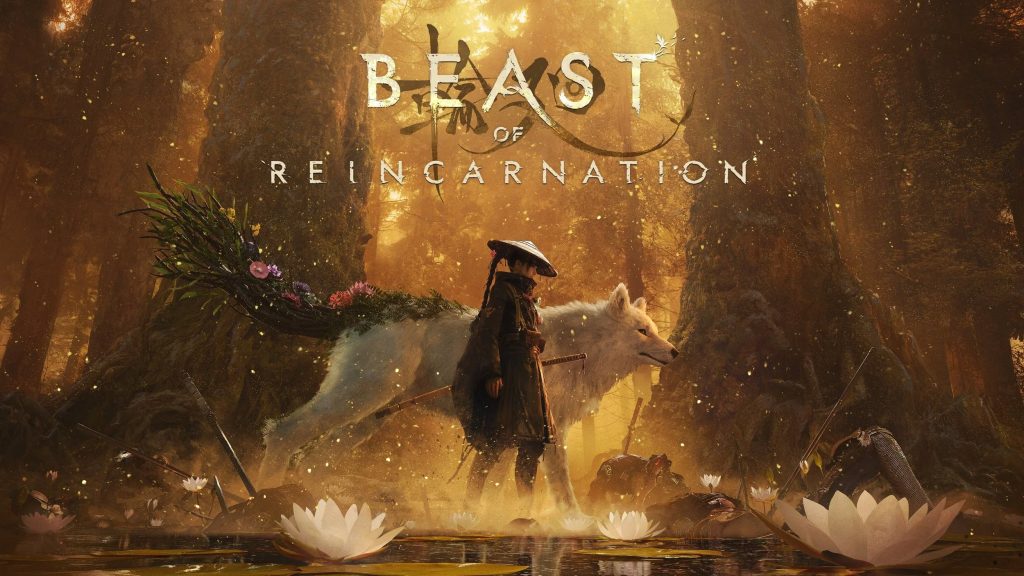
Beast of Reincarnation is an ambitious but uneven action RPG elevated by satisfying parry combat, beautiful art direction and the…

K-pop Idol Stories: Road to Debut captures the pressure of building idol group, but its management systems never explore that…
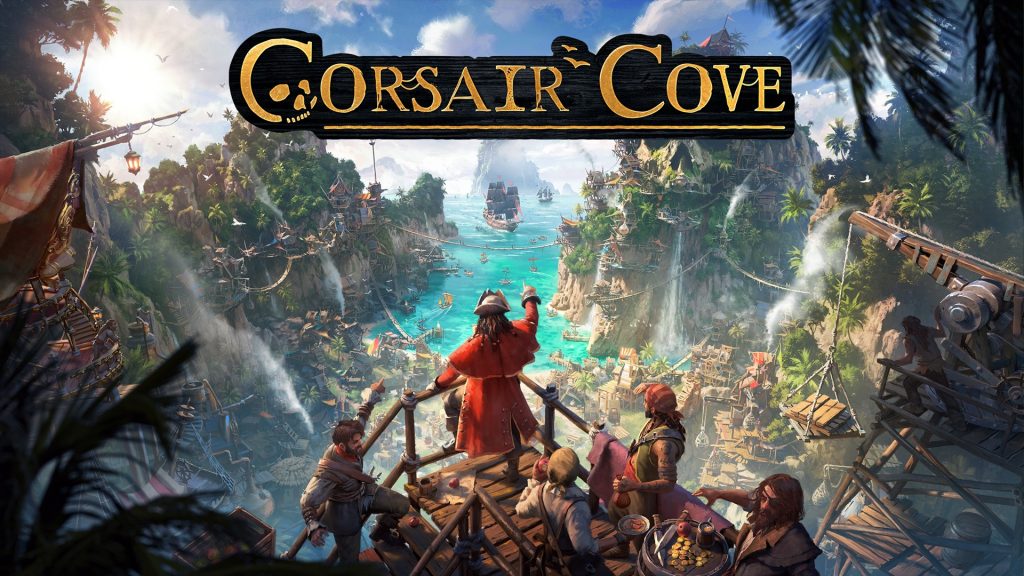
Hooded Horse keeps finding strategy games that know their audience, and Corsair Cove extends its impressive run of excellent city-builders.
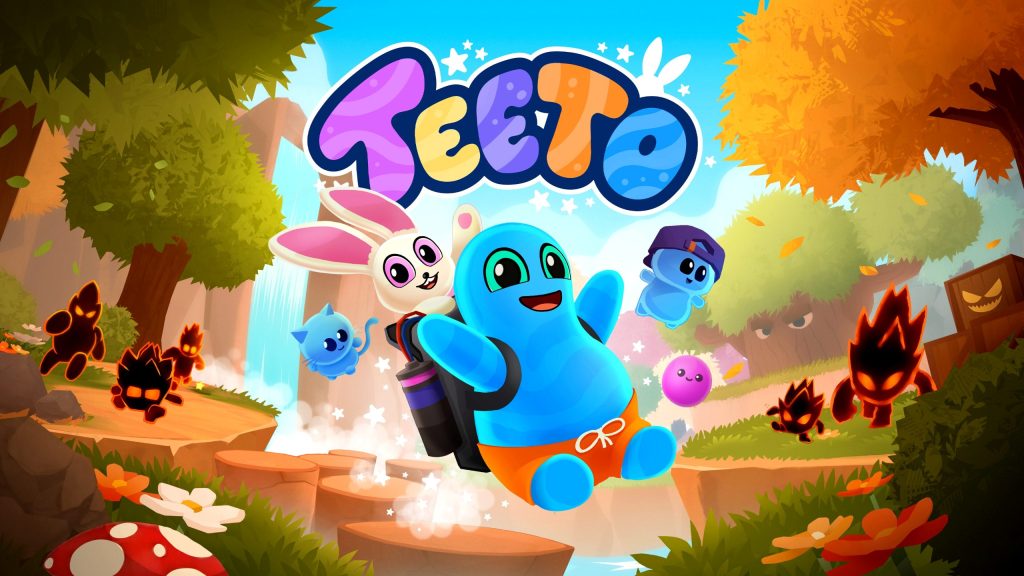
Teeto is a warm, cozy, creative and highly enjoyable 3D platformer that understands why classic collectathons remain so appealing.
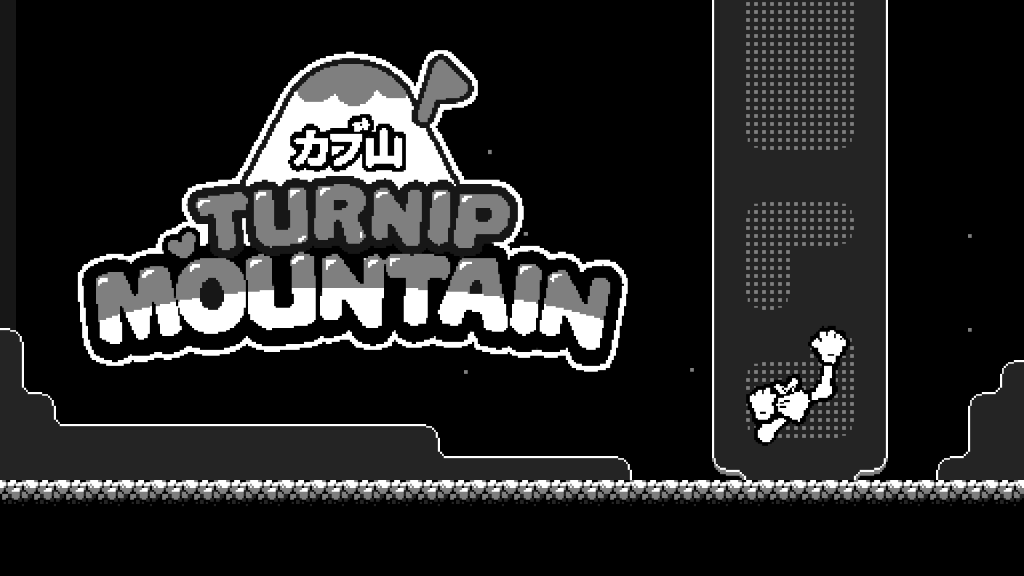
Turnip Mountain stands out for its combination of a unique control system and a minimalist approach.
Dystopicon is an imaginative and memorable narrative experiment with sharp social commentary, engaging world-building and several wonderfully absurd scenarios.
Maneki Mania is an incremental game centered around petting a lucky cat.
XeGrader Plus delivers colorful retro shooting, but basic mechanics, a short campaign and paid retro modes make its €20 price…
It has been roughly two and a half years since Palworld first entered Early Access, and quite a lot has…
![[EARLY ACCESS] The Last Caretaker – Survival Game I Cannot Stop Playing](https://www.indie-games.eu/wp-content/uploads/2026/07/The-last-Caretaker-Key-Art-1024x587.jpg)
The Last Caretaker is a compelling survival crafter with a flooded world and mobile base, but weak combat and performance…

Advent: Dawn is an intriguing science-fiction visual novel elevated by a likable cast and one of the most convenient flowchart…
![[EARLY ACCESS] Hell Maiden – Beautiful but Uneven Journey Through Hell](https://www.indie-games.eu/wp-content/uploads/2025/06/HMD_screenshot_019-1024x576.jpg)
Bullet heaven and rougelite game Hell Maiden lands between a polished Early Access release and a promising game that still…
![[PREVIEW] Dark Queen of Samobor – Promising Croatian Adventure Still in Need of Polish](https://www.indie-games.eu/wp-content/uploads/2026/07/Dark-Queen-of-Samobor-1024x587.jpg)
Dark Queen of Samobor is a promising 2.5D side-scrolling action-adventure that combines Croatian folklore with combat, puzzles and cinematic platforming.
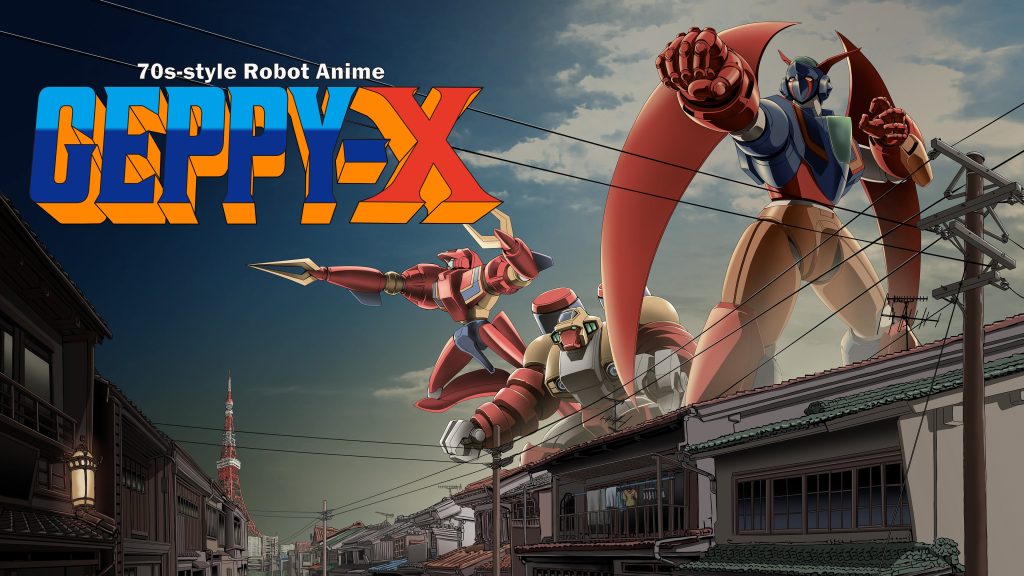
70s-style Robot Anime Geppy-X offers incredible animation, music and mecha nostalgia, but its average shooting make the €39 price difficult…

Denshattack! blends Tony Hawk, Jet Set Radio, and Japanese train culture into one of the year's most creative and unforgettable…
