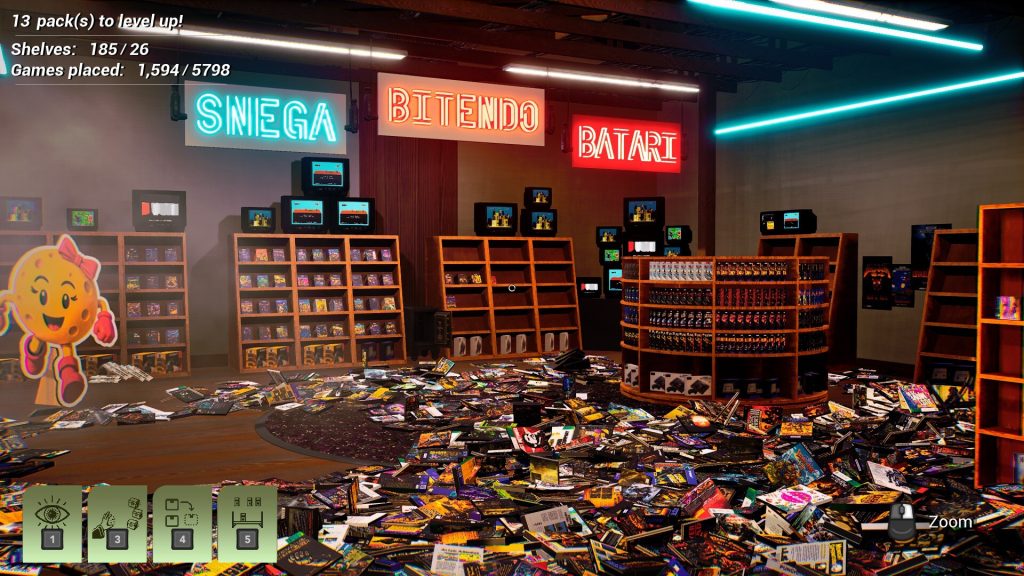
A Cat Scattered 5,798 Games Across This Cozy Supermarket Simulator
MY CAT SCATTERED GAMES asks players to organize 5,798 games and consoles before rescuing a cat trapped inside a claw…

![[OPINION] Why AAA Games Hit Deep Discounts Weeks After Launch?](https://www.indie-games.eu/wp-content/uploads/2025/11/Call-of-Duty-Black-Ops-7.jpg)
If you enjoy independent indie game coverage, consider supporting Indie-Games.eu on Patreon. It helps keep the site independent.
In today’s competitive gaming market, the way big companies price their games is becoming a serious problem. Large AAA games from studios like Obsidian or Ubisoft still launch at a high 70 dollars price, but many of them start to struggle almost right away. Publishers often panic and drop the price by 20% to 50% only weeks or months after release. This fast price drop is very different from what indie developers do, who usually build trust by launching at lower prices with small, planned discounts.
AAA games were once seen as premium products, but now they often lose value quickly. Big publishers rely on heavy marketing before launch, but if reviews are bad or early sales are weak, they quickly cut prices to get more attention on stores like Steam. This trend became stronger after several big failures in 2024 and 2025.
A good example is The Outer Worlds 2, a highly expected sci-fi RPG from Obsidian. It launched on October 29, 2025 for 69.99 $, but its peak on Steam was only 18,251 players four days later. With a budget likely over 100 million dollars, this was far below expectations. Just one month later, the game received a 20% discount, showing clear sales trouble.
This desperation is reflected across the industry:
| Game | Release Date | All-Time Peak CCU (Steam) | First Major Discount | Notes |
| The Outer Worlds 2 | Oct 29, 2025 | 18,251 | 20% off (Nov 30, 2025) | Sequel flop; 1-month slash. |
| Star Wars Outlaws | Aug 30, 2024 | 3,397 | 40-50% off within 6 weeks | Ubisoft open-world; low peak. |
| Suicide Squad: Kill the Justice League | Feb 2, 2024 | 13,459 | 50%+ off by April 2024 | Live-service disaster; immediate shutdown plans. |
| Concord | Aug 23, 2024 | 697 | Delisted after 2 weeks | Sony hero shooter; immediate shutdown. |
| Dragon Age: The Veilguard | Nov 1, 2024 | 89,418 | 45% off after 2 months | Sales dipped post-launch. |
These numbers are tiny compared to real hits like Black Myth: Wukong (2.4 million CCU) or even indies like Palworld (over 2 million CCU). With average AAA budgets around 200 million dollars, most studios need 5–10 million full-price sales just to break even, so early failures can be financially crushing.
Several major issues are causing the rapid price drops of big-budget games: Budgets keep climbing, with some Call of Duty entries costing 450–700 million dollars. This pressure leads to crunch, cut content, and buggy releases like early Cyberpunk 2077. Many AAA games try to copy Fortnite’s success, even when fans don’t want multiplayer or live-service features. Games like Concord and Suicide Squad failed because they didn’t match what players expected.
Over 10,000 games launch on Steam every year. AAA games no longer dominate attention, and many indies offer better value. When sales are bad, publishers discount quickly to trigger Steam wishlist notifications and climb the charts. But this also tells players: “Don’t buy at full price; it’ll be cheaper soon.”
Indie developers use a different strategy focused on honesty and long-term success. With prices usually between 10 $ and 30 $, indies often launch with a 10–20% discount on day one. This approach works because:

What about Nintendo Switch 2 and its games? Six months after the Nintendo Switch 2 launched on June 5, 2025 Nintendo is still refusing to lower the price of the console or its major exclusive games. Even though the system costs 449.99 $, a 50% increase over the original Switch, and some exclusives like Mario Kart World launched at 80 $, the strategy has worked out well for the company.
This strategy shows that premium prices can work when the content is “high quality and exclusive”. While other publishers rely on deep discounts to boost sales, Nintendo depends on a loyal audience that is happy to pay full price for Nintendo games.
But even with these strong results, it’s also true that many players feel frustrated. Nintendo has built a reputation for being very anti-consumer, and the higher prices have made many fans unhappy with the company lately.
The constant cycle of 70 or 80 $ at launch and then 40 $ weeks later has damaged trust in AAA games. Most players now know that paying full price early is often pointless. As AAA budgets keep growing and more big games fail, early price cuts will only become more common. Indie games, which offer fair prices from the start, will continue to look like the better choice. Players who want AAA games should save money by wishlisting and waiting for discounts, while enjoying the fair and honest pricing that indies already offer.
MY CAT SCATTERED GAMES asks players to organize 5,798 games and consoles before rescuing a cat trapped inside a claw…
Retro corridor shooter Cop Bastard has partnered with Retrovibe for an October release, accompanied by a faster and more polished…
Keep Driving launches on Switch, PS5 and Xbox Series X|S on September 28 as its PC edition receives official Steam…
Gungrave G.O.R.E: Blood Heat shows its rebuilt combat, including parries, close-range attacks and faster 360-degree movement.
Sugar Lies follows a young man who hates dishonesty and a girl living behind a perfect persona when it launches…
Deified leaves Steam Early Access on September 21 with its narrative ending, final boss floor, balance improvements and hidden content.
Triple-i Initiative returns October 8 with 40 games, eight world premieres and 45 minutes of trailers, release dates and reveals.
Woodo launches September 16, inviting players to rebuild childhood memories through cozy, handcrafted wooden dioramas.
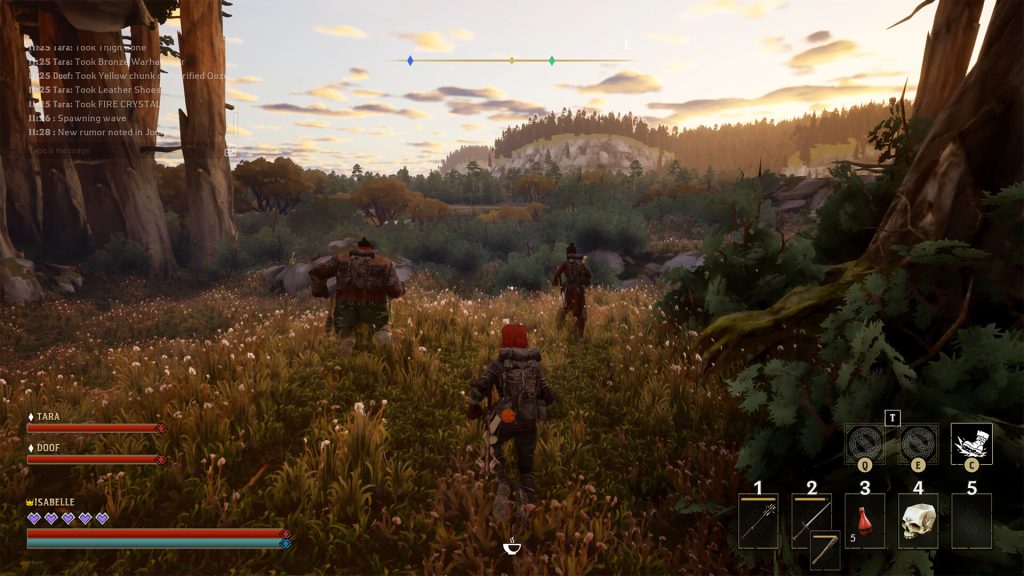
Curve Games signs Wyldheart in one of its biggest recent investments after the co-op RPG surpasses 375,000 Steam wishlists.
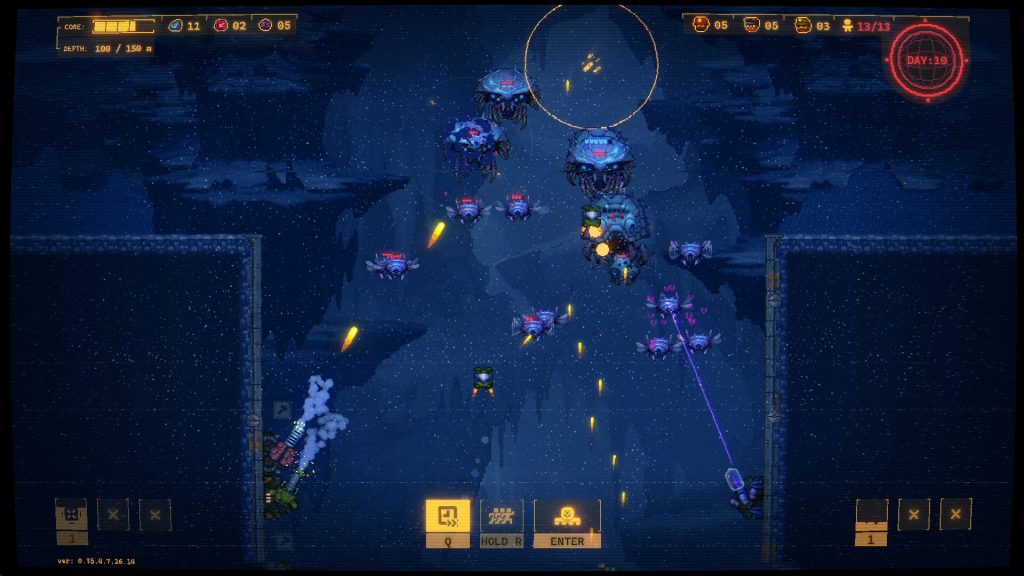
Drill Core’s free Anniversary Update adds Relaxed Mode, new bounties, specialists, platform skins and several quality-of-life improvements.
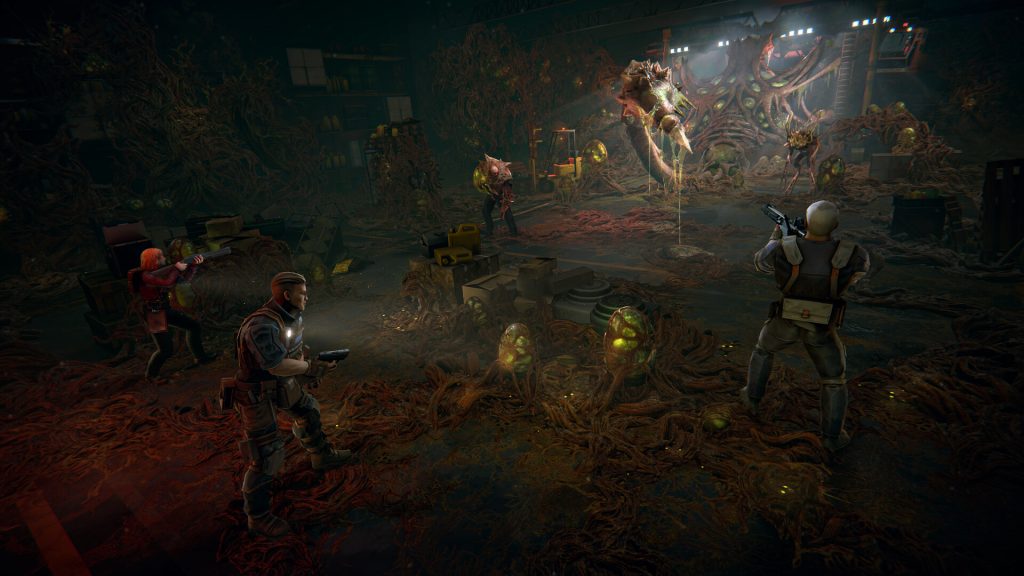
Critical Shift’s free two-hour demo combines real-time exploration with tactical combat inside a compromised Antarctic facility.
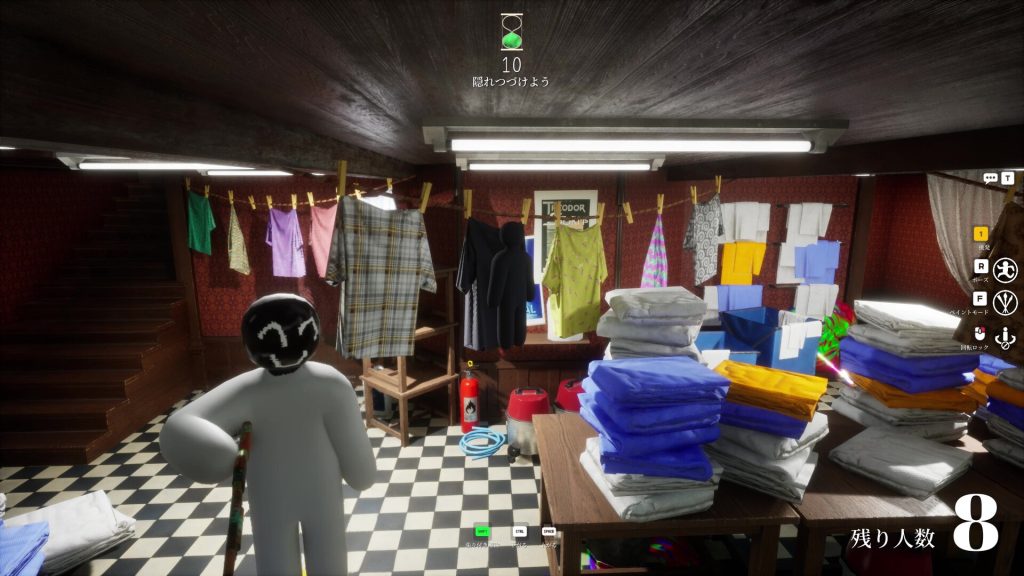
Meccha Chameleon brings its paint-based multiplayer hide-and-seek matches to Nintendo Switch 2 with a temporary $4.79 launch price.
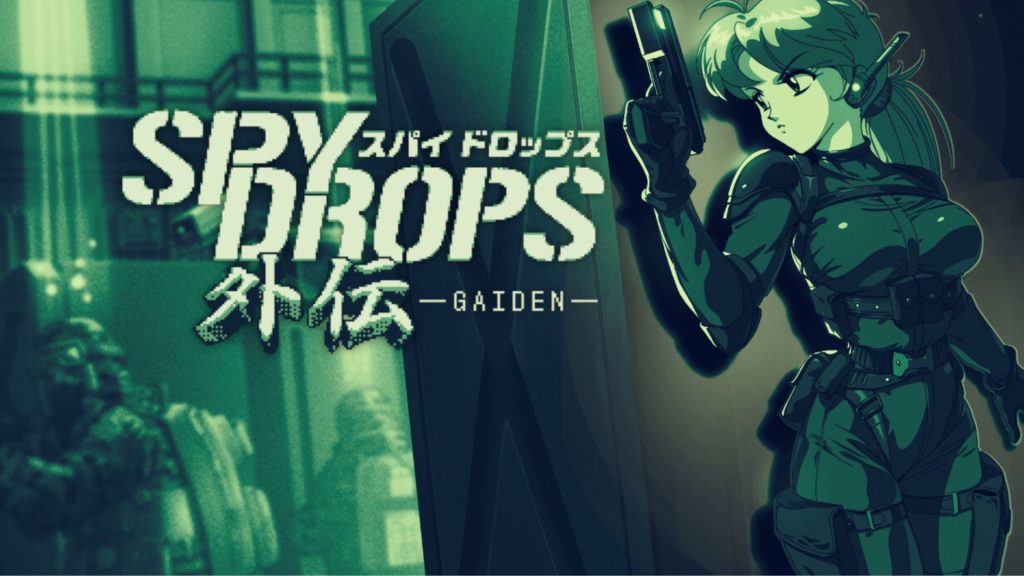
Spy Drops Gaiden brings Game Boy-style stealth, eight covert missions and intel extraction to Steam on October 12 for €4.99.
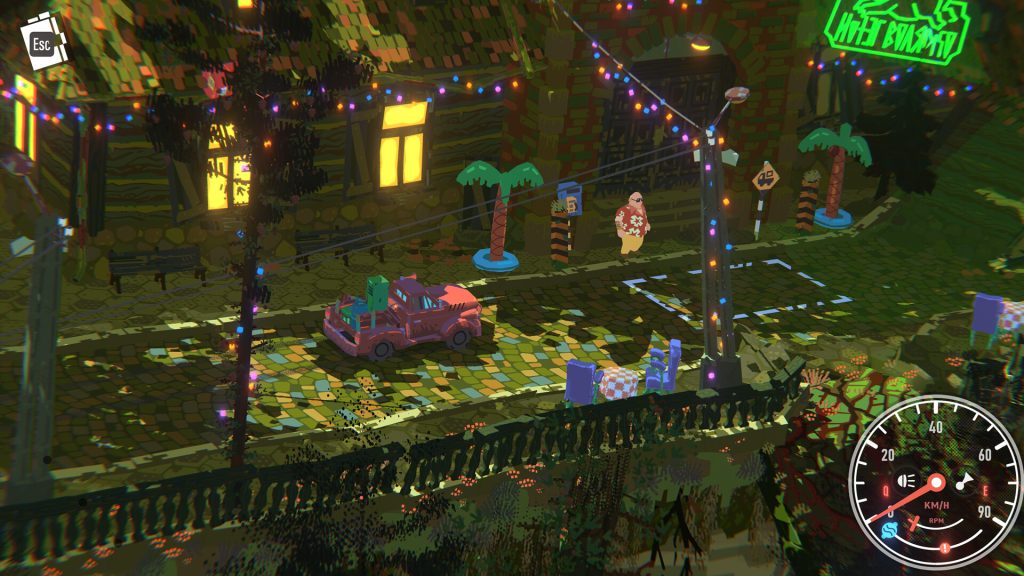
Truckful launches October 9 on Steam and Android, combining physics-based deliveries with vehicle upgrades and a mystery inside an ancient…
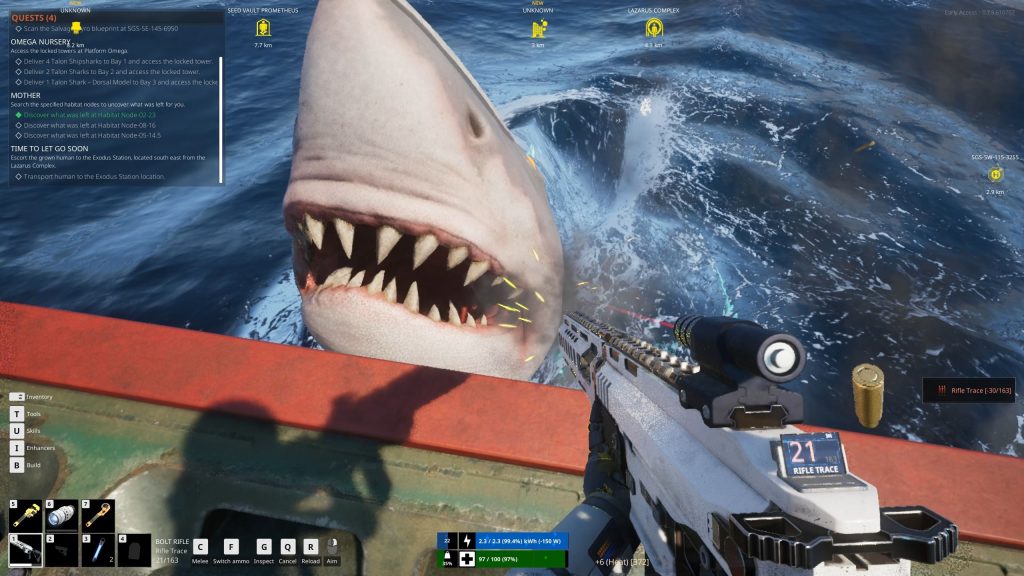
The Last Caretaker reaches version 1.0 in spring 2027 and joins Xbox Game Pass on day one after selling over…
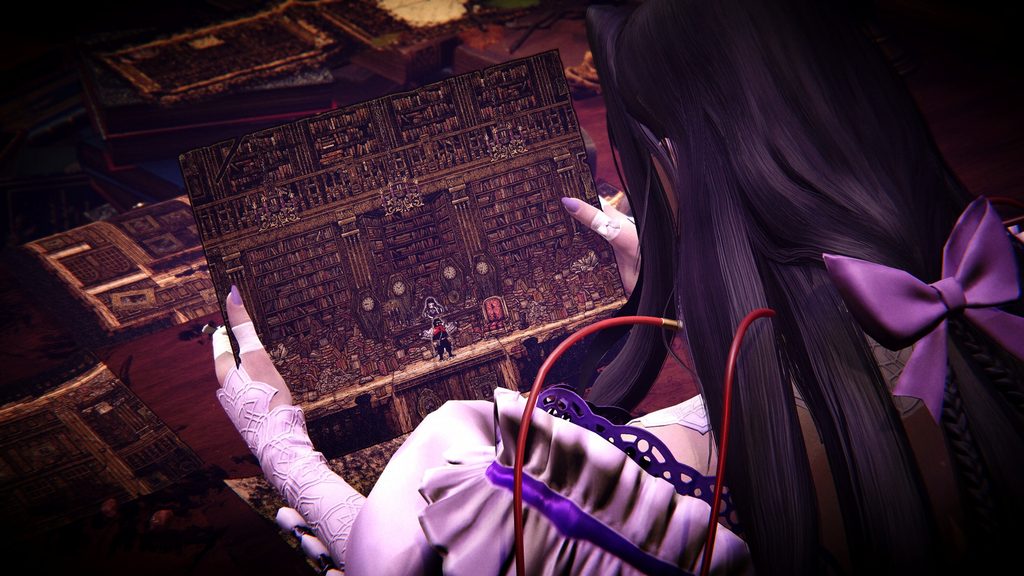
Chronoscript: The Endless End moves to early summer 2027 as DeskWorks! improves combat responsiveness, menus and visual readability.
HEIMA is a parallel-world puzzle adventure from former Terra Battle developers, coming to PC in 2028 with SHIFT and HOLD…
Duck Fest combines deck building and 1v1 battles with collectible cards that players can trade through the Steam Community Market.
Tactful Tactics is a 1–6-player cooperative RPG where everyone plans and executes their actions simultaneously.
SakuSaku Witch is a retro-inspired 2D platformer about magic, bunny monsters and a suspicious toy company, coming to Steam in…
