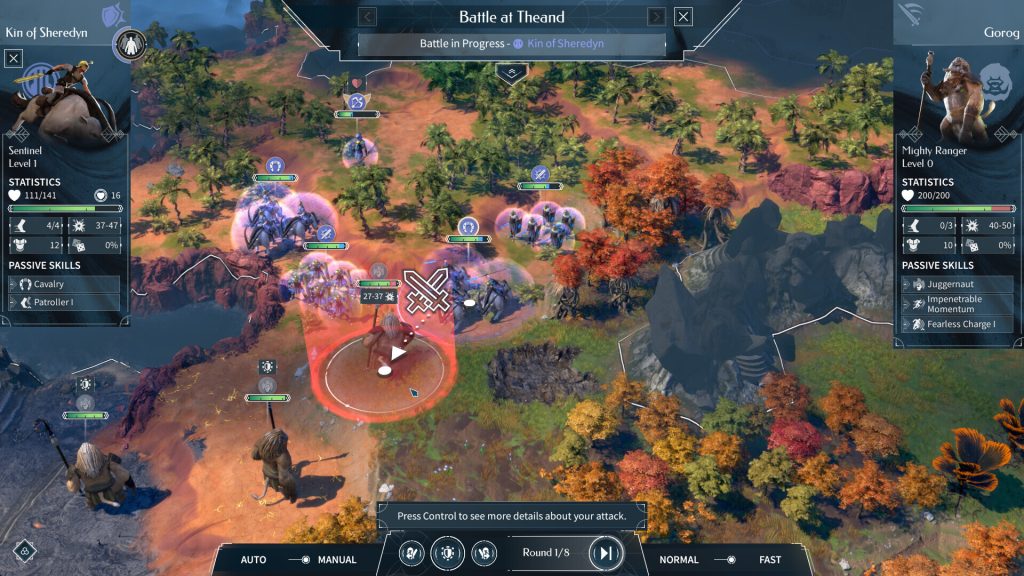
Endless Legend 2 Leaves Early Access in September, Adds Console Versions
Endless Legend 2 leaves Early Access in September as version 1.0 rolls out, bringing console versions to PlayStation 5 and…


If you enjoy independent indie game coverage, consider supporting Indie-Games.eu on Patreon. It helps keep the site independent.
If you decide to type “Pokémon survival game” into the Google search engine, you’ll encounter a game called Palworld, which recently sold five million copies and was simultaneously played by 1.3 million people. Many claim this game resembles Pokémon, besides allowing you to catch various creatures and advance through levels, it also features a very similar look to the Pokémon themselves, or copies of them, while simultaneously sharing similarities with Ark, where guns, survival through resource gathering, and base upgrades are all present.
Some even go so far as to compare it to Zelda and Valheim. However, it’s a bit sad that Palworld is receiving criticism primarily for its resemblance to Pokémon, while, for example, the actual gameplay itself is not being commented on, which is precisely what the biggest discussions should be about. It’s as if it’s the only game in the world that resembles the hit from Nintendo, Game Freak, and Creatures. As if no one has ever heard of Cassette Beasts, Coromon, Temtem, Nexomon, and other similar games.
Two years ago, The Pokémon Company decided to sue six Chinese mobile game companies for copyright infringement and unfair competition. The game in question was the mobile title Pocket Monster Reissue (Koudaiyaoguai Fuke in Chinese), which was alleged to be a Pokémon clone. This was essentially true, as a large number of mobile games brazenly copy Pokémon, and it often flies under the radar. Could this happen to Palworld? Very likely not. However, on the other hand, Pocketpair, the studio that developed Palworld, is also not ethically “clean” because there are suspicions that it uses generative AI in its games.
Basically, generative AI can “learn” the structure and patterns from a data set and then independently generate new examples that are similar to what it has learned. For example, a Pal (that’s what your companions are called in Palworld) named Anubis is quite similar to Lucario from Pokémon. This is very likely because the AI took similarities, added some basic characteristics of Anubis as a god from Egyptian mythology, mixed them, and created the aforementioned Pal.
Before creating Palworld, Pocketpair launched Craftopia, an open-world survival game that was released in Early Access but never left it. The reasons for that decision are unknown, but the company clearly decided to shift its focus to a new project. Many actually point out similarities between that game and Palworld: the same combat, the same survival mechanics, the same automation, the same dungeon system, the same building system, etc.
Furthermore, the president and CEO of the PocketPair studio, Takuro Mizobe, is also a person heavily involved in the Crypto/Web3/NFT technology sphere and is an open advocate for the creation of AI-generated content.

However, I haven’t yet seen concrete proof to validate such claims. I completely understand the reasons for the accusations, considering how unoriginal everything looks. It seems as if they hand-picked certain Pokémon and only slightly altered the design, while other models for items and structures look like generic assets you could find in the Unreal store. Regardless, I can’t ignore the fact that this game raises many red flags suggesting that something suspicious might be happening behind the scenes. It’s particularly strange that there is a lack of any concept art or developer blog, which you can often find online for other projects.
It is precisely because of this that a huge drama erupted online, where players were literally searching for similarities in tiny details between Pokémon and Pals, making this a trending topic on social media for several days (and it’s still ongoing). Nevertheless, we should look at this situation from another perspective. This actually benefits Palworld quite well, as the game is constantly being discussed and talked about. It’s inevitable that the similarities will be commented on, and perhaps the most interesting situation is that Pocketpair is also from Japan and is essentially basking in the glory right under Nintendo’s nose.
What certainly attracted everyone is the fact that you can use guns, literally butcher Pals, explore a huge open world, and play in cooperative multiplayer. Additionally, there are survival elements, and the game doesn’t demand an enormous grind to get through a certain part of the game. However, all of this is superficial within the game, it is, after all, an Early Access title, and the main reason everyone is playing it is simple: If everyone else is playing it, why shouldn’t I? Everyone is eager to experience what created the hype, or as the famous journalist Douglas Murray would call it – mass insanity.
I believe that Palworld will be a flash in the pan, meaning its impact will be short-lived. I honestly think it will trigger a mass trend of games within the gaming industry that focus on taming and catching monsters in an open world, similar to how Minecraft popularized environmental destruction or how Stardew Valley spurred interest in farming.
Perhaps most developers will see an opportunity in the fact that the creature-collecting genre sells quite well. Part of me hopes that the future of the industry will not be marked by a lack of effort and generated, plagiarized games. The industry is already experiencing a phase where developers are comfortable reproducing the same game four times with minimal or no improvements.
Similar to Temtem, a large part of the excitement and success stems from spite. Pokémon fans, frustrated with the state of their own franchise, are exploring options that offer a similar experience or trying to encourage competitors to offer something innovative, hoping that Game Freak and The Pokémon Company will finally open their eyes. When was the last time we saw a Pokémon game that featured survival elements?
You can buy Palworld for only 26 €, you have freedom in your character creation, there are no microtransactions for any optional in-game purchases, and it’s possible it will provide more content than some AAA games. Therefore, I leave one open question at the end: Is Palworld truly just a quick profit, or will it genuinely evolve into something unique over a certain period of time?
Endless Legend 2 leaves Early Access in September as version 1.0 rolls out, bringing console versions to PlayStation 5 and…
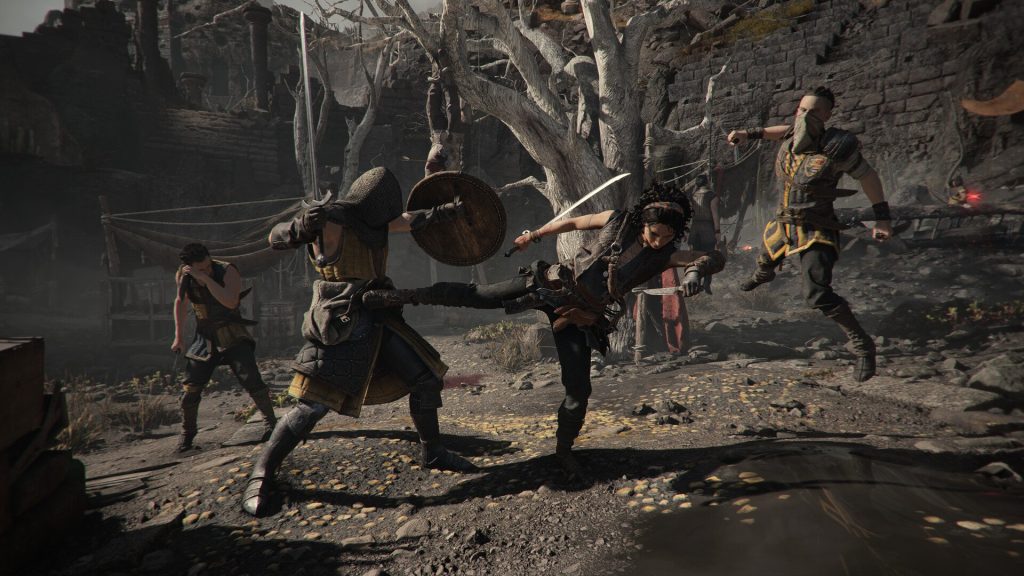
A new Resonance: A Plague Tale Legacy featurette shows how Sophia can use light to navigate dangerous environments and overcome…
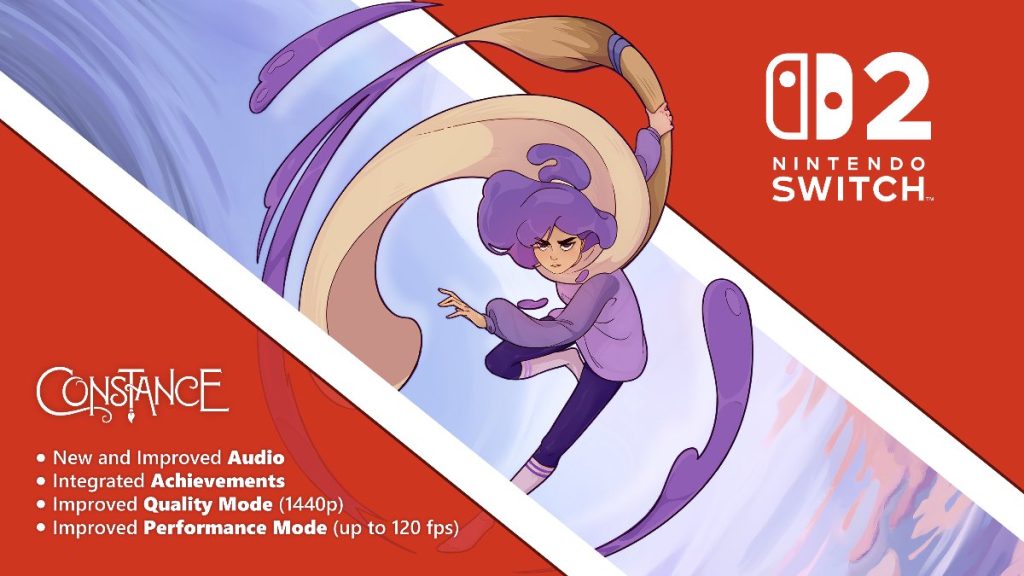
The nonlinear world contains six biomes, each representing a different part of the protagonist’s psyche and history.
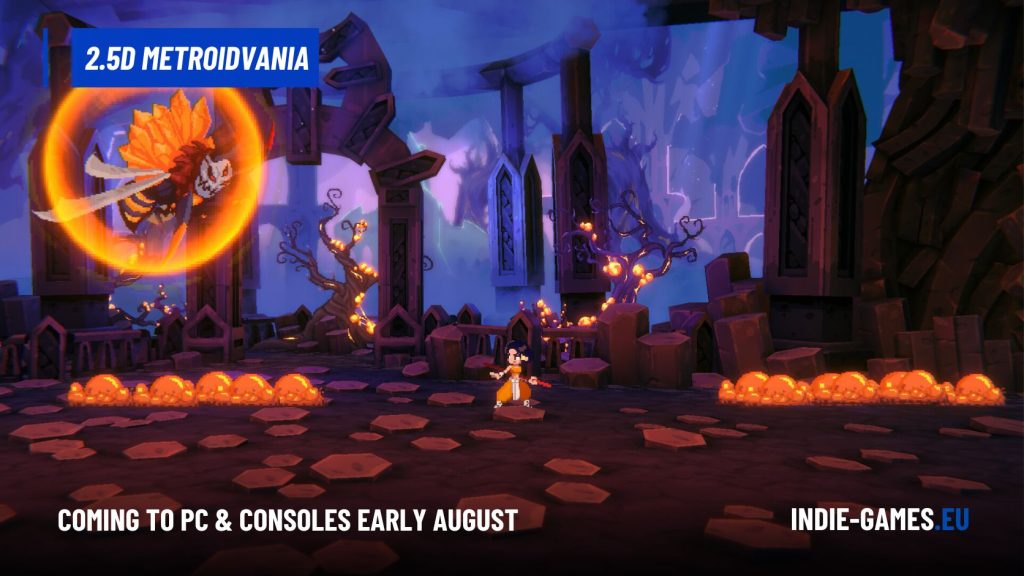
Akatori launches early August on PC and PlayStation and Xbox, featuring 2.5D Metroidvania action, parkour and staff-based combat.
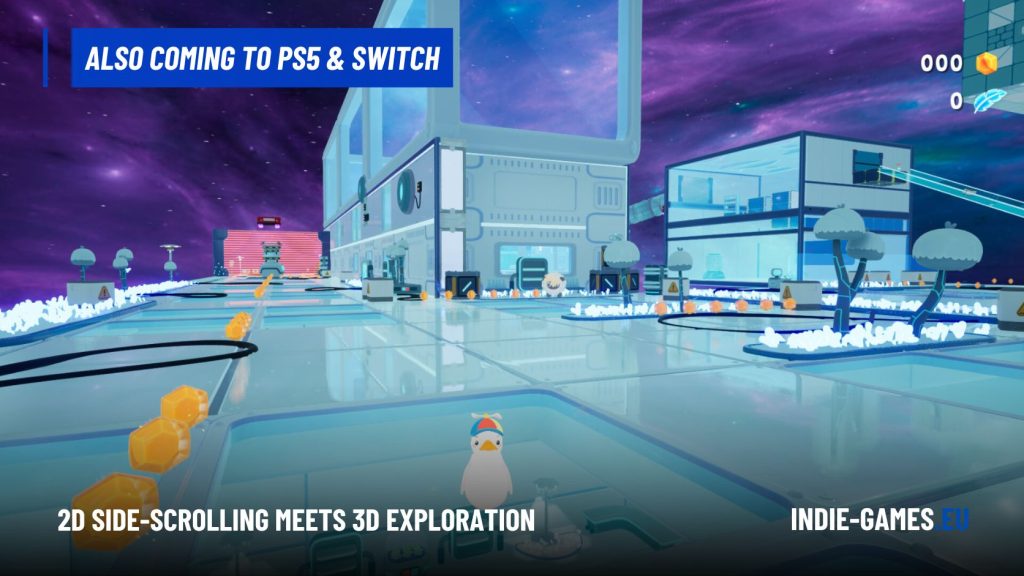
Dodo Duckie! launches on PC and Xbox today, with PS5 and Switch versions arriving later in 2026, featuring unique 2D…
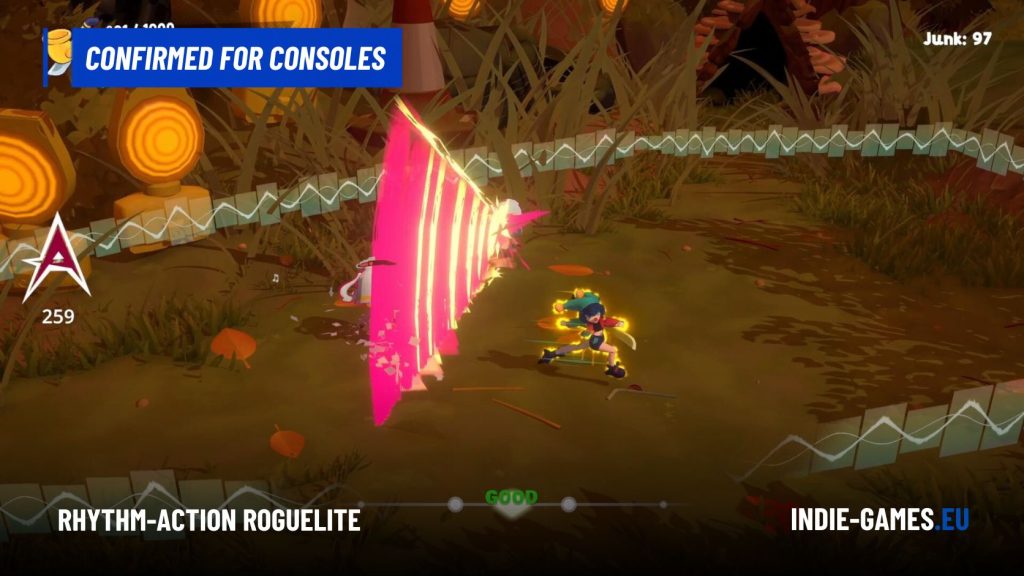
Alpha Nomos launches on PlayStation 5, Xbox Series and PC in 2026, featuring rhythm-based roguelite combat, live-recorded weapons and a…
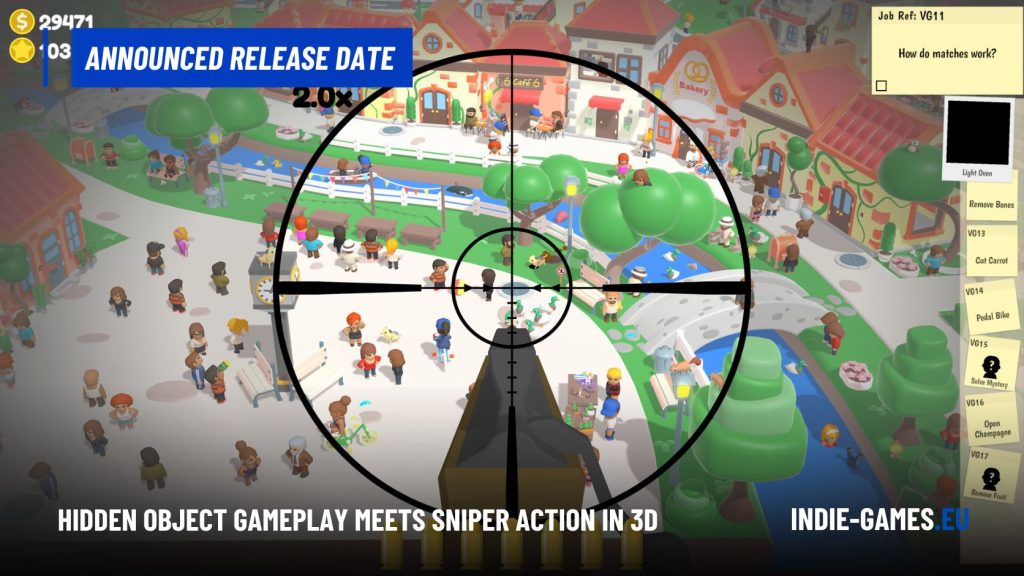
Sniper Dan launches in September for PlayStation 5, Xbox, Switch and PC, blending hidden object gameplay, puzzles and family-friendly sniper…
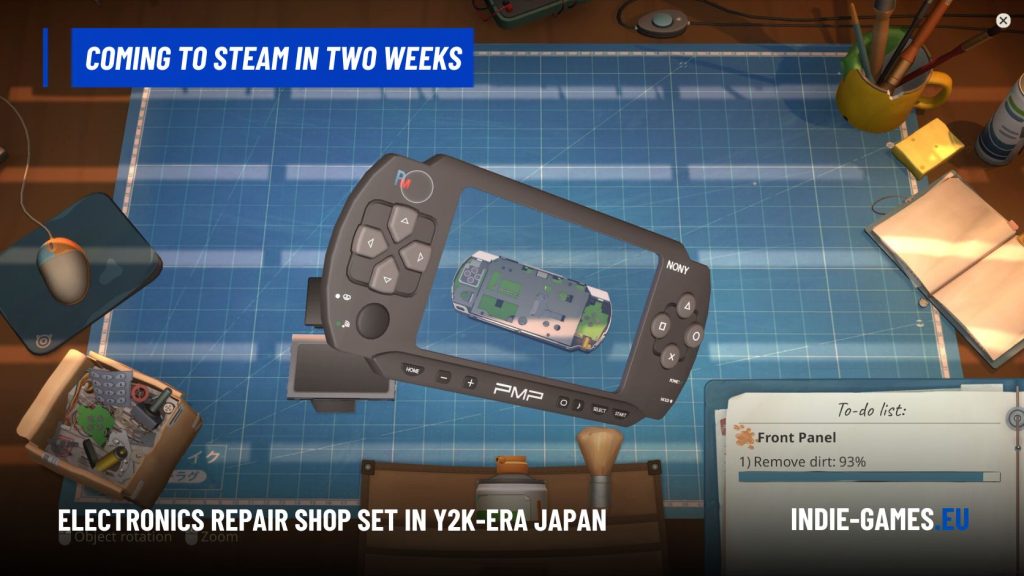
In ReStory, you will repair a wide range of early-2000s technology, including mobile phones, handheld gaming systems, digital pets, music…
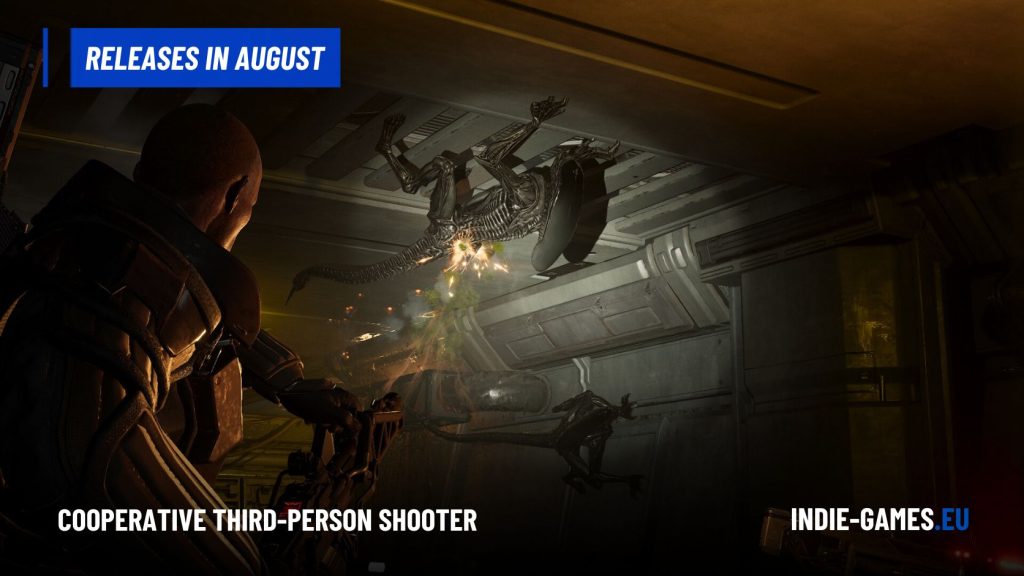
Aliens: Fireteam Elite 2 expands its fireteams to four players, who take control of Colonial Marines deployed across hostile locations…
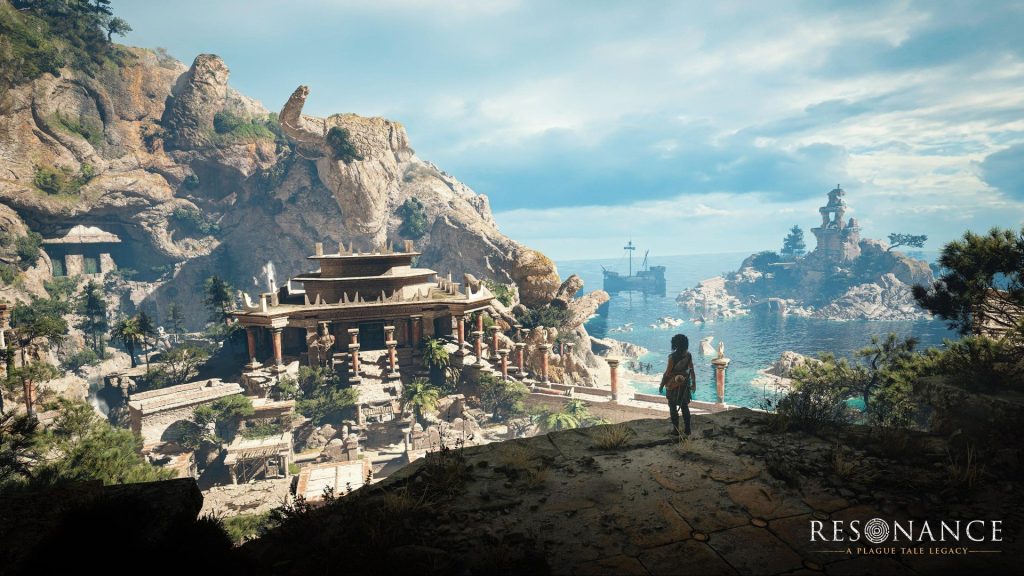
Asobo Studio has released a short scenic clip for Resonance: A Plague Tale Legacy, showcasing its Mediterranean-inspired locations.
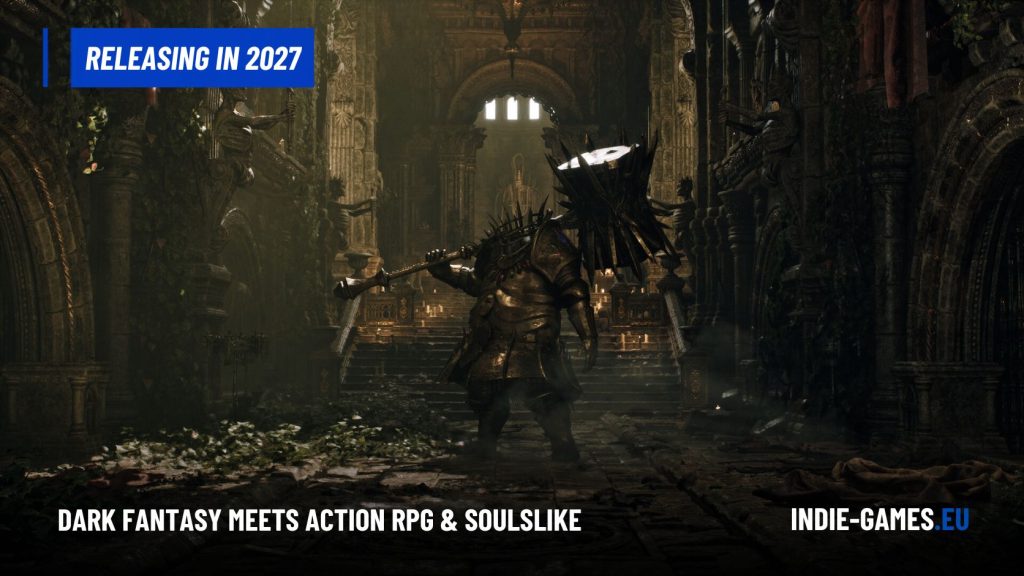
Turkish solo developer Celal Sahin has announced Godless Dawn, a dark fantasy action RPG targeting a Q1 2027 release on…
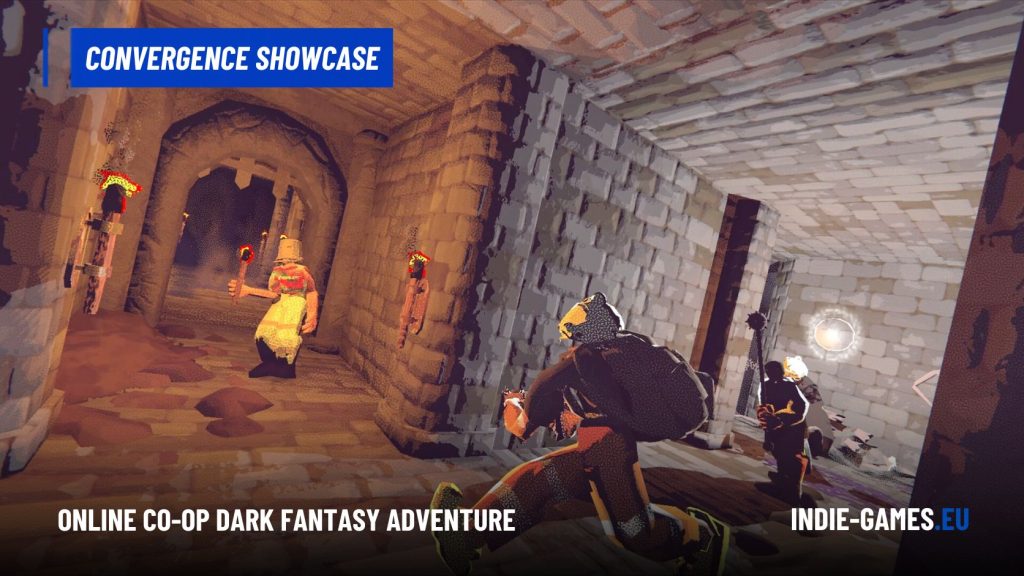
Vision Quench, an online co-op dark fantasy adventure from developer WizMUD Games and Pocketpair Publishing, is targeting an early 2027…
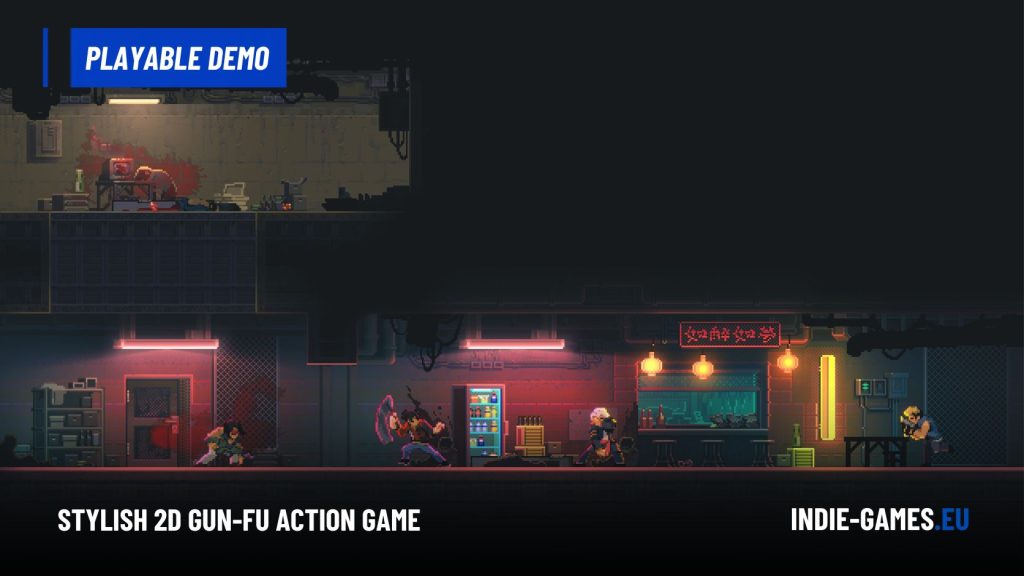
Named “The Bud Trial,” the playable preview offers an early look at the game ahead of its planned PC release…
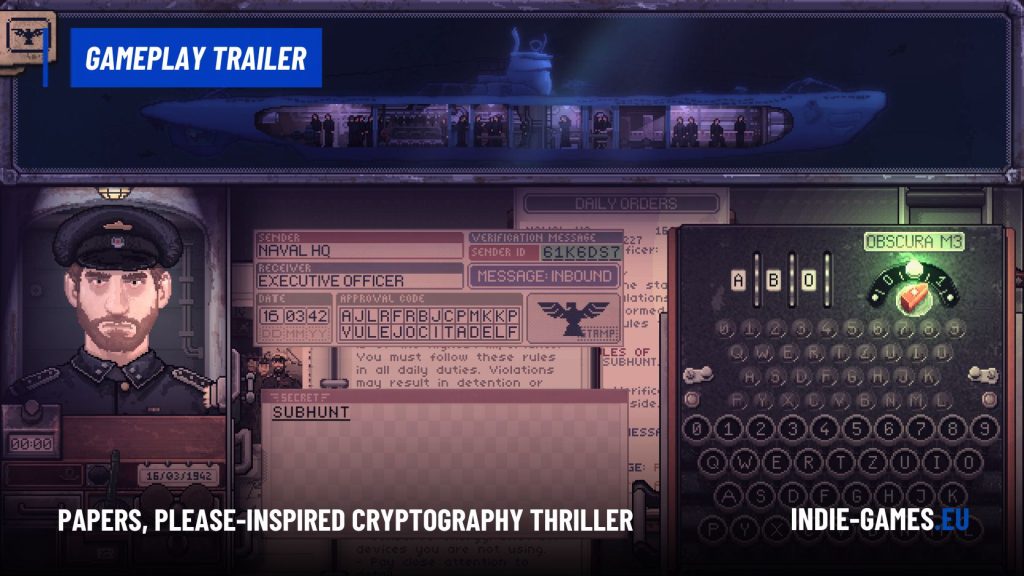
Serbian independent studio Retromagine has revealed False Echo, a narrative cryptography thriller inspired by Papers, Please and classic submarine dramas.

Surreal adventure Roman Sands RE:Build launches in September of this year on PC and consoles alongside the expanded Paratopic: Overdub.
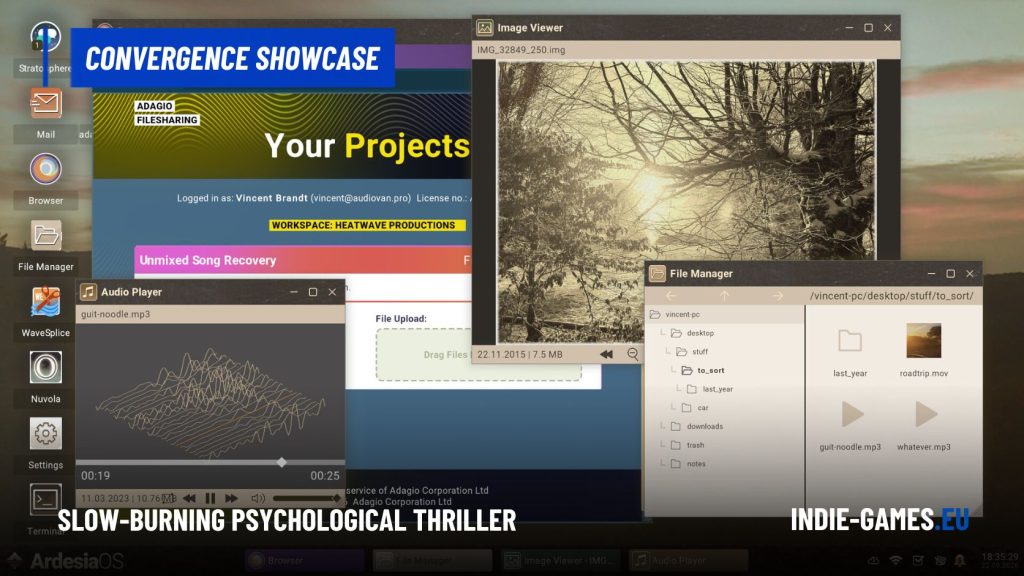
German indie studio Cobalt Lane has released a new trailer and Steam demo for Imprinted, a slow-burning psychological thriller.
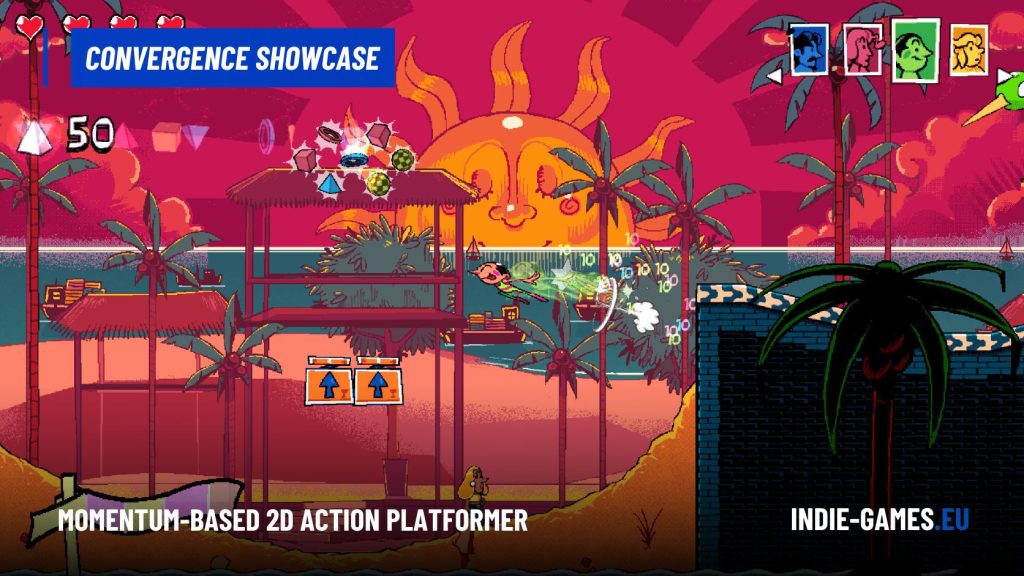
IndieArk and developer PVic Games have announced that momentum-based 2D action platformer ARTIUS: Pure Imagination will launch for PC via…
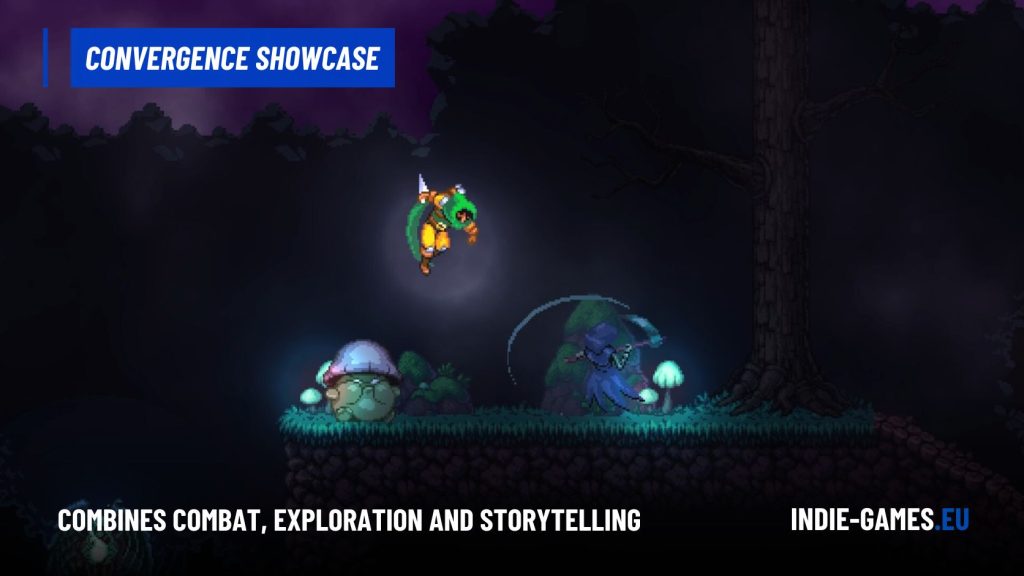
Decemberborn Interactive has released a new gameplay trailer for Cathedral: Crow’s Curse, an action-adventure prequel set in the world of…
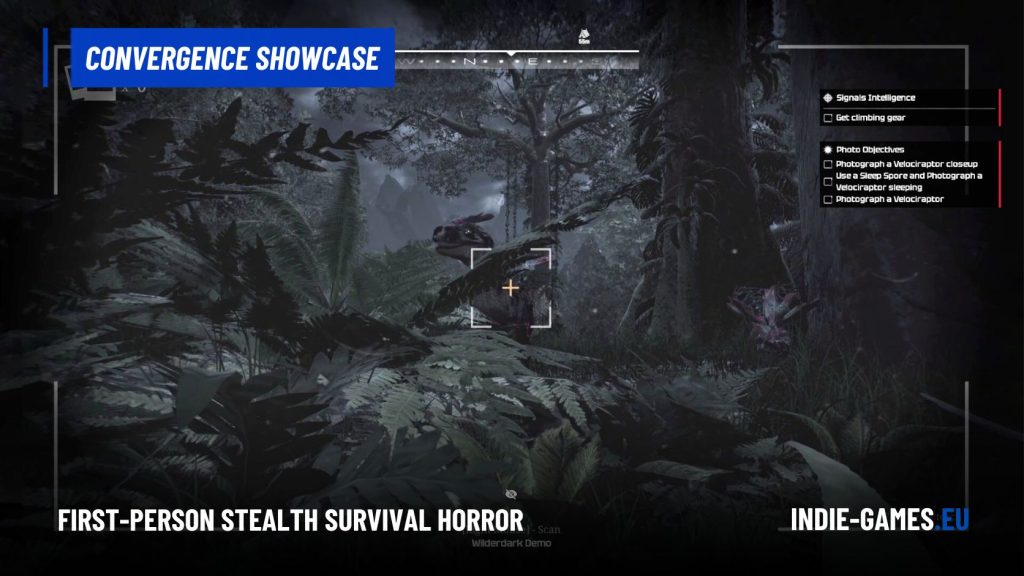
Wilderdark begins with the player crash-landing on an unnatural island overrun by hostile wildlife.
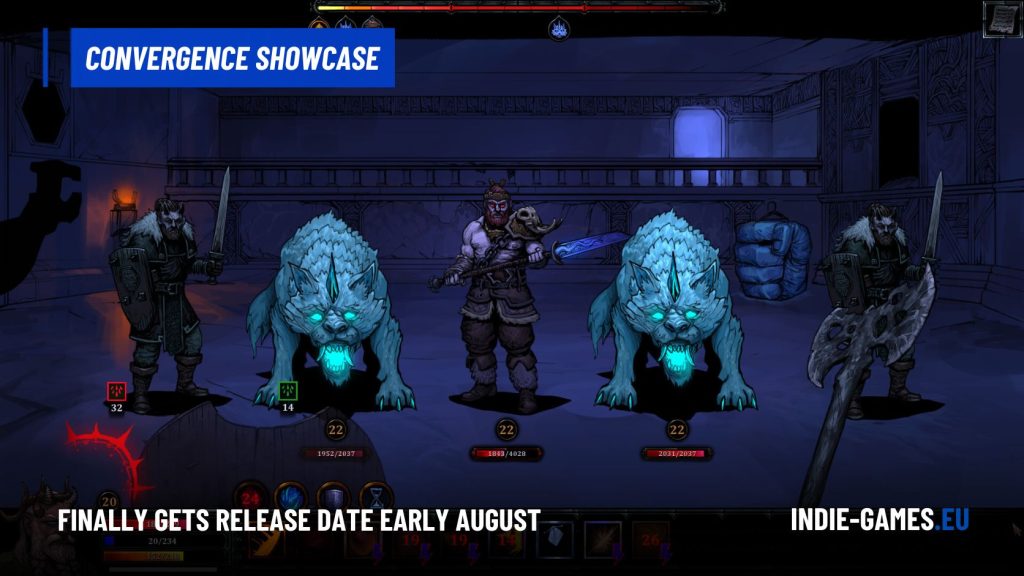
Independent French developer Ars Goetia and publisher Dear Villagers have announced that HellSlave II: Judgment of the Archon will launch…
