
The Lunacy Lets You Build a Secret Cult Beneath Inquisition-Era Spain
Above the Desk, the studio behind Above the Snow, has announced The Lunacy: That Game About a Cult, a dark-comedy…

![[OPINION] The Steam Machine Is Finally Here, But Who Is It Really For?](https://www.indie-games.eu/wp-content/uploads/2026/06/Steam-Machine-Opinion.jpg)
If you enjoy independent indie game coverage, consider supporting Indie-Games.eu on Patreon. It helps keep the site independent.
When Valve first revealed the Steam Machine, the immediate reaction from many gamers was predictable. People compared specifications. They compared benchmark results. They compared prices. Within hours, social media was filled with debates about whether a similarly priced desktop PC could deliver better performance or whether a PlayStation 5 offered more value for significantly less money.
Those comparisons aren’t entirely unfair. The Steam Machine starts at over €1,000, making it more expensive than current consoles while delivering performance that doesn’t always surpass them in demanding modern games. Early benchmarks have shown mixed results, particularly at 1440p resolutions where some high-end titles struggle to maintain smooth frame rates at aggressive settings.
Yet focusing solely on performance numbers risks missing the point of what Valve is actually trying to build. The Steam Machine isn’t really competing against traditional gaming PCs. Nor is it attempting to replace the PlayStation 5 or Xbox Series X. Instead, Valve appears to be chasing something the gaming industry has struggled to perfect for years: a true PC gaming console.
For decades, PC gaming has offered advantages that consoles simply couldn’t match. Larger game libraries, cheaper software, mods, customizable hardware, backward compatibility, multiple storefronts, and greater flexibility have always made PC the most open gaming platform available. The downside has traditionally been complexity.
Building a PC requires research. Upgrading components requires knowledge. Driver issues, compatibility problems, graphical settings, and troubleshooting are all things that PC players eventually learn to navigate. Many gamers simply don’t want to deal with any of that. They want the convenience of sitting on a couch, picking up a controller, pressing a button, and immediately launching a game.
That’s the experience consoles have delivered successfully for decades. The Steam Machine exists because Valve believes PC gaming can provide that same simplicity without sacrificing access to the enormous Steam ecosystem. Whether the company has succeeded is a more complicated question.

Much of the criticism surrounding the Steam Machine focuses on benchmark results. And to be fair, some of those concerns are justified. Seeing a €1,000-plus device struggle to reach 30 frames per second in certain demanding titles naturally raises questions about value. Games such as Cyberpunk 2077, Black Myth: Wukong, and Avatar: Frontiers of Pandora have exposed the limitations of the system’s hardware, particularly its 8GB VRAM allocation and relatively modest power envelope.
At first glance, those numbers make the Steam Machine look difficult to recommend. The issue is that raw performance was never likely to be Valve’s primary selling point. A gaming desktop at the same price can absolutely deliver better frame rates. Many enthusiasts could build a faster system with more storage, additional memory, and a stronger graphics card if they’re willing to assemble it themselves.
Steam Machine is designed for a different audience. Its appeal comes from fitting quietly beneath a television, consuming relatively little space, generating minimal noise, and providing immediate access to one of the largest gaming libraries in existence. In other words, it’s selling the experience rather than the specifications.
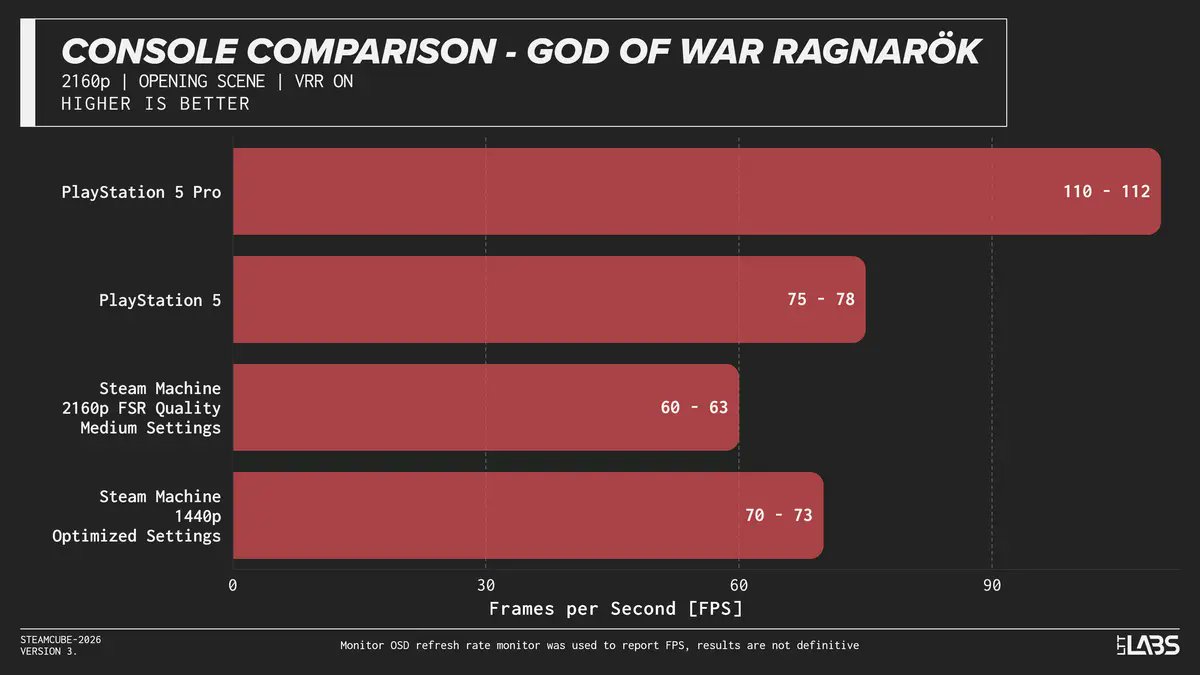
Even if you accept Valve’s vision, however, the pricing remains difficult to ignore. At over €1,000 for the entry-level model, the Steam Machine occupies an awkward position in the market. Console players will inevitably compare it to the PlayStation 5, Xbox Series X, and Nintendo Switch 2. From a purely financial perspective, those systems offer significantly lower entry costs while delivering strong gaming experiences.
PC enthusiasts, meanwhile, will compare it to custom builds. That comparison is arguably even more damaging because PC gamers are often comfortable assembling their own systems and maximizing performance for every dollar spent.
Valve finds itself stuck in the middle. The Steam Machine is too expensive to compete directly with consoles and not powerful enough to satisfy buyers looking for the best possible PC hardware at the same price point. Unfortunately for Valve, the middle ground is often the hardest place to succeed.
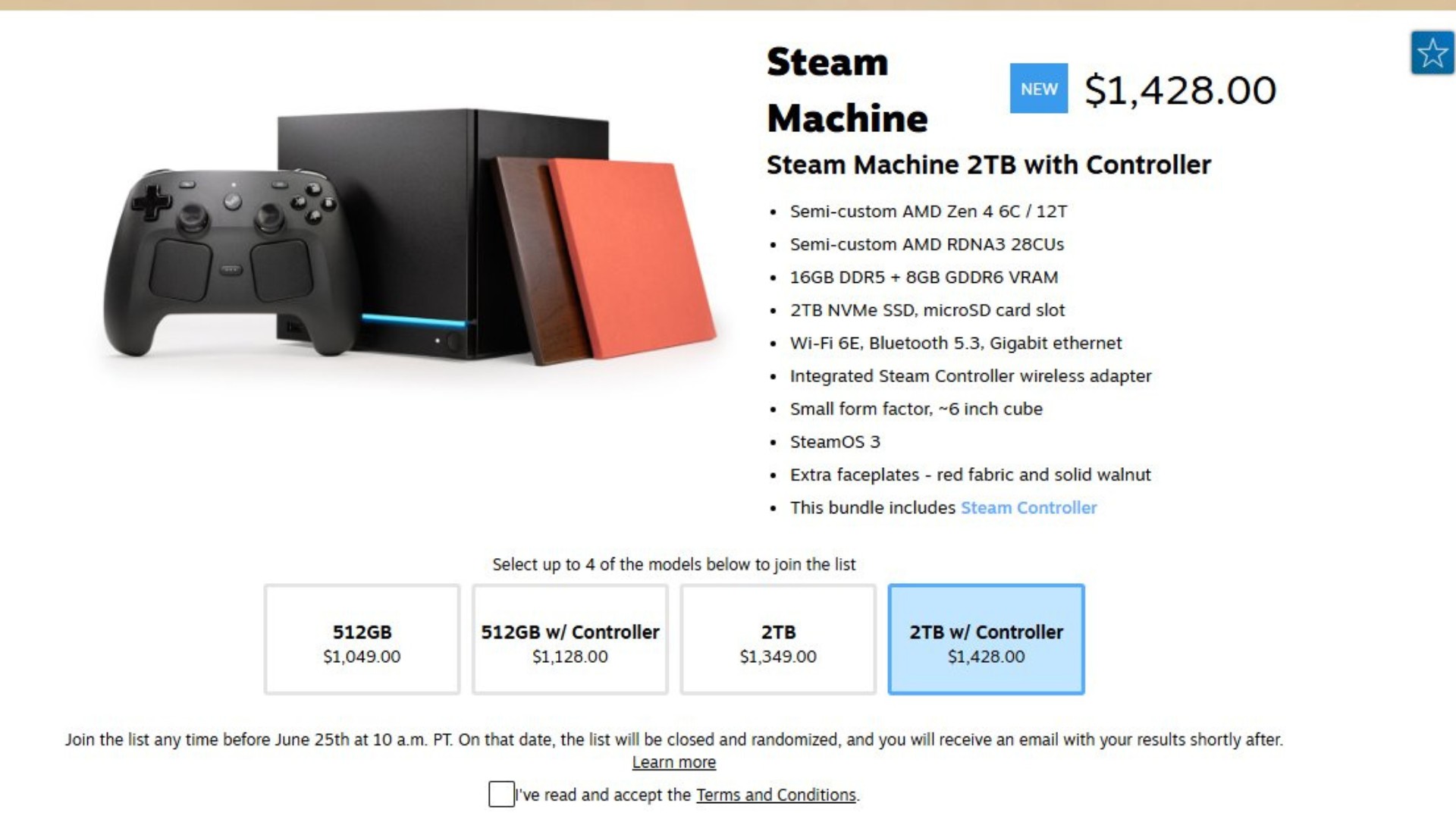
Part of the Steam Machine’s pricing problem may have less to do with Valve and more to do with broader industry conditions. Memory and storage prices have increased significantly in recent years, largely driven by demand from artificial intelligence infrastructure and data centers. Components that would have been relatively affordable several years ago now command much higher prices.
Valve isn’t immune to those market realities. Had the Steam Machine launched during a period of lower component costs, the conversation surrounding its value proposition might look very different today. Instead, it arrives at a time when consumers are becoming increasingly sensitive to hardware pricing. The result is a device that feels simultaneously impressive and difficult to justify.
Perhaps the biggest challenge facing the Steam Machine isn’t PlayStation, Xbox, or gaming PCs. It’s the Steam Deck. Valve’s handheld succeeded because it offered something genuinely different. It gave players access to PC gaming in a portable form factor that felt relatively affordable and easy to use.
However, the Steam Machine doesn’t have the same advantage. Many consumers will naturally ask why they shouldn’t simply connect a Steam Deck to a television. Others will wonder whether a small gaming PC running SteamOS could achieve similar results. Those questions are difficult to answer because they highlight a fundamental issue. The Steam Machine is not solving a problem that every gamer feels they have.

Despite the criticism, dismissing the Steam Machine entirely would be a mistake. Historically, Valve has often played a long game. The original Steam Deck wasn’t perfect when it launched, but continuous software updates transformed it into one of the most respected handheld gaming devices on the market. Proton compatibility improved dramatically over time. Performance became more consistent. The overall experience matured with each update.
The same could happen here. SteamOS continues improving at a rapid pace, and future updates may extract additional performance from the hardware. Driver optimizations, expanded game verification programs, and broader adoption of technologies like FSR could all improve the system’s appeal over the coming years. That doesn’t solve the pricing concerns today, but it does suggest the launch version may not tell the whole story.
Ultimately, the Steam Machine’s reception feels so divided because it doesn’t fit neatly into existing categories. It’s not a traditional console. It’s not a conventional gaming PC. It’s not portable like the Steam Deck. Instead, it occupies a space somewhere between all three. For some players, that combination will be exactly what they’ve been waiting for.
A compact, quiet system that delivers a console-like experience while retaining access to Steam’s vast ecosystem is undeniably appealing. For others, the compromises are simply too difficult to overlook. The Steam Machine may not be the most powerful gaming device for its price. It may not be the cheapest. It may not even be the easiest recommendation.
But perhaps that’s because Valve isn’t trying to win the traditional console-versus-PC argument. The company is attempting to create a category that has never fully existed before: a living-room gaming PC that feels as effortless as a console. Whether enough people actually want that remains the question that will ultimately determine the Steam Machine’s future.
Above the Desk, the studio behind Above the Snow, has announced The Lunacy: That Game About a Cult, a dark-comedy…

Gladio Mori leaves Steam Early Access and launches for PC, PlayStation 5 and Xbox Series X|S in September 2026, with…

Kitaria Fables 2 will hold a closed Steam beta from September 7th to 21st, 2026, offering selected players roughly 60…

Midsummer Madness launches for PC, Nintendo Switch and Switch 2 in November 2026, following an exclusive one-day gamescom demo in…

Rizz Dungeon: Skeleton Key to My Heart has been delayed to 2027, giving Snoozy Kazoo time to add more Monster…
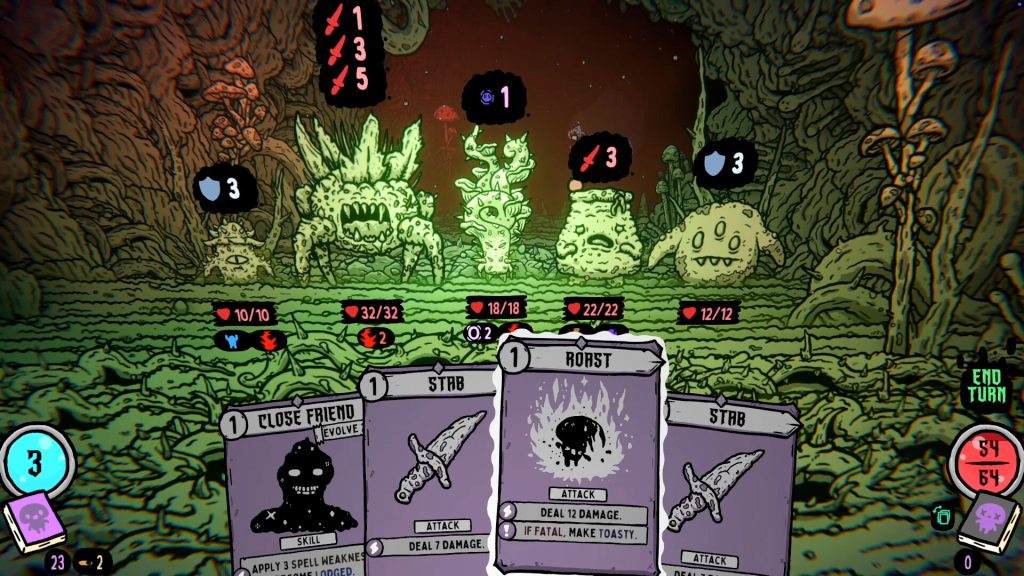
Shroom and Gloom enters Steam Early Access in September 2026, combining first-person dungeon crawling with separate exploration and combat decks.
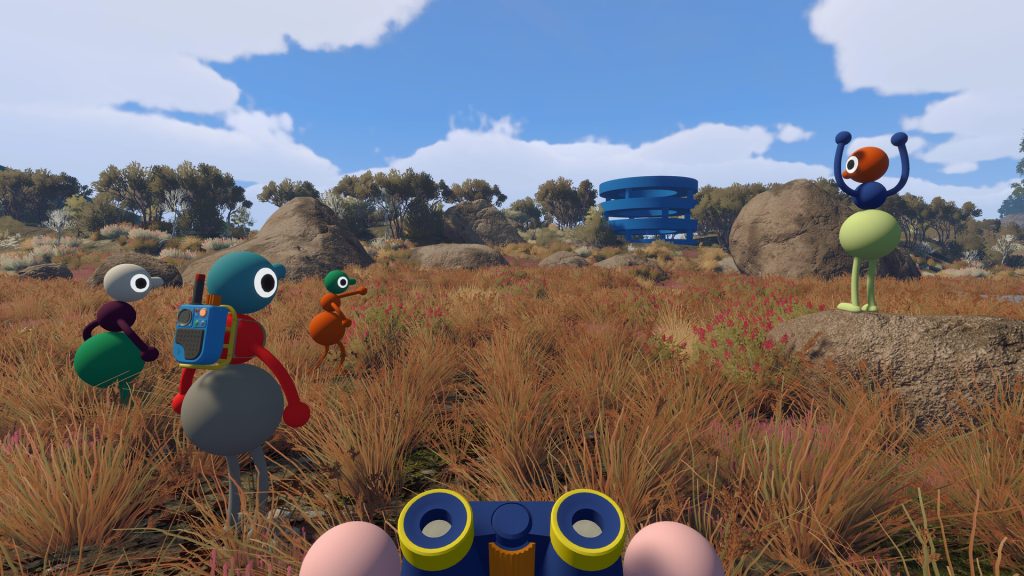
Big Walk sold more than one million copies in six days, strengthening the case for complete co-op-only games built around…

If you regularly visit Indie-Games.eu or follow the YouTube channel, you have probably noticed that things have become unusually quiet.
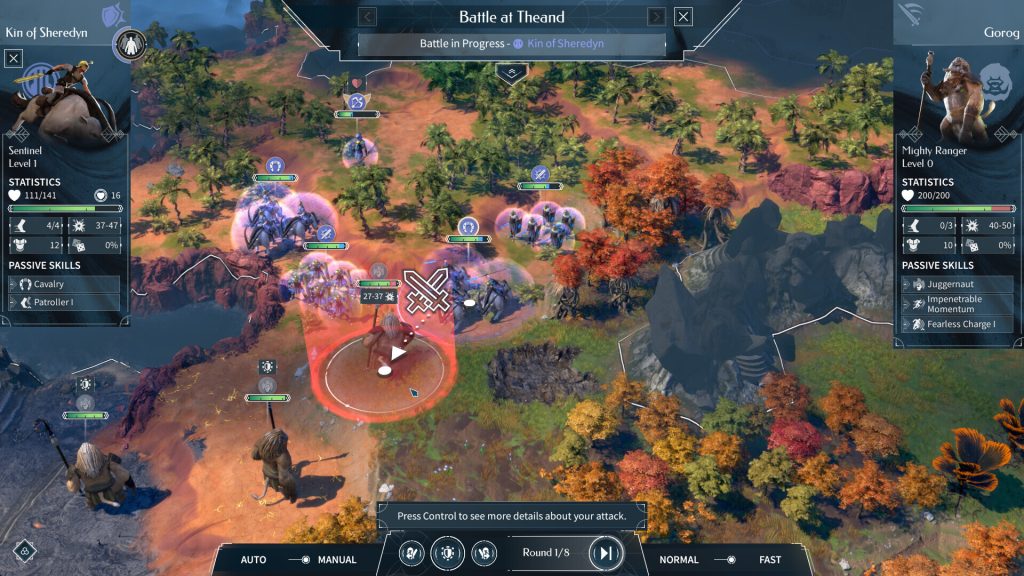
Endless Legend 2 leaves Early Access in September as version 1.0 rolls out, bringing console versions to PlayStation 5 and…
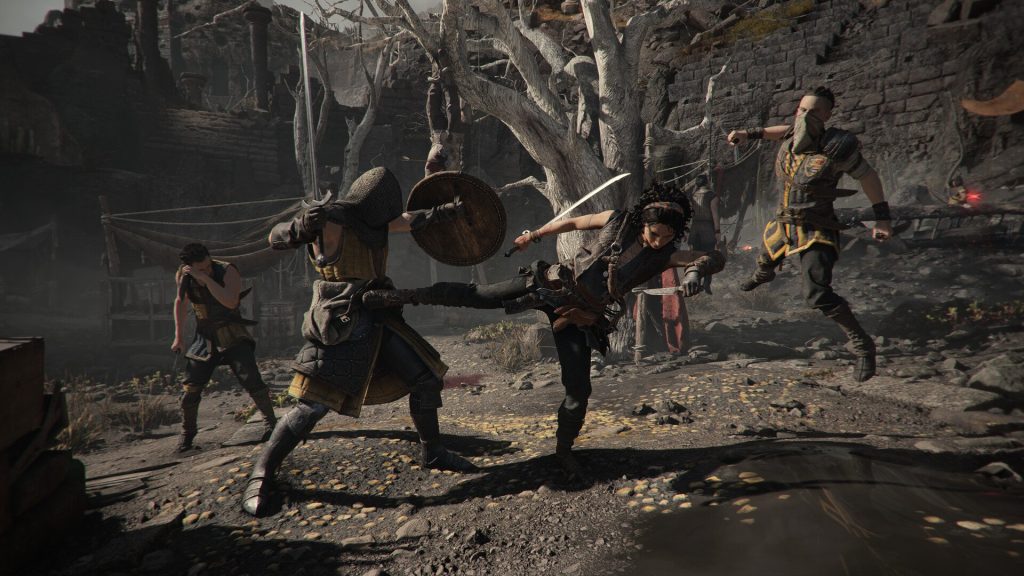
A new Resonance: A Plague Tale Legacy featurette shows how Sophia can use light to navigate dangerous environments and overcome…

The nonlinear world contains six biomes, each representing a different part of the protagonist’s psyche and history.
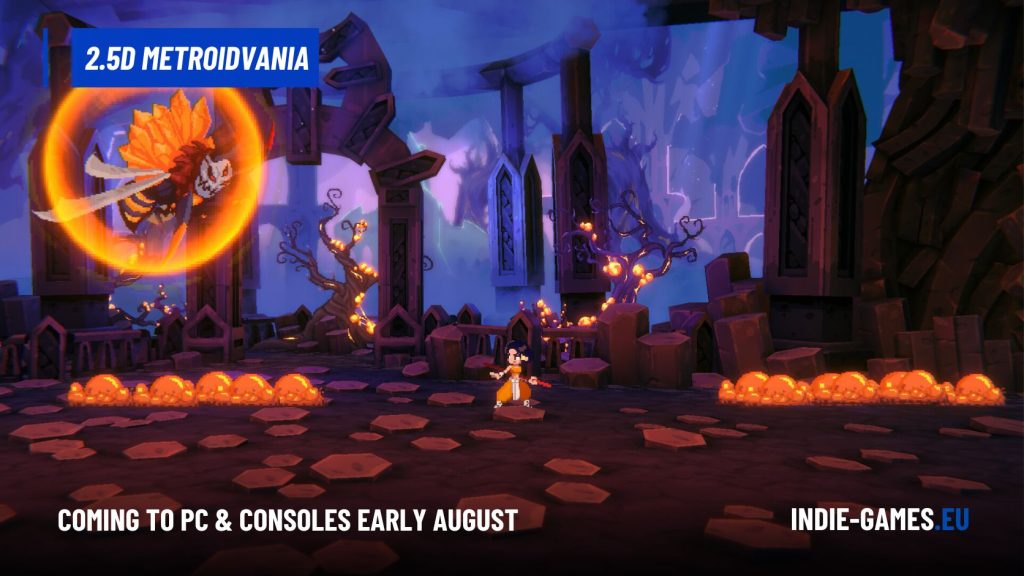
Akatori launches early August on PC and PlayStation and Xbox, featuring 2.5D Metroidvania action, parkour and staff-based combat.
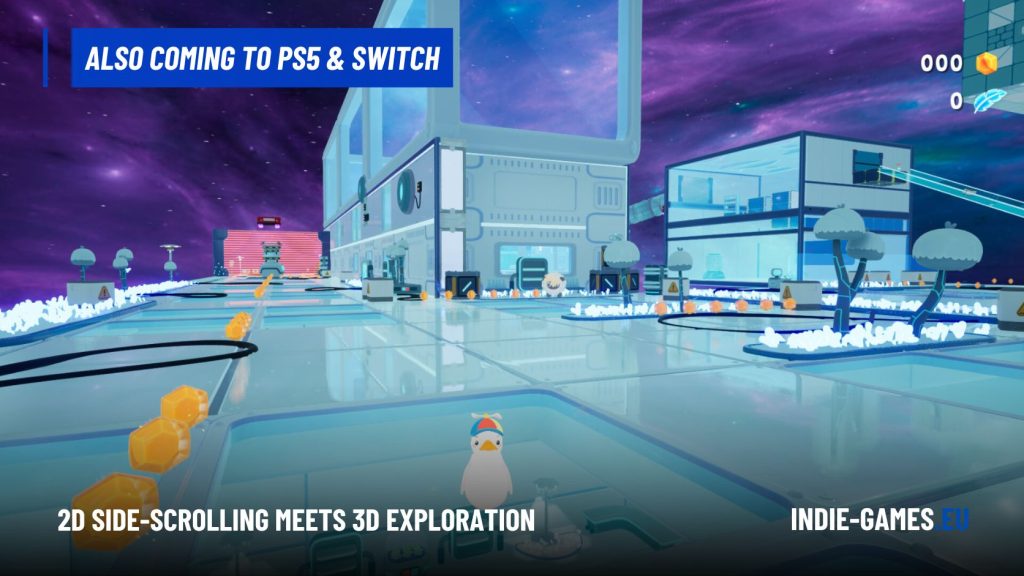
Dodo Duckie! launches on PC and Xbox today, with PS5 and Switch versions arriving later in 2026, featuring unique 2D…
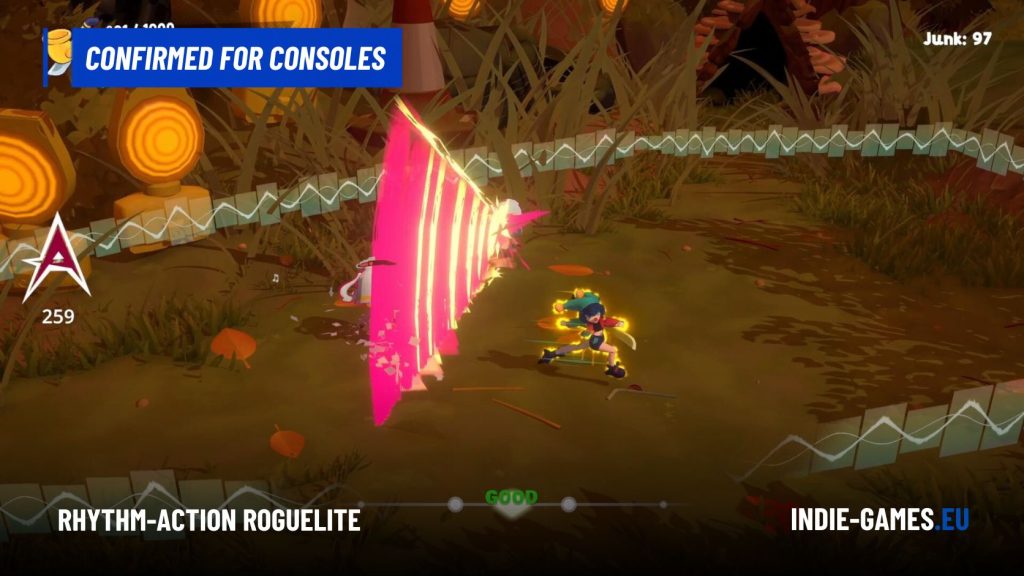
Alpha Nomos launches on PlayStation 5, Xbox Series and PC in 2026, featuring rhythm-based roguelite combat, live-recorded weapons and a…

Sniper Dan launches in September for PlayStation 5, Xbox, Switch and PC, blending hidden object gameplay, puzzles and family-friendly sniper…
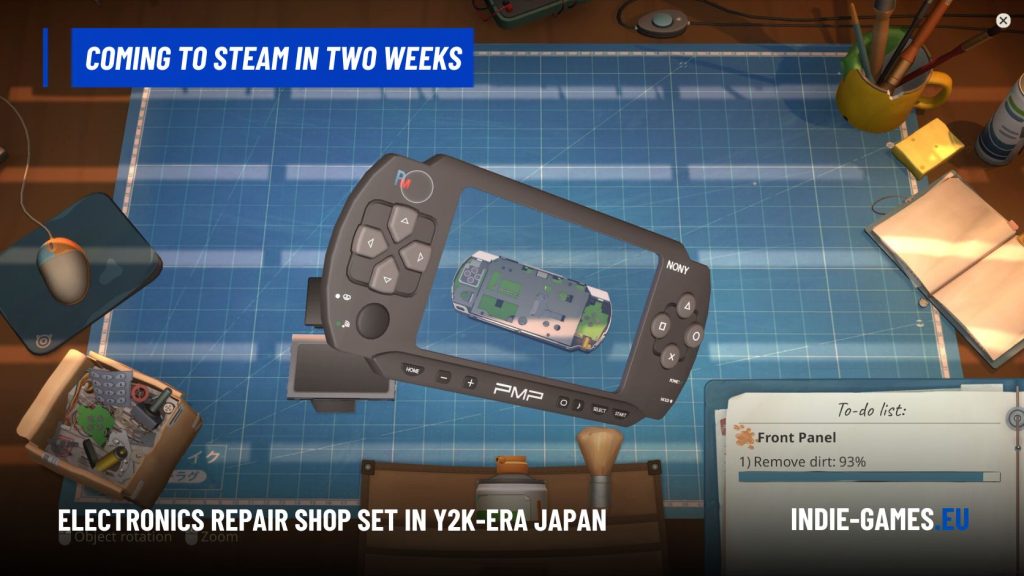
In ReStory, you will repair a wide range of early-2000s technology, including mobile phones, handheld gaming systems, digital pets, music…
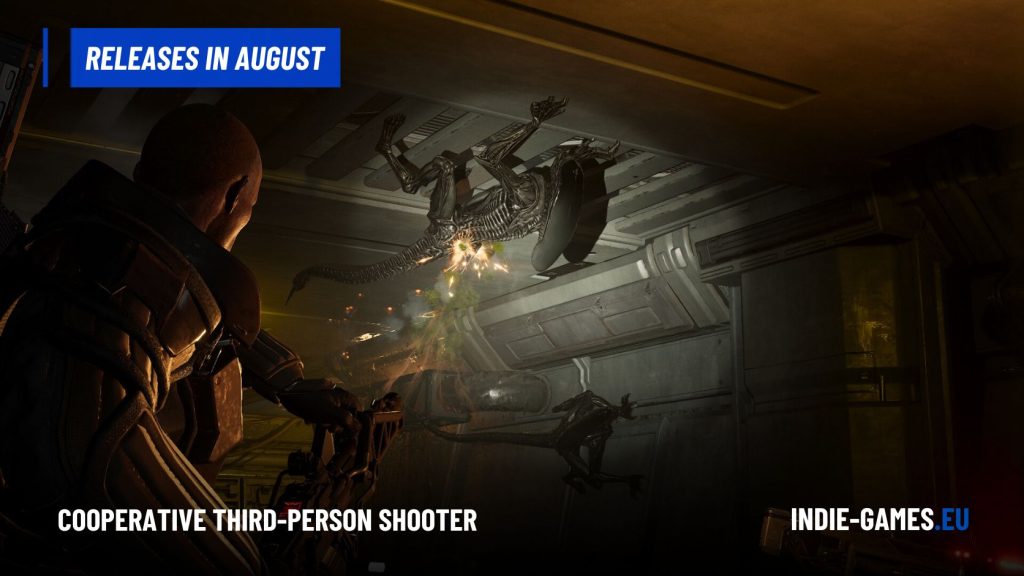
Aliens: Fireteam Elite 2 expands its fireteams to four players, who take control of Colonial Marines deployed across hostile locations…
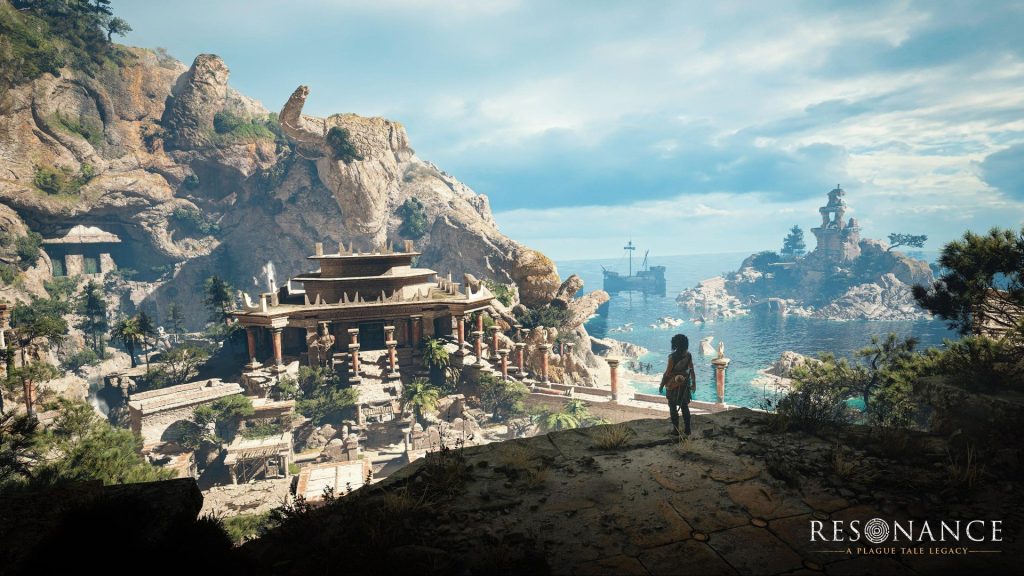
Asobo Studio has released a short scenic clip for Resonance: A Plague Tale Legacy, showcasing its Mediterranean-inspired locations.
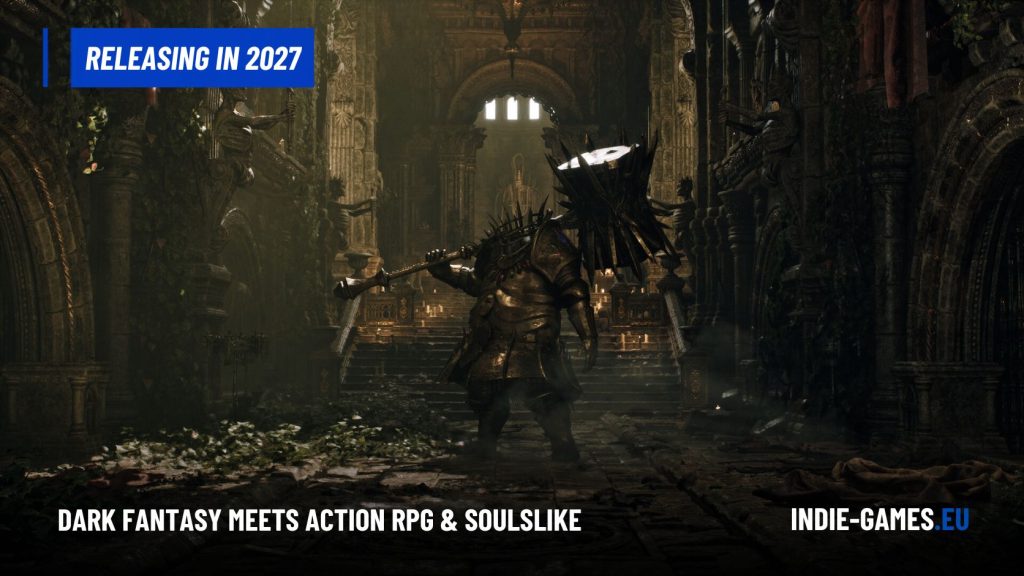
Turkish solo developer Celal Sahin has announced Godless Dawn, a dark fantasy action RPG targeting a Q1 2027 release on…
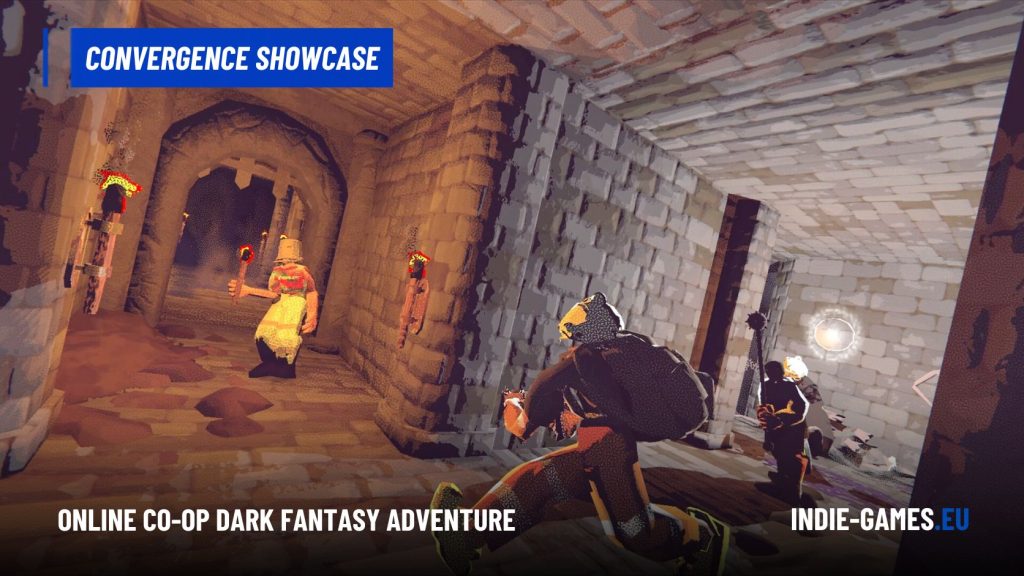
Vision Quench, an online co-op dark fantasy adventure from developer WizMUD Games and Pocketpair Publishing, is targeting an early 2027…
