![[GAMESCOM 2026] MegaGum Preview – Combat Hits Hard in This Sticky Platforming Adventure](https://www.indie-games.eu/wp-content/uploads/2026/09/MegaGum-09-09-26-5-1024x576.jpg)
[GAMESCOM 2026] MegaGum Preview – Combat Hits Hard in This Sticky Platforming Adventure
MegaGum combines hard-hitting combat, varied weapons and Gum-powered platforming in a promising Gamescom 2026 demo.

![[GAMESCOM 2026] Chronoscript: The Endless End Preview – Beautiful Pages Hide Deliberate Combat](https://www.indie-games.eu/wp-content/uploads/2026/09/Chronoscript-The-Endless-End-1.jpg)
If you enjoy independent indie game coverage, consider supporting Indie-Games.eu on Patreon. It helps keep the site independent.
There is no shortage of Metroidvanias borrowing ideas from Hollow Knight, Blasphemous and other successful representatives of the genre, but Chronoscript: The Endless End immediately separates itself through its unusual combination of two-dimensional manuscript pages and a three-dimensional manor. Its impressive boss encounters also left a strong impression during my Gamescom session, even if its deliberate, stationary combat may not suit everyone.
I played the complete Gamescom demo, which introduced the opening section, several movement abilities and the game’s demanding boss encounters. It was enough to demonstrate that developer DeskWorks understands what makes exploration-based action games enjoyable, but Chronoscript is at its most interesting when it allows its manuscript setting to influence how the world is presented and explored.
You can wishlist Chronoscript: The Endless End and play its free demo on Steam.
Chronoscript takes place in 2026 and follows Frederick G. Muller, a quiet editor who receives a mysterious request shortly after finishing work on a long-running series. The assignment takes him to an isolated manor belonging to Viola S. Chambers, an immortal vampire who has spent one thousand years writing a manuscript called The Endless End.
After being bitten by a mosquito and losing consciousness, Frederick awakens inside Viola’s unfinished manuscript. To escape, he must explore the stories she has collected across different historical periods and somehow guide the endless work towards its missing conclusion.
It is a strange premise, but one that immediately gives Chronoscript a clear personality. Frederick is not simply fighting his way out of a fantasy world. He is effectively proofreading it, with enemies, abilities, deaths and completed encounters all presented through terminology connected to writing and editing.
When Frederick is defeated, the game displays “ReRead” rather than a traditional death screen. Defeating an important enemy is similarly treated as completing another part of the proofreading process. These details may be small individually, but together they prevent the editor and manuscript concept from feeling like a visual gimmick.
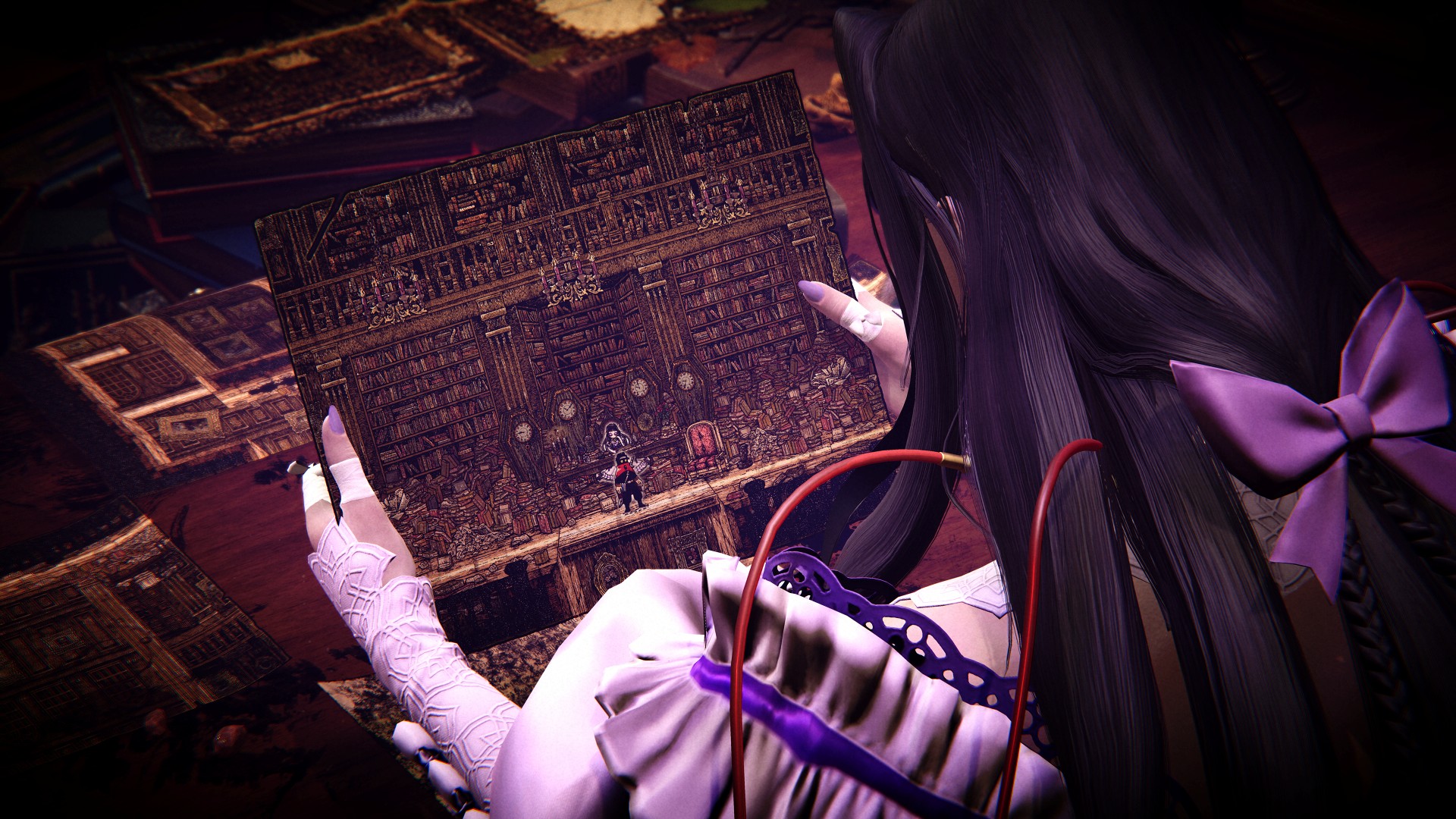
The strongest part of the demo was the interaction between the hand-drawn 2D levels and the physical 3D environment surrounding them. Frederick moves across manuscript pages covered in detailed illustrations, while books, discarded pieces of paper and other objects from Viola’s manor remain visible outside the playable space. Each area is treated like an individual page, complete with its own number, while progressing into another section resembles moving further through a book.
One ability pulls the camera away from Frederick and reveals the manuscript pages arranged around the three-dimensional room. Instead of presenting the map through a conventional menu, Chronoscript uses the author’s desk and the position of her pages to show how its different areas connect.
The physical environment can also interfere with the two-dimensional world. Pages can move or connect differently, while one boss encounter even uses the movement of the manuscript itself to change the battlefield. It is here that the game’s two visual styles become part of the experience rather than simply existing alongside one another.
The demo gradually introduced new ways of navigating these pages. Defeating a group of bat-like enemies unlocked a double jump, while another ability allowed Frederick to enter pools of ink covering particular walls and floors. He can move through these surfaces before launching himself back into the level, reaching platforms that would otherwise remain inaccessible.
These mechanics follow the familiar Metroidvania structure of collecting abilities and returning to previously unreachable locations, but the way they are connected to ink, paper and the surrounding manor makes them feel more natural within this particular world.
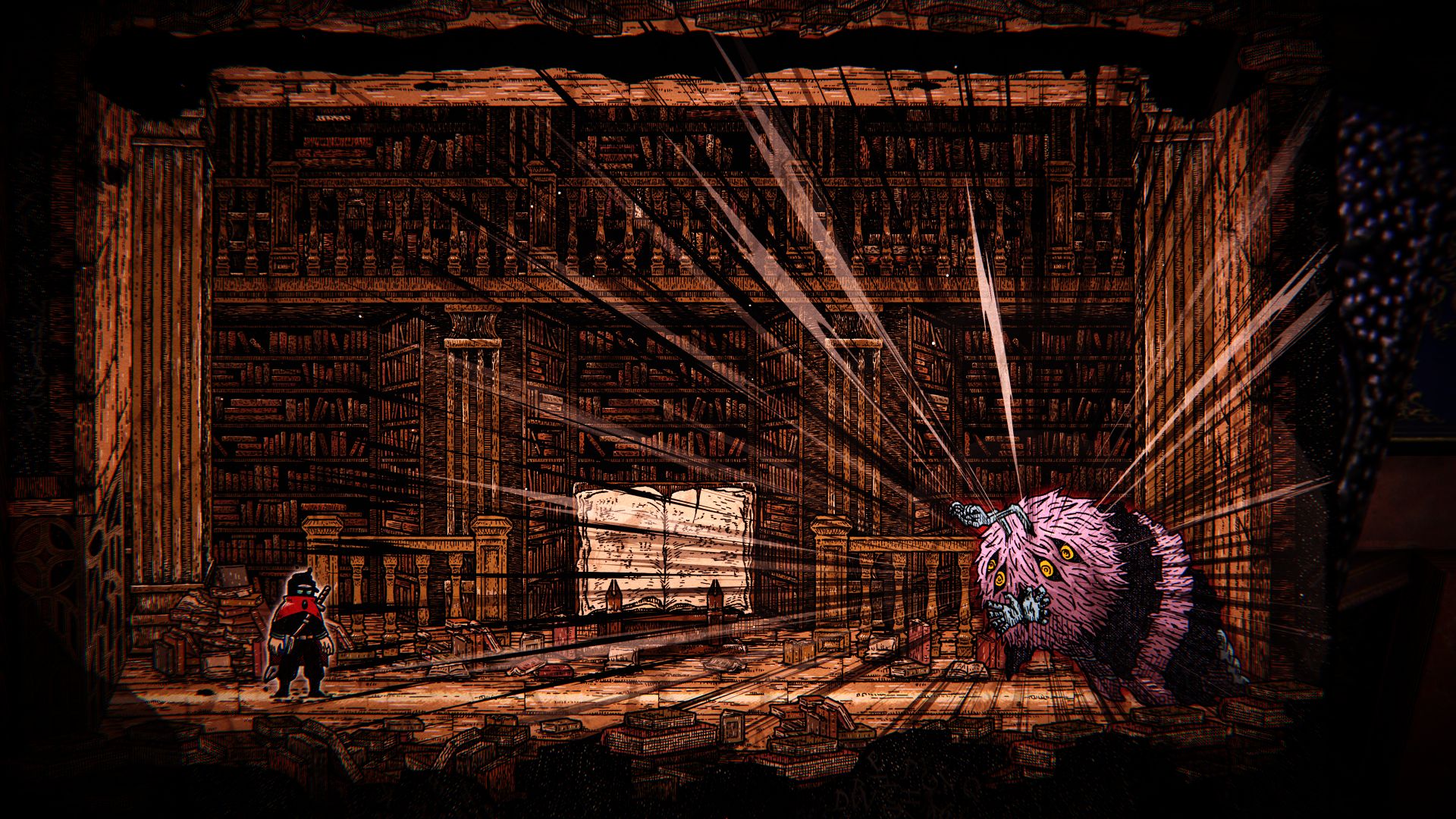
Frederick fights using a sword whose shape resembles the tip of a pen. He can perform different strikes depending on his position and the direction of an attack, while additional abilities gradually expand his options. Healing charges are limited and can be restored at reading chairs, which also function as checkpoints and places where Frederick can be upgraded.
The bosses demand attention and encourage players to learn their movements rather than attack continuously. Their changing patterns and elaborate visual designs made them the most memorable combat encounters in the demo. Surviving required patience, careful positioning and an understanding of when it was safe to strike or heal.
However, Frederick is not an especially agile fighter. During most attacks, he remains standing in one place until the animation finishes. This gives every strike a clear sense of commitment, but it also makes the combat feel less dynamic than it initially appears.
Anyone who enjoys slower, more deliberate encounters may appreciate this approach. Others may feel as though they are fighting Frederick’s limited mobility alongside the enemies in front of them. After playing faster Metroidvanias that allow the protagonist to move naturally through attacks, adjusting to this stationary style can take some time.
This will not necessarily be a weakness for everyone, especially because the bosses appear to be designed around learning precise openings. Nevertheless, it is an important difference to understand before expecting combat comparable to the fastest games in the genre. After delaying the game to early summer 2027, the developer confirmed that it is reducing attack recovery, increasing movement distance during attacks, expanding input buffering and shortening the healing animation. These changes may make the final combat noticeably more responsive than the Gamescom build I played.
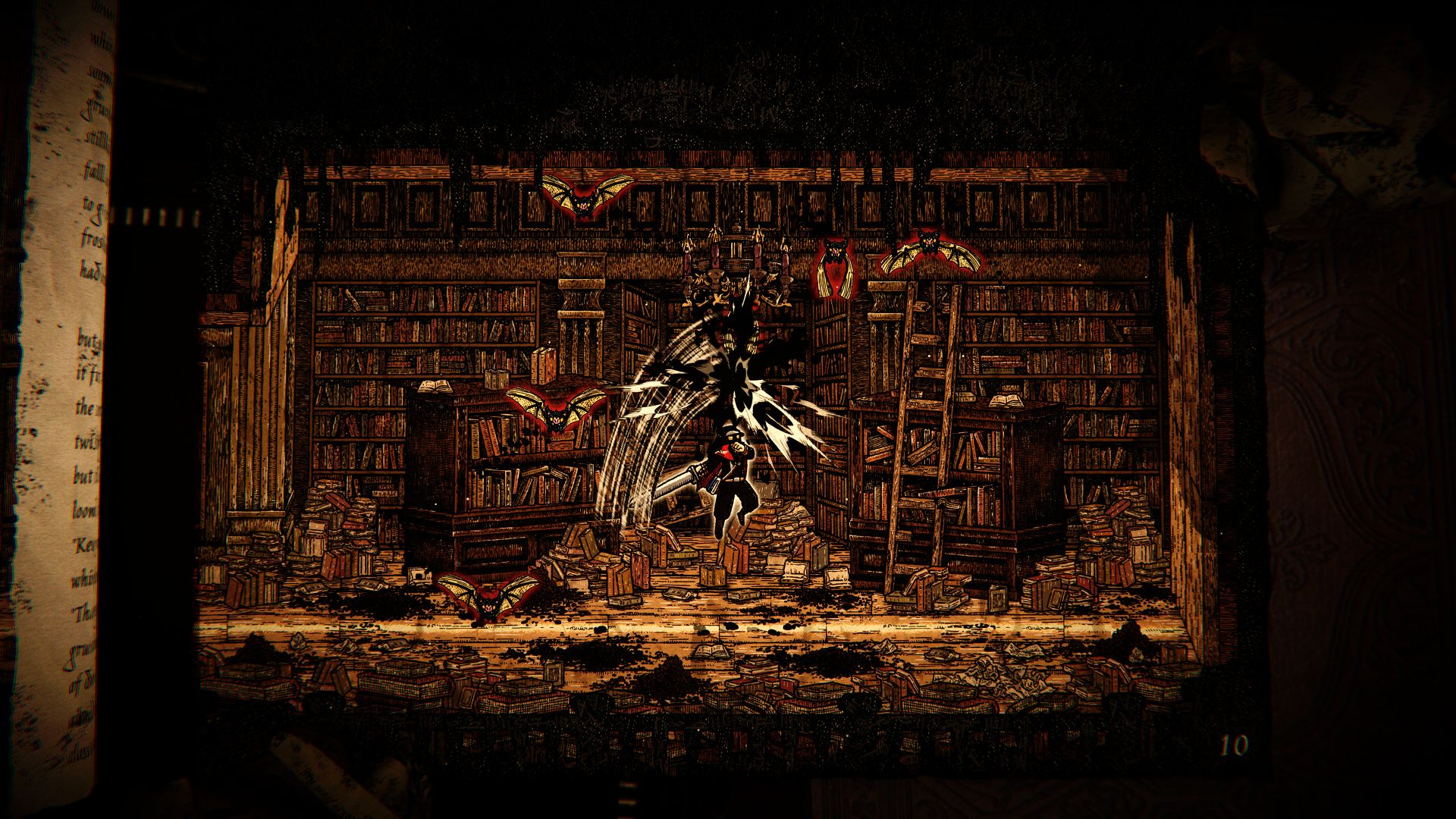
The hand-drawn artwork is naturally one of Chronoscript’s greatest strengths. Its yellowed paper, heavy black ink and detailed backgrounds create the impression of an old illustrated manuscript, while Frederick’s red cloak helps him remain distinct from the environments.
Every movement is animated frame by frame, giving the characters an intentionally imperfect but expressive quality. This is contrasted by the more polished 3D presentation of Frederick and Viola outside the pages. Mari Shimazaki, known for her work on Bayonetta and Ōkami, handled the 3D character design and and modelling direction.
The monsters are not simply creatures created to fill the levels. Known as the Ruined, they are corrupted versions of people who died with tragic experiences or unresolved emotions. Reading their descriptions reveals short stories about who they once were, adding a surprisingly melancholic quality to enemies that can initially appear strange or even harmless.
Chronoscript: The Endless End left me strongly interested through its beautiful hand-drawn environments, clever interaction between 2D pages and the 3D manor, and demanding boss encounters. Its deliberate combat will not appeal to everyone, particularly because Frederick currently remains rooted in place during many attacks, but the improvements already announced by DeskWorks could make the final version feel more fluid. The Gamescom demo only revealed the opening pages of this strange manuscript, yet what I played suggests that Chronoscript has more than its artwork helping it stand apart.
MegaGum combines hard-hitting combat, varied weapons and Gum-powered platforming in a promising Gamescom 2026 demo.
![[GAMESCOM 2026] Delphinium Preview – Cozy Routine Mixed With Enjoyable Minigames](https://www.indie-games.eu/wp-content/uploads/2026/03/Delphinium--1024x665.jpg)
Delphinium mixes cozy farming, exploration and relationships with enjoyable fishing, cooking and forging minigames in its Gamescom 2026 demo.
Lady Death: Demonicron looks the part, but underneath its excellent comic-book exterior is a clunky and painfully short brawler.
![[GAMESCOM 2026] Tomb Raider: Legacy of Atlantis Preview – Expands the Original Without Losing Its Identity](https://www.indie-games.eu/wp-content/uploads/2026/09/tomb-raider-legacy-of-atlantis-06-02-26-1-1024x576.jpg)
Tomb Raider: Legacy of Atlantis brings Lara back to her roots, but its Gamescom 2026 showing proved this is far…
![[GAMESCOM 2026] Clive Barker’s Hellraiser: Revival Preview – Ready to Open the Box](https://www.indie-games.eu/wp-content/uploads/2026/09/Clive-Barkers-Hellraiser-Revival-08-30-26-1-1024x576.jpg)
Hellraiser: Revival preserves the franchise’s sex, gore and psychological horror while delivering approachable survival-horror gameplay.

Swan Song creates a peaceful and forgiving puzzle space without removing the challenge that makes solving a difficult puzzle rewarding.
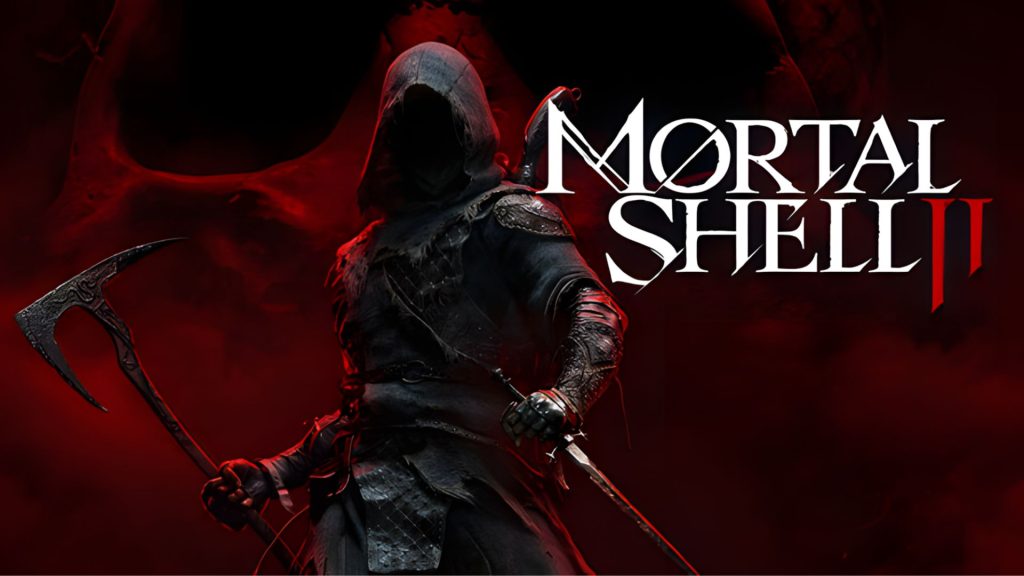
Mortal Shell II starts brilliantly but grows repetitive and exhausting, while remaining a rewarding and ambitious Soulslike sequel.
![[GAMESCOM 2026] Terranigma Preview – A Lost SNES Classic Returns in 2027](https://www.indie-games.eu/wp-content/uploads/2026/08/Terranigma-1-1024x576.jpg)
After more than three decades of limited availability, Terranigma is returning in 2027. We played its enhanced re-release at Gamescom…

Reading another person’s mind is often presented as a desirable superpower, but Sister Other Paranoia immediately understands why it could…
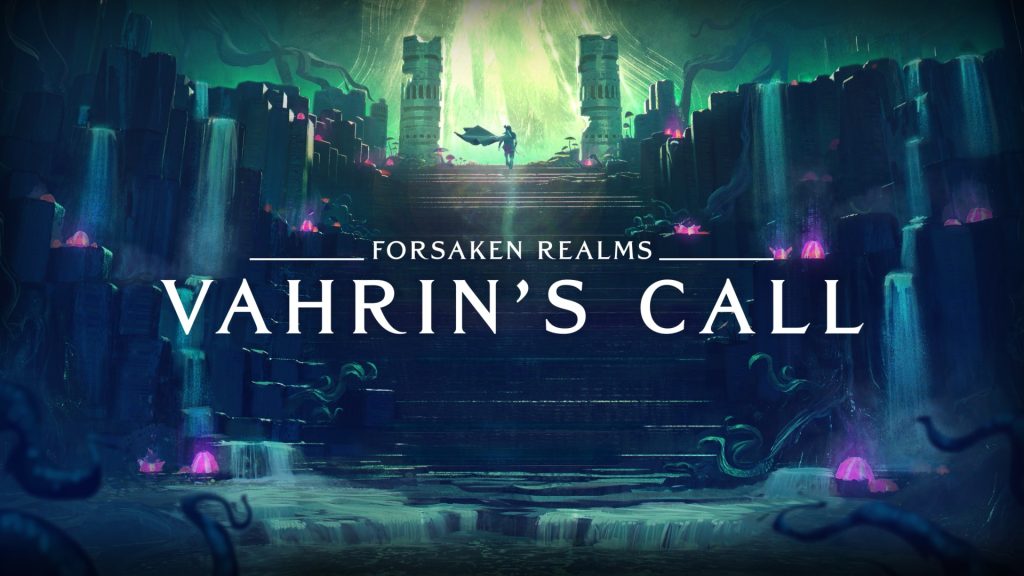
Forsaken Realms: Vahrin’s Call is exactly the kind of ambitious, slightly clumsy fantasy RPG that used to be far more…
![[Early Access] 2nd EVE – Sci-Fi Action RPG That Lacks a Sense of Stakes](https://www.indie-games.eu/wp-content/uploads/2026/08/2ND-EVE-1024x576.jpg)
2nd Eve is a space-set action RPG in which we strive to save humanity.
![[PREVIEW] Dreamcards – Strategic Exploration of Consciousness](https://www.indie-games.eu/wp-content/uploads/2026/08/Dreamcards_20260810_233631_0000-1024x576.jpg)
Dreamcards is a roguelike deckbuilder centered around dreams and nightmares.
![[Early Access] OFFBEAT – Incredibly Fun Way to Start a Music Career](https://www.indie-games.eu/wp-content/uploads/2026/08/Offbeat_20260808_201446_0000-1024x576.jpg)
In OFFBEAT, we play the role of a jobbing composer who is launching their music career.
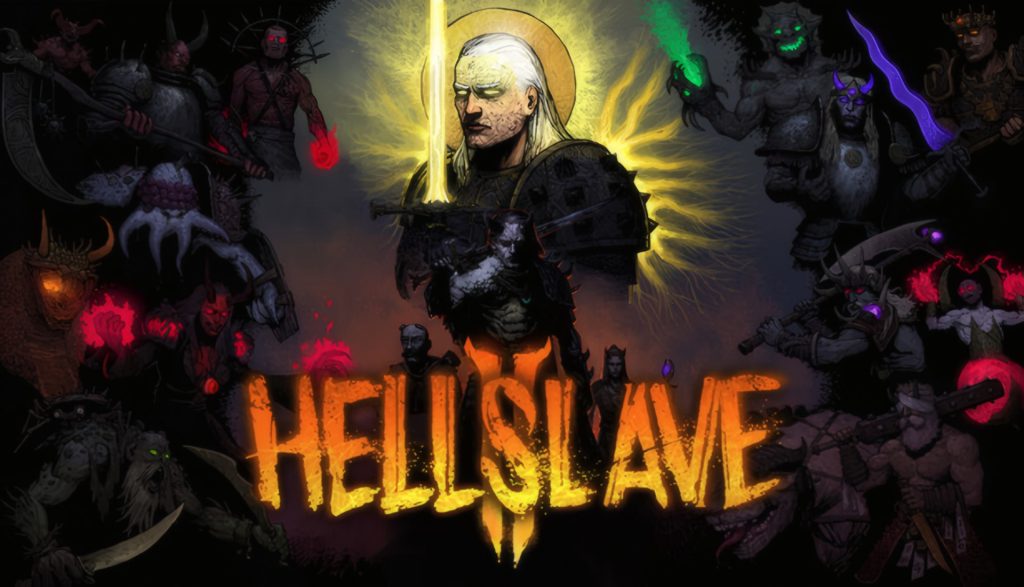
HellSlave II retains the original’s oppressive atmosphere, morally grey world and striking art while adding a larger world, randomized loot…
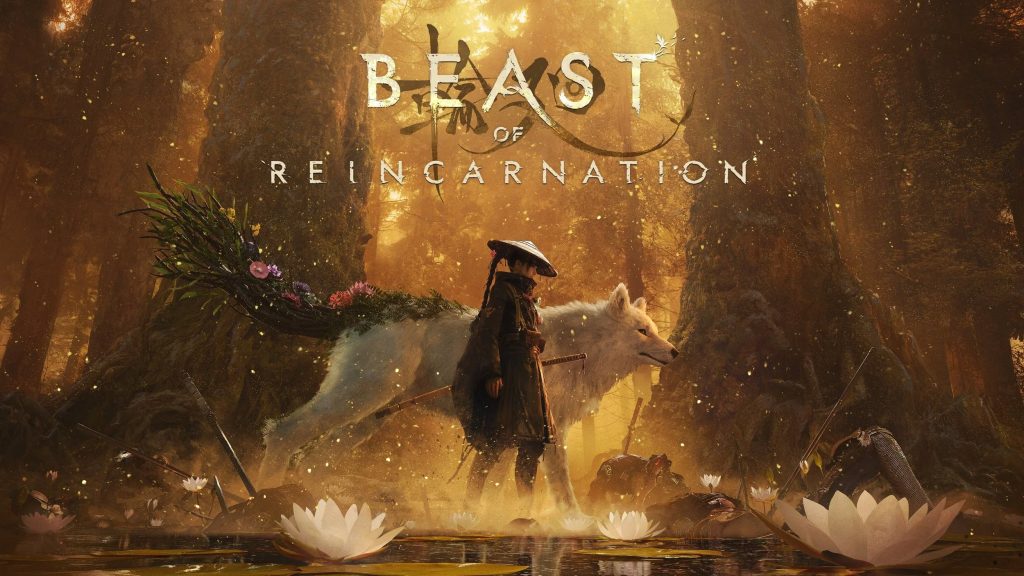
Beast of Reincarnation is an ambitious but uneven action RPG elevated by satisfying parry combat, beautiful art direction and the…

K-pop Idol Stories: Road to Debut captures the pressure of building idol group, but its management systems never explore that…
Hooded Horse keeps finding strategy games that know their audience, and Corsair Cove extends its impressive run of excellent city-builders.
Teeto is a warm, cozy, creative and highly enjoyable 3D platformer that understands why classic collectathons remain so appealing.
Turnip Mountain stands out for its combination of a unique control system and a minimalist approach.
Dystopicon is an imaginative and memorable narrative experiment with sharp social commentary, engaging world-building and several wonderfully absurd scenarios.
