
A Japan-Only Code Geass PS2 Game Finally Has a Complete English Patch
Code Geass: Lost Colors now has a complete fan-made English patch for PS2, including the platform-exclusive Blue Moon route.

If you enjoy independent indie game coverage, consider supporting Indie-Games.eu on Patreon. It helps keep the site independent.
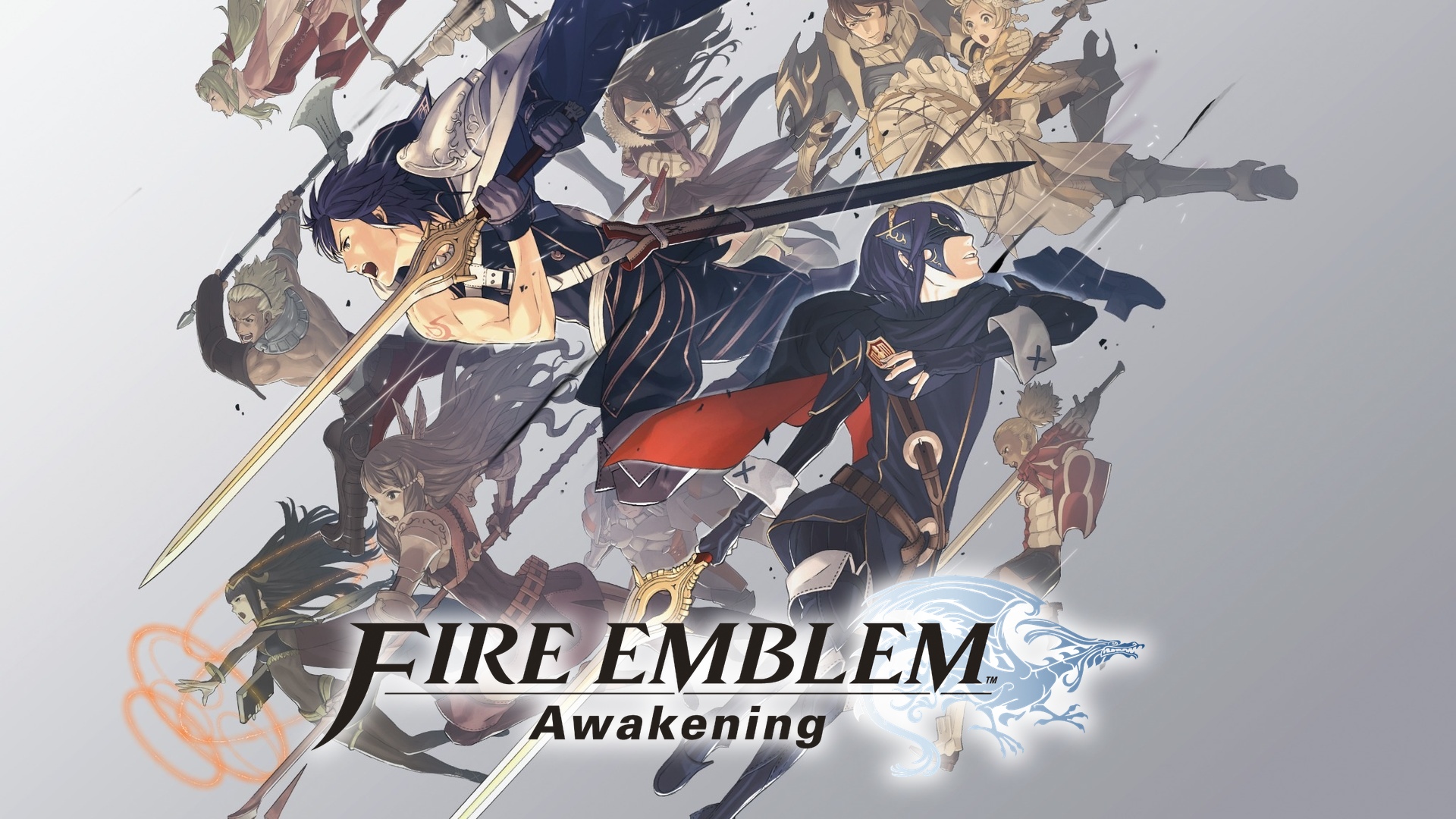
Fire Emblem Awakening was my first ever Fire Emblem game, and it made building an army wonderfully difficult to put down. I enjoyed discovering which characters worked together, taking them through different classes, and watching my decisions turn ordinary recruits into formidable fighters.
Its turn-based combat stayed fun throughout, even when the campaign struggled to match that flexibility with equally ambitious storytelling and battles. I definitely enjoyed my introduction to the series, but I also finished wishing Awakening had pushed more of its ideas further.
I completed the main campaign in around 30 hours, played all the optional paralogues, and spent another ten hours with DLCs. My playthrough used the 3DS version through an emulator on PC with texture packs, so the visual improvements I mention reflect that enhanced setup.
Fire Emblem Awakening begins with Chrom, prince of Ylisse and leader of the Shepherds, discovering your amnesiac protagonist, Robin. You can rename and customise this tactician, but they have a defined role within the narrative. Their mysterious background, the appearance of undead Risen, and a masked swordsman calling themselves Marth give the opening several questions worth following.
There is also more history behind the conflict than a peaceful kingdom being attacked without reason. Chrom’s father previously waged a destructive war against neighbouring Plegia, leaving his daughter Emmeryn to rebuild relations. Her commitment to peace contrasts with Chrom’s more direct instincts and Plegian king Gangrel’s provocations.
I genuinely liked this story. It remained easy to follow as the conflict expanded, and the connection between the present war and a threatened future gives the characters something personal to fight for. However, the move across the sea to confront Walhart’s empire in Valm loses some of the opening’s momentum.
The cinematics contribute to that imbalance. They look excellent and give early events real impact, but become much less prominent through the middle. A campaign involving an overseas invasion, resistance fighters, and divided loyalties has plenty of opportunities for that treatment.
Dialogue choices also promise more influence than they deliver. Most responses eventually return to the same narrative path, with the final decision providing the meaningful exception. Awakening gives considerable control over the people fighting its war, then very little over how that war unfolds.
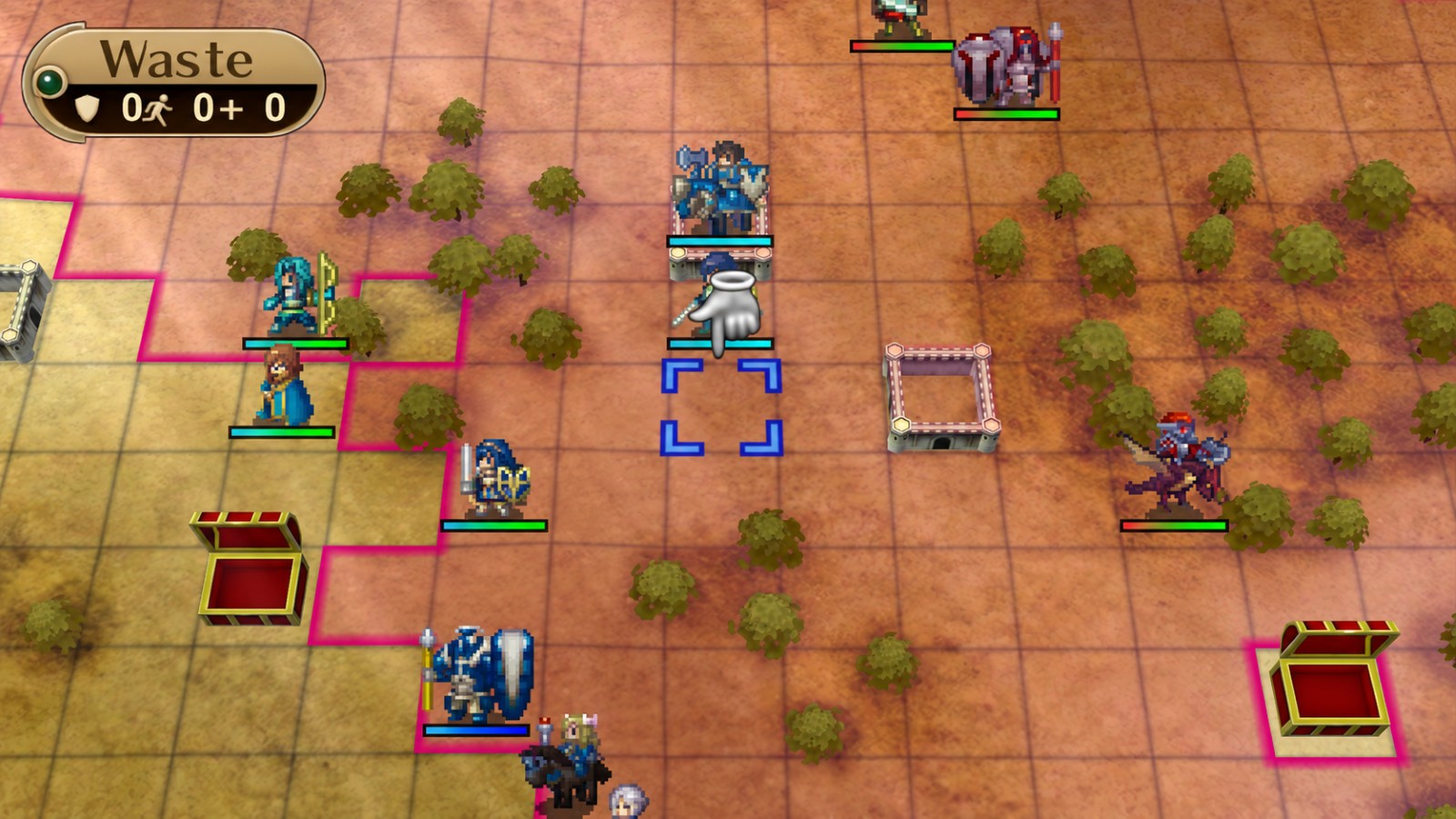
Fortunately, commanding those people was consistently enjoyable. Battles alternate between player and enemy phases, making positioning about both what you can accomplish immediately and what happens after your turn ends. The weapon triangle supplies a readable foundation: swords beat axes, axes beat lances, and lances beat swords. Beyond that, archers threaten fliers, magic attacks Resistance rather than Defence, and specialised weapons punish particular unit types.
Speed can determine whether someone attacks twice, while a character who handles physical damage comfortably may still be vulnerable to a mage. Weapon proficiency matters too, so handing a powerful weapon to an inexperienced user isn’t an immediate solution.
Pair Up brings relationships directly into those calculations. Two allies share a tile, with one leading and the other supplying bonuses influenced by their class, statistics, and support rank. You can switch the lead, making a partnership useful in different situations. A fast supporting character can help a slower fighter, while another partner might reinforce physical durability or magical power.
Dual Strikes and Dual Guards add the possibility of a supporting attack or a blocked enemy hit, including when suitable allies fight adjacent to one another. They also encouraged me to keep thinking about combinations instead of viewing every character as an isolated piece. I regularly paired people according to both battlefield usefulness and personality, including Chrom with Sumia and Maribelle with Henry.
In Fire Emblem Awakening, there are other ways to support the army besides dealing damage. Olivia’s dancing grants another action, while staff users can heal at a distance or use Rescue to reposition an ally. The available tools give combat room for experimentation, and that freedom kept the basic act of playing enjoyable throughout my run.
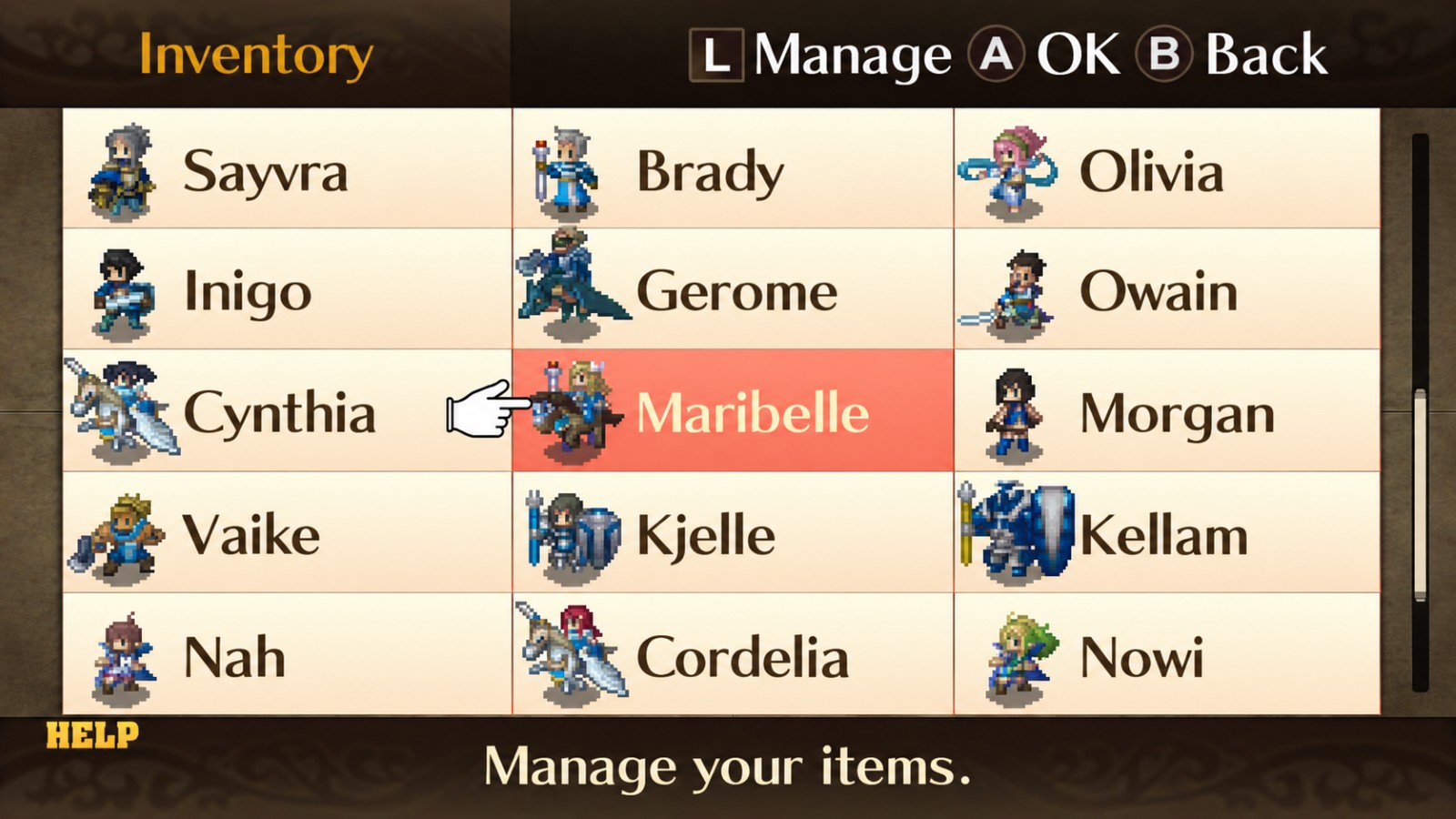
Class progression in Fire Emblem Awakening was one of my favourite parts. Master Seals promote eligible units into advanced classes, often through a choice of two branches. Cavaliers can become Paladins or Great Knights; Pegasus Knights can pursue the healing utility of Falcon Knights or the offensive magic of Dark Fliers.
Second Seals allow further experimentation through a character’s alternative classes. Learned skills remain available after reclassing, with five active slots encouraging you to consider which abilities belong together. Healing through Sol, piercing defences with Luna, or gaining another action through Galeforce represent different directions for a build, although reaching those skills requires the appropriate class progression.
Robin has particularly broad class access, while the starting Tactician skill Veteran increases experience gained when paired. I eventually developed him into a practically unkillable tank. That was immensely satisfying because he felt like the result of my choices. Levelling up, changing direction, and seeing the improvements in battle never stopped being rewarding.
Equipment progression complements those classes. Moving from basic weapons towards stronger options gives shopping a purpose throughout the campaign, while specialised equipment offers more than a simple increase in damage.
Each character has five inventory slots, so weapon coverage competes with consumables and other useful items. Most equipment also has limited durability. The convoy handles spare supplies, while shops across the world map and visiting merchants provide opportunities to replace or improve your stock.
You can also improve a weapon’s might, accuracy, or critical rate, spending money on something that already suits a particular character. Tonics offer temporary improvements, while permanent stat boosters provide another way to shape the army. Opening chests and finding hidden rewards also made individual maps more interesting to explore.
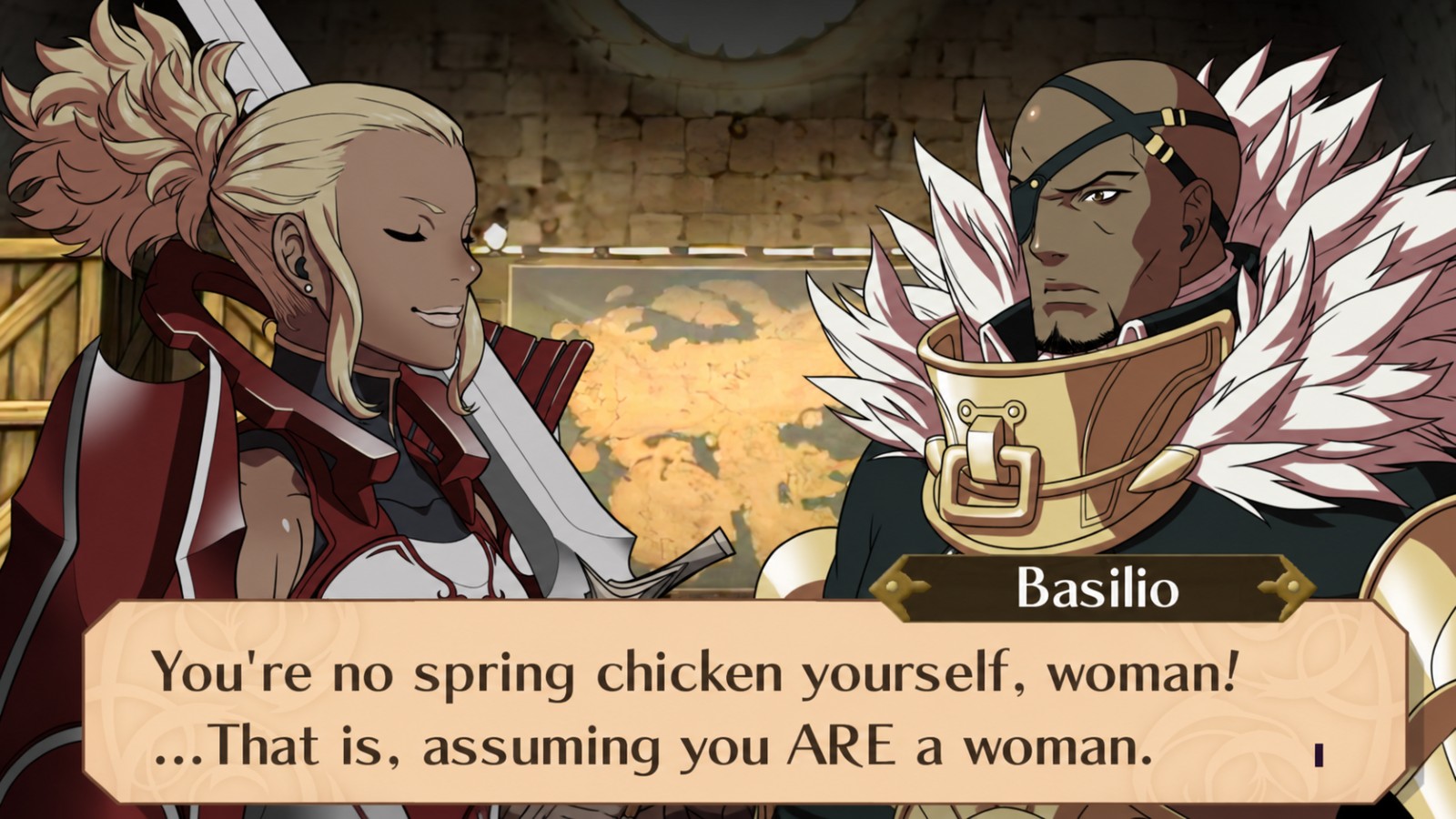
The characters offer plenty of different personalities. Frederick’s meticulous protectiveness contrasts with Vaike’s confidence, Miriel approaches things analytically, and Henry’s cheerful manner sits strangely alongside his dark magic. There are also more distinctive combat identities, including Panne’s beast transformations and the dragon forms used by Manaketes such as Nowi and Tiki. However, Fire Emblem Awakening keeps adding recruits who occupy familiar roles, and I quickly reached a point where replacing an established fighter felt unnecessary.
The children expose that problem most clearly. Without spoiling the details, their presence has a proper explanation tied to the story’s future. Mechanically, they inherit class options and statistical potential from their parents, plus an equipped skill from each under the usual inheritance rules. That can even give a child an ability from a class they cannot enter themselves.
Yet I found myself barely using them. I already had characters I liked, established partnerships, and a team that could handle the campaign. Some later recruits have even less time to justify rearranging that team. The possibilities are there, but I wanted more reasons to explore them naturally.
I did enjoy the optional paralogues. Their recruitment situations and additional stories made them interesting, worthwhile diversions. The issue was what happened afterwards: enjoying someone’s introduction didn’t necessarily make me want to spend the remaining campaign developing them.
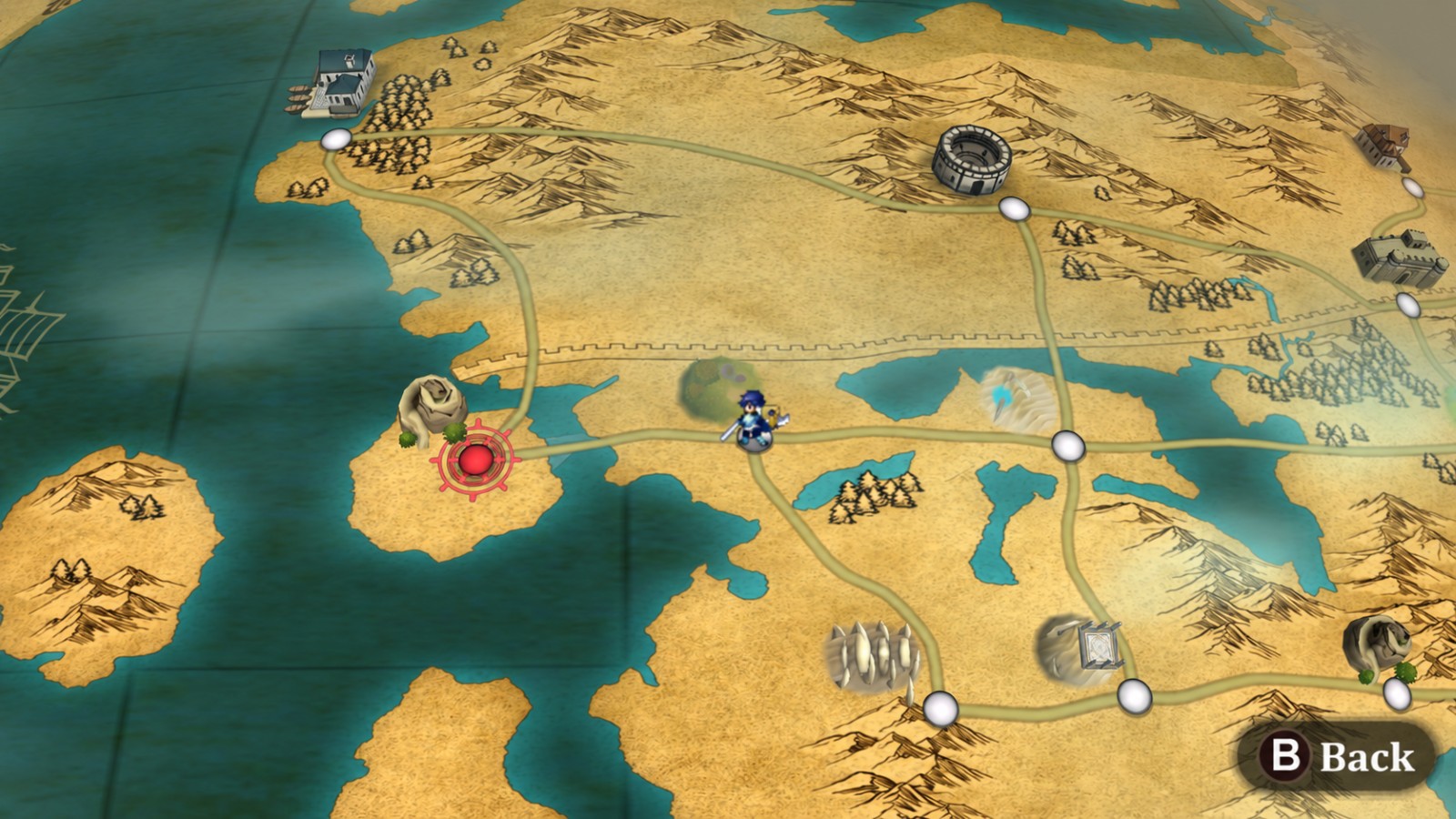
Support conversations build relationships through C, B, and A ranks, with eligible romantic pairings progressing to S and marriage. Characters can develop multiple friendships, but only one marriage. This means relationships involve commitment, and choosing partners can affect both your current army and the children available later. And yes, it’s possible only between male and female characters.
These restrictions, the differences between support lists, and the finer details of inheritance make the system more complicated than simply placing two people beside each other. I enjoyed discovering partnerships, but didn’t feel the game explained all those connections clearly enough.
My larger complaint is what follows S-rank. Marriage still has practical consequences, and family conversations and endings acknowledge it. However, the romantic development itself often feels finished. I wanted to see more of how a couple behaved after committing to each other, rather than having the proposal serve as the destination.
The same sense of stopping short affected several major confrontations. The enemy roster uses many of the same classes and weapon interactions as your army, meaning a dangerous formation should offer opportunities to test everything you have learned. Instead, some chapters and bosses on Normal ended too quickly to establish much tension.
That doesn’t contradict how much I enjoyed combat. Individual turns remained entertaining, and character progression kept giving me something to pursue. What disappointed me was the overall encounter design: a confrontation could be important to the plot without becoming a memorable tactical challenge.
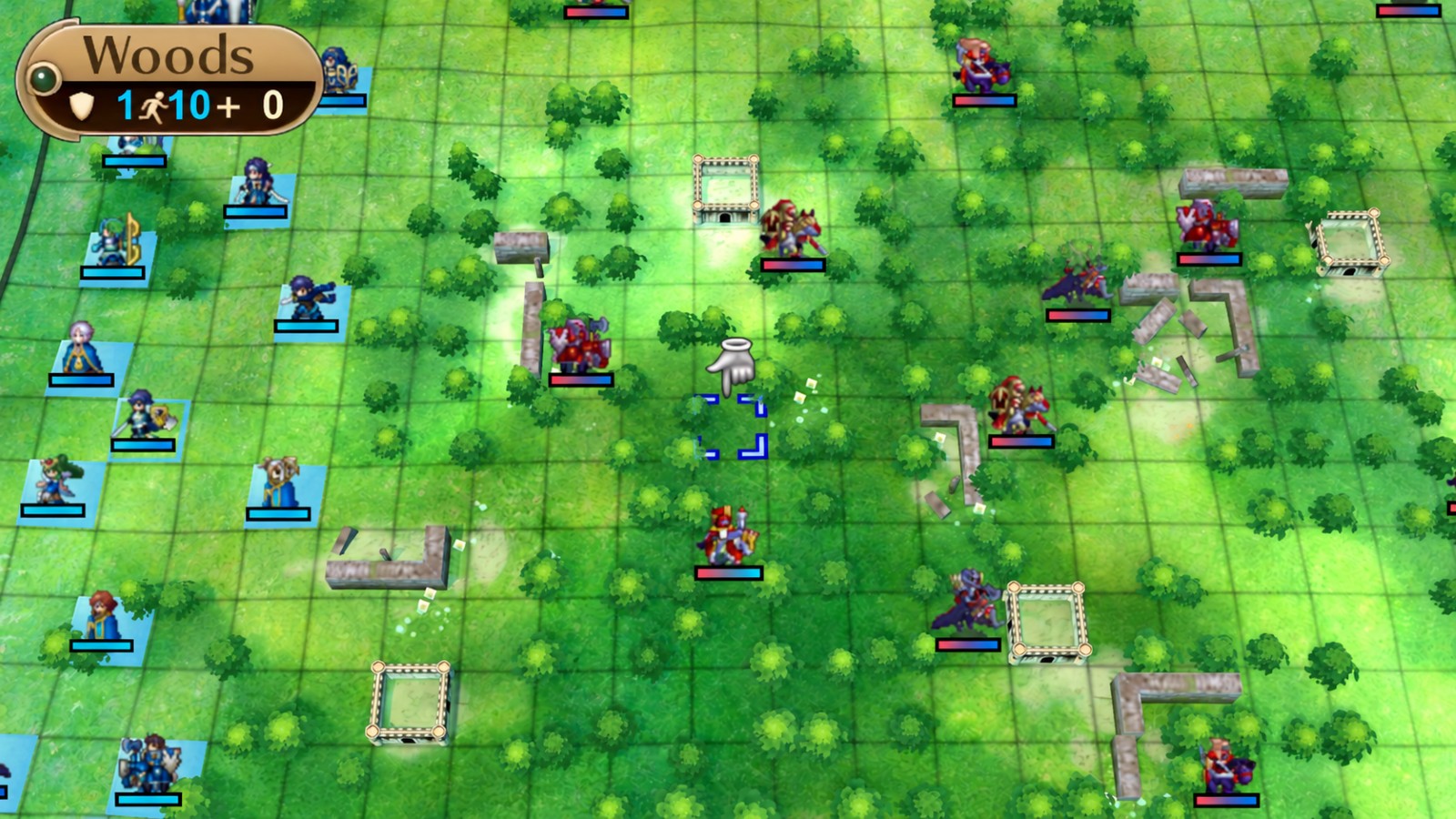
Visually, my experience was uneven. I liked the combat animations and excellent cinematics, but much of the dialogue uses short voiced phrases rather than full performances. Texture packs helped enormously and made parts of the game look amazing on my setup. Those enhancements deserve to be distinguished from the original 3DS presentation, whose small-screen origins remain apparent on a PC display.
There is also no full New Game Plus carrying your developed army into another campaign. Renown and the Avatar Logbook provide limited continuity, but different pairings and higher difficulties still mean replaying the same central story and encounters. I can see the appeal for someone invested in exploring every build. For me, those alternatives weren’t enough to make another complete run compelling.
Nevertheless, Awakening left me glad I had finally tried Fire Emblem. I enjoyed its story, loved developing my characters, and never stopped having fun with its combat. My frustration comes from how often it showed me an exciting possibility without following it far enough. The army I built remains the strongest memory of those forty hours, and that satisfaction survived the limitations surrounding it.
Awakening is worth playing if you enjoy developing characters, experimenting with tactical partnerships, and shaping an army over a massive campaign. Its flexible progression and consistently enjoyable combat outweigh its shortcomings, provided you can accept uneven pacing, limited story agency, and romance that offers little development after marriage.
Ending Thoughts
Nintendo 3DS version, emulated on PC with texture packs
Code Geass: Lost Colors now has a complete fan-made English patch for PS2, including the platform-exclusive Blue Moon route.
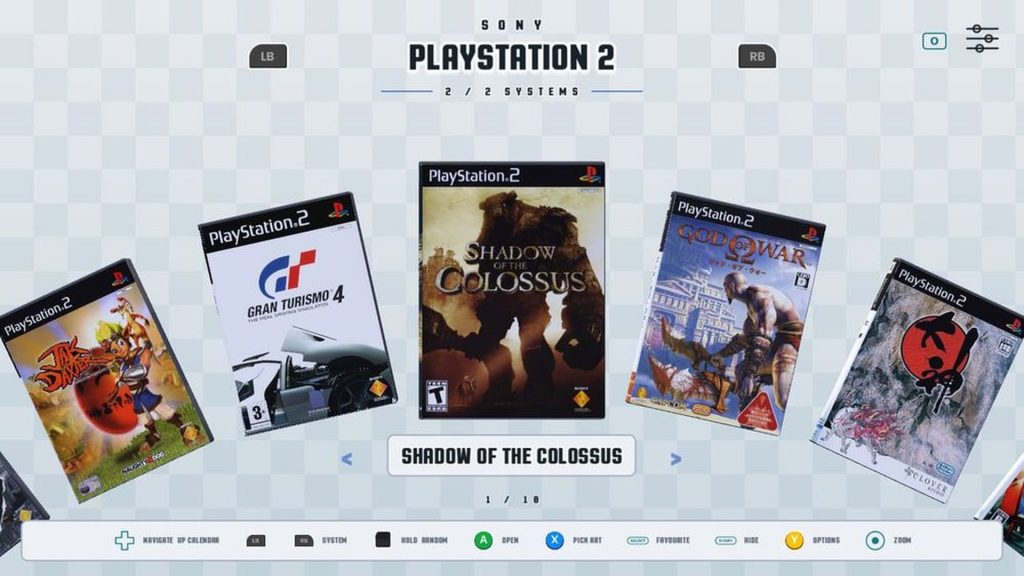
DigiBitPlay presents digital game libraries through interactive 3D boxes, discs, cartridges, consoles and scanned manuals.
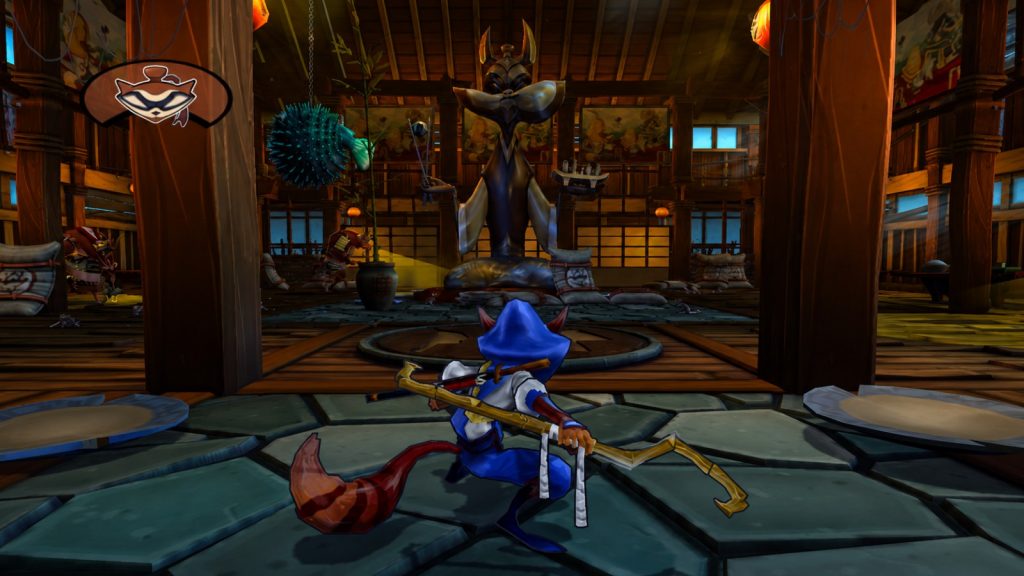
Project Cane shows new Sly Cooper PC footage, but the unofficial native port still needs menus, audio, saving, controls and…
Donkey Kong 64 now runs natively on Windows, Linux and macOS with widescreen, uncapped frame rates, modern controls and optional…
PCSX2 2.8.0 delivers major performance and graphics improvements alongside EyeToy support, interface upgrades and bundled FFmpeg.

Mr. Nutz and the previously unreleased Mega Drive sequel Hoppin' Mad are receiving new physical cartridges from Strictly Limited Games…

Sony will close the PlayStation 3 Store in July 2027, while RPCS3 fully supports 75% of the console's library, highlighting…
The Forever Project aims to make physical game releases more affordable for indie developers through a partnership between 33 Games…
Indie developer Oscar Celestini is expanding his retro-inspired platformer with Jixa Lady Tiger Plus, an enhanced edition that significantly builds…
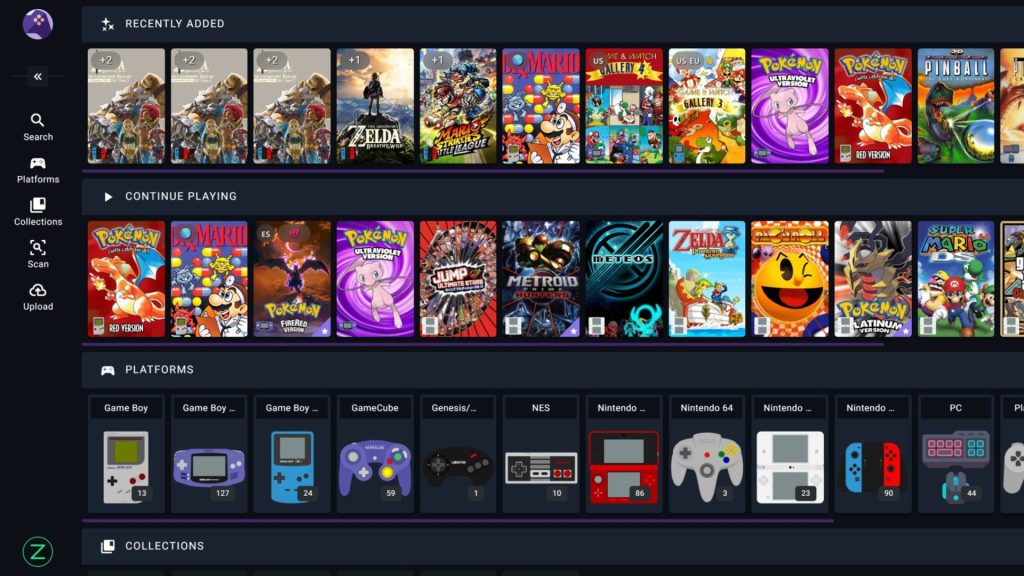
RomM is a free, open-source, self-hosted platform that organizes ROM libraries, fetches metadata, and supports browser-based emulation.
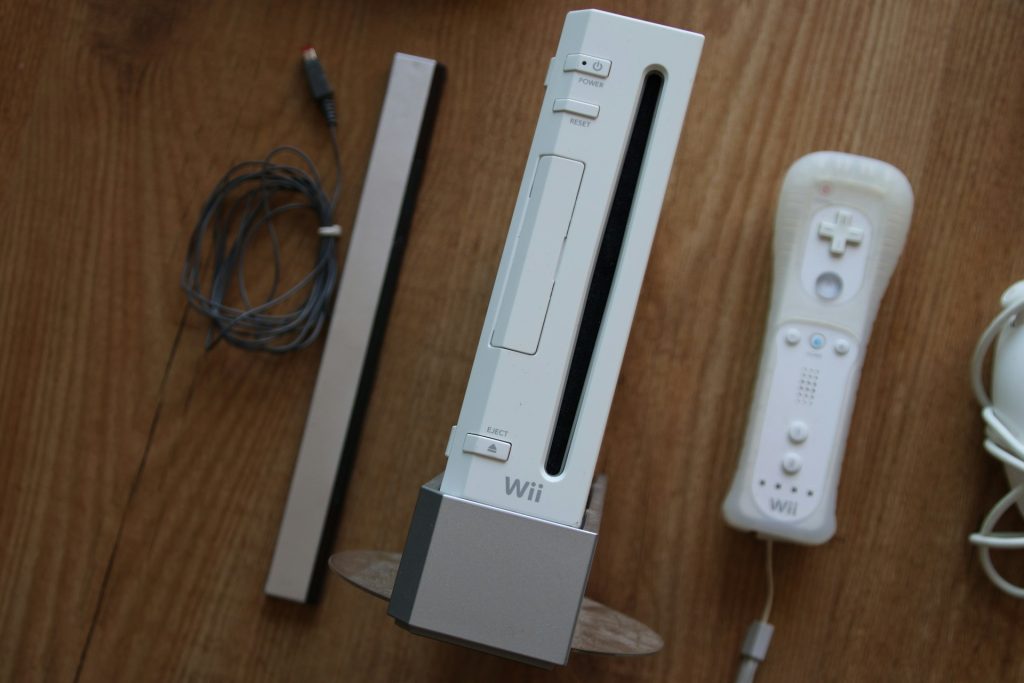
The developers behind Wii64 have released Beta 1.4, marking the Nintendo 64 emulator's first major update in more than five…
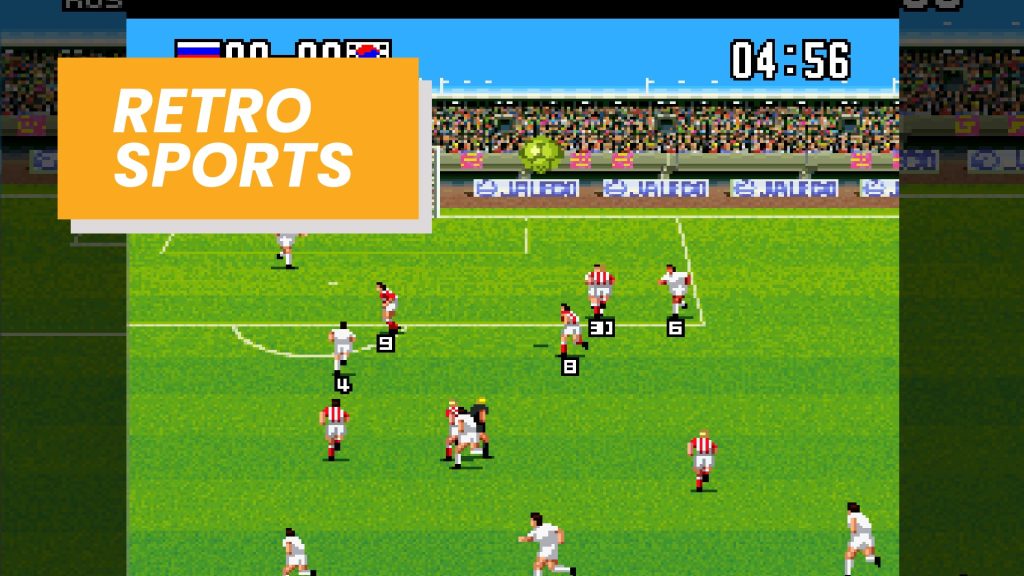
Rock It Games has brought Jaleco Sports: Bases Loaded II and Goal! Two to PC after successful Nintendo Switch and…
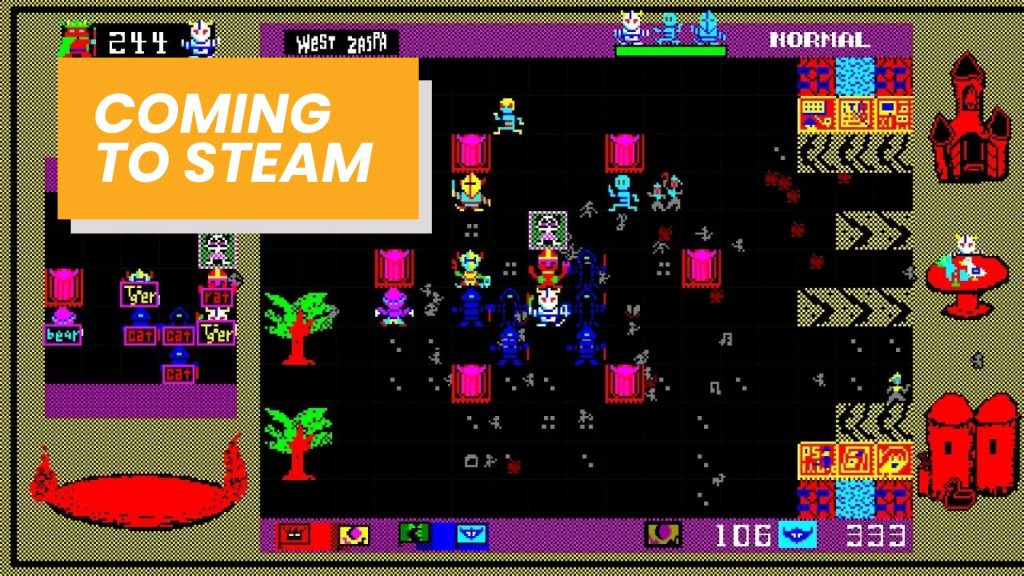
Developer Pygmy Studio has announced that Bokosuka Wars II will launch on PC via Steam in 2026, bringing the tactical…
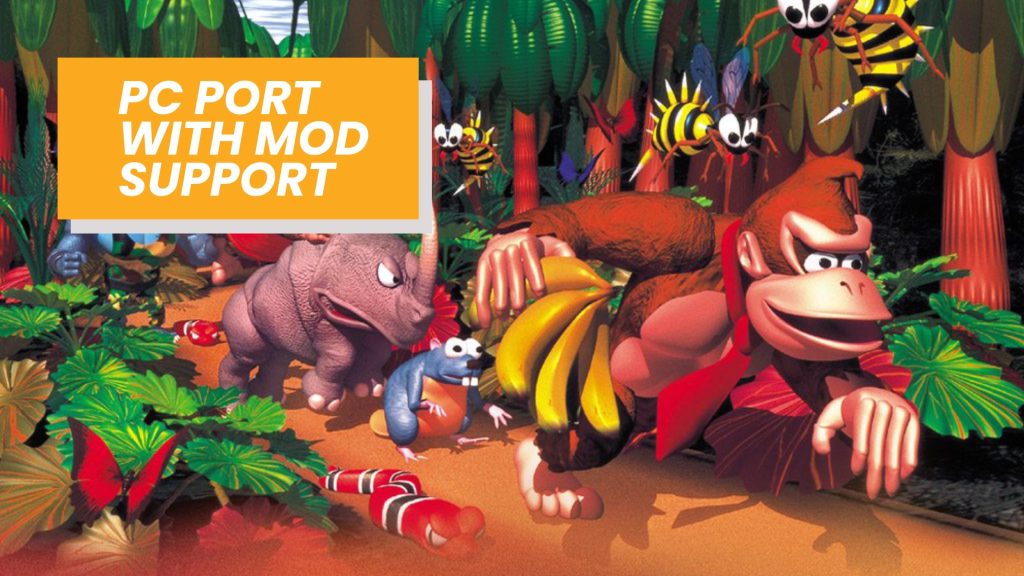
An unofficial native PC port of Donkey Kong 64 is in development, bringing rare's Nintendo 64 classic to modern hardware…
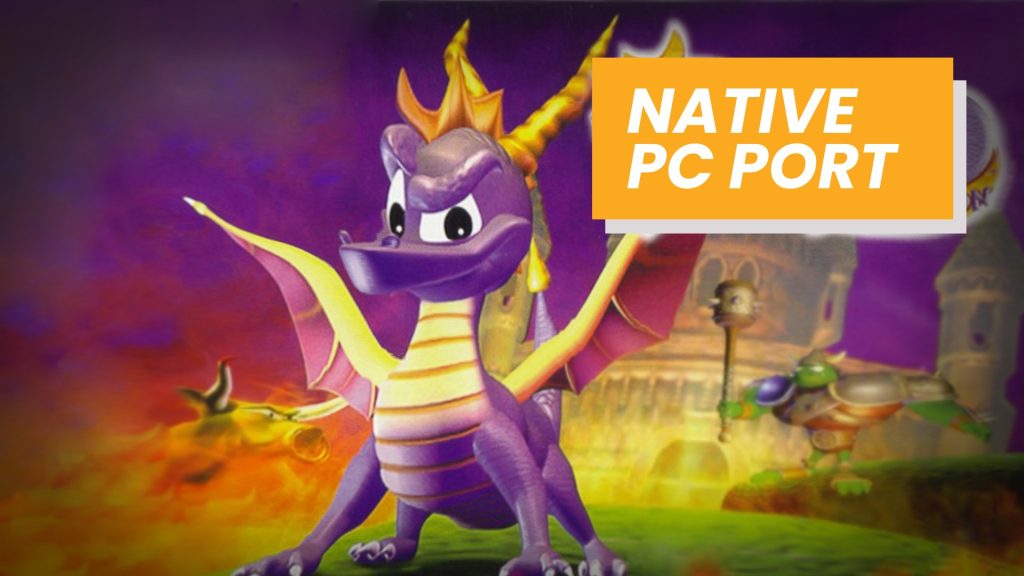
A fan-made native PC port of the original Spyro the Dragon is officially in development, bringing the 1998 PlayStation classic…
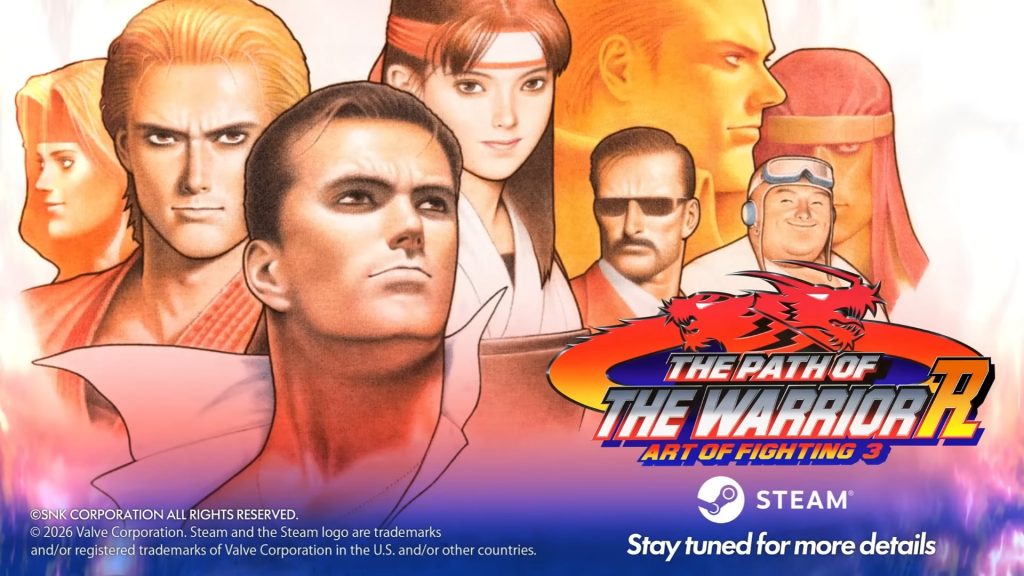
SNK has officially announced The Path of the Warrior: Art of Fighting 3 R, a modernized version of the 1996…
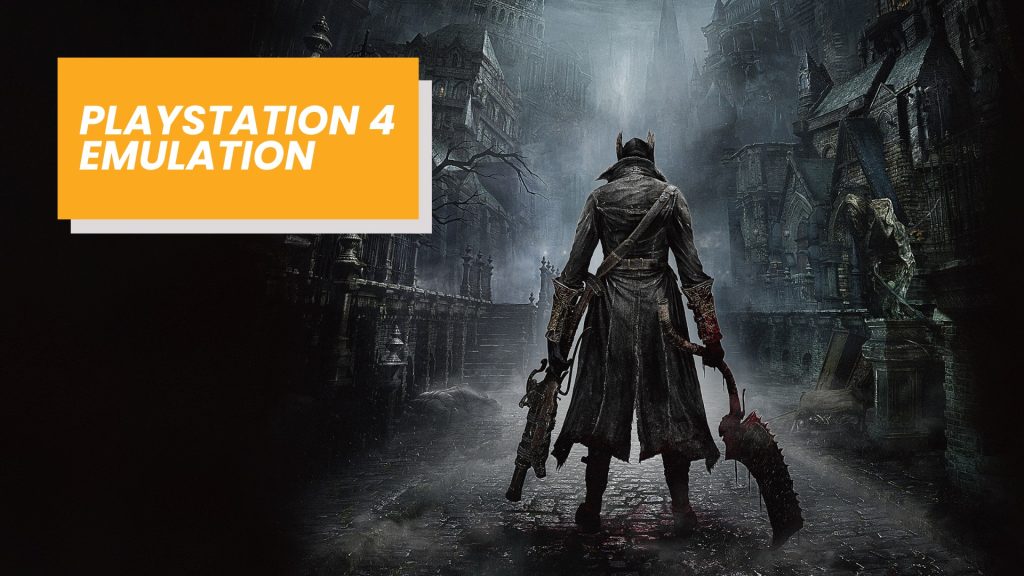
The developers behind ShadPS4 have introduced a major new feature that moves PlayStation 4 emulation closer to a complete experience.
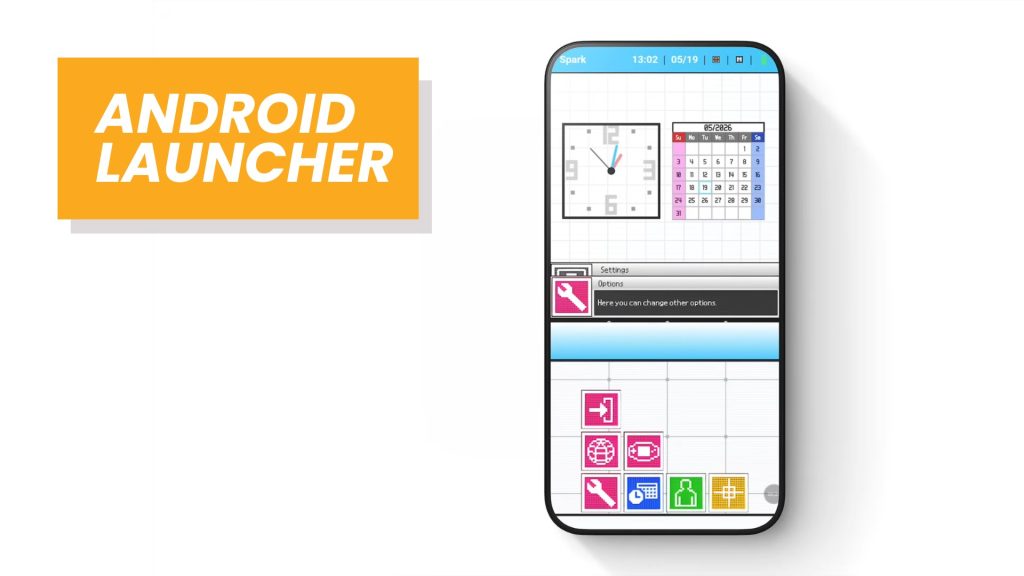
DS & DSi Launcher brings the classic Nintendo DS and DSi interface to Android, giving retro fans a nostalgic way…
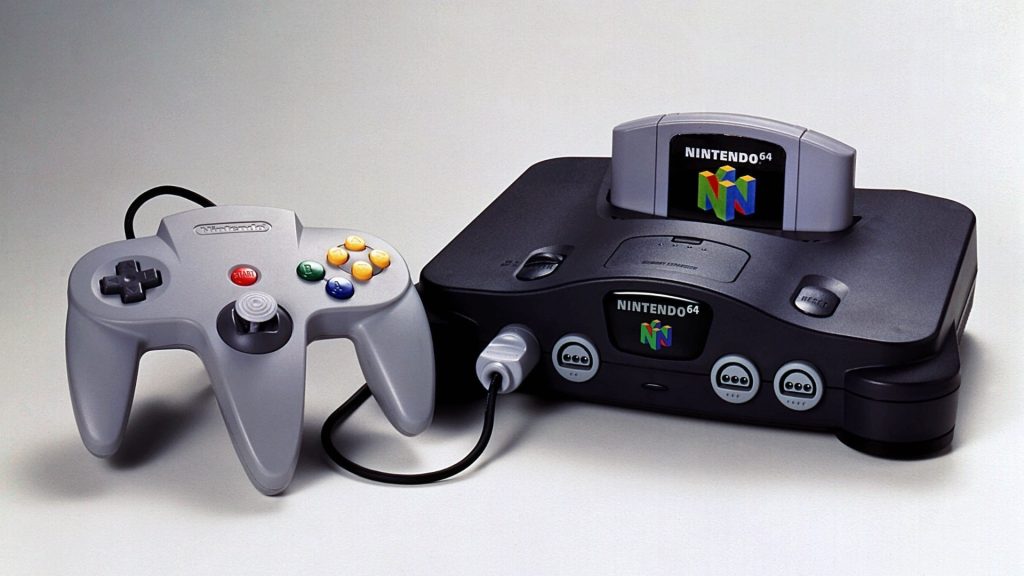
Today marks 30 years since the launch of the Nintendo 64 in Japan, and for many, that's enough to trigger…
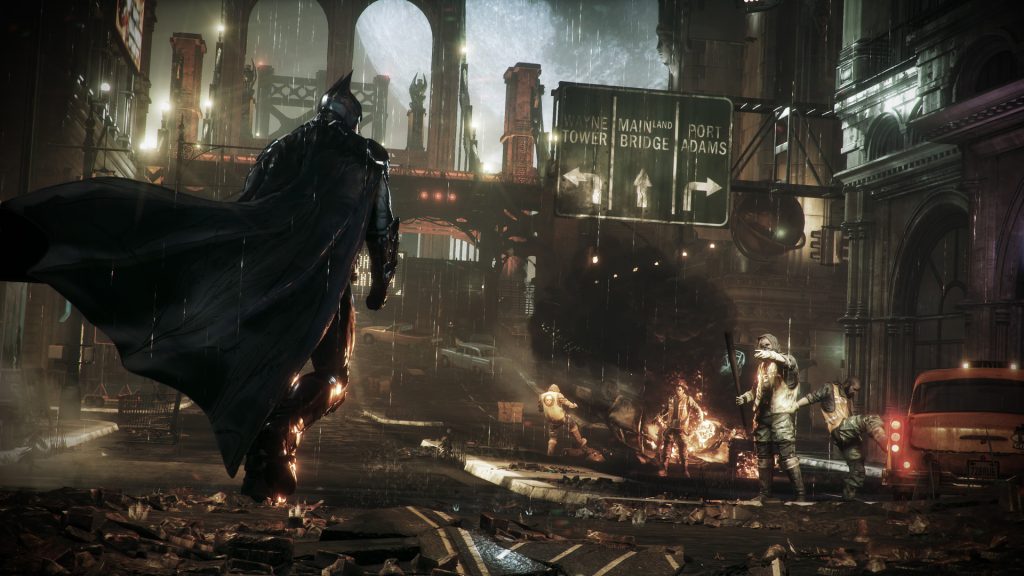
It's hard to believe, but Batman: Arkham Knight is officially 11 years old today. This title was Rocksteady's final chapter…
