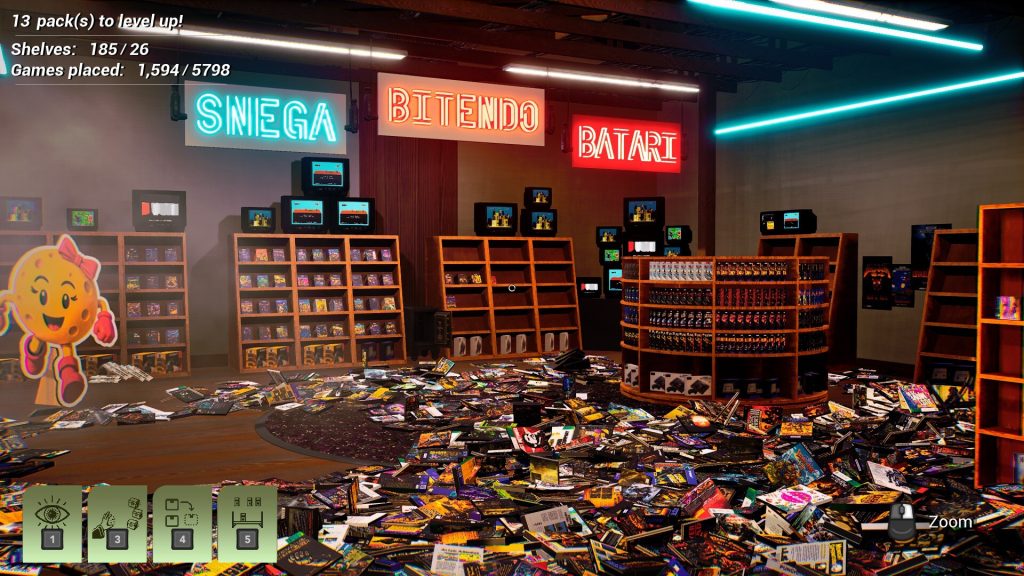
A Cat Scattered 5,798 Games Across This Cozy Supermarket Simulator
MY CAT SCATTERED GAMES asks players to organize 5,798 games and consoles before rescuing a cat trapped inside a claw…


If you enjoy independent indie game coverage, consider supporting Indie-Games.eu on Patreon. It helps keep the site independent.
The now former CEO of Arrowhead Studios, Pilestedt, held a talk titled “You won’t believe this actually happened, and neither do we” at the Nordic Game Spring 2024 event. He spoke about the success of Helldivers 2, how the studio operates, the challenges they faced, and why it took them so long to create a sequel to an already popular game.
Initially envisioned as a cooperative action shooter, the game aimed to put players in the roles of the “bad guys” of the galaxy, similar to stormtroopers from popular culture. Pilestedt explained: “The concept is inspired by the idea of being one of the background characters, like the stormtroopers trying to break into the cell block in Star Wars and then get shot by Han Solo. The question is whether players could fare better in that kind of scenario, trying to capture enemies while defending their stronghold, similar to the Death Star, and survive a galactic war without advanced armor.”
However, the development process turned out to be far more complex and time-consuming than initially expected. “They asked us if we wanted to make a sequel to Helldivers, and we said, ‘Yeah, I think that sounds really fun because it’ll be easy.’ We already know the game… we could probably do it in three years,” Pilestedt said. Despite this optimistic outlook, the project took nearly eight years instead of the estimated three.
A major challenge was the rapid expansion of the development team. It originally consisted of around 10 people for Helldivers 1, growing to 16 by the end of that project. When development on Helldivers 2 began, the team quickly merged with another, resulting in a sudden increase to 35 members, eventually reaching 100. Managing such rapid growth proved difficult, causing recurring issues that the studio struggled to resolve, often finding themselves in trouble.
“The ways of working that suited a small, flexible group became problematic as the team expanded,” Pilestedt explained. Fast, informal decision-making processes led to chaos and misunderstandings within the larger organization. This chaos not only affected project efficiency but also contributed to stress and reduced productivity. The reluctance to adopt more structured, corporate processes further exacerbated these problems. “The team wanted to keep the indie spirit and avoid the pitfalls of large organizations full of politics. However, that idealism conflicted with the practical needs of managing a much larger team,” he concluded.
Pilestedt emphasized that organizational structure, proper planning, and efficient processes are not incompatible with maintaining a flexible and dynamic team environment. “Without proper structure and planning, an organization can swing to the opposite extreme, resulting in overly rigid processes and excessive organization, where communication pathways become strictly enforced and cumbersome,” he noted.
During the development of Helldivers 2, the team struggled to adapt to the shift away from small-team workflows, which created significant design, technical, and art debt. While manageable in a small team, this debt became unsustainable in a larger organization, leading to an accumulation of unfinished tasks and inefficiencies. In addition, common development challenges such as scope creep and changes in business models further intensified their difficulties. At one point, they faced a major setback when Autodesk discontinued the Stingray engine they were using, forcing them to consider building their own engine.
Despite the obstacles, Pilestedt attributes the team’s resilience to their “grit, togetherness, and compassion.” The team’s determination, mutual trust, and empathy toward players were the driving forces that carried them through difficult times. The team constantly pushed deadlines and expanded the scope of work, but they never managed to fully catch up, creating a constant state of trying to stay afloat. Pilestedt concluded, “Maintaining a balance between flexibility and structure is crucial in game development. Without that balance, rapid growth and shifting project needs can lead to significant challenges, as we experienced with Helldivers 2.”
MY CAT SCATTERED GAMES asks players to organize 5,798 games and consoles before rescuing a cat trapped inside a claw…
Retro corridor shooter Cop Bastard has partnered with Retrovibe for an October release, accompanied by a faster and more polished…
Keep Driving launches on Switch, PS5 and Xbox Series X|S on September 28 as its PC edition receives official Steam…
Gungrave G.O.R.E: Blood Heat shows its rebuilt combat, including parries, close-range attacks and faster 360-degree movement.
Sugar Lies follows a young man who hates dishonesty and a girl living behind a perfect persona when it launches…
Deified leaves Steam Early Access on September 21 with its narrative ending, final boss floor, balance improvements and hidden content.
Triple-i Initiative returns October 8 with 40 games, eight world premieres and 45 minutes of trailers, release dates and reveals.
Woodo launches September 16, inviting players to rebuild childhood memories through cozy, handcrafted wooden dioramas.
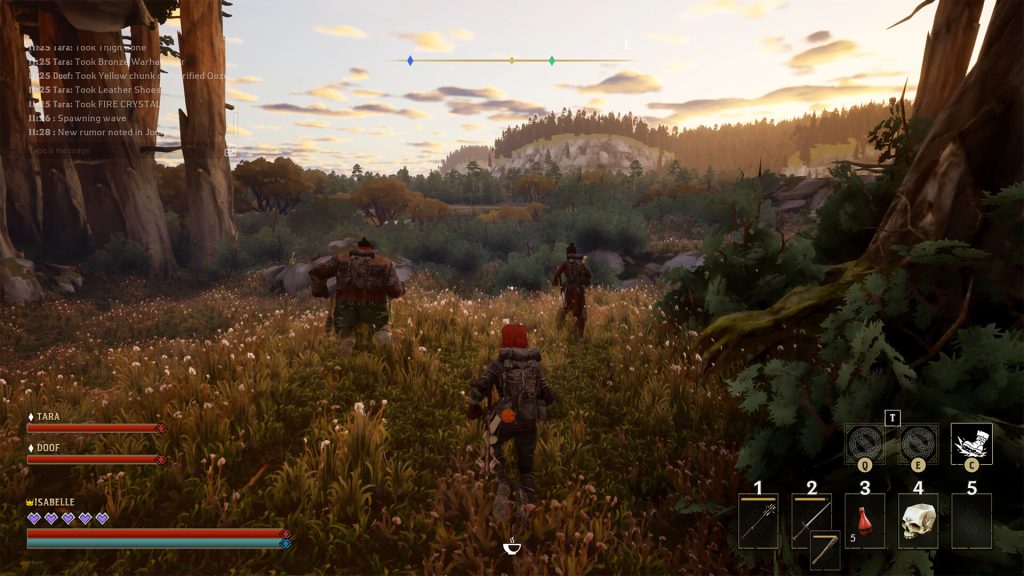
Curve Games signs Wyldheart in one of its biggest recent investments after the co-op RPG surpasses 375,000 Steam wishlists.
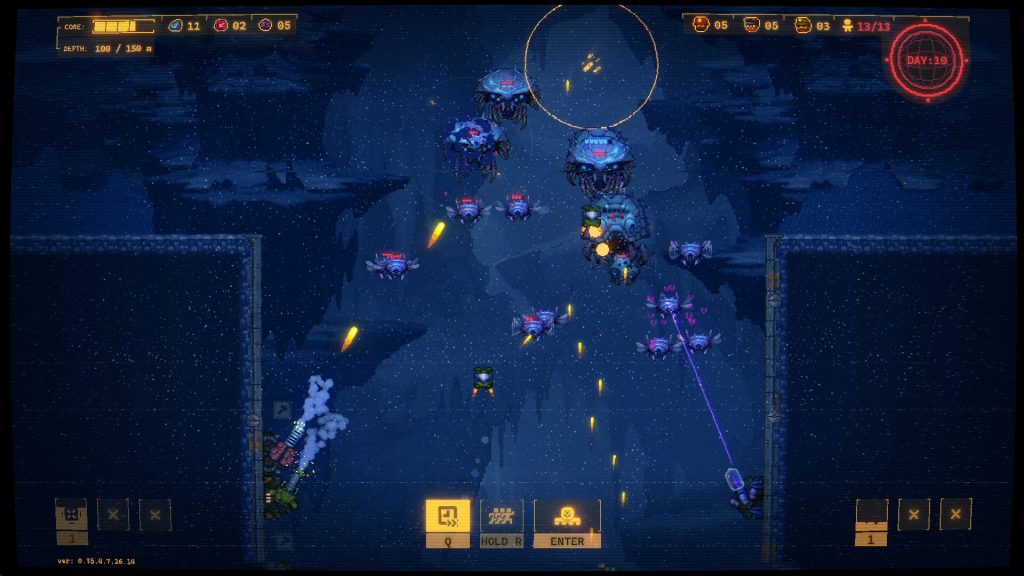
Drill Core’s free Anniversary Update adds Relaxed Mode, new bounties, specialists, platform skins and several quality-of-life improvements.
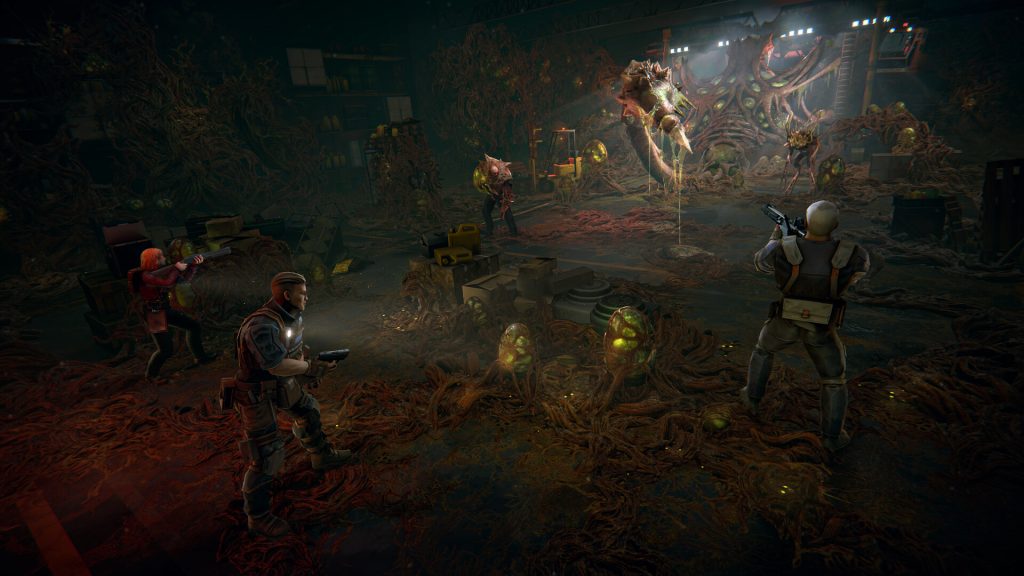
Critical Shift’s free two-hour demo combines real-time exploration with tactical combat inside a compromised Antarctic facility.
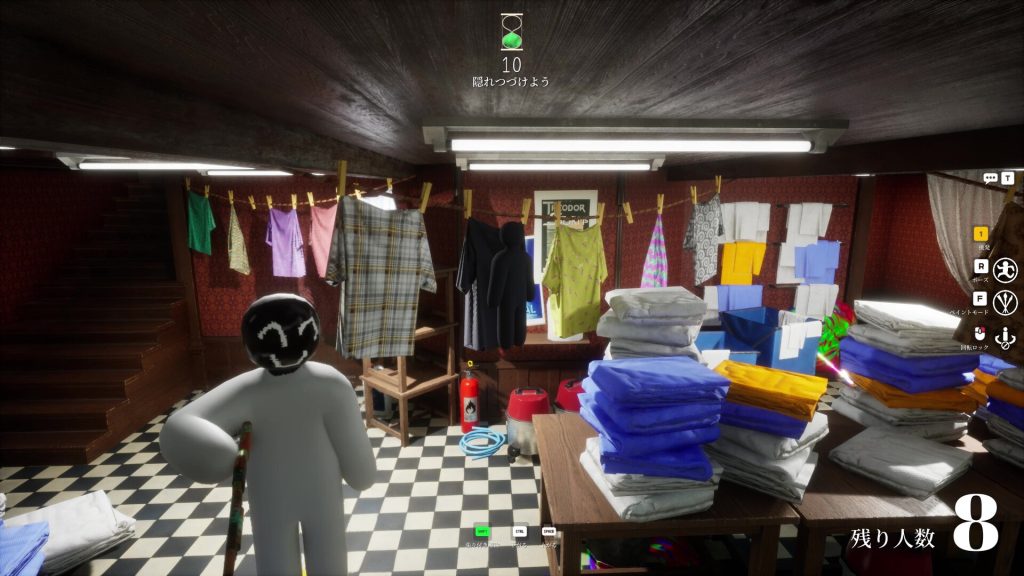
Meccha Chameleon brings its paint-based multiplayer hide-and-seek matches to Nintendo Switch 2 with a temporary $4.79 launch price.
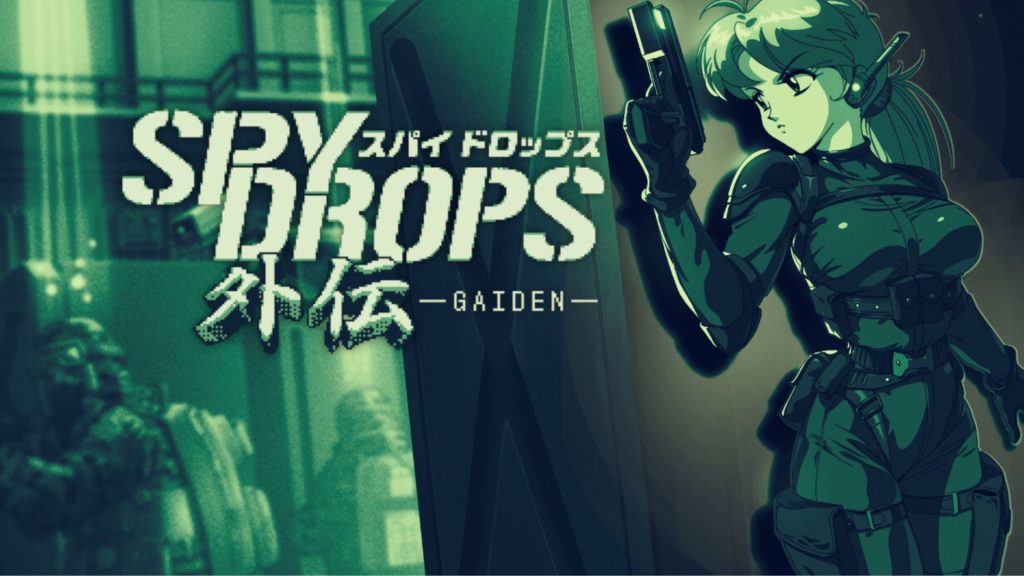
Spy Drops Gaiden brings Game Boy-style stealth, eight covert missions and intel extraction to Steam on October 12 for €4.99.
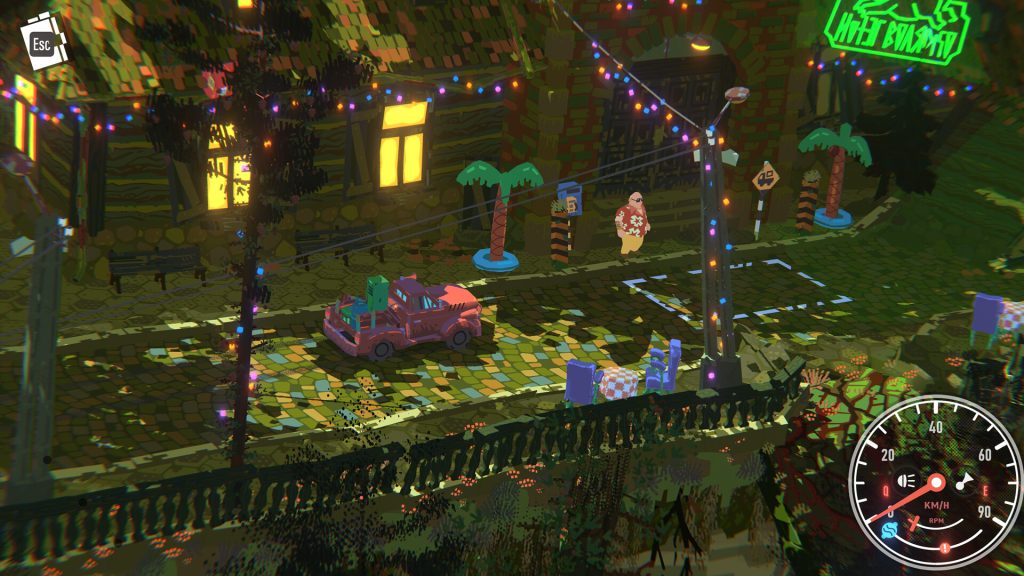
Truckful launches October 9 on Steam and Android, combining physics-based deliveries with vehicle upgrades and a mystery inside an ancient…
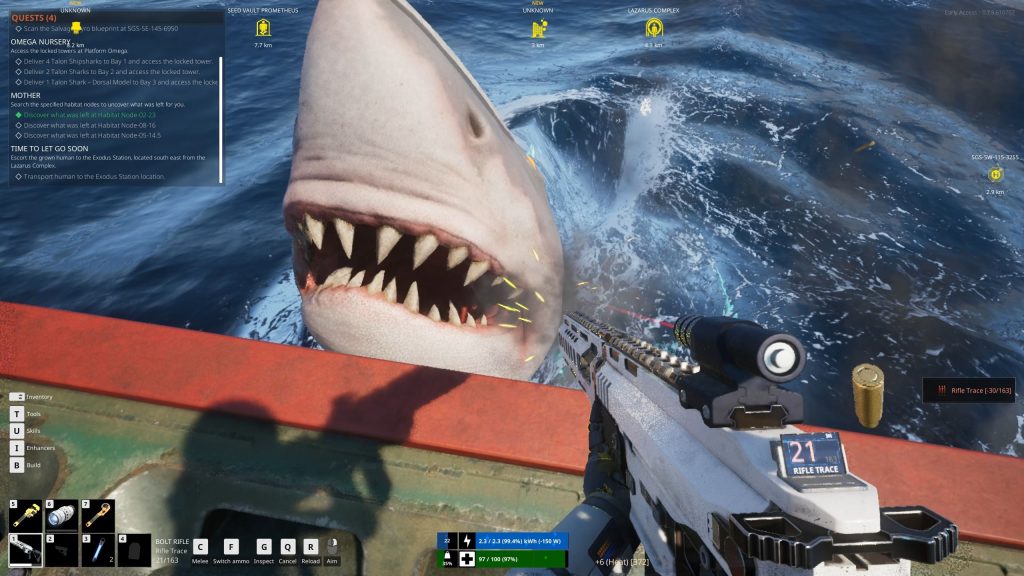
The Last Caretaker reaches version 1.0 in spring 2027 and joins Xbox Game Pass on day one after selling over…
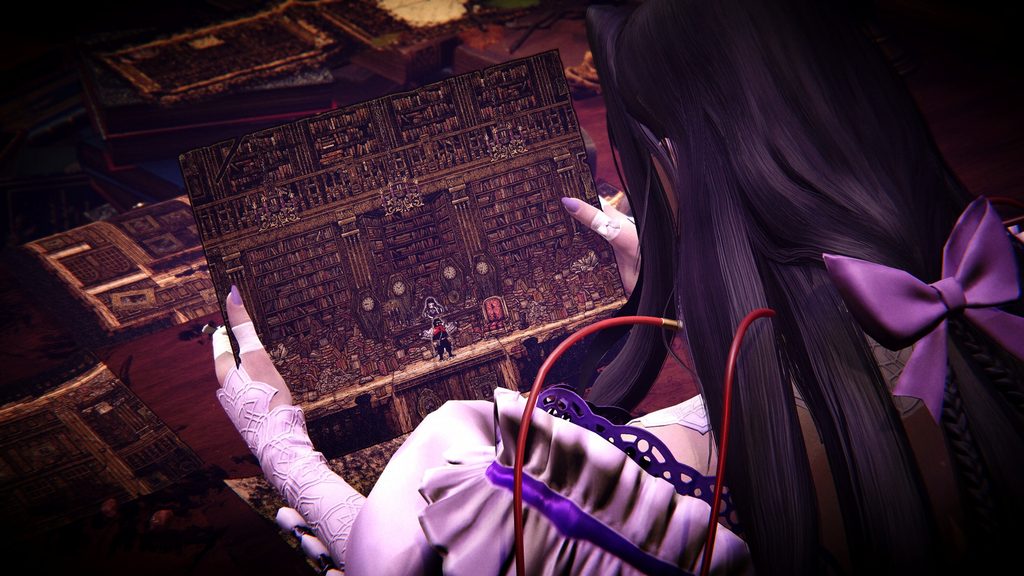
Chronoscript: The Endless End moves to early summer 2027 as DeskWorks! improves combat responsiveness, menus and visual readability.
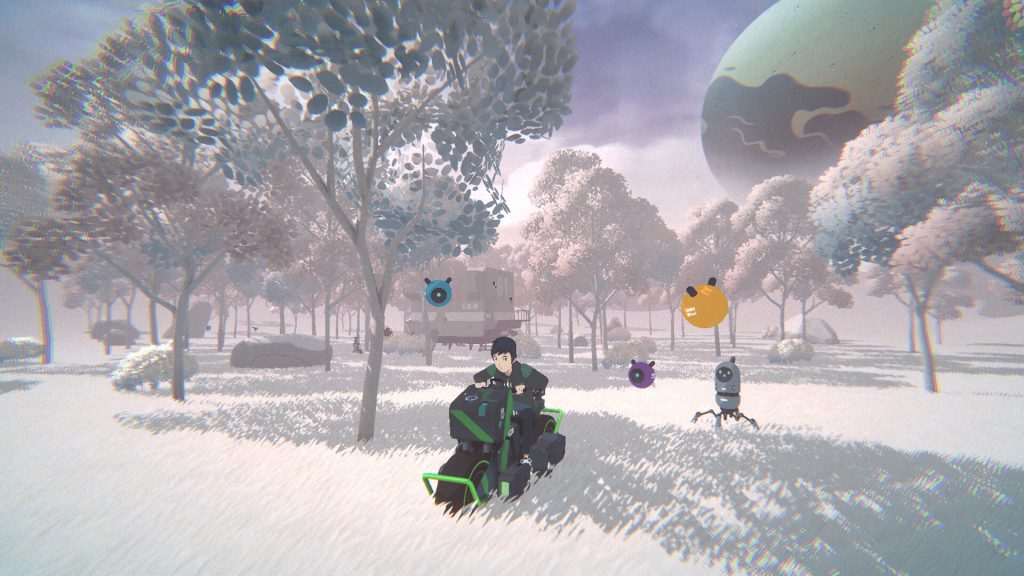
HEIMA is a parallel-world puzzle adventure from former Terra Battle developers, coming to PC in 2028 with SHIFT and HOLD…
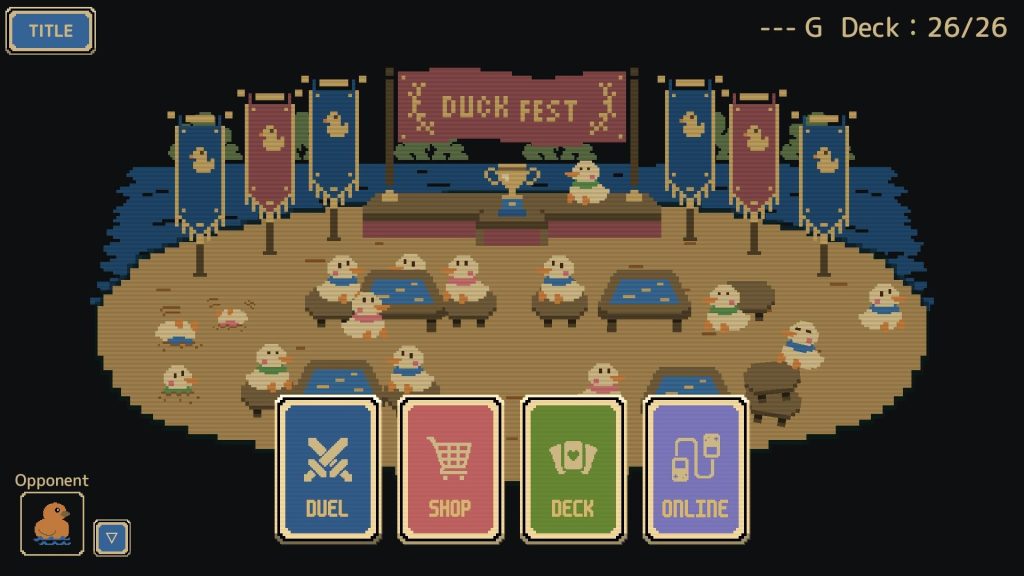
Duck Fest combines deck building and 1v1 battles with collectible cards that players can trade through the Steam Community Market.
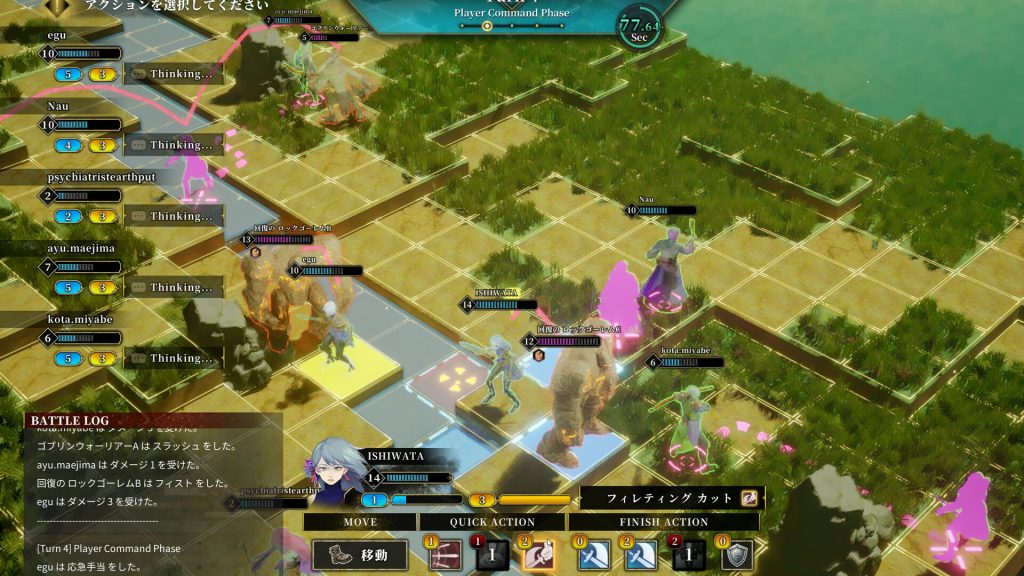
Tactful Tactics is a 1–6-player cooperative RPG where everyone plans and executes their actions simultaneously.
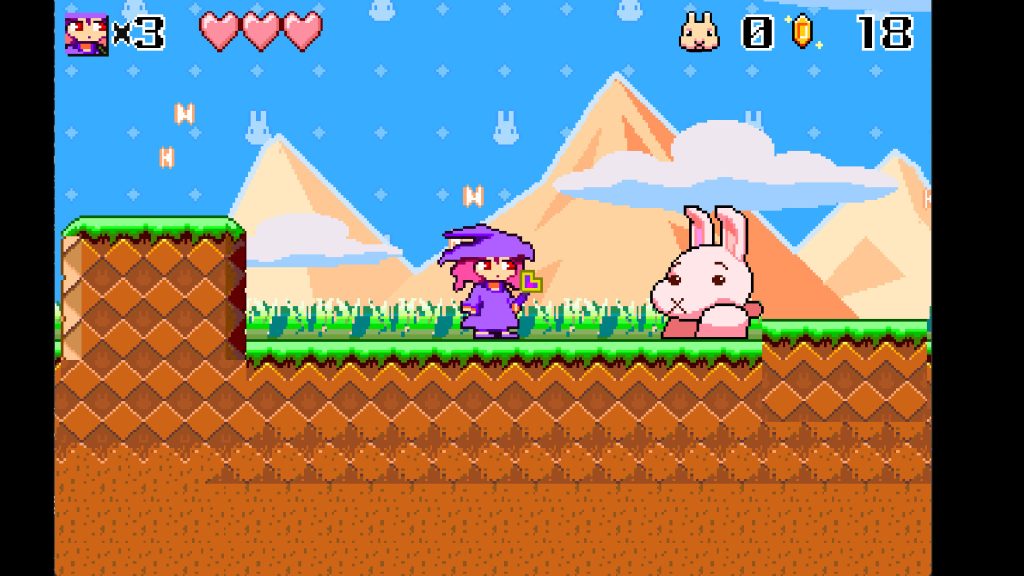
SakuSaku Witch is a retro-inspired 2D platformer about magic, bunny monsters and a suspicious toy company, coming to Steam in…
