
If you enjoy independent indie game coverage, consider supporting Indie-Games.eu on Patreon. It helps keep the site independent.
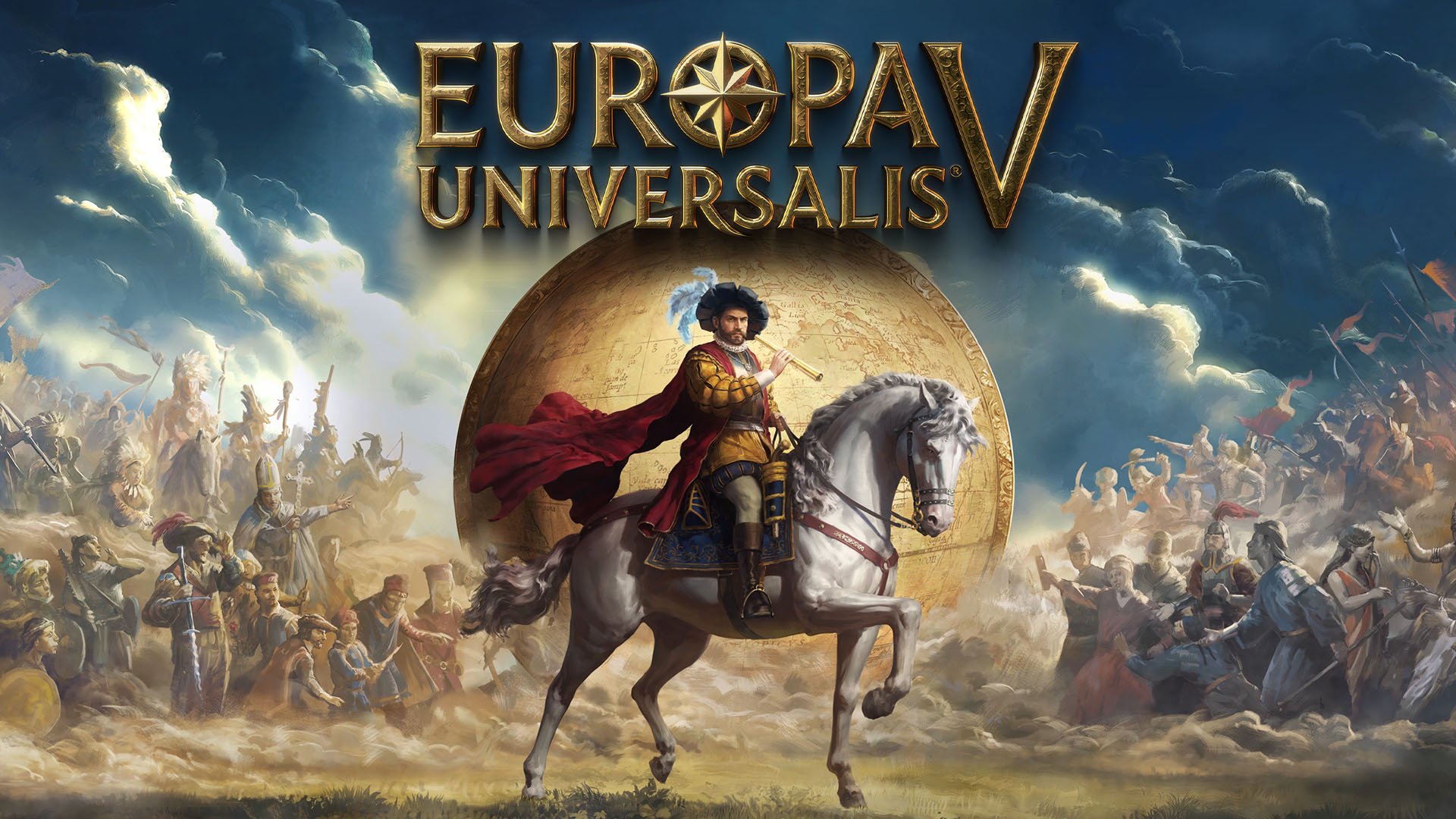
After 13 years, Paradox Interactive is concluding a legendary chapter with Europa Universalis IV and slowly preparing to pave the way for Europa Universalis V. The exact release date is not yet known, but we certainly have the right to be excited. Paradox today unveiled the first trailer for the game and officially confirmed that we will be playing it sometime during 2026 on PC via Steam.
On the occasion of the 25th anniversary of the first Europa Universalis game, this fifth installment, which has been in development by Paradox Tinto for five years, combines all the familiar empire-building mechanics with modern innovations. With input from the passionate player community through a year of public discussions, Paradox Interactive aims with this game to attract long-time fans as well as newcomers with its vast scope and improved systems.
Europa Universalis V takes you to the 14th century, specifically the year 1337, at the start of the Hundred Years’ War, and extends through the Renaissance, the Enlightenment, and beyond. It offers a larger, more precise world map with improved projections, graphics, and UI, allowing us to lead hundreds of nations across all continents.
A new Population System replaces the traditional focus on provinces, so we will be able to manage the cultural, religious, and economic dynamics within our empires. Furthermore, we will have to balance the influence of the estates, satisfy the needs of diverse populations, and navigate thousands of dynamic historical events that will challenge us to replicate or reshape the past.
The game’s economy is driven by a detailed production and trade system, where you build farms, plantations, and factories to supply goods for economic and military needs. Trade networks, facilitated by roads, ports, and ships, allow you to import resources or export products to acquire wealth, with some buildings requiring specific goods to function. National customization is also key, with policies, laws, and military structures adapting to technological progress and your goals, whether you are centralizing power, embracing tolerance, or building an elite army.
On the other hand, military and diplomatic options offer greater flexibility for domination through conquest or espionage. You can mobilize soldiers, mercenaries, or maintain a professional army, but wars now directly affect your population. Diplomacy includes royal marriages and trade agreements, offering peaceful ways to expand your influence.
The GameSpain Spring 2026 showcase, which featured of 24 indie games, has been aired sooner today on ClemmyGames YouTube channel.

According to the developers, the delay comes down to a late-stage issue discovered during final development, one that could have…
![[OPINION] PC Gamer’s Windrose Take Is Everything Wrong With Modern Games Journalism](https://www.indie-games.eu/wp-content/uploads/2026/04/Windrose-2-300x169.jpg)
The PC Gamer's article "After 4 hours of pirate survival in Windrose, I'm reinstalling Sea of Thieves" shows everything wrong…

Among the removed games are family-oriented titles based on popular films such as Chicken Little, Bolt, and G-Force.
The main campaign lasts between 50 and 70 hours, and Pocketpair has already confirmed long-term support throughout the Early Access…

Perceptum is an upcoming psychological horror title developed by the two-person team at Duck Reaction, and early impressions suggest it…

According to the development team, the delay will allow for additional refinement, including bug fixes and expanded quality assurance.
One of Bridgebourn's most striking features is its visual presentation, which uses 2D techniques such as parallax scrolling and dynamic…
Road to Vostok, often described as a single-player take on Escape from Tarkov, launched into early access recently and has…

Originally released in full in 2015, the game has long been praised for its realistic approach to orbital mechanics.
Cozy life simulation game Starsand Island was temporarily (and still is) removed from the Steam store yesterday.
It is quite unusual for an indie game like Figment to see its strongest performance on the Nintendo Switch.
Lighthearted adventure game with dating sim elements Building Relationships has now been delayed from its previously planned Q1 2026 release…

Sony reportedly plans multiple PlayStation 6 models including a budget PS6S and a dockable handheld for a late 2027 launch,…

The publishing label is built around a curated approach, prioritizing a small number of projects that align with Black Tabby’s…
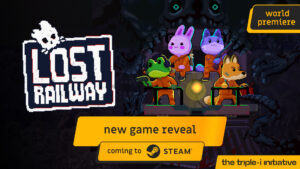
At its core, Lost Railway is designed around cooperative play for up to four players, emphasizing coordination and shared decision-making.

In Prove You’re Human, you are placed in a tense scenario involving an artificial intelligence that believes itself to be…

Microsoft has announced a series of long-awaited updates to the Xbox achievement system, marking it as one of the first…
In response to the underwhelming financial performance, Nexon has reportedly moved to restructure the development team at Neople responsible for…

Koshmar: The Last Reverie has been officially announced as a new single-player action-adventure title from Polish indie developer Purple Ray…
The GameSpain Spring 2026 showcase, which featured of 24 indie games, has been aired sooner today on ClemmyGames YouTube channel.
According to the developers, the delay comes down to a late-stage issue discovered during final development, one that could have…
The PC Gamer's article "After 4 hours of pirate survival in Windrose, I'm reinstalling Sea of Thieves" shows everything wrong…
Among the removed games are family-oriented titles based on popular films such as Chicken Little, Bolt, and G-Force.
The main campaign lasts between 50 and 70 hours, and Pocketpair has already confirmed long-term support throughout the Early Access…
Perceptum is an upcoming psychological horror title developed by the two-person team at Duck Reaction, and early impressions suggest it…
According to the development team, the delay will allow for additional refinement, including bug fixes and expanded quality assurance.
One of Bridgebourn's most striking features is its visual presentation, which uses 2D techniques such as parallax scrolling and dynamic…
Road to Vostok, often described as a single-player take on Escape from Tarkov, launched into early access recently and has…
Originally released in full in 2015, the game has long been praised for its realistic approach to orbital mechanics.
Cozy life simulation game Starsand Island was temporarily (and still is) removed from the Steam store yesterday.
It is quite unusual for an indie game like Figment to see its strongest performance on the Nintendo Switch.
Lighthearted adventure game with dating sim elements Building Relationships has now been delayed from its previously planned Q1 2026 release…
Sony reportedly plans multiple PlayStation 6 models including a budget PS6S and a dockable handheld for a late 2027 launch,…
The publishing label is built around a curated approach, prioritizing a small number of projects that align with Black Tabby’s…
At its core, Lost Railway is designed around cooperative play for up to four players, emphasizing coordination and shared decision-making.
In Prove You’re Human, you are placed in a tense scenario involving an artificial intelligence that believes itself to be…
Microsoft has announced a series of long-awaited updates to the Xbox achievement system, marking it as one of the first…
In response to the underwhelming financial performance, Nexon has reportedly moved to restructure the development team at Neople responsible for…
Koshmar: The Last Reverie has been officially announced as a new single-player action-adventure title from Polish indie developer Purple Ray…
