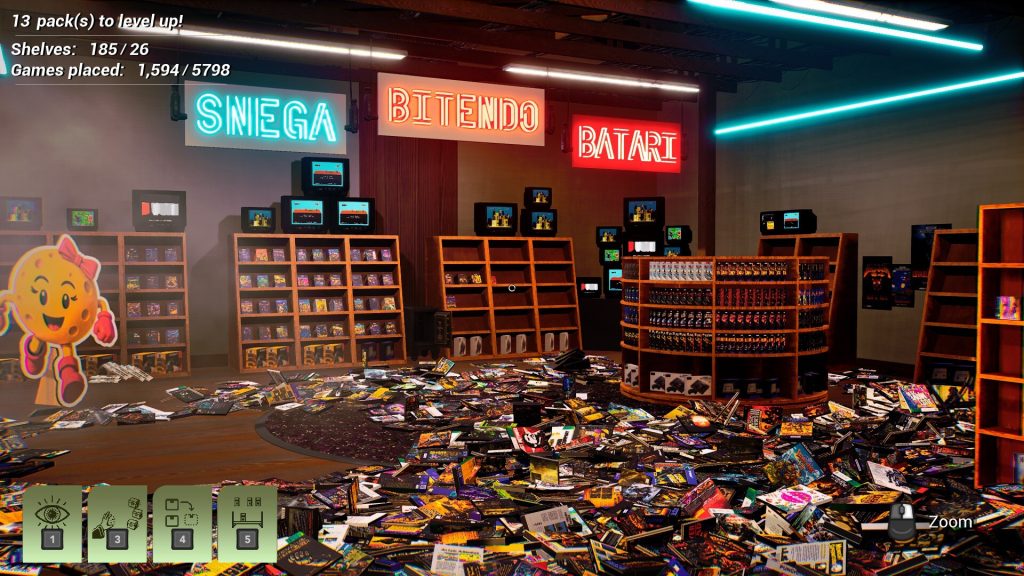
A Cat Scattered 5,798 Games Across This Cozy Supermarket Simulator
MY CAT SCATTERED GAMES asks players to organize 5,798 games and consoles before rescuing a cat trapped inside a claw…


If you enjoy independent indie game coverage, consider supporting Indie-Games.eu on Patreon. It helps keep the site independent.
The game industry is facing a real split right now. Big publishers are trying to push new console games toward an 80 € price tag, but the data shows that the games people actually buy are getting cheaper. This gap between pricing and buying habits is especially obvious on PC.
The year began with worry after rumors suggested that Grand Theft Auto VI might cost 100 €. Take-Two later pushed back on that idea, but the attempt from some companies to set an 80 € standard has not gone well. Xbox tried to price The Outer Worlds 2 at 80 €, but the decision was quickly reversed. The most likely reason is simple: pre-orders were too low, showing that players were not willing to accept the new price. Meanwhile, games released at normal prices are still doing extremely well. Mario Kart World is one example, it proved that players will pay the usual cost for a game they are excited about.
PC prices tell an even clearer story. Simon Carlos from the GameDiscovererCo. newsletter tracked the prices of the 50 best-selling new games on Steam each month between February 2023 and October 2025. During that time, the median price of these hit games dropped by 20%. Even when looking at revenue, where expensive games should perform better, the median price still fell by about 14%, from 23.75 to 20.35 dollars. This shows that while talk of 80 $ games may be loud, what players are choosing to buy is getting cheaper, and more lower-priced games are finding success.
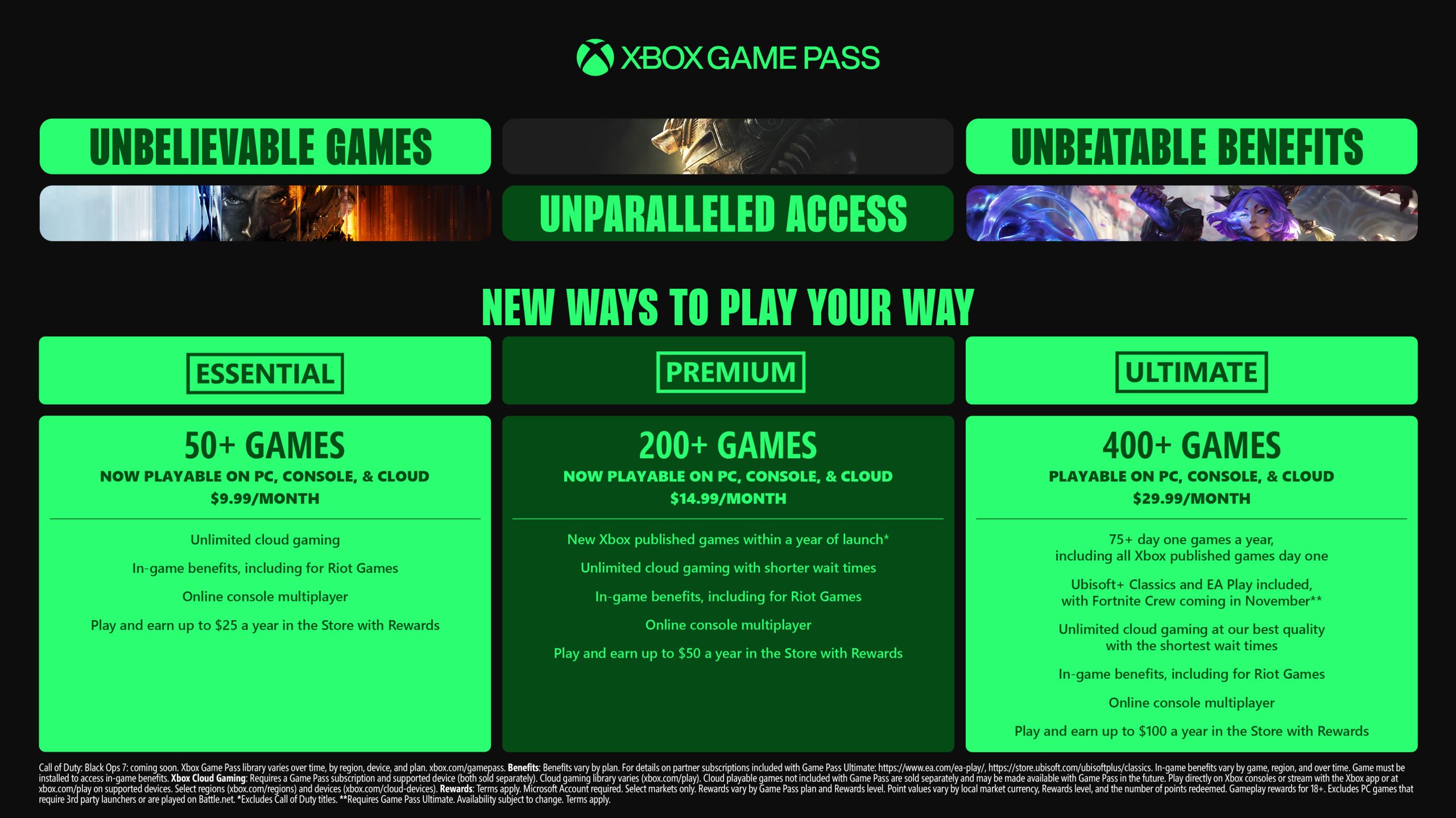
This supports the idea that profit can come from volume. A strong 20 € game, like Silksong, which sold 4.6 million copies on Steam during its launch month, can reach a wide audience and earn huge sales without a premium price. But this trend sits alongside two other big shifts: people are buying fewer games overall, and subscription services are becoming stronger.
According to Circana’s Future of Games report, most players are not frequent buyers. About 63% of the US market buys fewer than two games a year. Only a small group of dedicated players buys games every month. This means that when a major release like Silksong launches, the market for any competing game becomes extremely small. Both big publishers and indie studios recognize this, which is why release dates often move to avoid clashes.
At the same time, large console publishers are focusing on a shrinking group of high earners. The top 10% of income earners now make up half of US retail game spending. Companies are betting on the idea that well-off players will pay premium prices without much pushback. But overall spending is still falling, especially among players aged 18 to 25, who are spending nearly 25% less this year. Subscription services are hiding this drop, as many players turn to platforms that offer more value for less money.
All of this puts the industry in a difficult position. AAA marketing still treats the entire audience as if everyone can afford premium prices, leaving many players feeling pushed aside. Indie developers, on the other hand, worry about charging more than 20 – 25 €, fearing that players will compare them to big-budget games and react negatively.
If indie studios feel forced to keep prices low, they may also feel pressured to make smaller, less ambitious games. This could reduce the variety and scope of traditional titles in the future. Right now, the split is clear: AAA studios are chasing a wealthy minority, while indie developers are thriving by serving the majority of players who want good value at a fair price. The market is changing fast, and the biggest challenge ahead is figuring out how both sides can survive in the same space.
MY CAT SCATTERED GAMES asks players to organize 5,798 games and consoles before rescuing a cat trapped inside a claw…
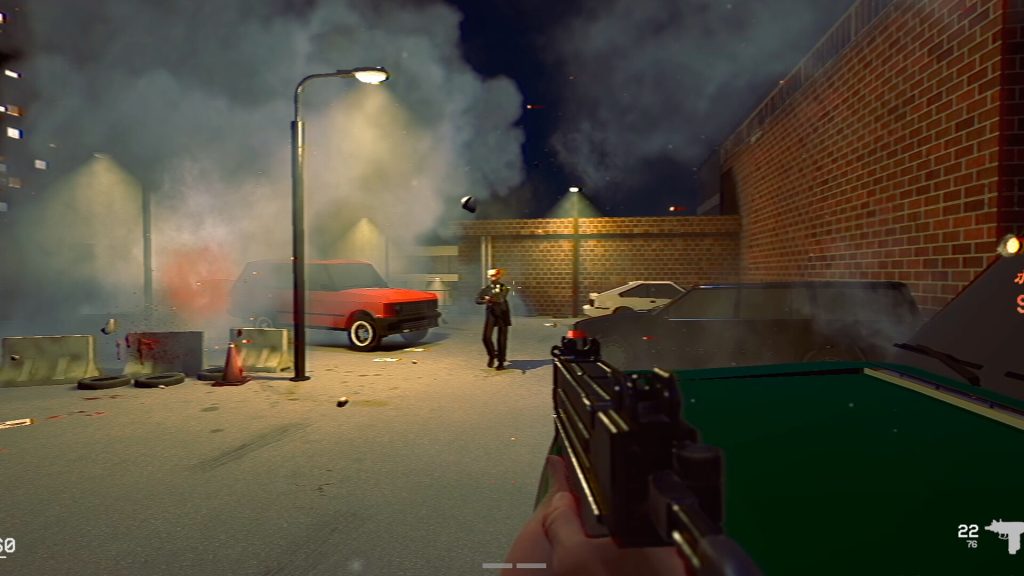
Retro corridor shooter Cop Bastard has partnered with Retrovibe for an October release, accompanied by a faster and more polished…
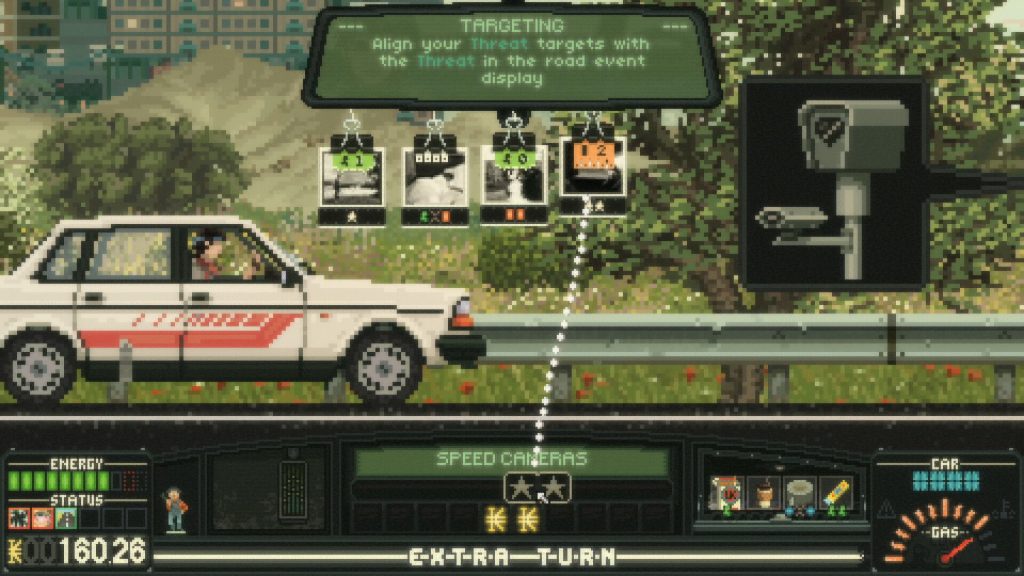
Keep Driving launches on Switch, PS5 and Xbox Series X|S on September 28 as its PC edition receives official Steam…
Gungrave G.O.R.E: Blood Heat shows its rebuilt combat, including parries, close-range attacks and faster 360-degree movement.
Sugar Lies follows a young man who hates dishonesty and a girl living behind a perfect persona when it launches…
Deified leaves Steam Early Access on September 21 with its narrative ending, final boss floor, balance improvements and hidden content.
Triple-i Initiative returns October 8 with 40 games, eight world premieres and 45 minutes of trailers, release dates and reveals.
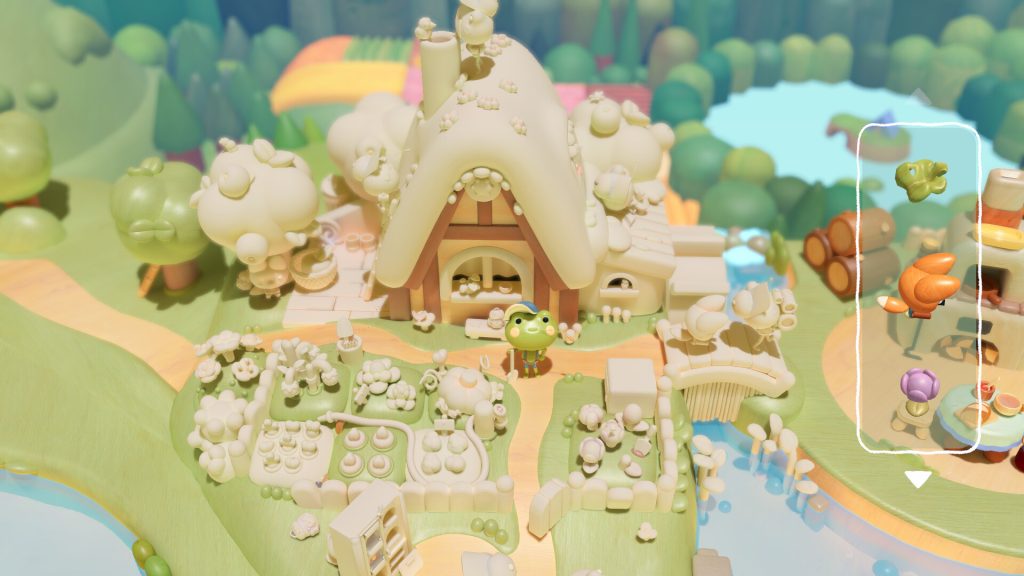
Woodo launches September 16, inviting players to rebuild childhood memories through cozy, handcrafted wooden dioramas.
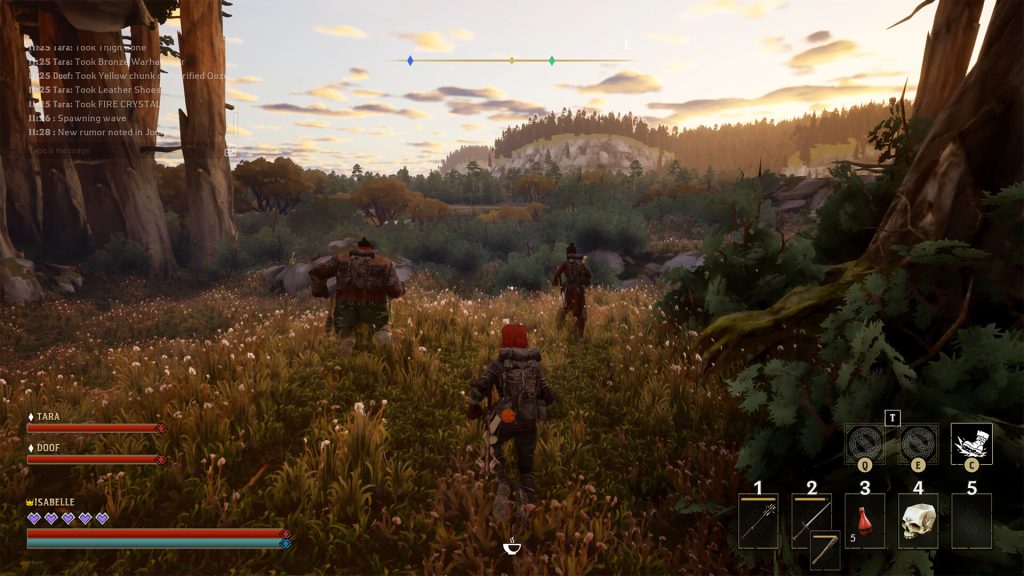
Curve Games signs Wyldheart in one of its biggest recent investments after the co-op RPG surpasses 375,000 Steam wishlists.
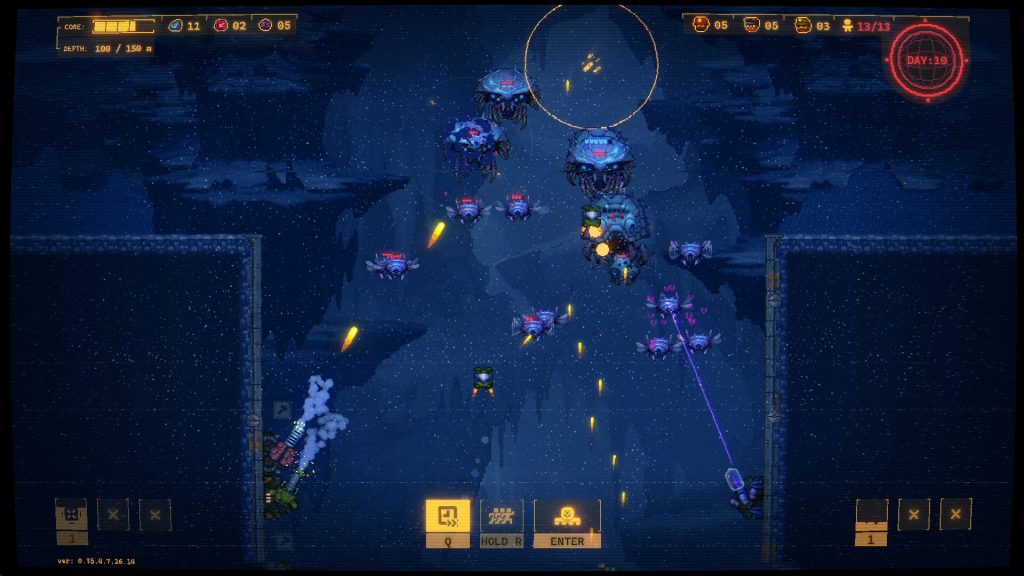
Drill Core’s free Anniversary Update adds Relaxed Mode, new bounties, specialists, platform skins and several quality-of-life improvements.
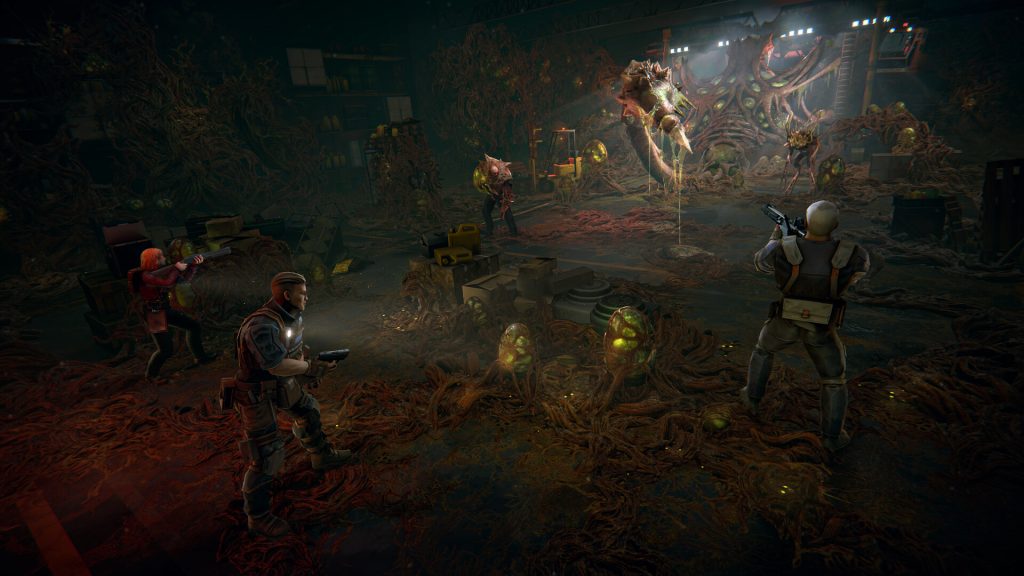
Critical Shift’s free two-hour demo combines real-time exploration with tactical combat inside a compromised Antarctic facility.
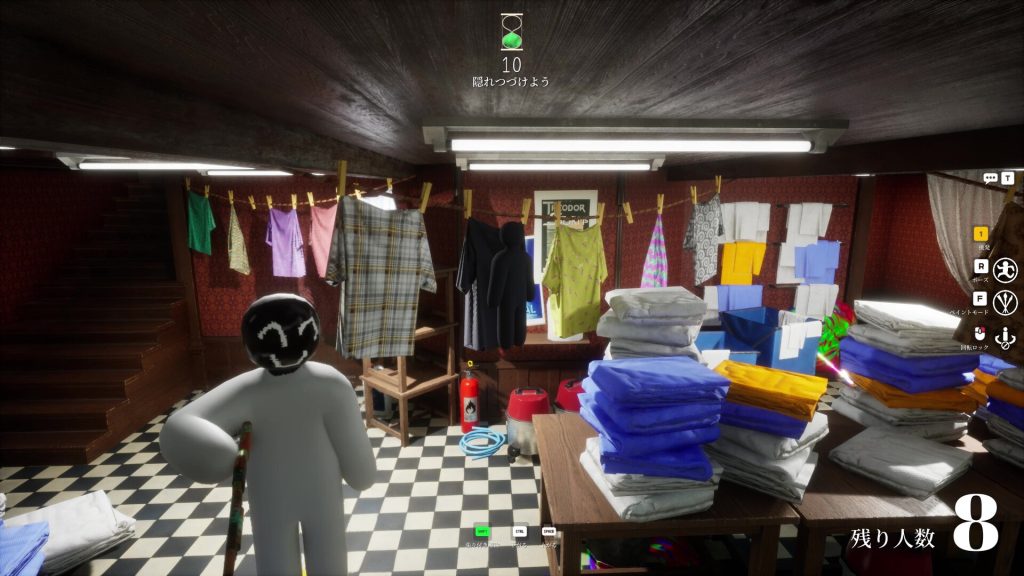
Meccha Chameleon brings its paint-based multiplayer hide-and-seek matches to Nintendo Switch 2 with a temporary $4.79 launch price.
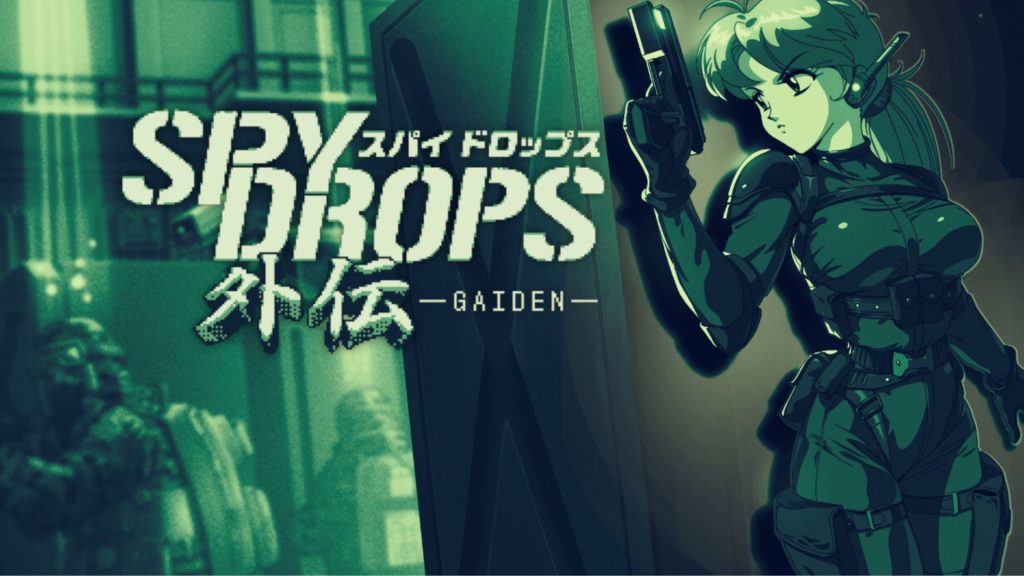
Spy Drops Gaiden brings Game Boy-style stealth, eight covert missions and intel extraction to Steam on October 12 for €4.99.
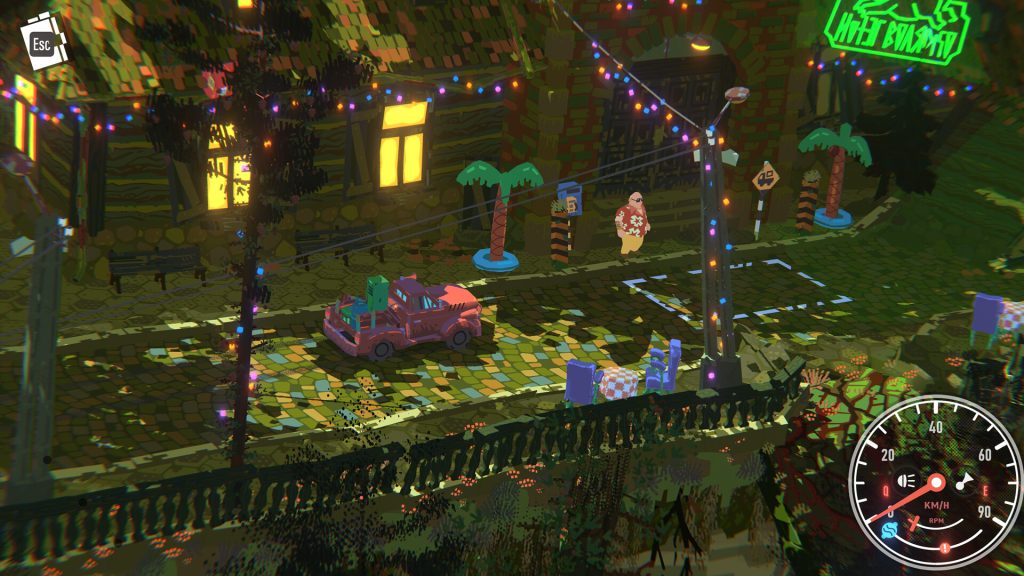
Truckful launches October 9 on Steam and Android, combining physics-based deliveries with vehicle upgrades and a mystery inside an ancient…
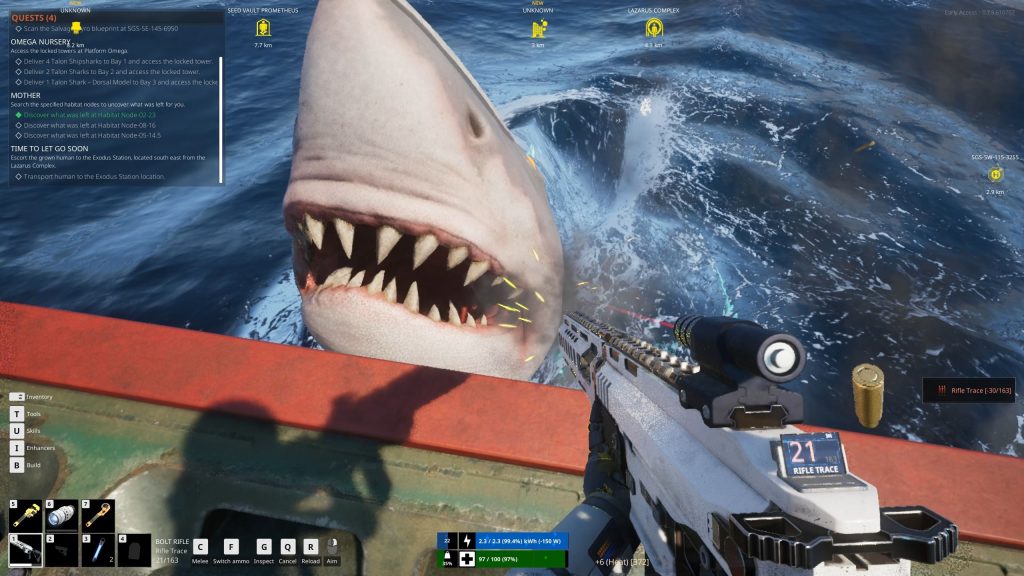
The Last Caretaker reaches version 1.0 in spring 2027 and joins Xbox Game Pass on day one after selling over…
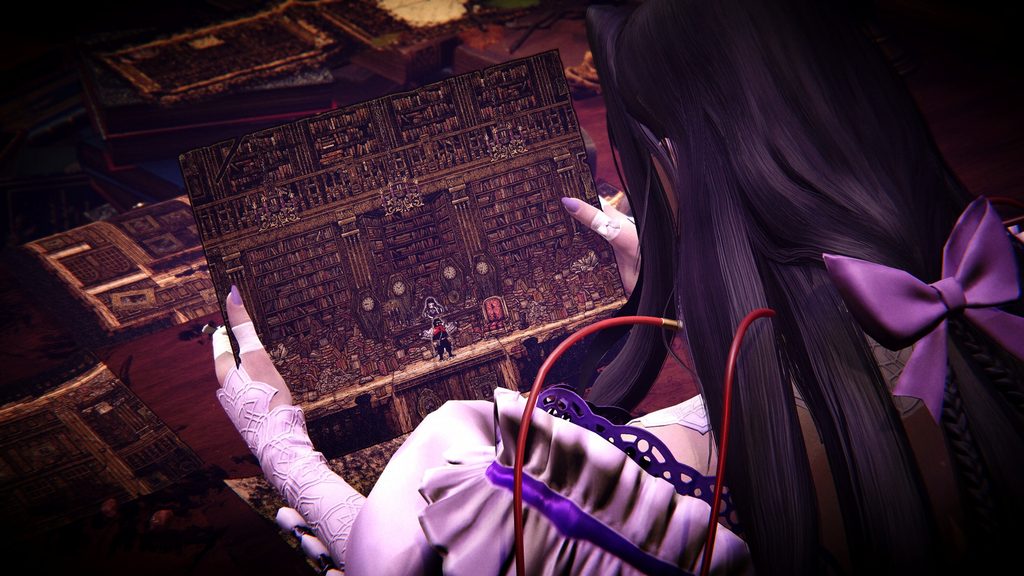
Chronoscript: The Endless End moves to early summer 2027 as DeskWorks! improves combat responsiveness, menus and visual readability.
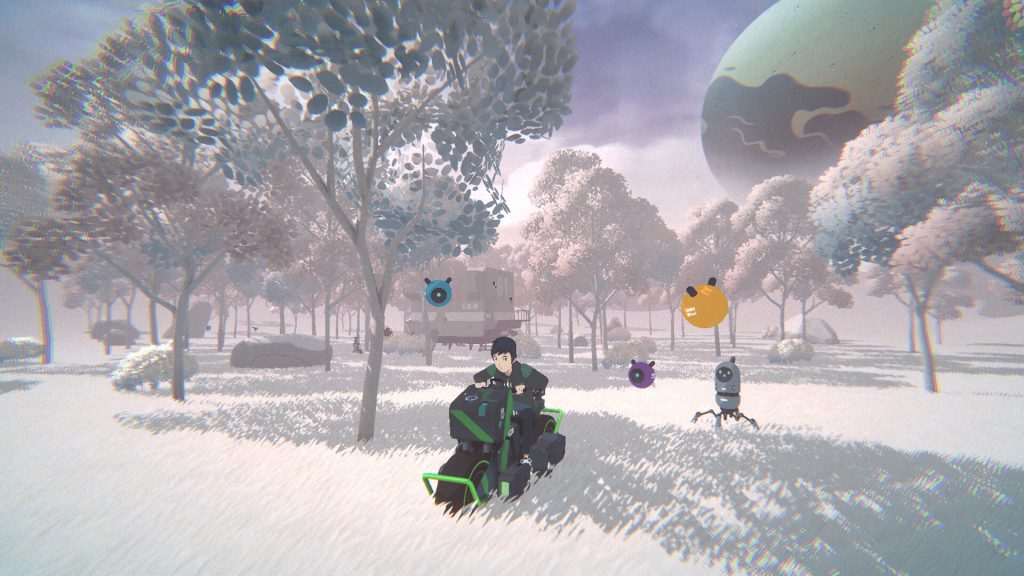
HEIMA is a parallel-world puzzle adventure from former Terra Battle developers, coming to PC in 2028 with SHIFT and HOLD…
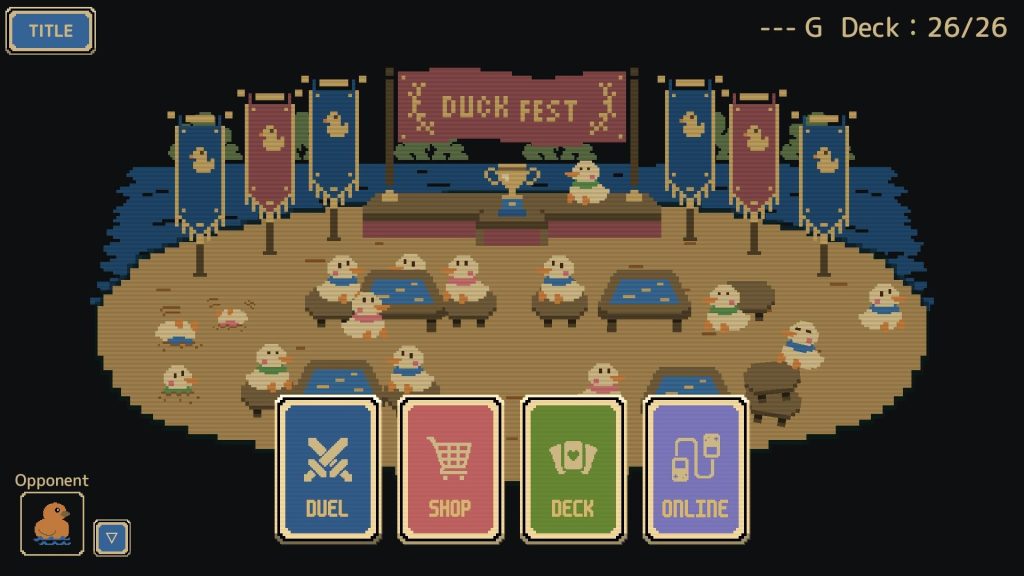
Duck Fest combines deck building and 1v1 battles with collectible cards that players can trade through the Steam Community Market.
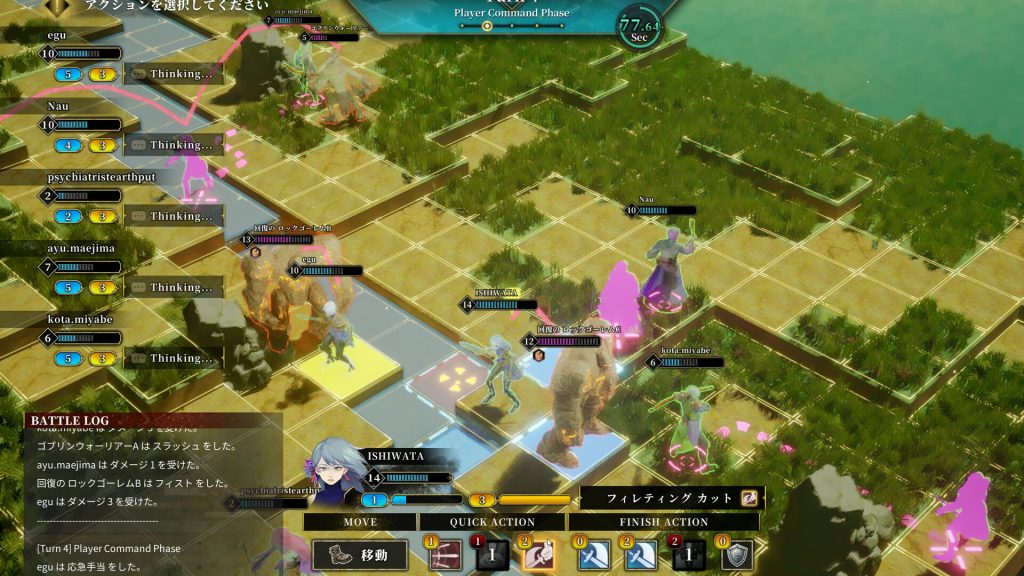
Tactful Tactics is a 1–6-player cooperative RPG where everyone plans and executes their actions simultaneously.
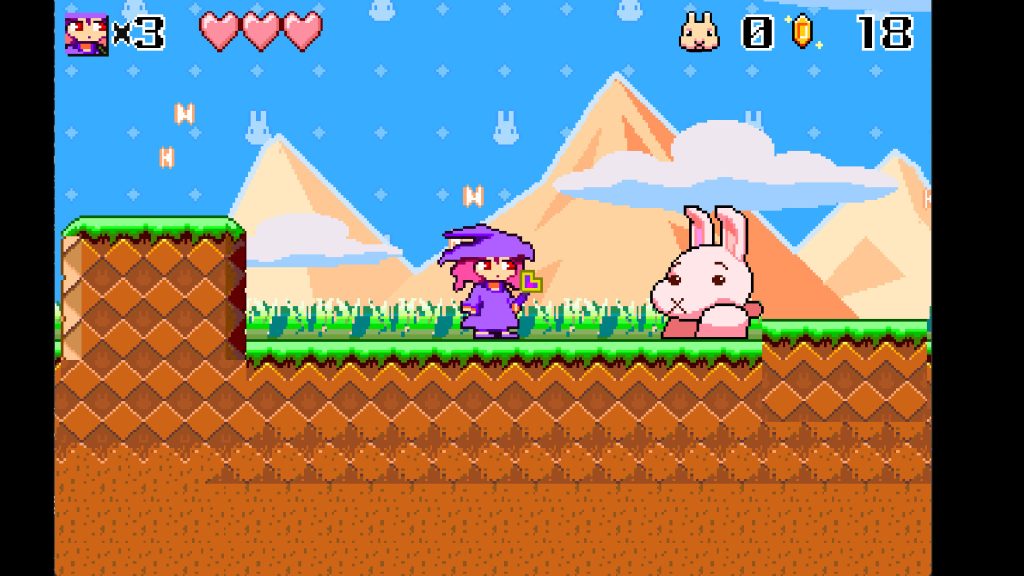
SakuSaku Witch is a retro-inspired 2D platformer about magic, bunny monsters and a suspicious toy company, coming to Steam in…
