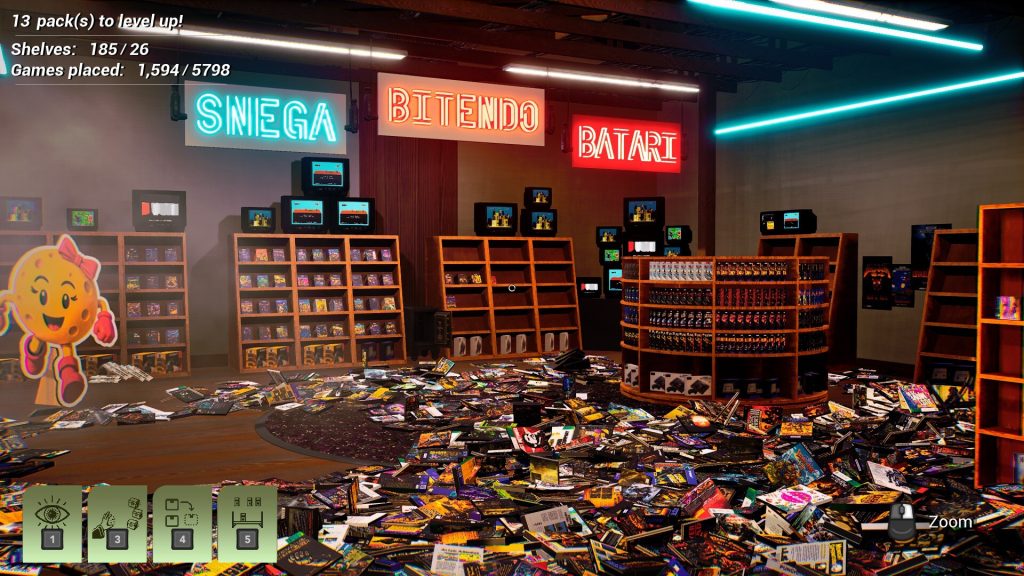
A Cat Scattered 5,798 Games Across This Cozy Supermarket Simulator
MY CAT SCATTERED GAMES asks players to organize 5,798 games and consoles before rescuing a cat trapped inside a claw…

![[OPINION] DEI initiatives in the games industry spark heated debate among developers and players](https://www.indie-games.eu/wp-content/uploads/2024/10/DEI.jpg)
If you enjoy independent indie game coverage, consider supporting Indie-Games.eu on Patreon. It helps keep the site independent.
Over the past few years, discussions about diversity, equity, and inclusion in the games industry have intensified. Some developers, players, and critics argue that the focus on DEI shifts gaming priorities away from quality and creativity. In a recent social media post, Thomas Mahler, head of the studio behind Ori and the Blind Forest, supported Elon Musk’s claim that “DEI is destroying art.” Mahler’s statement has sparked new debate about whether DEI practices improve or hinder creativity in games.
Video games have changed significantly since their early days. What was once a niche market is now a major industry sector that surpasses film and music in revenue. However, this growth has brought increased scrutiny. DEI policies, introduced to promote inclusivity, aim to make games more representative. Many believe this inclusiveness enhances the player experience by allowing their stories and identities to be reflected in games. On the other hand, some feel that DEI initiatives often seem forced or inauthentic.
Some industry insiders claim that DEI and other corporate social responsibility (CSR) initiatives are often just a “checklist” for major gaming companies. In pursuit of higher profits, companies implement DEI policies partly to avoid legal issues, gain tax benefits, or appeal to investors. The DEI consulting industry has become lucrative, estimated at billions of dollars globally. Critics argue that this growth has resulted in a corporate version of DEI, which can lead to the inclusion of diverse characters and themes more for financial interests than for authentic representation.
Gaming companies are now accountable not only to players but also to investors, boards, and shareholders. The main priority is profit, which often pushes creativity into the background. Some players feel this emphasis on profit results in games that feel less polished or less innovative, noting that the focus on “meeting quotas” can undermine gameplay and narrative quality.
With such a strong focus on achieving DEI goals, critics argue that developers sometimes release games with less attention to detail or design. Bugs, framerate issues, and unfinished stories are frequently cited as examples of games that feel “rushed” or “soulless.” On the other hand, some believe that the DEI discussion should emphasize fair opportunities for everyone, not just “quota filling.” They argue it is crucial to allow authentic voices to be heard and to ensure that diverse characters and narratives are included naturally and thoughtfully.
DEI in gaming remains a contentious issue with strong opinions on both sides. Many see DEI as an opportunity for growth and better connection with players, while others fear it threatens creative freedom and overall game quality. As the industry continues to grow, it seems the debate over DEI and its impact on gaming will not end anytime soon.
Supporters of Mahler’s stance believe that diversity in gaming should occur “naturally,” as part of a well-told story, rather than through corporate mandates. They argue that forcing certain types of characters or themes can compromise a developer’s artistic vision, leading to one-dimensional characters designed to meet diversity criteria rather than enhance the narrative. Games such as Concord and Dustborn have been criticized for what some see as inauthentic representation, with claims that the characters and themes feel “forced” instead of being an integral part of the story.
Mahler’s position aligns with the belief that true inclusion should come from the heart, not from corporate requirements. “Let artists be artists, and DEI will happen naturally,” he said, emphasizing that forced representation often feels more like a strategy to attract certain audiences than an authentic attempt to celebrate diversity.
Many fans and developers feel divided. While they support the idea of inclusivity, they question the approach, especially when it seems to prioritize corporate interests over player enjoyment. Games like Baldur’s Gate 3 and Helldivers 2, which focus on strong narratives and gameplay, stand out to fans who are tired of titles that seem to prioritize social messaging over immersive gameplay.
For many in the gaming community, the issue isn’t DEI itself, but the way it is often implemented in the games industry.
MY CAT SCATTERED GAMES asks players to organize 5,798 games and consoles before rescuing a cat trapped inside a claw…
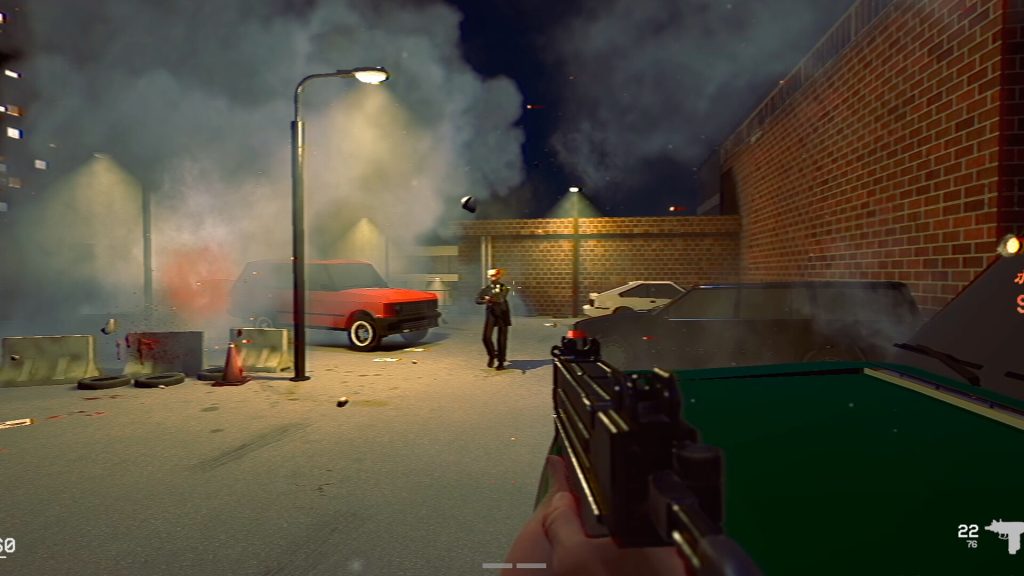
Retro corridor shooter Cop Bastard has partnered with Retrovibe for an October release, accompanied by a faster and more polished…
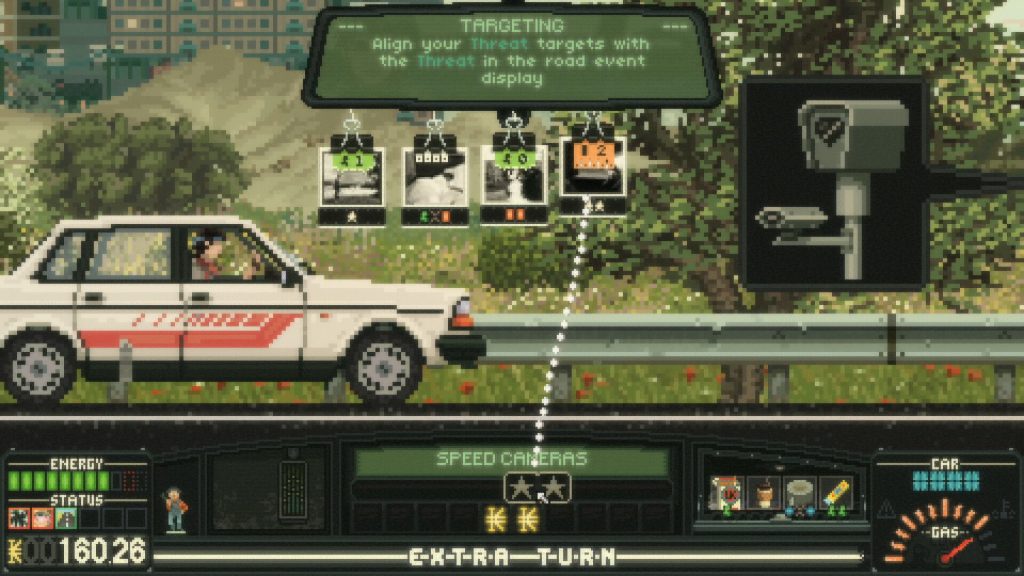
Keep Driving launches on Switch, PS5 and Xbox Series X|S on September 28 as its PC edition receives official Steam…
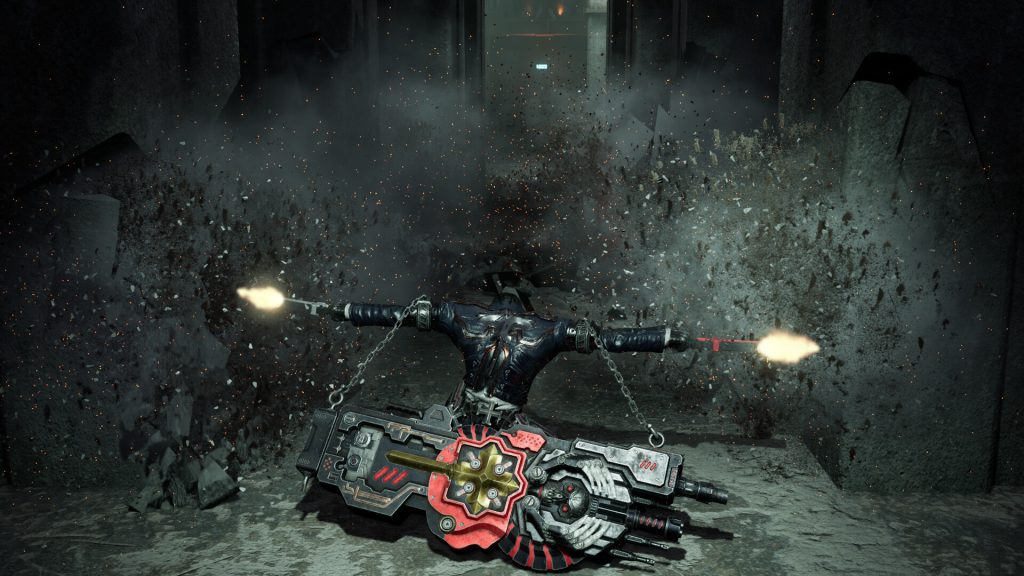
Gungrave G.O.R.E: Blood Heat shows its rebuilt combat, including parries, close-range attacks and faster 360-degree movement.
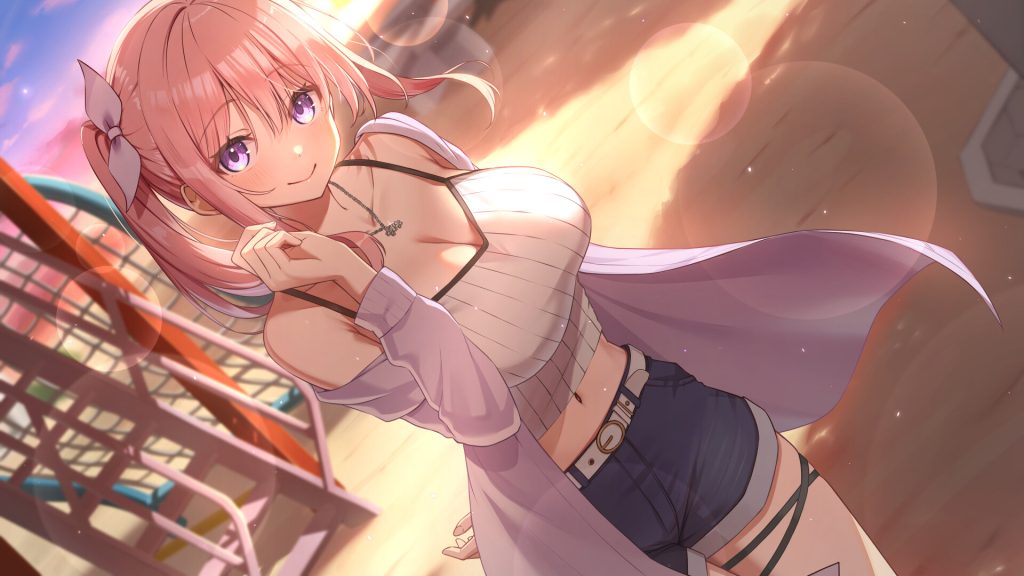
Sugar Lies follows a young man who hates dishonesty and a girl living behind a perfect persona when it launches…
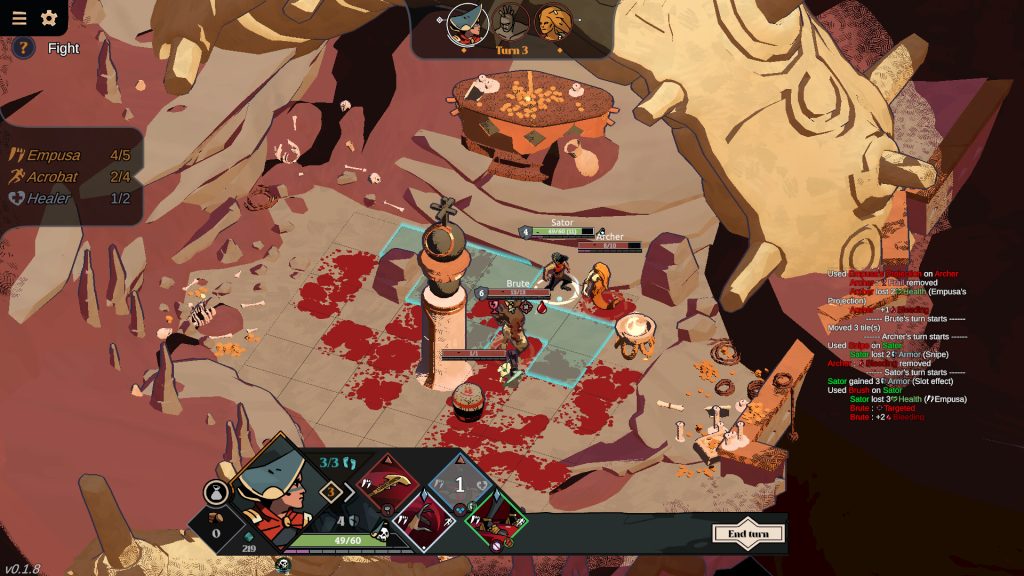
Deified leaves Steam Early Access on September 21 with its narrative ending, final boss floor, balance improvements and hidden content.
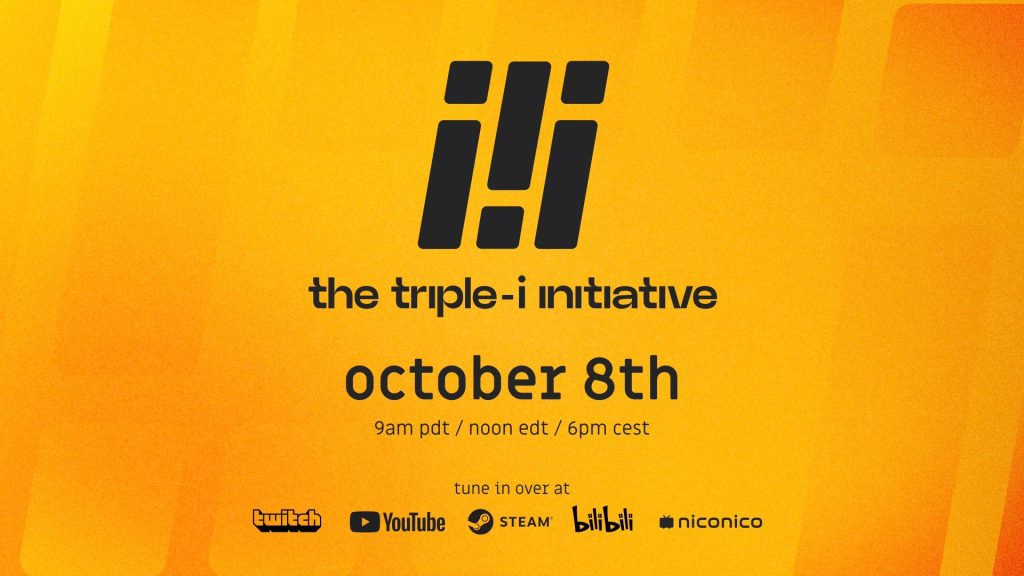
Triple-i Initiative returns October 8 with 40 games, eight world premieres and 45 minutes of trailers, release dates and reveals.
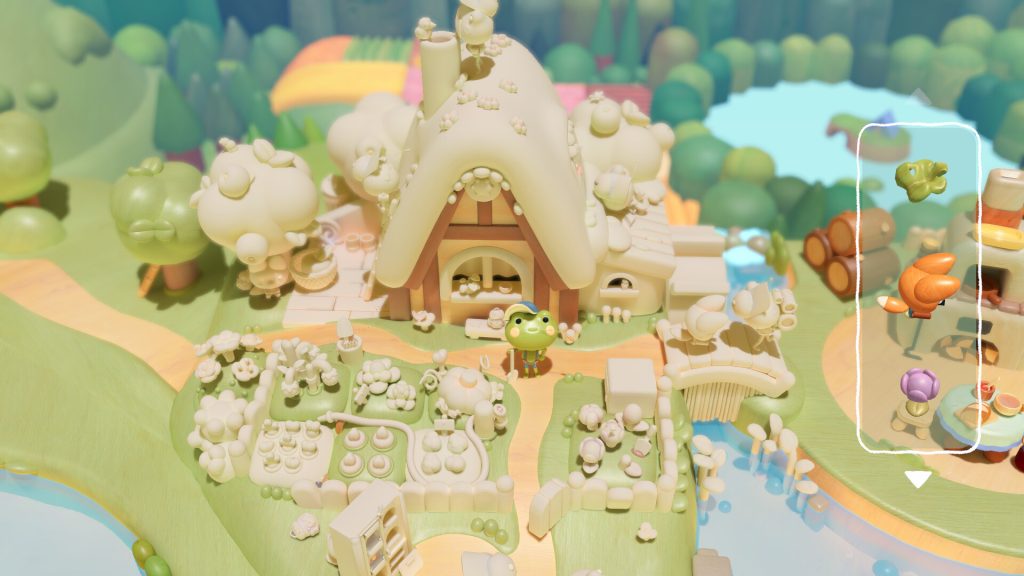
Woodo launches September 16, inviting players to rebuild childhood memories through cozy, handcrafted wooden dioramas.
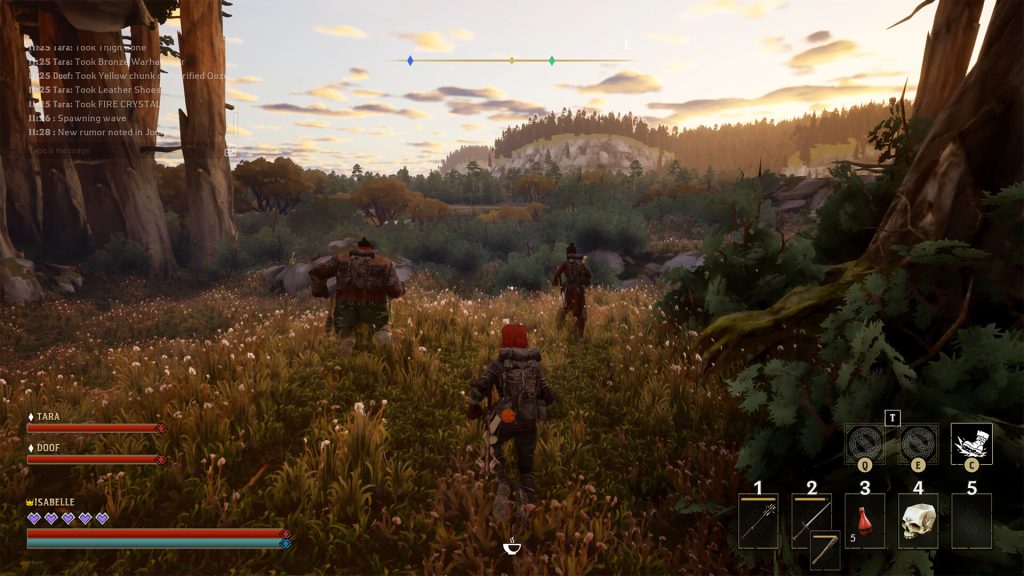
Curve Games signs Wyldheart in one of its biggest recent investments after the co-op RPG surpasses 375,000 Steam wishlists.
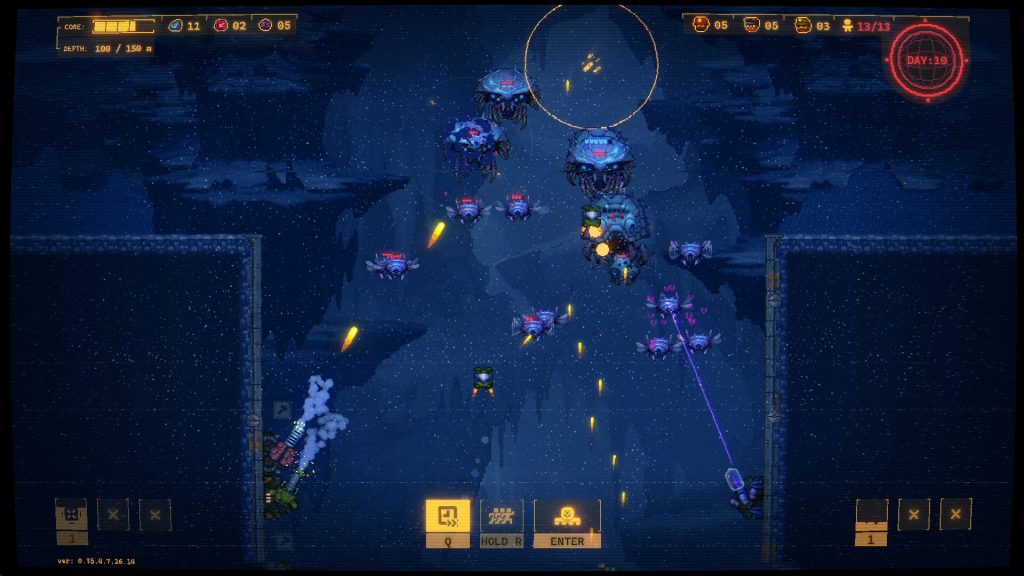
Drill Core’s free Anniversary Update adds Relaxed Mode, new bounties, specialists, platform skins and several quality-of-life improvements.
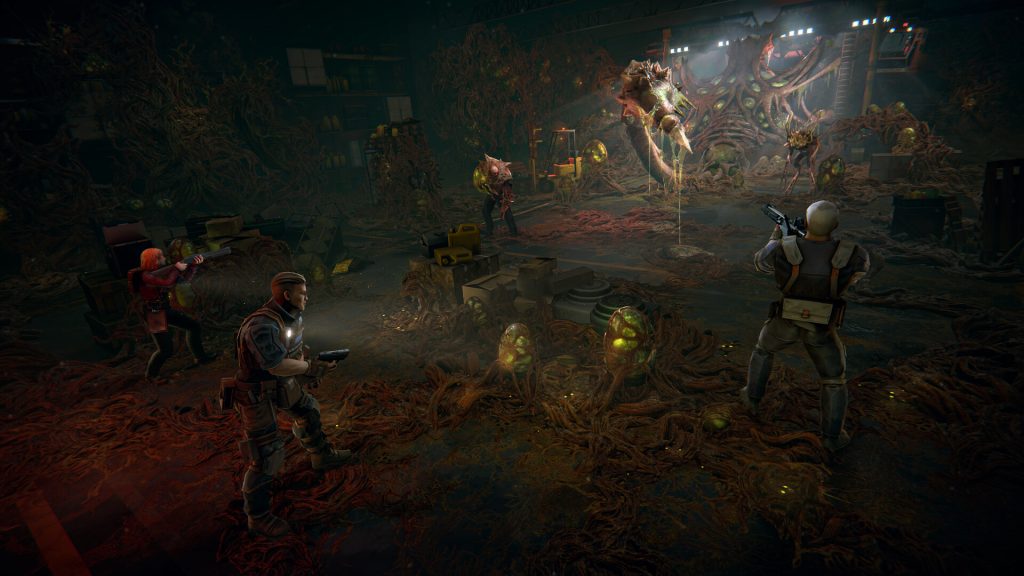
Critical Shift’s free two-hour demo combines real-time exploration with tactical combat inside a compromised Antarctic facility.
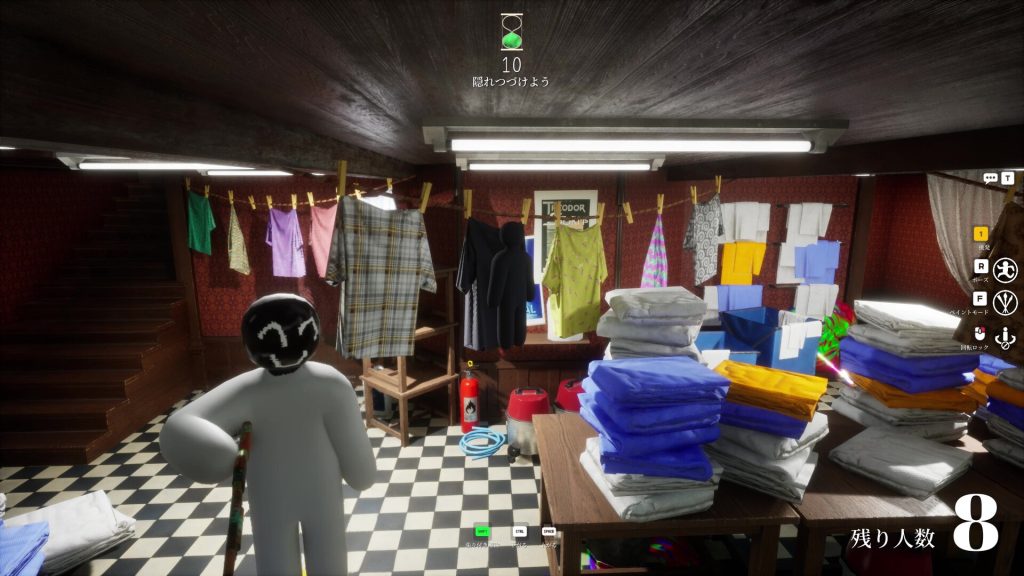
Meccha Chameleon brings its paint-based multiplayer hide-and-seek matches to Nintendo Switch 2 with a temporary $4.79 launch price.
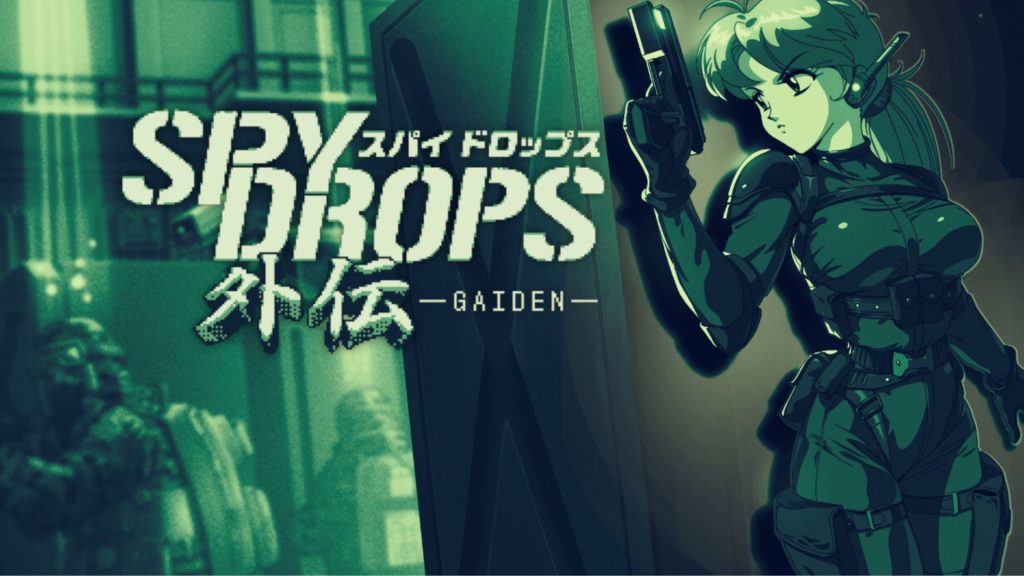
Spy Drops Gaiden brings Game Boy-style stealth, eight covert missions and intel extraction to Steam on October 12 for €4.99.
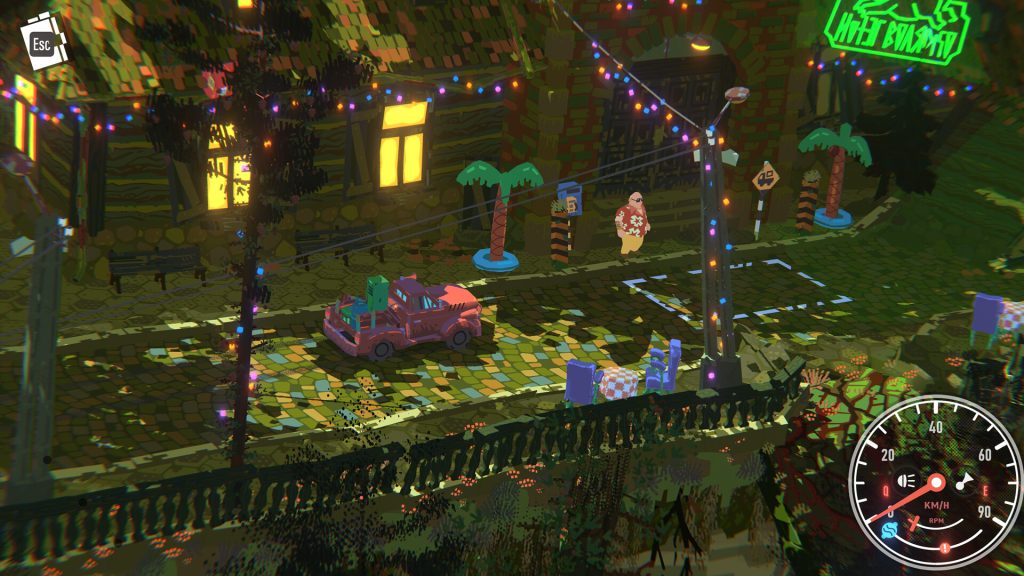
Truckful launches October 9 on Steam and Android, combining physics-based deliveries with vehicle upgrades and a mystery inside an ancient…
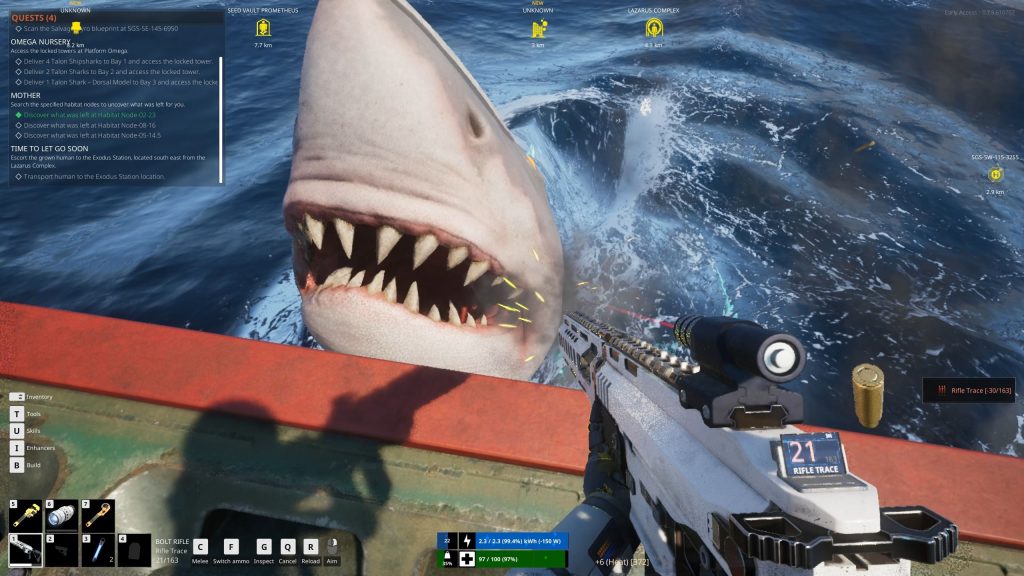
The Last Caretaker reaches version 1.0 in spring 2027 and joins Xbox Game Pass on day one after selling over…
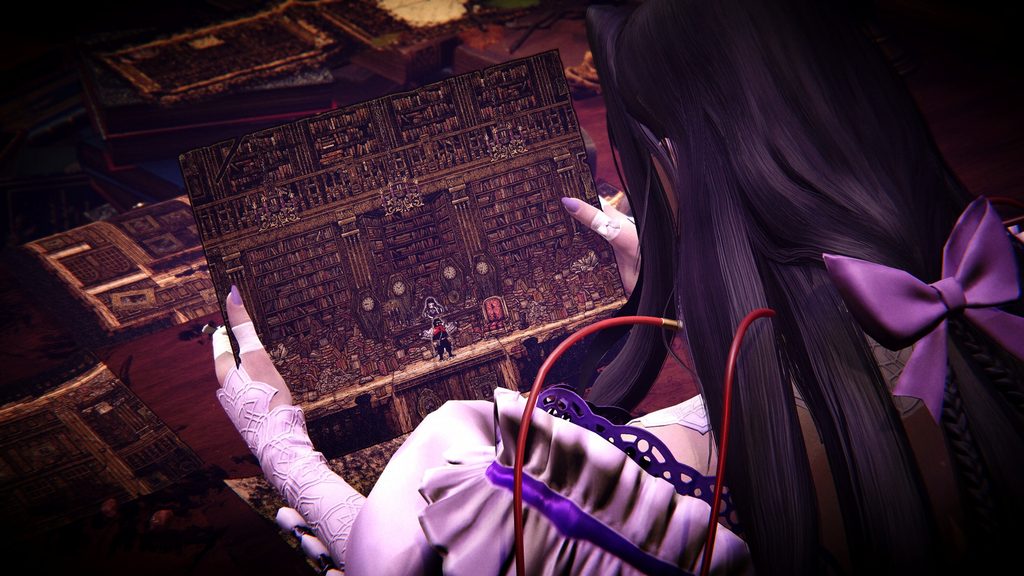
Chronoscript: The Endless End moves to early summer 2027 as DeskWorks! improves combat responsiveness, menus and visual readability.
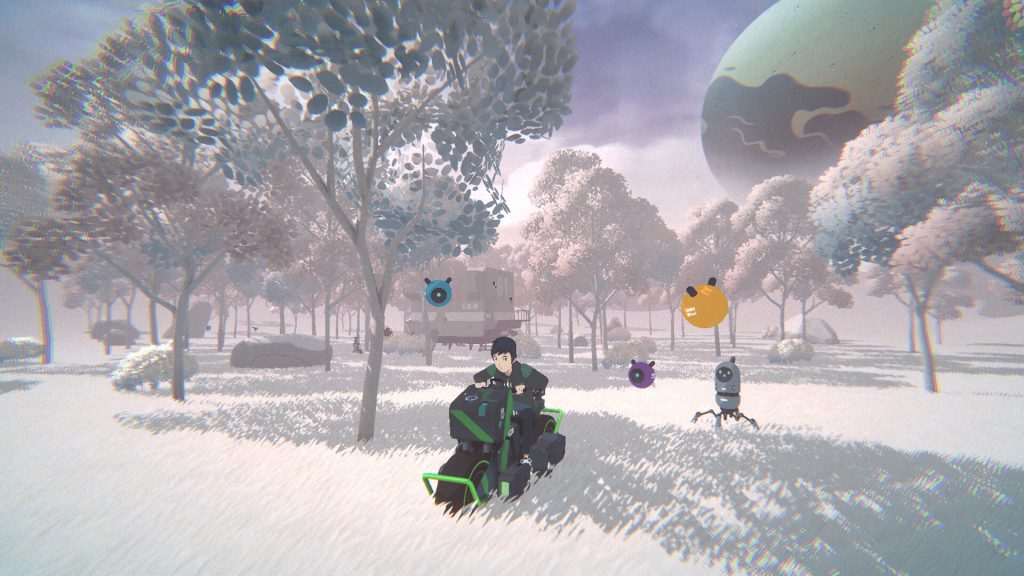
HEIMA is a parallel-world puzzle adventure from former Terra Battle developers, coming to PC in 2028 with SHIFT and HOLD…
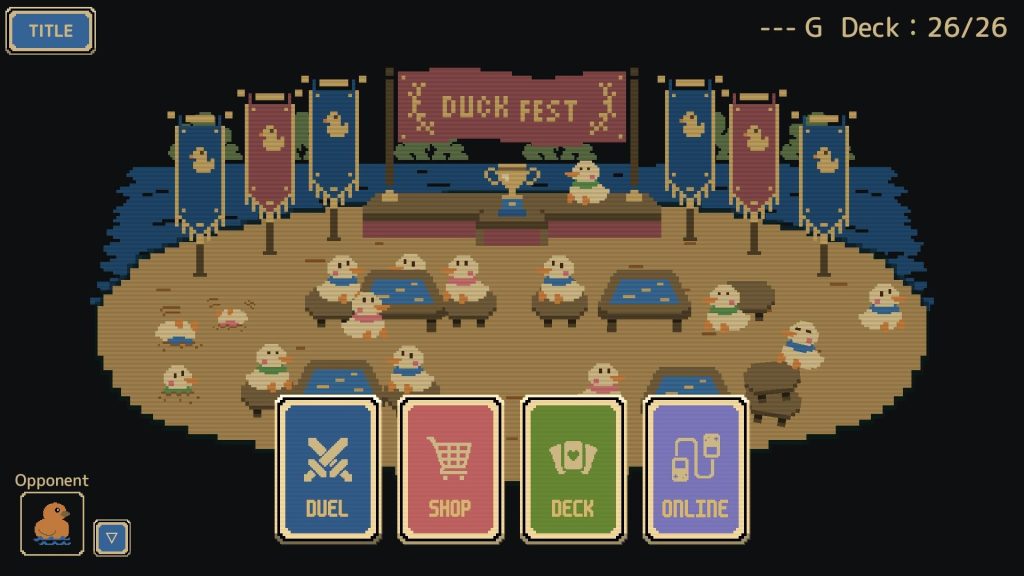
Duck Fest combines deck building and 1v1 battles with collectible cards that players can trade through the Steam Community Market.
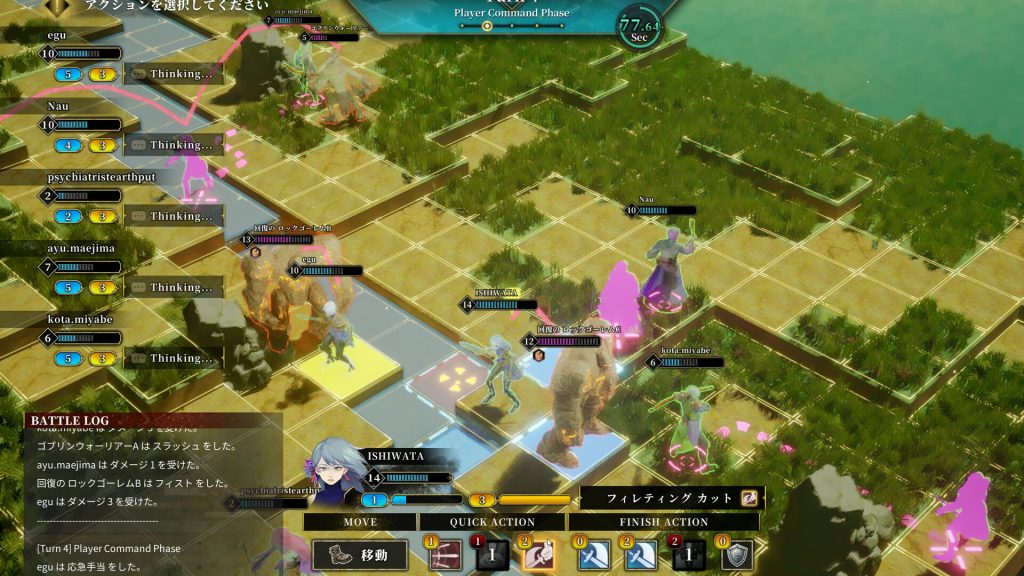
Tactful Tactics is a 1–6-player cooperative RPG where everyone plans and executes their actions simultaneously.
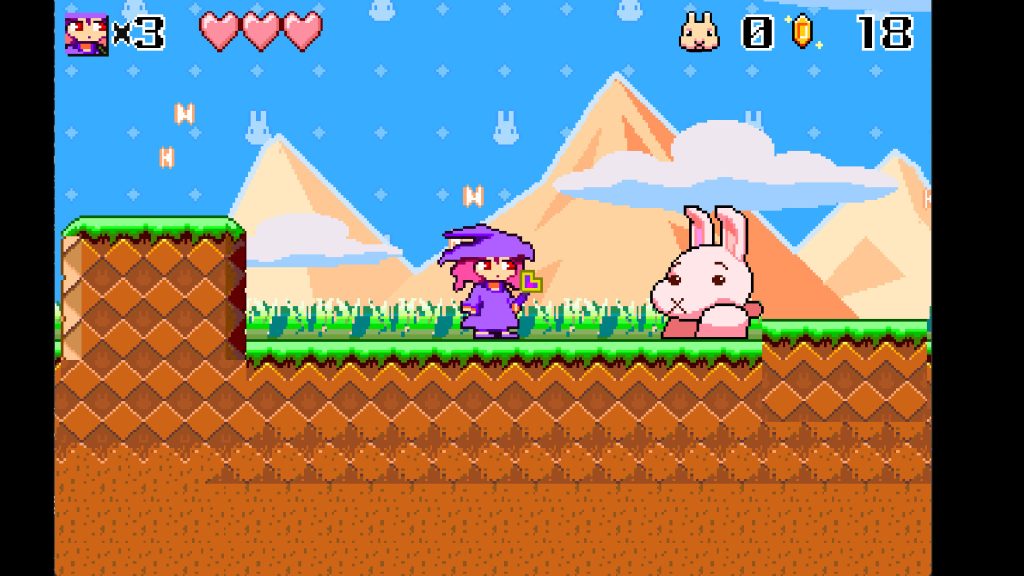
SakuSaku Witch is a retro-inspired 2D platformer about magic, bunny monsters and a suspicious toy company, coming to Steam in…
