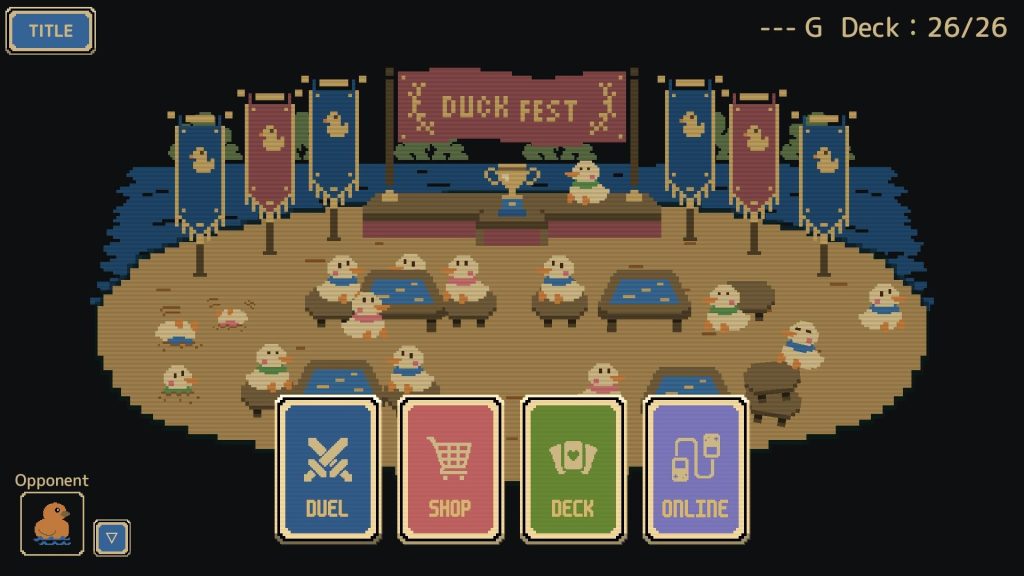
Duck Fest Puts Its Collectible Cards on the Steam Community Market
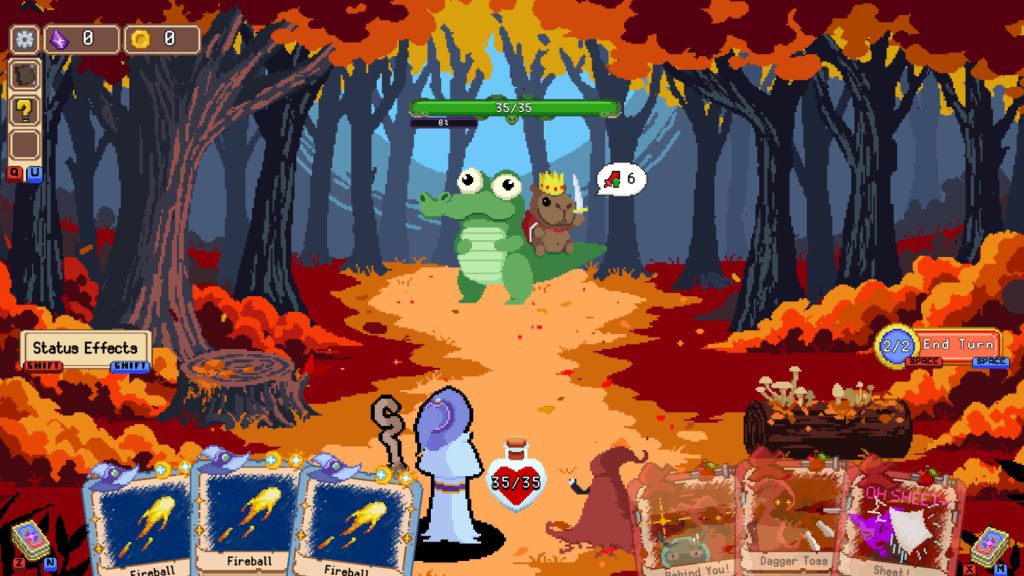
Duck Fest combines deck building and 1v1 battles with collectible cards that players can trade through the Steam Community Market.


If you enjoy independent indie game coverage, consider supporting Indie-Games.eu on Patreon. It helps keep the site independent.
The past 18 months have been challenging for indie game publishers. The shutdown of Humble Games was just one in a series of difficulties. The industry has faced falling stock prices, layoffs, and fewer signed projects. Beyond these immediate issues, deeper changes in the market are making it increasingly difficult for publishers to survive.
Simon Byron, Managing Director of Yogscast Games, states that the era of generalist indie publishers is over. In an interview with GamesIndustry.biz, he explained: “Publishers really need to have a focused offering, something that no one else can replicate.” He emphasized that specialized publishers, those focusing on specific niches, are outperforming those without genre expertise.
John Clark, who has worked at Sega, Tencent, and Curve, shares this sentiment. He believes that current market conditions have created an environment where traditional publishing strategies no longer work. “Publishers who once saw significant growth are now entering a new phase after a corrective shock in recent years,” Clark said. New publishers like Kepler and Hooded Horse, with smaller teams and strong niche understanding, are having a major impact.
One of the biggest challenges publishers face today is the unpredictability of game sales. Byron acknowledges: “You can never really predict how a game will perform before launch.” This uncertainty has led some publishers to seek more reliable revenue sources.
Nigel Lowrie, co-founder of Devolver, also commented on this unpredictability. “It’s about finding something compelling that offers players a unique experience,” he said. While metrics such as wishlists and coverage data offer some insight, they don’t guarantee success. According to Byron, focusing too heavily on pre-launch metrics can be misleading and counterproductive.
With these challenges, self-publishing is becoming an increasingly viable option for indie developers. Snow Rui, CFO of Hooded Horse, notes: “Self-publishing and the knowledge needed to do it have never been more accessible.” As a result, publishers now need to prove their value more than ever to attract developers.
Lowrie agrees, saying that while self-publishing offers huge opportunities, it also comes with its own challenges. “There are more developers and projects than there are resources to support them,” he said, highlighting the competitive nature of the industry.
Despite the current turmoil, there is hope for the future. Lowrie believes that the disruption will lead to a new era of creativity: “Out of this chaos will emerge new small studios full of talented developers… taking measured, creative risks that push the medium forward.” While larger companies may stick to safe, familiar paths, smaller studios have the potential to create innovative sub-genres that will shape the future of games.
Duck Fest combines deck building and 1v1 battles with collectible cards that players can trade through the Steam Community Market.
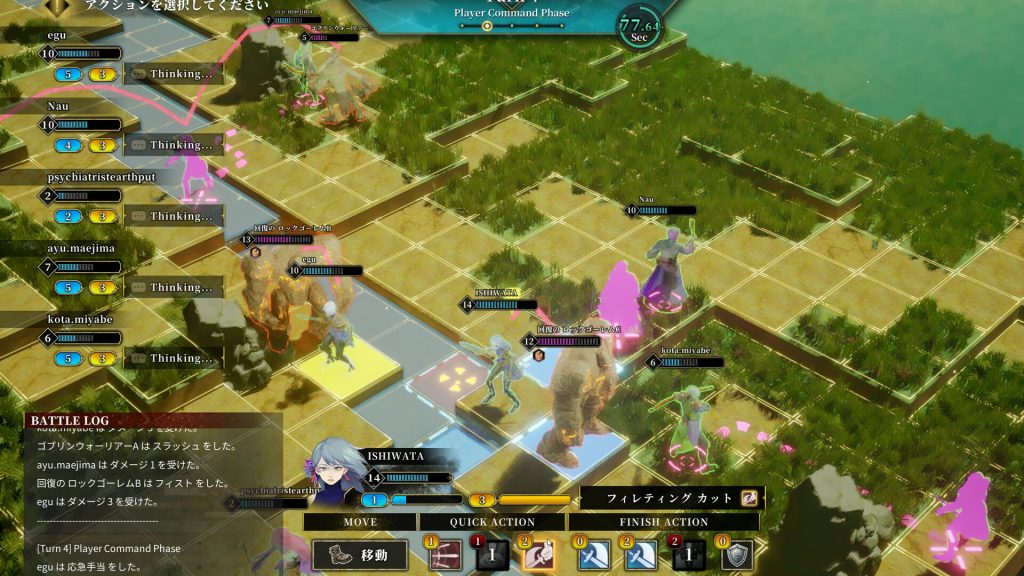
Tactful Tactics is a 1–6-player cooperative RPG where everyone plans and executes their actions simultaneously.
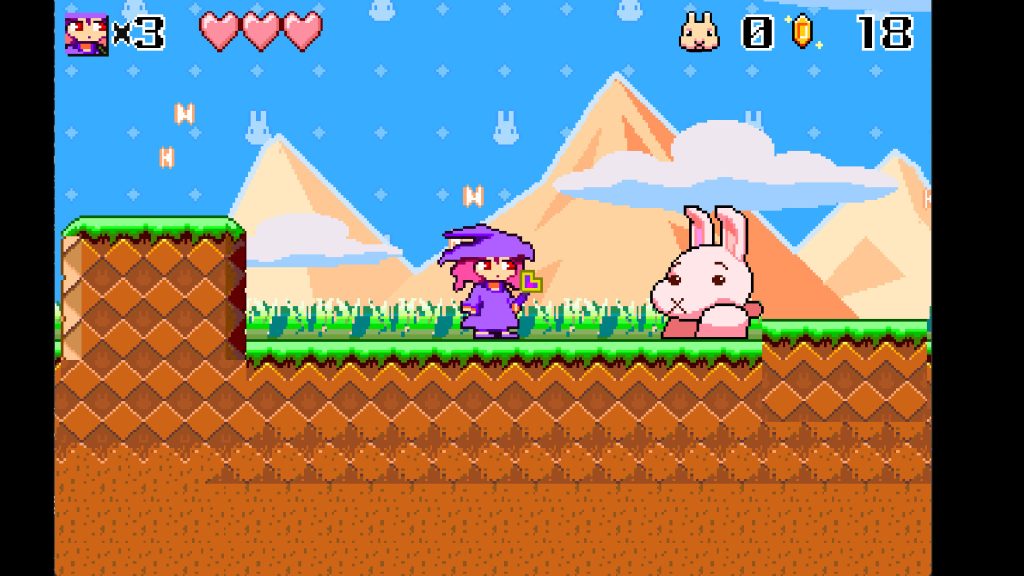
SakuSaku Witch is a retro-inspired 2D platformer about magic, bunny monsters and a suspicious toy company, coming to Steam in…
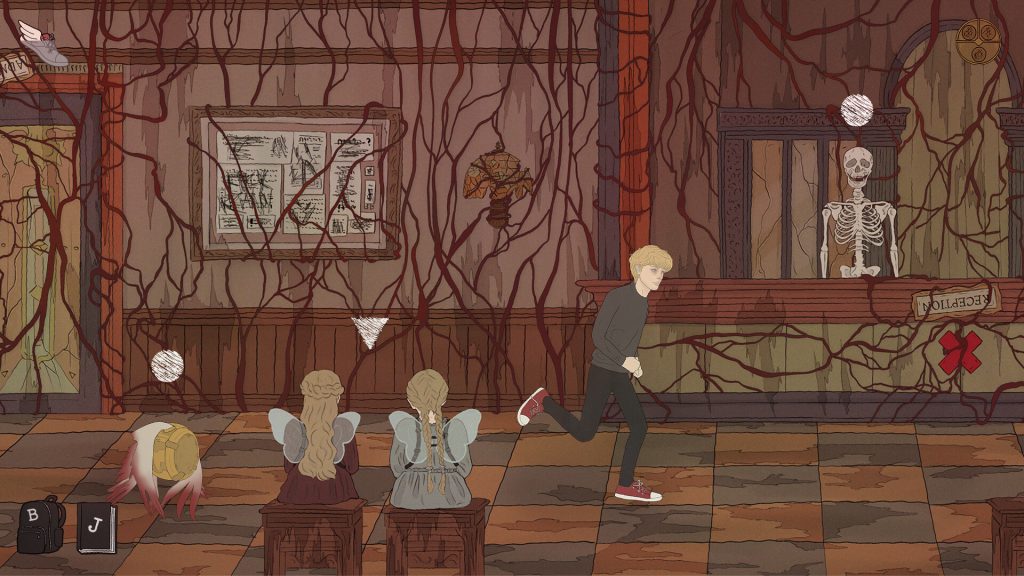
Hand-drawn psychological horror game DEPERSON earns Gamescom and BIC recognition ahead of its planned Q4 2026 Steam release.
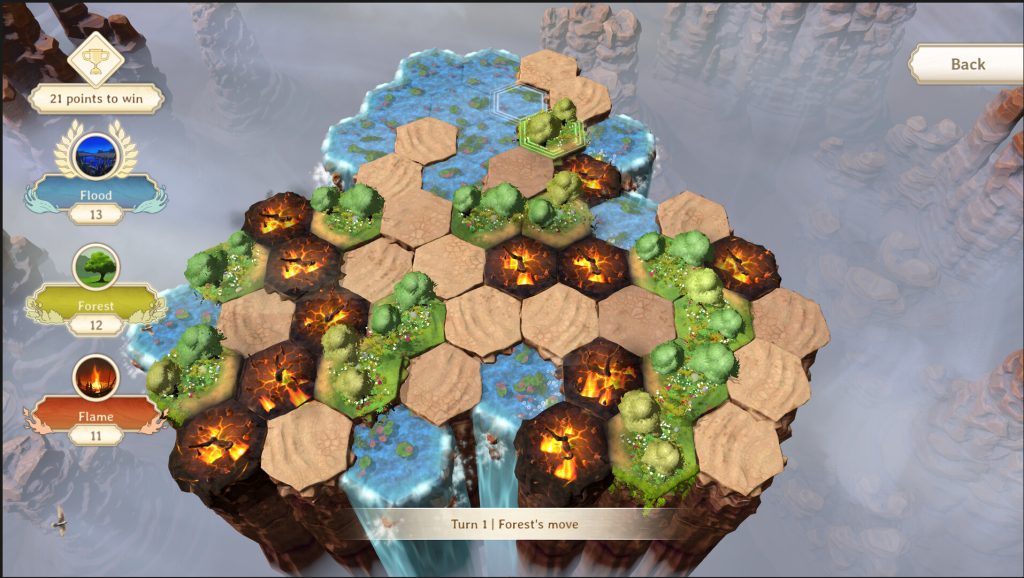
Cozy strategy game Flame, Forest & Flood will challenge GTA VI by deliberately launching on November 19, 2026.
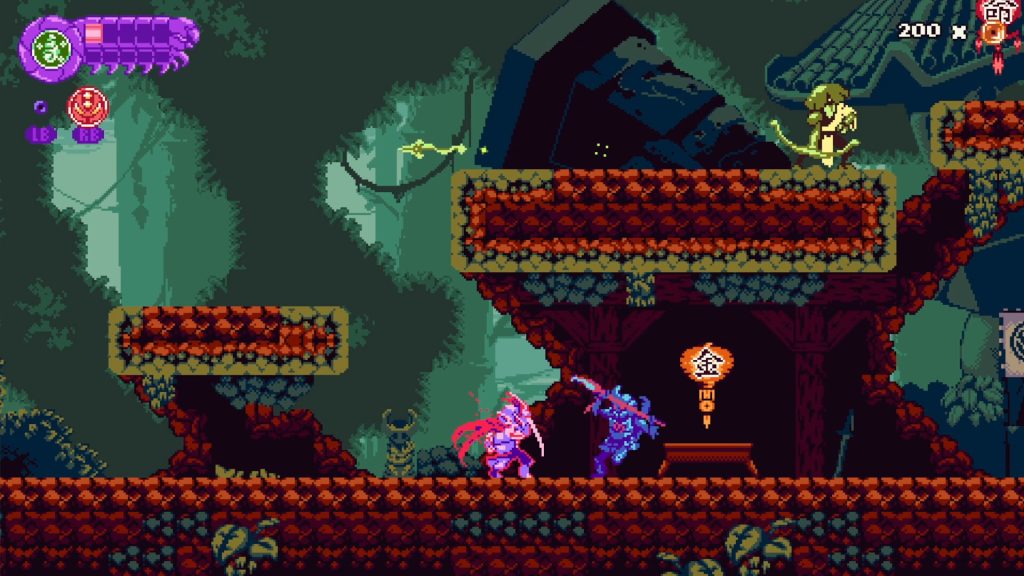
Akupara launches Kallisti Games, a service-first indie label for retro and experimental PC titles, with AOKAKI as its first project.
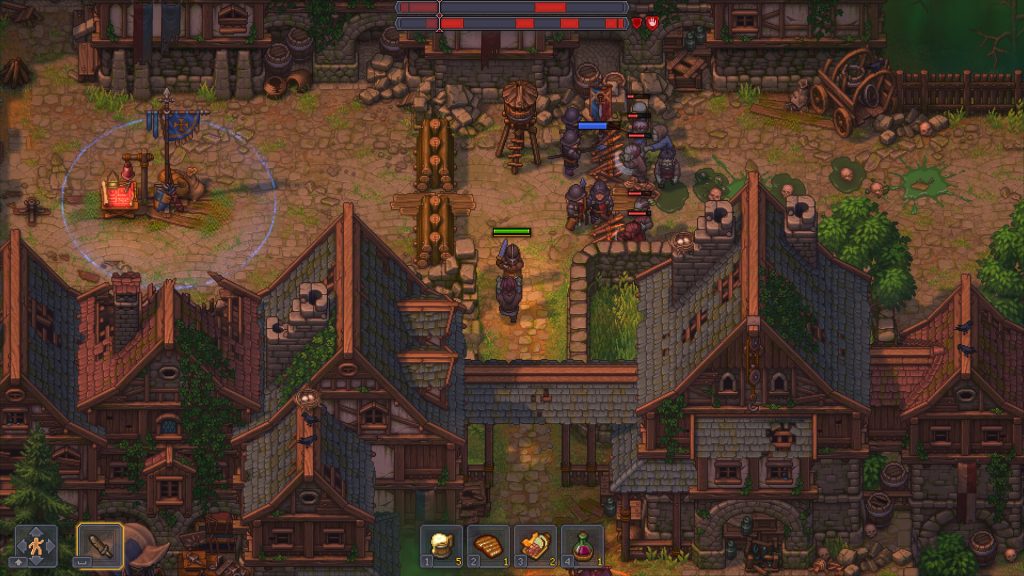
Graveyard Keeper 2 has earned $1.53 million from Steam pre-orders, with 87,500 copies sold and more than 814,000 active wishlists.
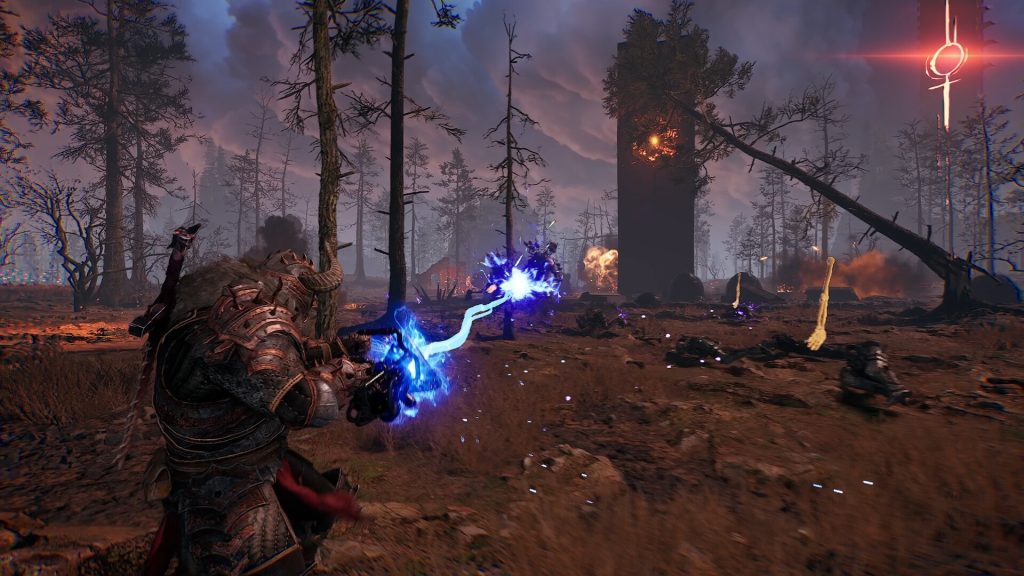
Guardians of the Wall shows chaotic co-op combat, roguelite progression and evolving world events ahead of its planned Q1 2027…
BOMBANANA! reaches 500,000 monkeys five days after launching its chaotic three-player bomb-defusal game on Steam.
Don’t Nod is considering another restructuring, raising concerns that further job cuts could follow as the Life is Strange studio…
One brutal week in August saw 720 games launch on Steam, showing just how difficult it is for indie developers…
PlayStation fans are no longer impressed by quantity alone, with many waiting for major first-party announcements to make State of…

Embracer Games Archive celebrates five years after cataloguing over 90,000 games, consoles, accessories and hardware for preservation.

Xbox Cloud Gaming is about to become a lot less unlimited, as Microsoft has announced monthly streaming caps for Game…

Nightmere I blends detective mystery, psychological horror and RPG exploration as investigator Amelia searches for a missing student in 1991.
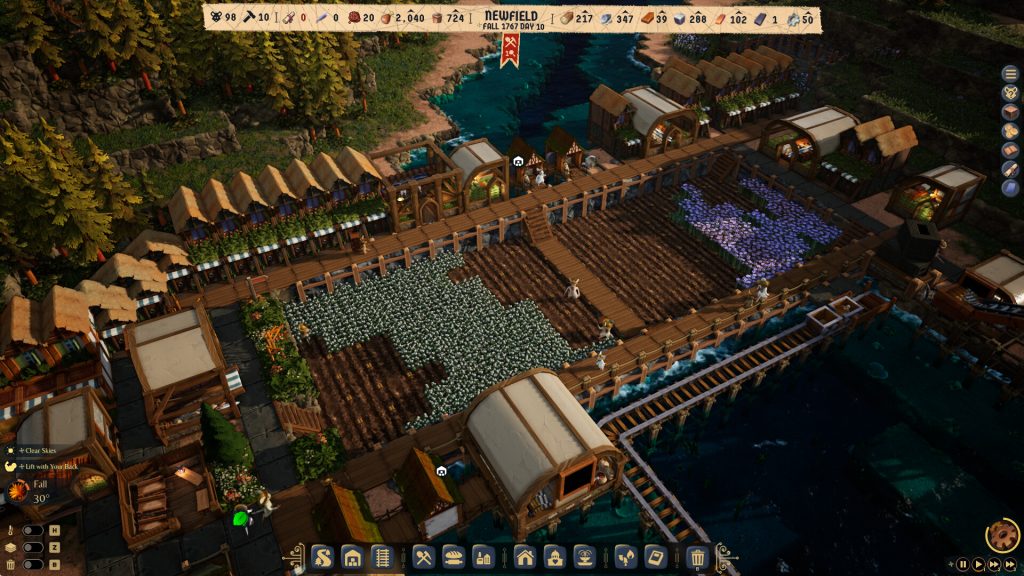
Whiskerwood is expanding its mouse colony with an entire ocean to worry about, bringing new challenges to the colony-building survival…
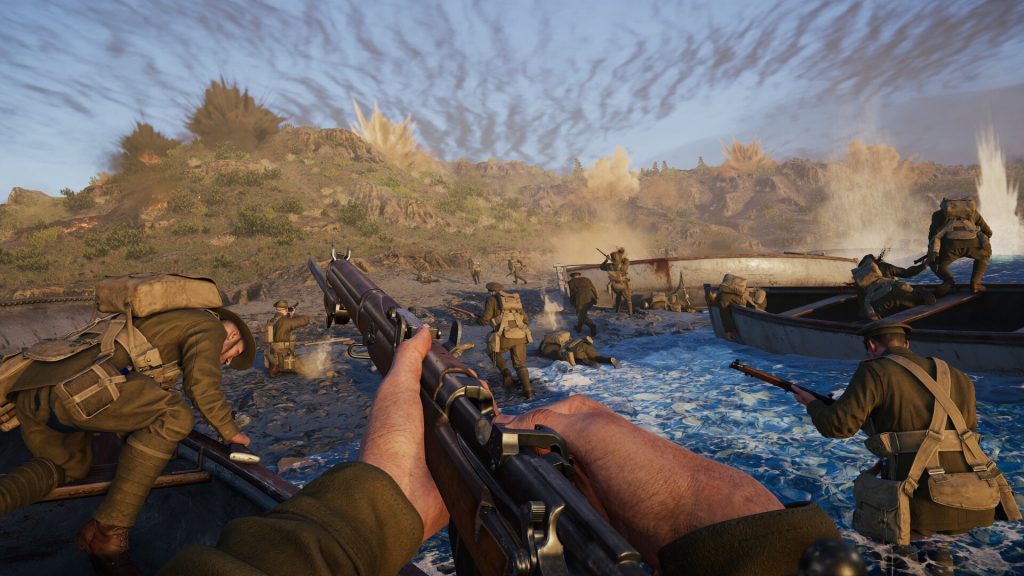
Gallipoli launched last month, but BlackMill Games is already preparing its first free expansion, adding something never before seen in…
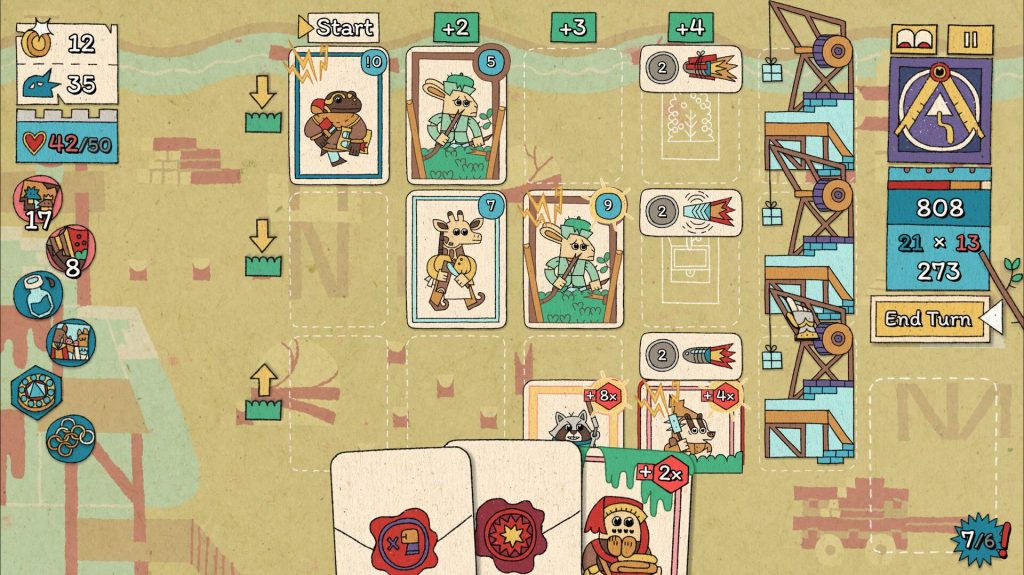
The Royal Writ will launch for PlayStation 5, Xbox Series X|S and Nintendo Switch on September 10th, alongside Xbox Game…
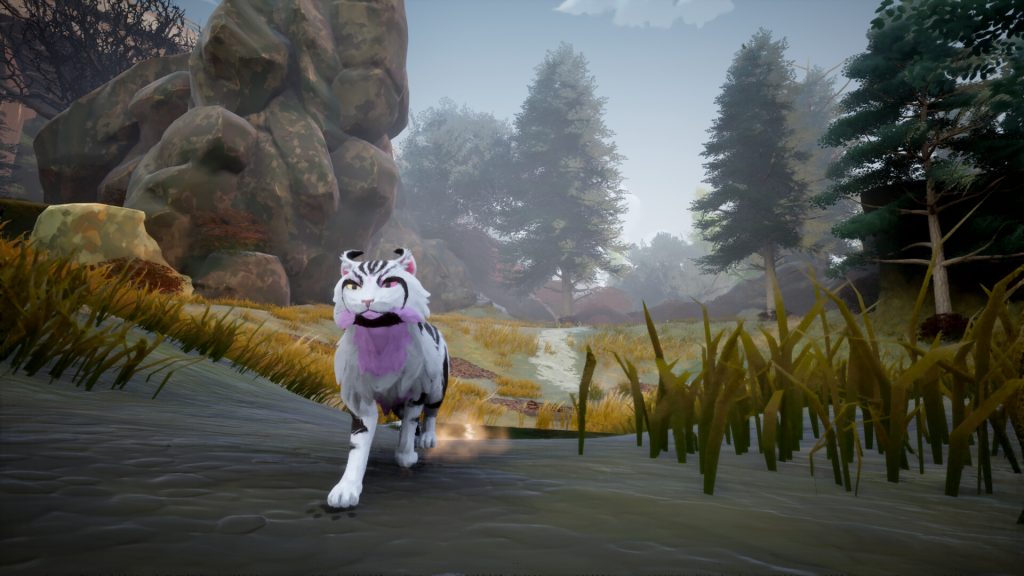
Warrior Cats: Clans of the Forest launches on October 23rd, 2026 for PC, PlayStation 5, Xbox Series X|S and both…
Duo Quest’s free Steam demo now supports online co-op ahead of the relationship-driven roguelite deckbuilder’s September 16th launch.
