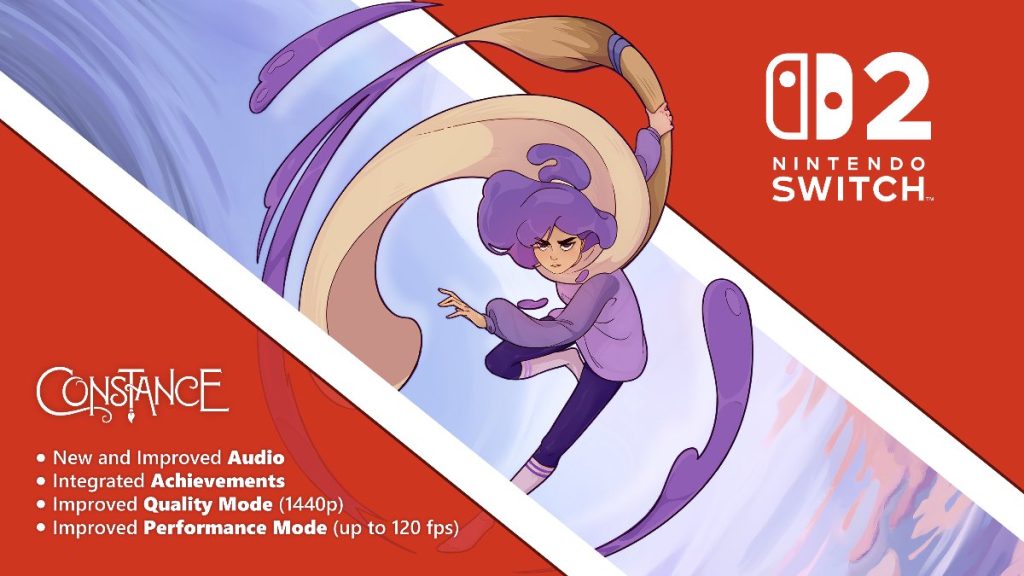
Constance Comes to Switch 2 With 120 FPS Support
The nonlinear world contains six biomes, each representing a different part of the protagonist’s psyche and history.


If you enjoy independent indie game coverage, consider supporting Indie-Games.eu on Patreon. It helps keep the site independent.
Gaming is a comprehensive entertainment platform that attracts a wide and diverse spectrum of people. To better understand how players combine different modes of interaction and form their identity, we decided to analyze the various gamer types highlighted in Newzoo’s Gamer Segmentation and Gamer Personas report. Do you want to find out which category you belong to? Let’s discover it together!
Today, being a gamer transcends the traditional definition of a person who plays video games. The multiplicity of interactions related to gaming becomes apparent when we view gaming not only as software and hardware but as a phenomenon with a socio-cultural dimension that shapes the relationships among players and their experiences. Increasingly, an interest in games is linked to additional activities, such such as following the websites of development studios and publishers, using social media, or making specific hardware decisions.


Okay, but why should we care about this? As it turns out, understanding modern gamers and their behavior is crucial today, not just for traditional media and brands that want to stay current, but also for gamers themselves. By recognizing our different personalities and attitudes, we will better understand each other, thereby improving communication within the gaming community.
So, let’s categorize all 9 types of gamers from the Newzoo report:


The nonlinear world contains six biomes, each representing a different part of the protagonist’s psyche and history.
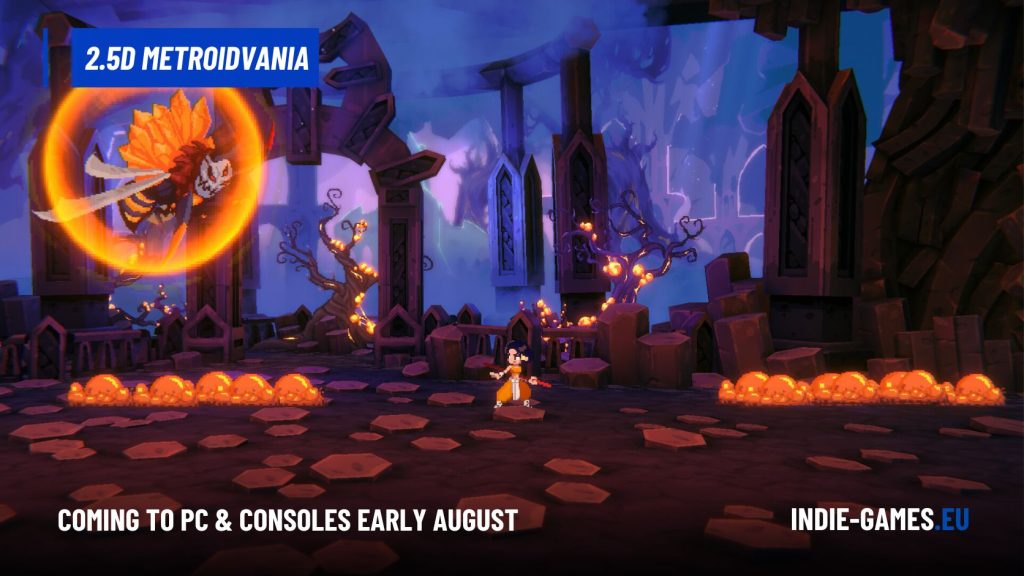
Akatori launches early August on PC and PlayStation and Xbox, featuring 2.5D Metroidvania action, parkour and staff-based combat.
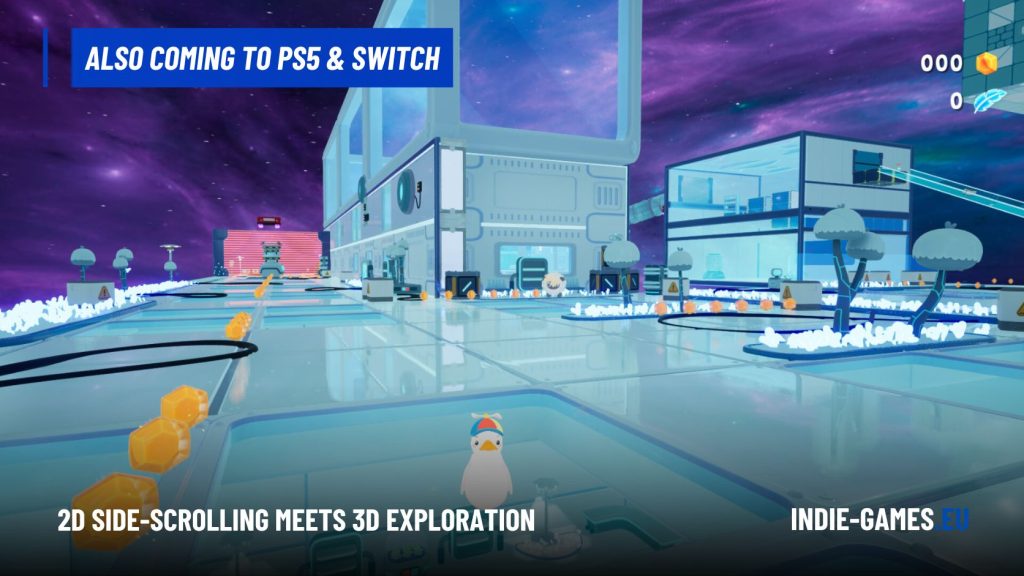
Dodo Duckie! launches on PC and Xbox today, with PS5 and Switch versions arriving later in 2026, featuring unique 2D…
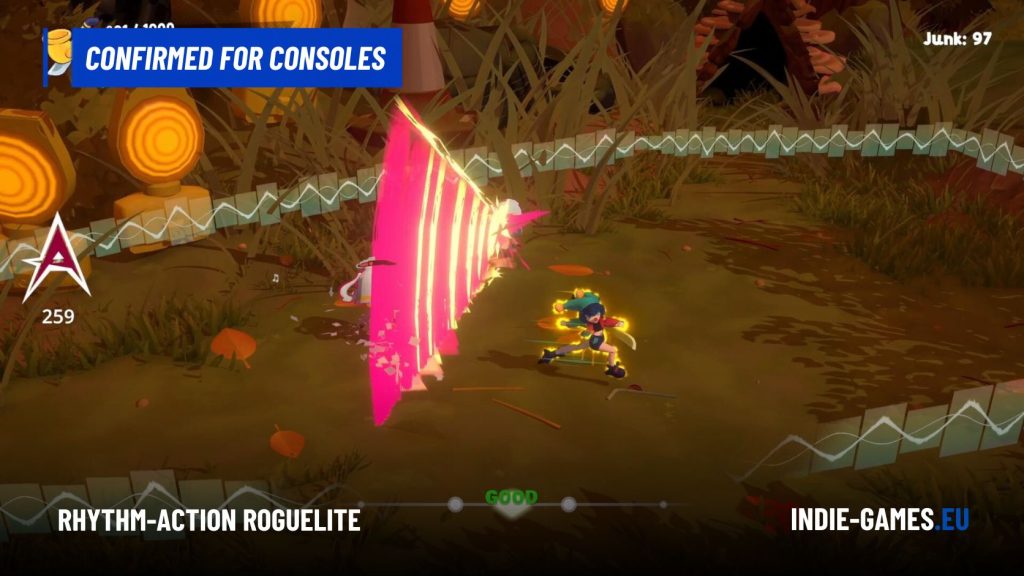
Alpha Nomos launches on PlayStation 5, Xbox Series and PC in 2026, featuring rhythm-based roguelite combat, live-recorded weapons and a…
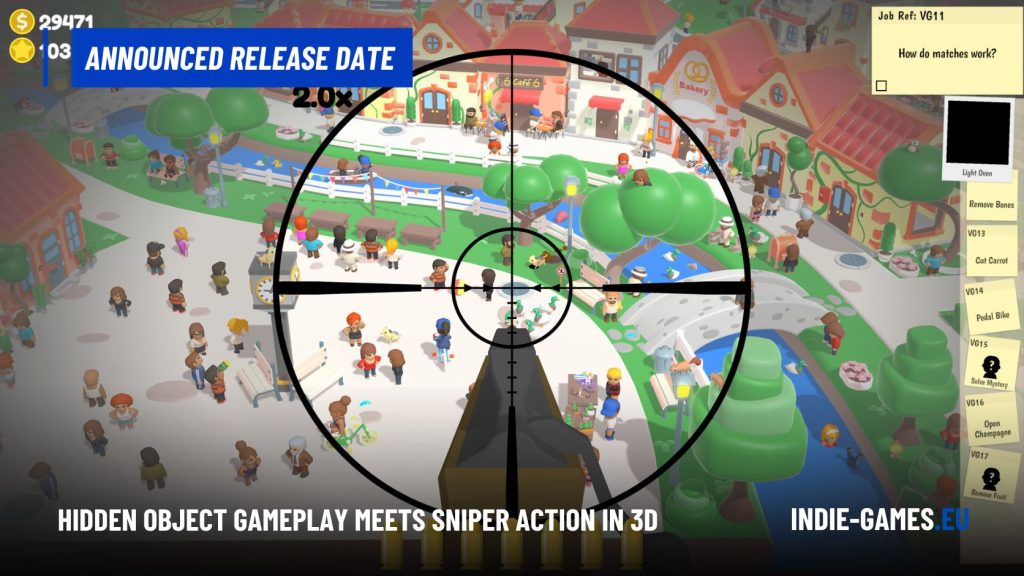
Sniper Dan launches in September for PlayStation 5, Xbox, Switch and PC, blending hidden object gameplay, puzzles and family-friendly sniper…
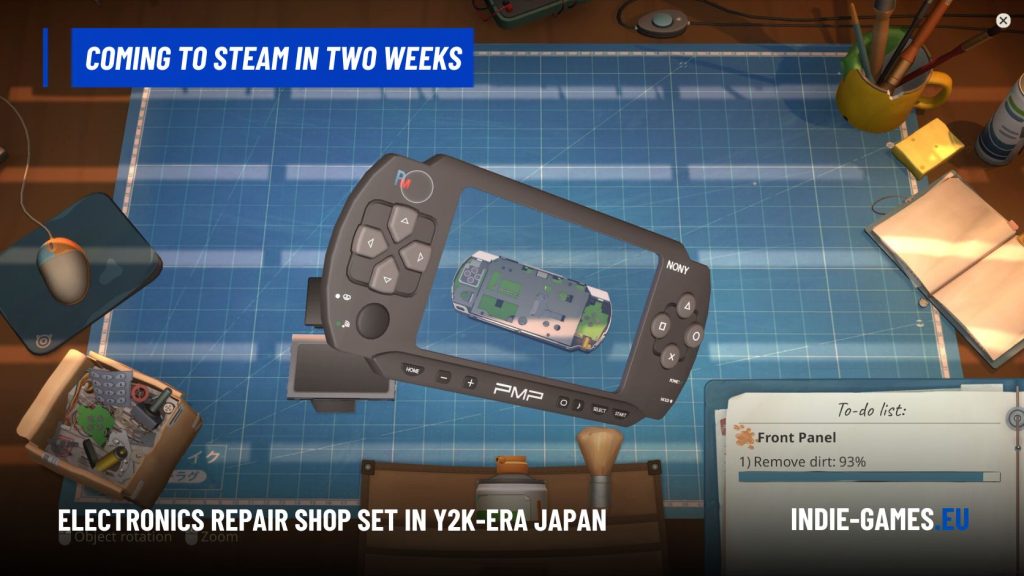
In ReStory, you will repair a wide range of early-2000s technology, including mobile phones, handheld gaming systems, digital pets, music…
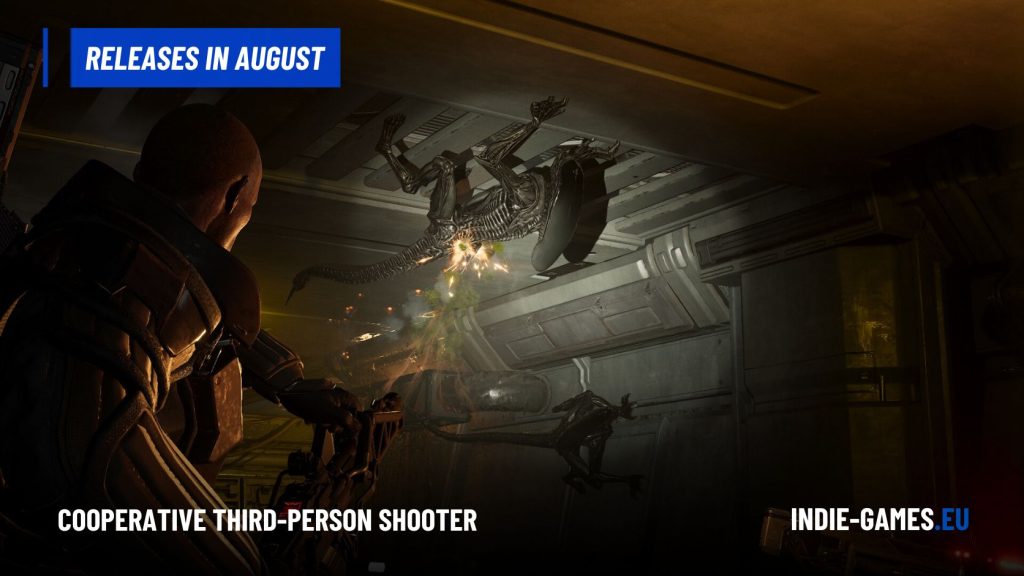
Aliens: Fireteam Elite 2 expands its fireteams to four players, who take control of Colonial Marines deployed across hostile locations…
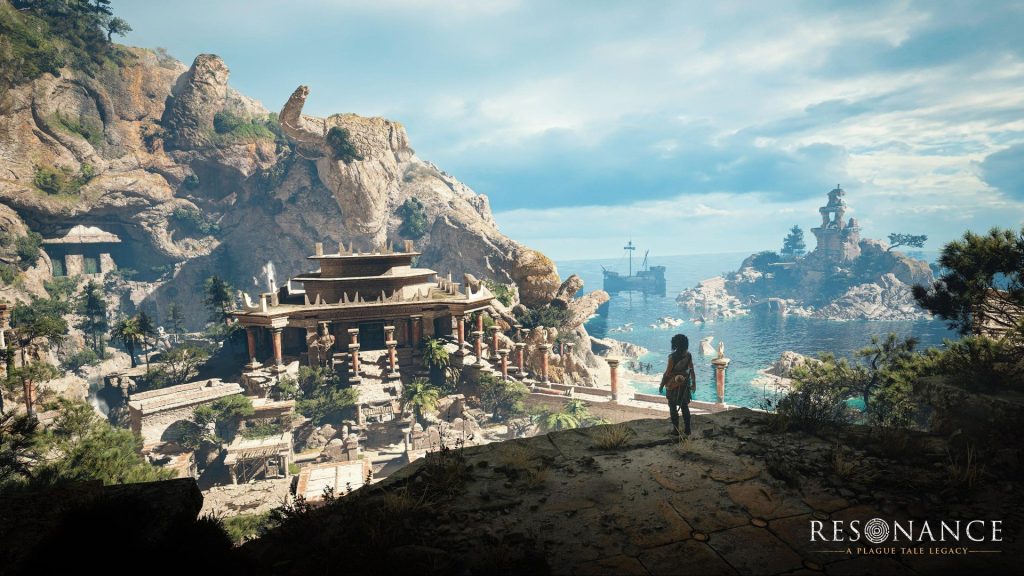
Asobo Studio has released a short scenic clip for Resonance: A Plague Tale Legacy, showcasing its Mediterranean-inspired locations.
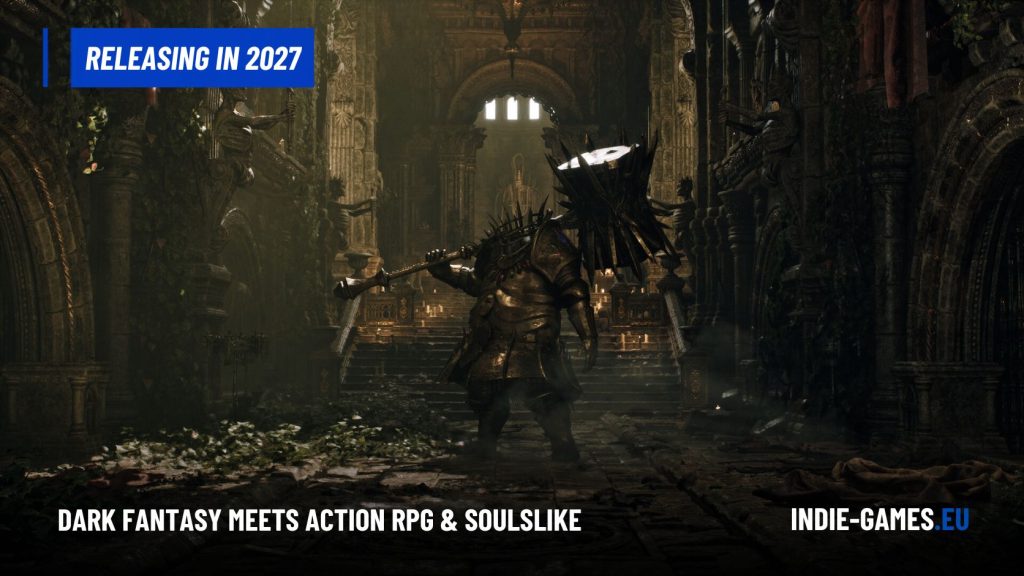
Turkish solo developer Celal Sahin has announced Godless Dawn, a dark fantasy action RPG targeting a Q1 2027 release on…
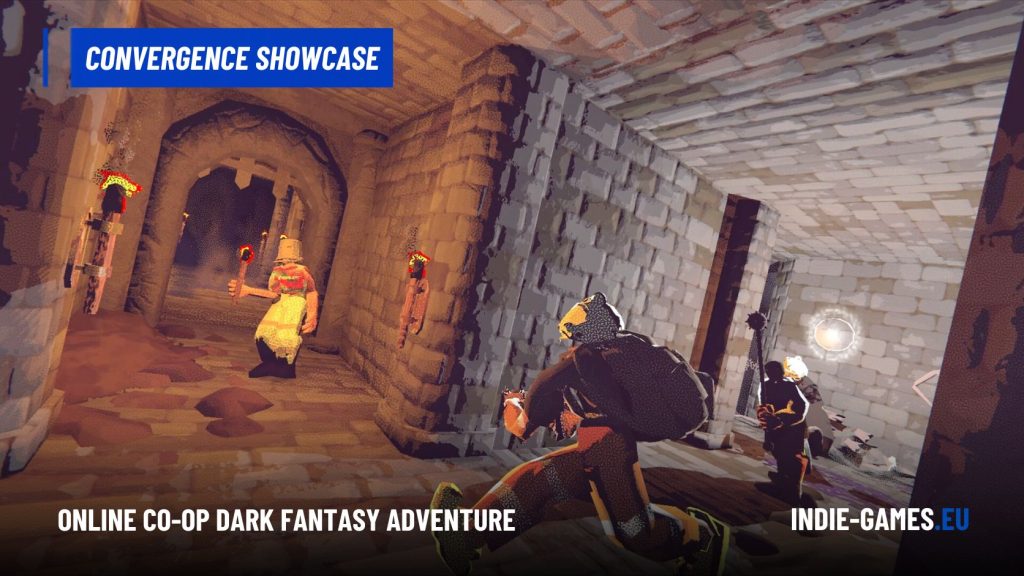
Vision Quench, an online co-op dark fantasy adventure from developer WizMUD Games and Pocketpair Publishing, is targeting an early 2027…
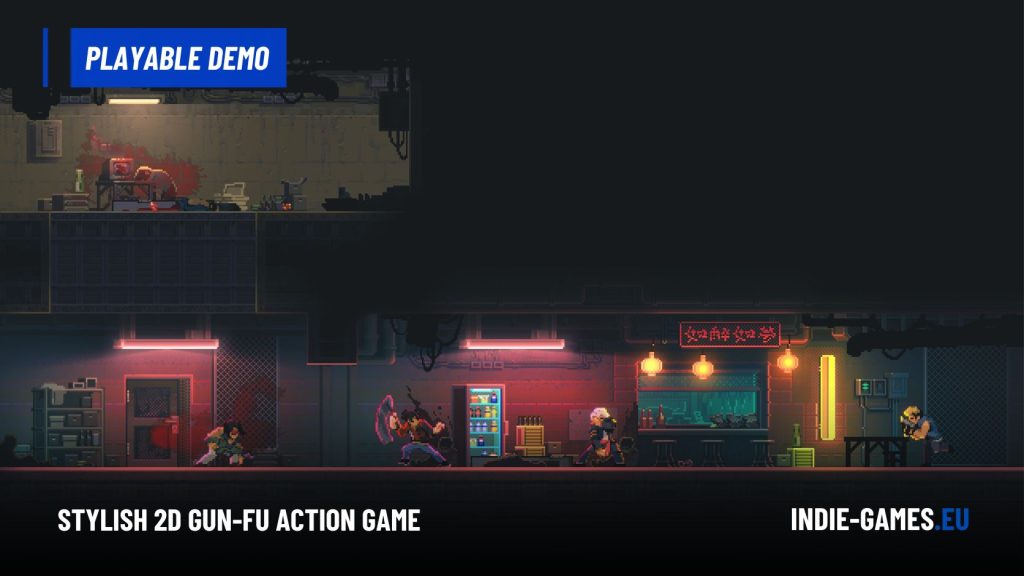
Named “The Bud Trial,” the playable preview offers an early look at the game ahead of its planned PC release…
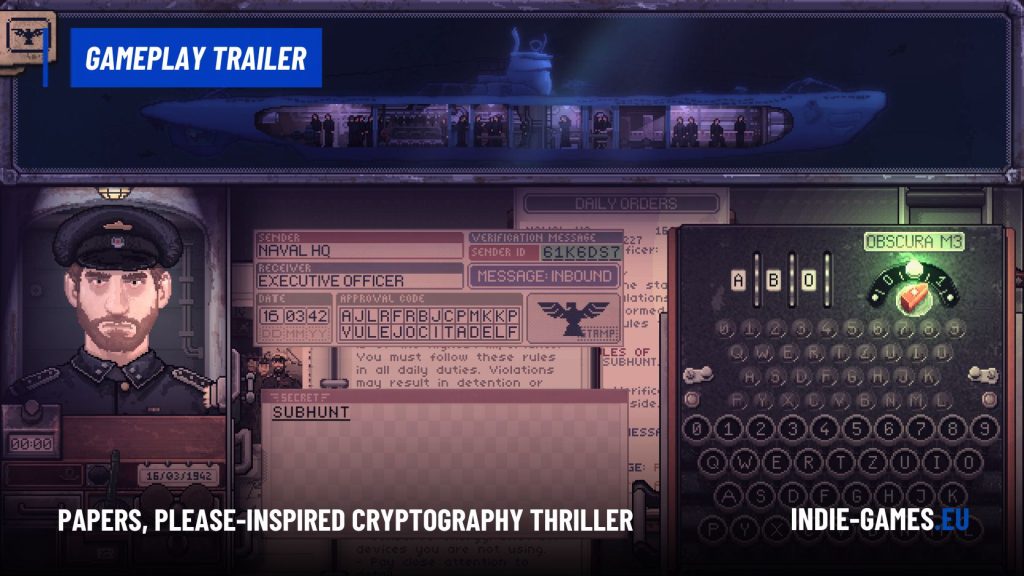
Serbian independent studio Retromagine has revealed False Echo, a narrative cryptography thriller inspired by Papers, Please and classic submarine dramas.

Surreal adventure Roman Sands RE:Build launches in September of this year on PC and consoles alongside the expanded Paratopic: Overdub.
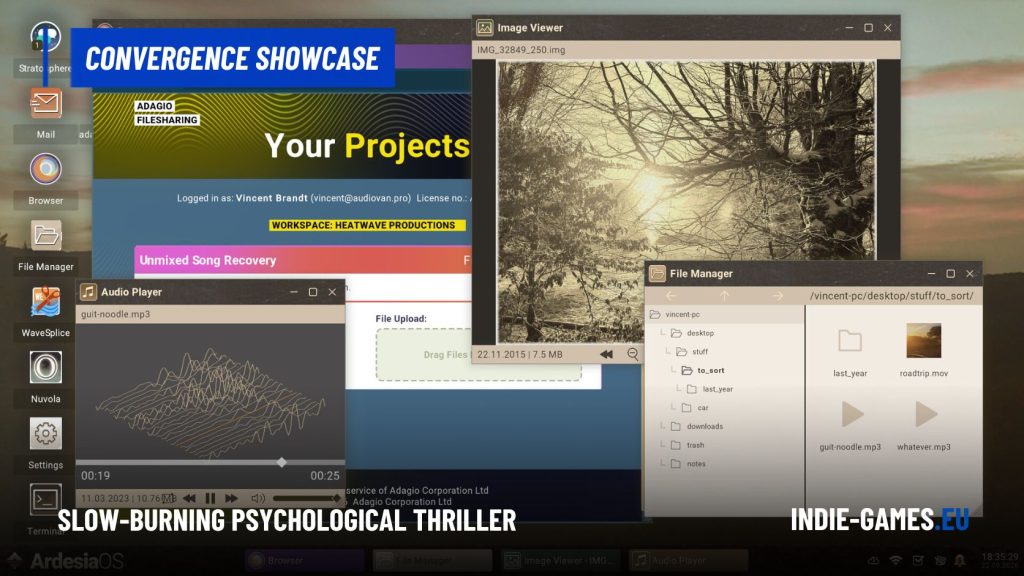
German indie studio Cobalt Lane has released a new trailer and Steam demo for Imprinted, a slow-burning psychological thriller.
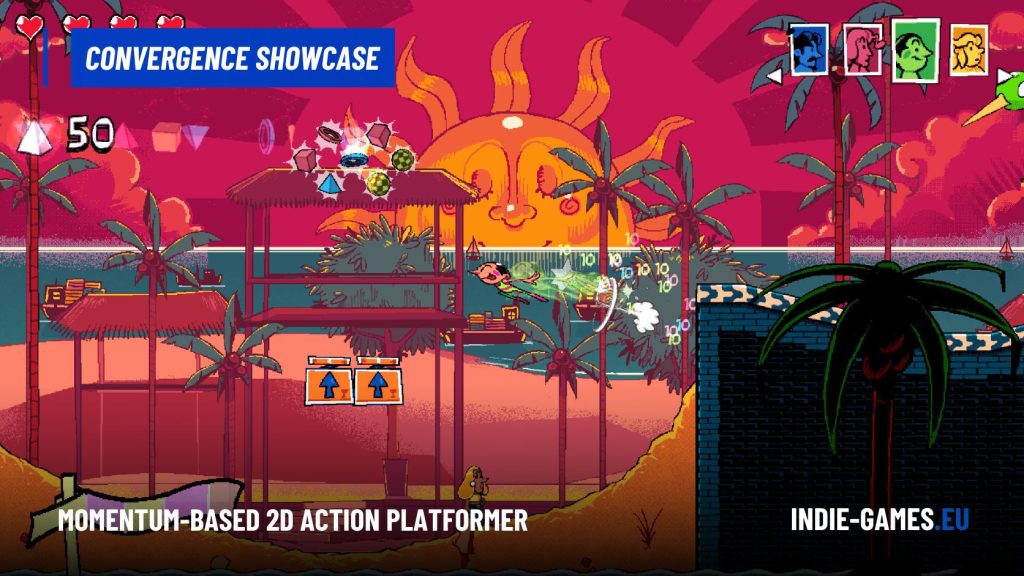
IndieArk and developer PVic Games have announced that momentum-based 2D action platformer ARTIUS: Pure Imagination will launch for PC via…
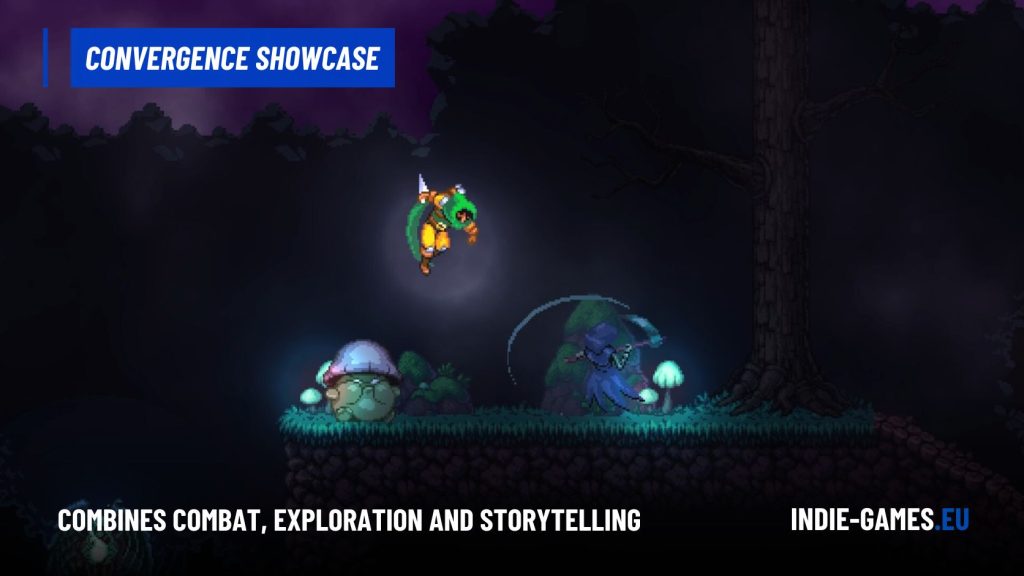
Decemberborn Interactive has released a new gameplay trailer for Cathedral: Crow’s Curse, an action-adventure prequel set in the world of…
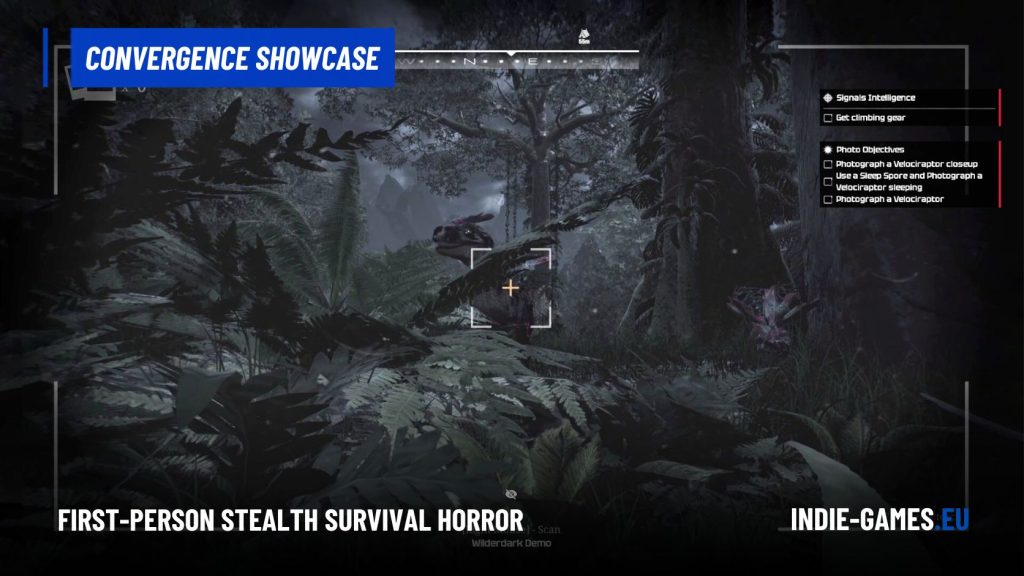
Wilderdark begins with the player crash-landing on an unnatural island overrun by hostile wildlife.
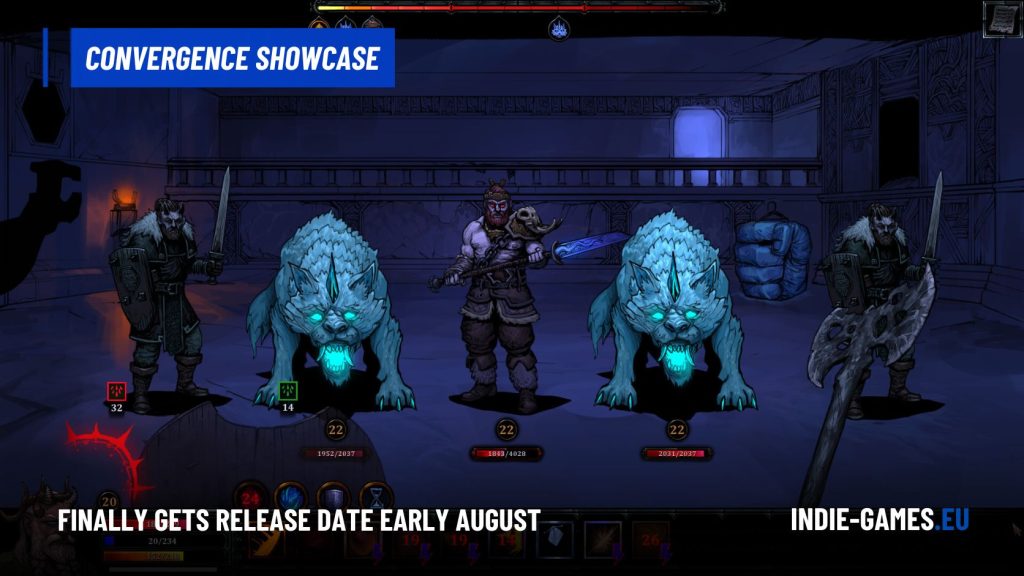
Independent French developer Ars Goetia and publisher Dear Villagers have announced that HellSlave II: Judgment of the Archon will launch…
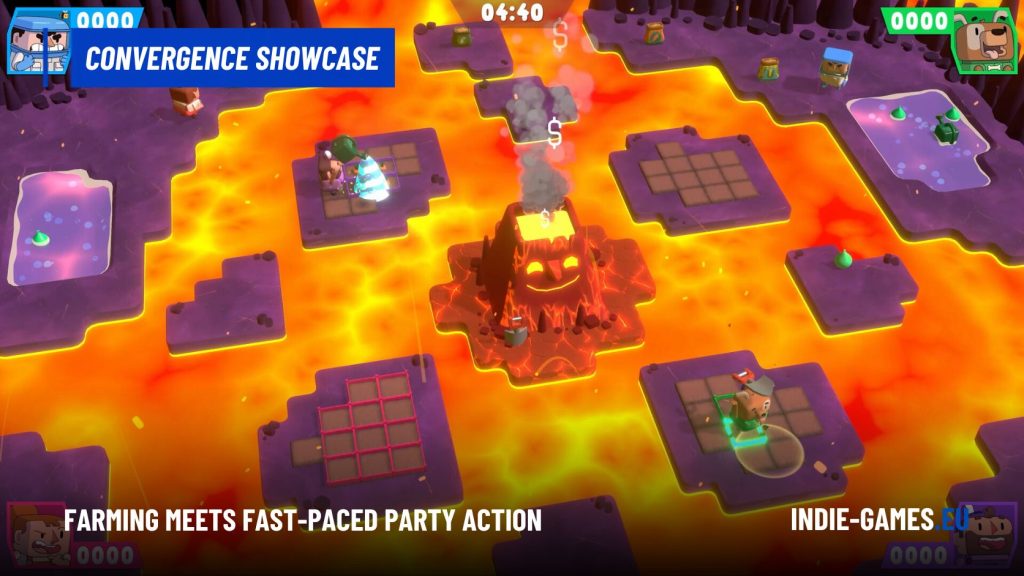
We got a new look at Planted! during the Convergence Showcase, where a brand-new Volcano level was revealed for the…
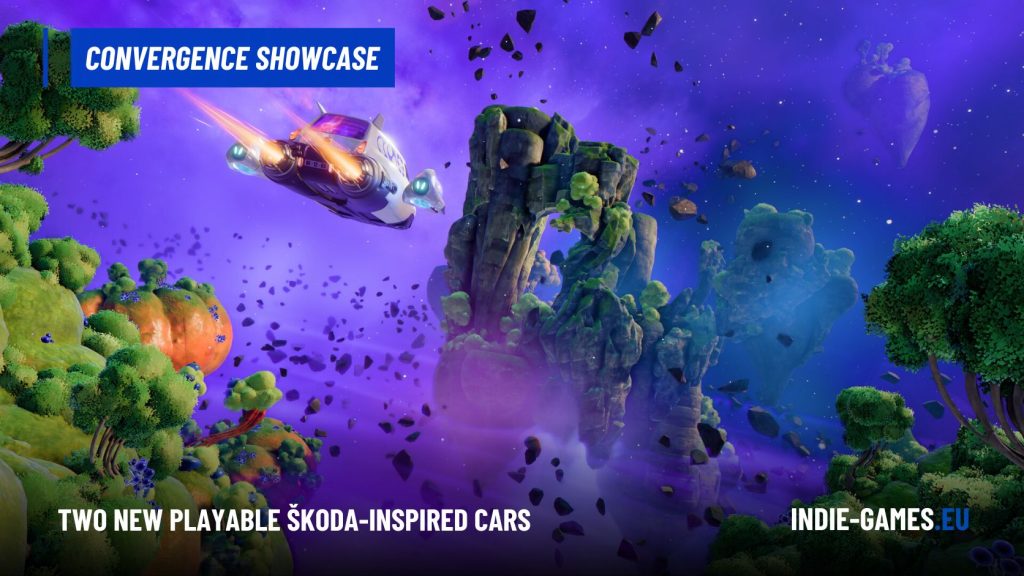
Bohemia Interactive has shared a brand-new look at Cosmo Tales during the Convergence Showcase, revealing two additional playable vehicles.
