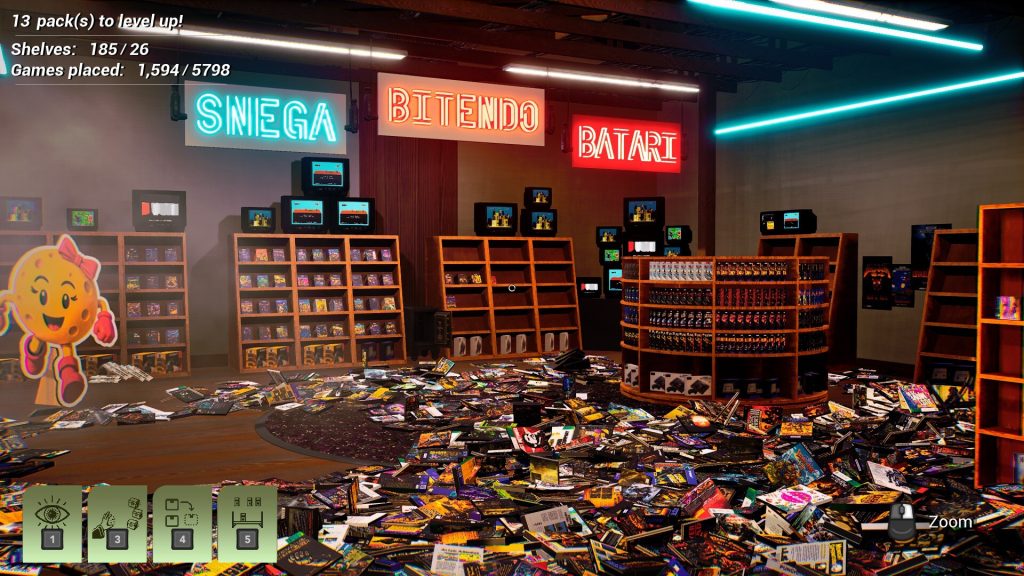
A Cat Scattered 5,798 Games Across This Cozy Supermarket Simulator
MY CAT SCATTERED GAMES asks players to organize 5,798 games and consoles before rescuing a cat trapped inside a claw…

![[OPINION] Is Hollow Knight: Silksong Launch a Problem For the Industry?](https://www.indie-games.eu/wp-content/uploads/2025/09/Hollow-Knight-Silksong-naslovna.jpg)
If you enjoy independent indie game coverage, consider supporting Indie-Games.eu on Patreon. It helps keep the site independent.
I recently read an article on Eurogamer that discusses whether the price of Hollow Knight: Silksong is a problem for indie games but also for the industry in general. The author gave examples of how the gaming industry reacted to its reveal. I think the price of around 20 dollars (or 19.50 euros) is unusual for a game that will likely offer more than 50 hours of gameplay. I believe most people would agree with a deal like that, especially since many players are already saying it’s too low. As a highly anticipated sequel to a big indie hit, its price is significantly lower than what many were expecting.

The years-long wait for Silksong has built up an unprecedented level of anticipation. Gamers have watched countless livestreams, fan theories, and news updates, all waiting for this one release. When the game finally drops, there’s a collective sense of urgency to be part of the moment. Players don’t want to be left out of the conversation on social media or in their friend groups.
The fear of being the only one not playing or understanding the latest memes and discoveries drives an impulsive desire to buy the game immediately. The price becomes a secondary concern; the primary motivation is to join the cultural event. This emotional urgency can override rational judgments about cost-to-value, especially since the price is so low to begin with.
To return to the main question: “Is Hollow Knight: Silksong’s Price a Problem for Indie Games?” The short answer is yes, but probably not in the way you think. I’ve recently seen several Reddit posts, for example, where the developer of the game Lone Fungus asked a valid question: “Is my 20 € game overpriced when Silksong is also 20 €, but with a much higher level of polish?”
Many people in the comments disagreed with this idea, arguing that a game’s price should reflect the quality of the product and the effort put into it. In a way, Silksong is a rare case that’s breaking industry standards. For example, recently released titles like Hell is Us (50 €) and METAL EDEN (36 €) both have very positive reviews despite being much higher in price than Silksong.
There is a concern that Silksong’s price will change what players expect from a 20 $ indie game. Let’s look at it this way: Team Cherry is a small, four-person team. They were able to spend years on Silksong because the original Hollow Knight sold over 15 million copies, giving them a proper safety net to develop without financial pressure. Most indie studios don’t have this luxury. They have to pay their team and cover expenses, and a 20 $ price tag might not be enough to make a profit after years of work.

It’s also worth noting that many indie developers have delayed their games to avoid direct competition, both in terms of launch timing and pricing. For example, Toukana, the developer of Dorfromantik, delayed their new game Star Birds. Publishers like Devolver also moved their games out of Silksong’s launch window.
A limited number of journalists, content creators, and streamers cover new game releases. When a massive event like Silksong‘s launch happens, it will completely dominate their schedules. Devolver CEO Graeme Struthers explained that the same media drawn to Baby Steps would “inevitably (and understandably) prioritise Silksong.” This means articles, reviews, and Let’s Plays that could have driven interest in Baby Steps simply wouldn’t exist in that timeframe.
Team Cherry’s pricing decision wasn’t just about business. With the immense pressure and hype surrounding Silksong, the low price is a strategic move to manage audience expectations and set them up for a positive reaction. They’re prioritizing goodwill over maximizing profit, a luxury afforded to them by the huge success of their first game.

Not every new Metroidvania will be expected to offer 50+ hours of content for $20, but Silksong’s pricing strategy will likely have a long-term impact on consumer expectations. The sheer value offered by a highly anticipated title at a low price has shifted the conversation, making gamers more conscious of what they get for their money. In fact, developers may feel pressured to lower their prices to compete for consumer attention, even if a higher price is necessary to cover their development costs.
Silksong’s marketing is different from other indie games. It doesn’t need traditional marketing, PR, or positive reviews to attract an audience. This is evident from the fact that it already had over 500,000 people playing it simultaneously on Steam during a promotional period, not counting other platforms. Another financial factor to consider is platform fees (Steam’s 30% cut or console licensing fees). It’s also being released on Xbox Game Pass, and the amount that Xbox paid for that deal will significantly affect the game’s overall sales. We won’t know the full financial picture until Team Cherry reveals how many copies have been sold.
In 2025, the definition of an “indie” game is more complex than ever before. It’s no longer a simple matter of team size or budget, as some indie projects have grown to rival triple-A productions. Instead, the term “indie” is defined by a combination of key factors: team size, financial independence and budget. It might be a too broad topic to discuss right now, but in general, developers retain ownership of the intellectual property and have the freedom to pursue their unique artistic vision, even if it’s niche or experimental.

I would also like to bring up another issue: the response to negative reviews. When someone leaves a negative review on Steam, even if it’s for a valid reason, the community often reacts by saying: “It’s a skill issue” or “You just can’t handle the game.” This kind of reaction closes the door on constructive criticism and conversation. Not everyone is going to like every game, especially one that takes around 15 hours just to complete Act 1. I think we’re forgetting how to talk about games and express our opinions in a way that encourages genuine discussion.
Ultimately, we have to understand that Silksong isn’t just another game release; it’s an event that has brought a triple-A-style conversation about price points and value into the indie space. While many developers are worried about the impact, most of the responses to these concerns have been encouraging, urging them to price their games fairly for their own needs. It’s a complex situation with no easy answers, but it highlights the unique challenges and opportunities in today’s indie game market.
MY CAT SCATTERED GAMES asks players to organize 5,798 games and consoles before rescuing a cat trapped inside a claw…
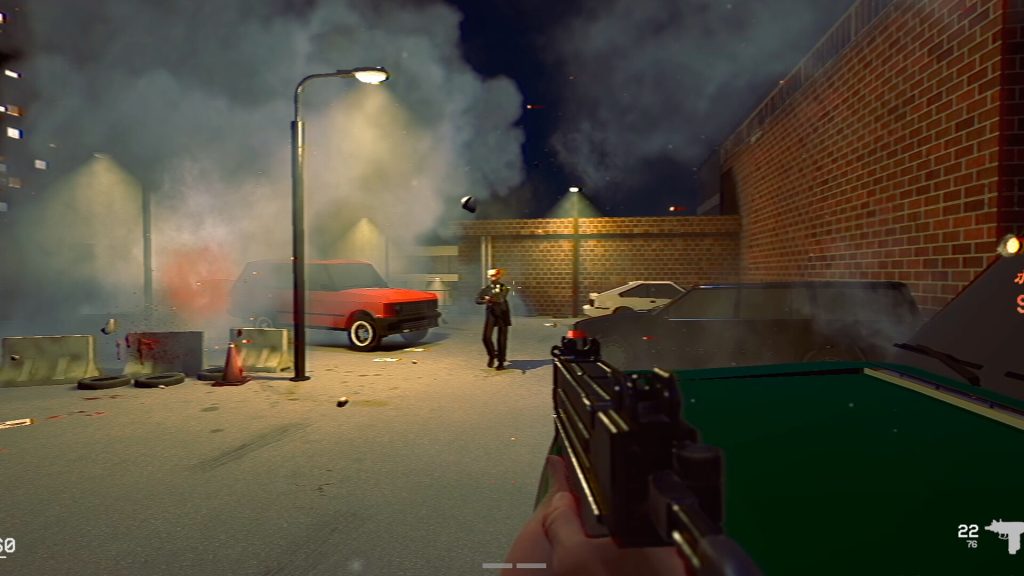
Retro corridor shooter Cop Bastard has partnered with Retrovibe for an October release, accompanied by a faster and more polished…
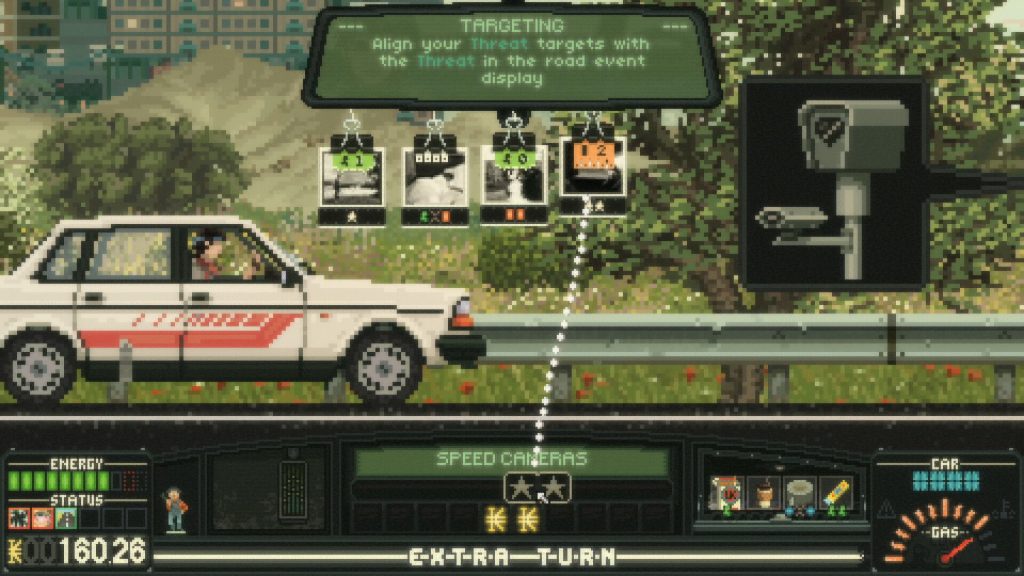
Keep Driving launches on Switch, PS5 and Xbox Series X|S on September 28 as its PC edition receives official Steam…
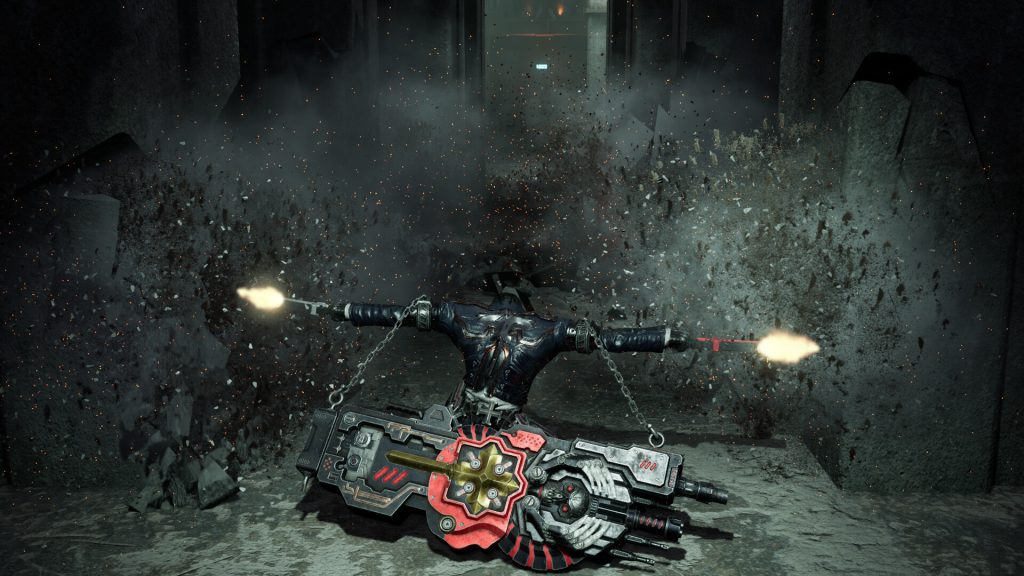
Gungrave G.O.R.E: Blood Heat shows its rebuilt combat, including parries, close-range attacks and faster 360-degree movement.
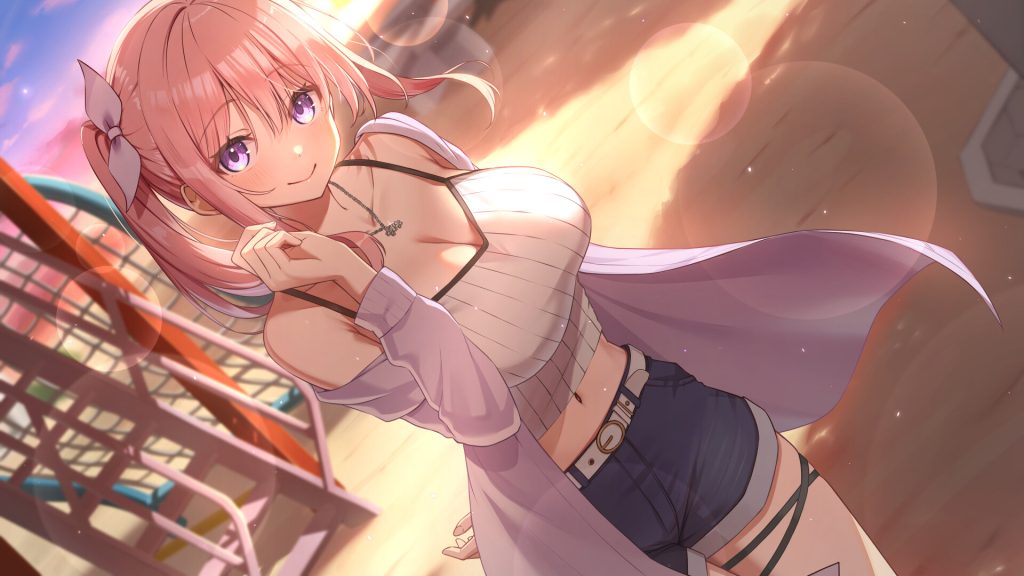
Sugar Lies follows a young man who hates dishonesty and a girl living behind a perfect persona when it launches…
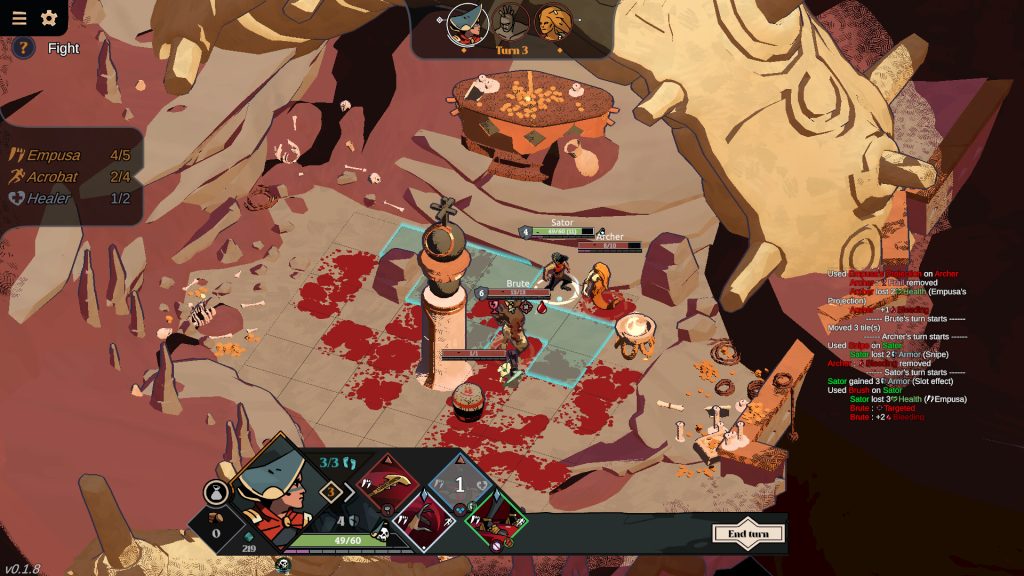
Deified leaves Steam Early Access on September 21 with its narrative ending, final boss floor, balance improvements and hidden content.
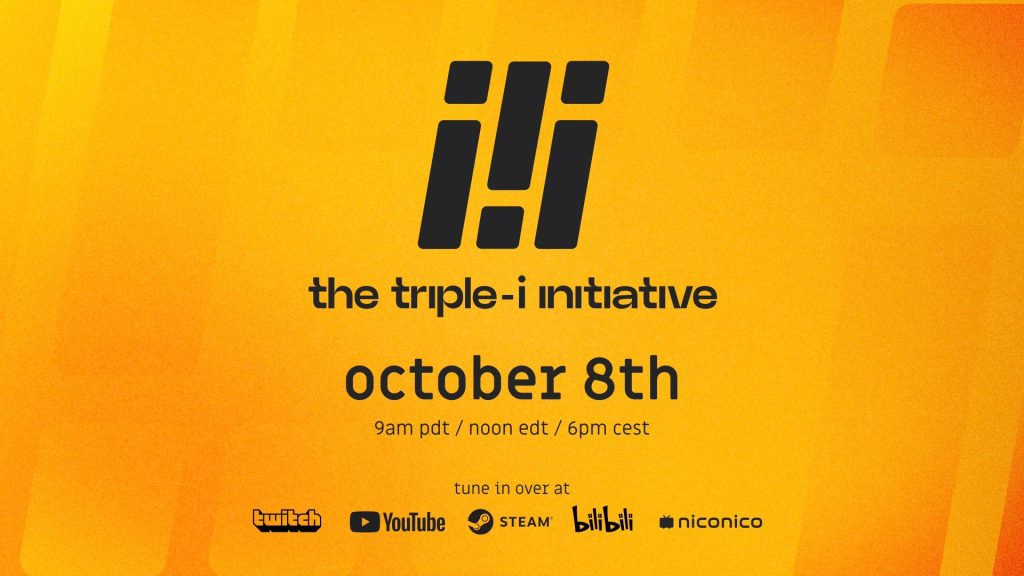
Triple-i Initiative returns October 8 with 40 games, eight world premieres and 45 minutes of trailers, release dates and reveals.
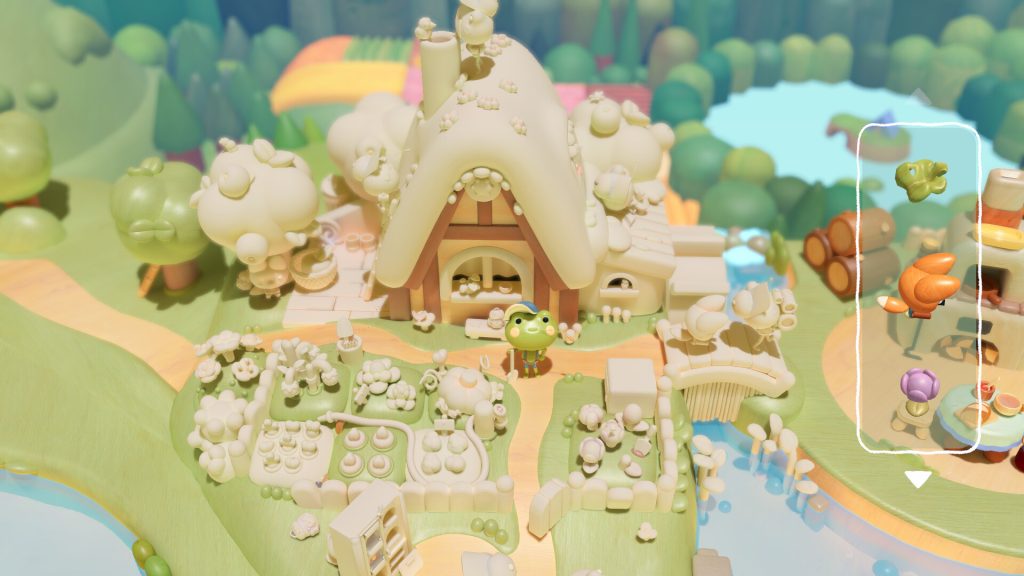
Woodo launches September 16, inviting players to rebuild childhood memories through cozy, handcrafted wooden dioramas.
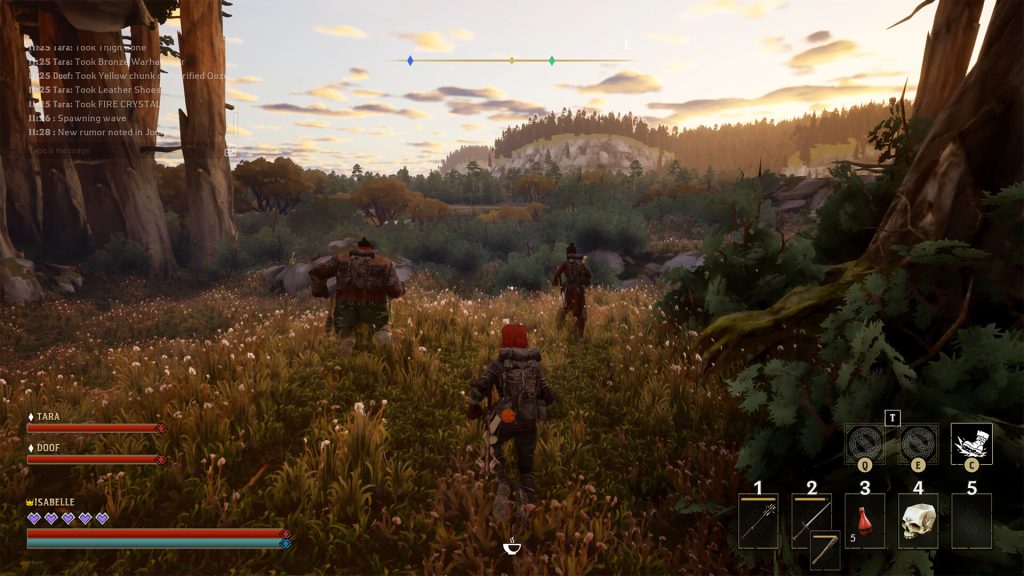
Curve Games signs Wyldheart in one of its biggest recent investments after the co-op RPG surpasses 375,000 Steam wishlists.
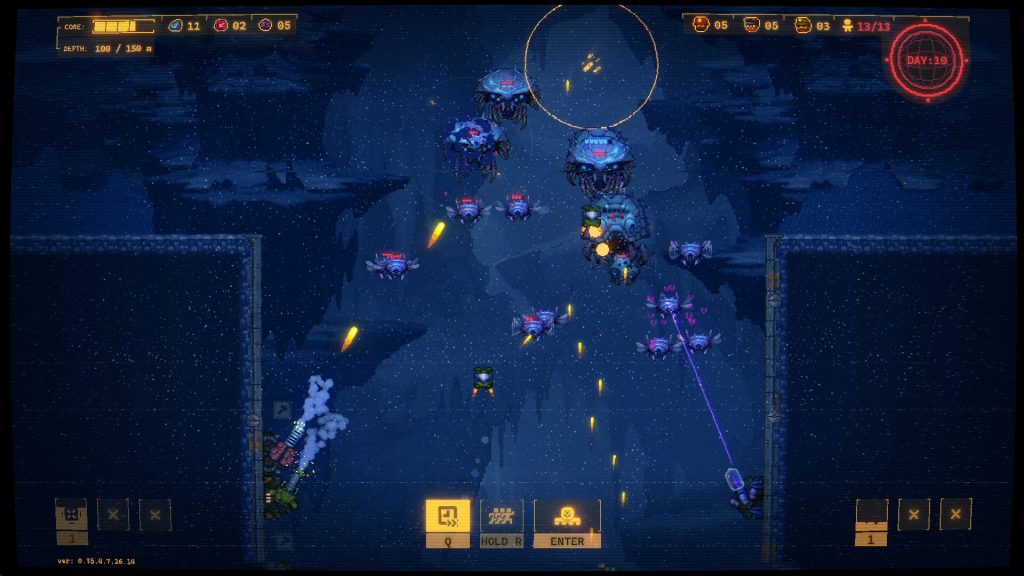
Drill Core’s free Anniversary Update adds Relaxed Mode, new bounties, specialists, platform skins and several quality-of-life improvements.
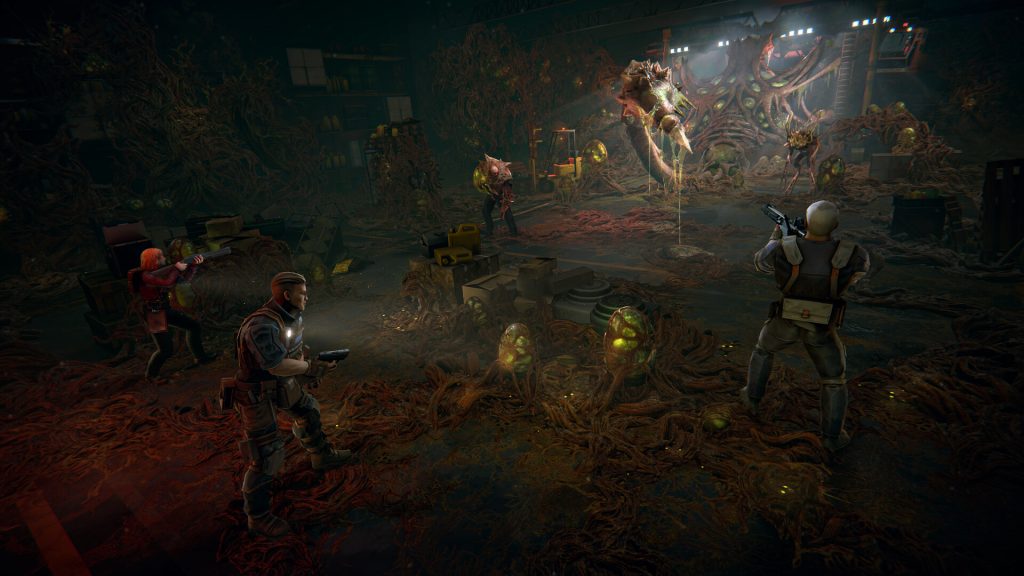
Critical Shift’s free two-hour demo combines real-time exploration with tactical combat inside a compromised Antarctic facility.
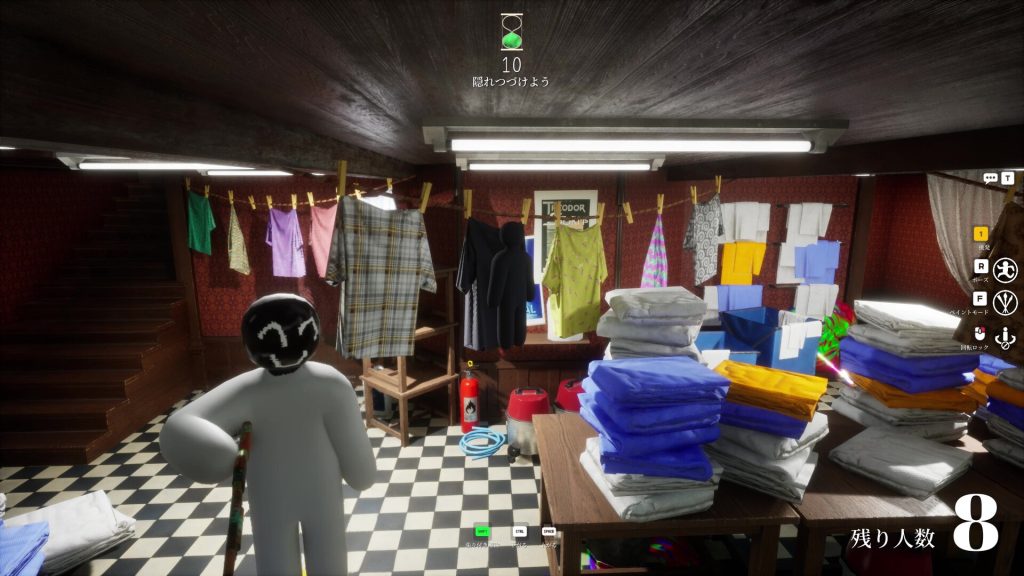
Meccha Chameleon brings its paint-based multiplayer hide-and-seek matches to Nintendo Switch 2 with a temporary $4.79 launch price.
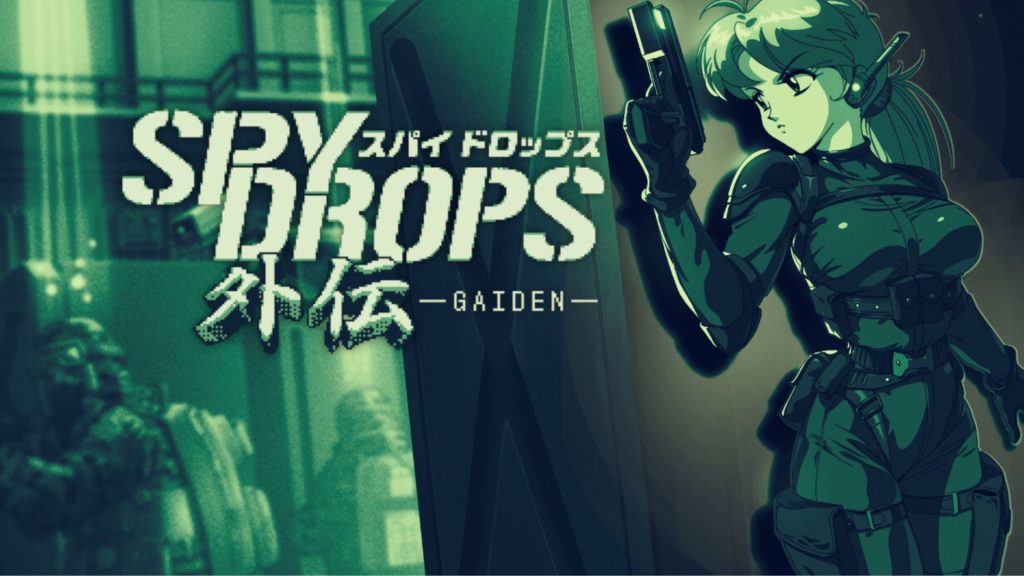
Spy Drops Gaiden brings Game Boy-style stealth, eight covert missions and intel extraction to Steam on October 12 for €4.99.
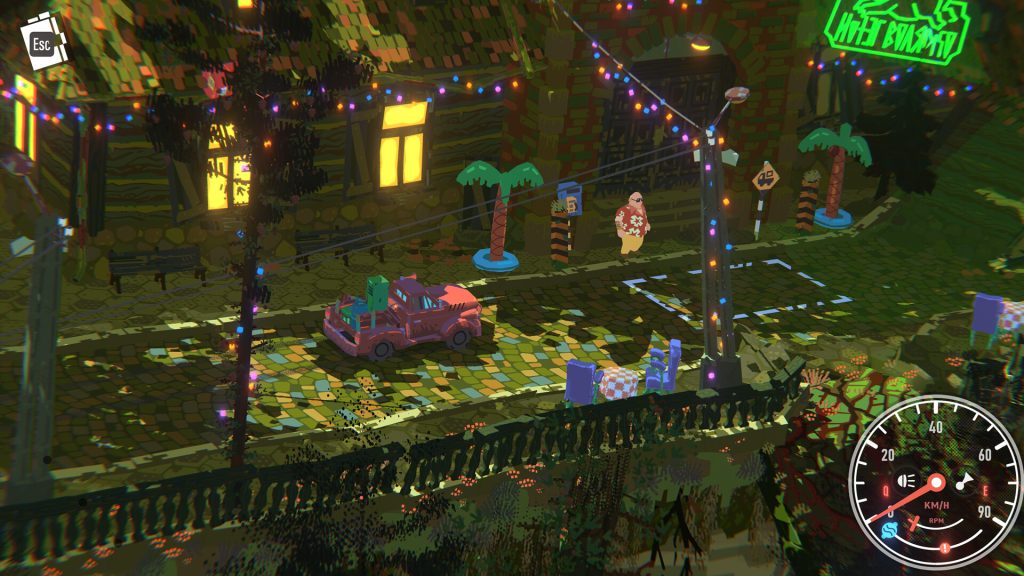
Truckful launches October 9 on Steam and Android, combining physics-based deliveries with vehicle upgrades and a mystery inside an ancient…
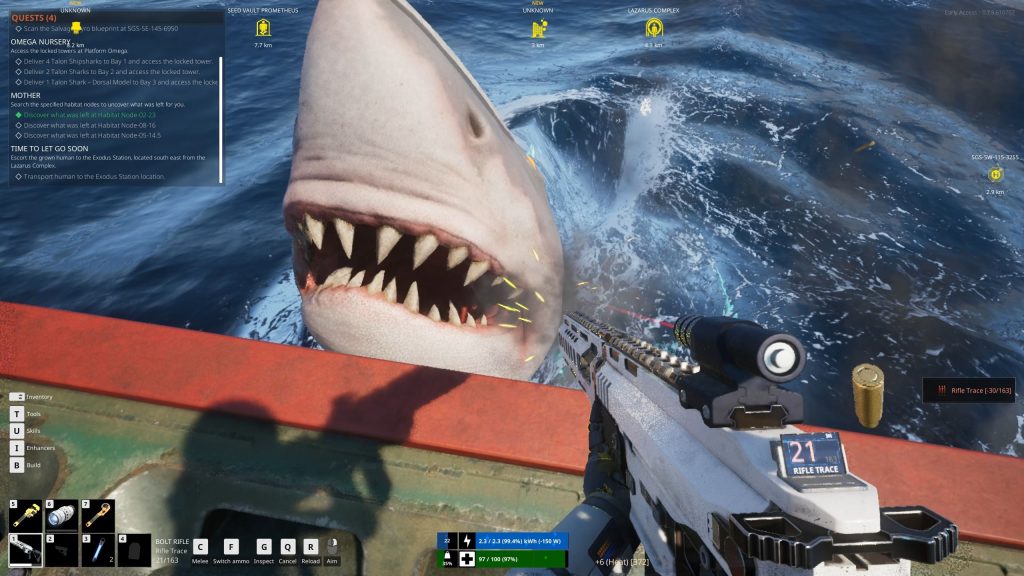
The Last Caretaker reaches version 1.0 in spring 2027 and joins Xbox Game Pass on day one after selling over…
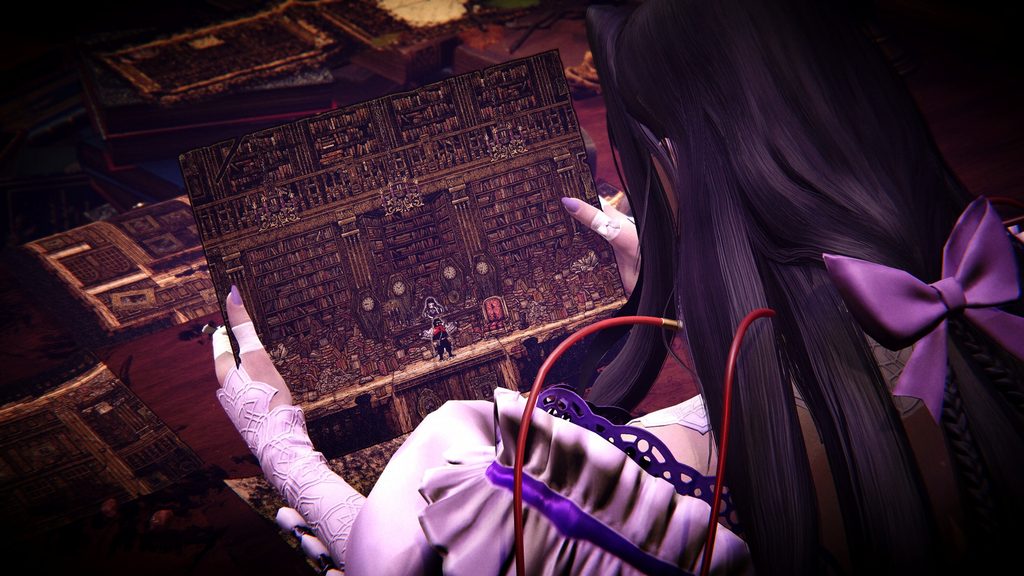
Chronoscript: The Endless End moves to early summer 2027 as DeskWorks! improves combat responsiveness, menus and visual readability.
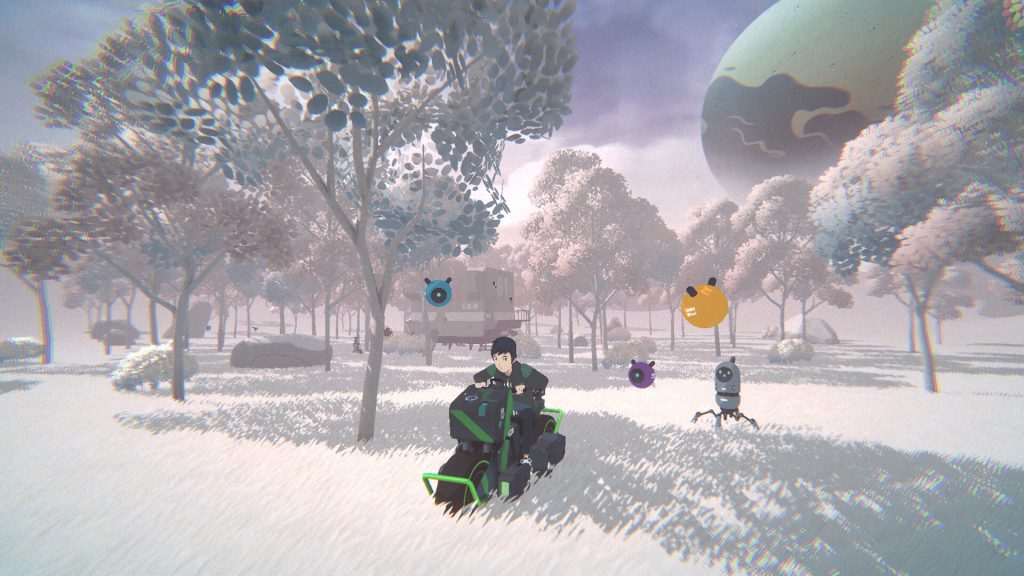
HEIMA is a parallel-world puzzle adventure from former Terra Battle developers, coming to PC in 2028 with SHIFT and HOLD…
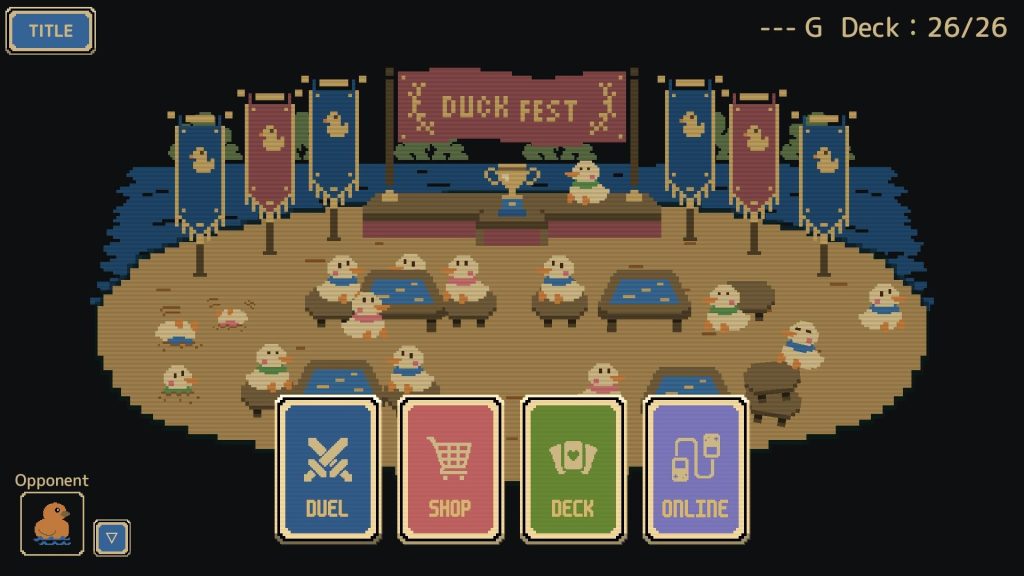
Duck Fest combines deck building and 1v1 battles with collectible cards that players can trade through the Steam Community Market.
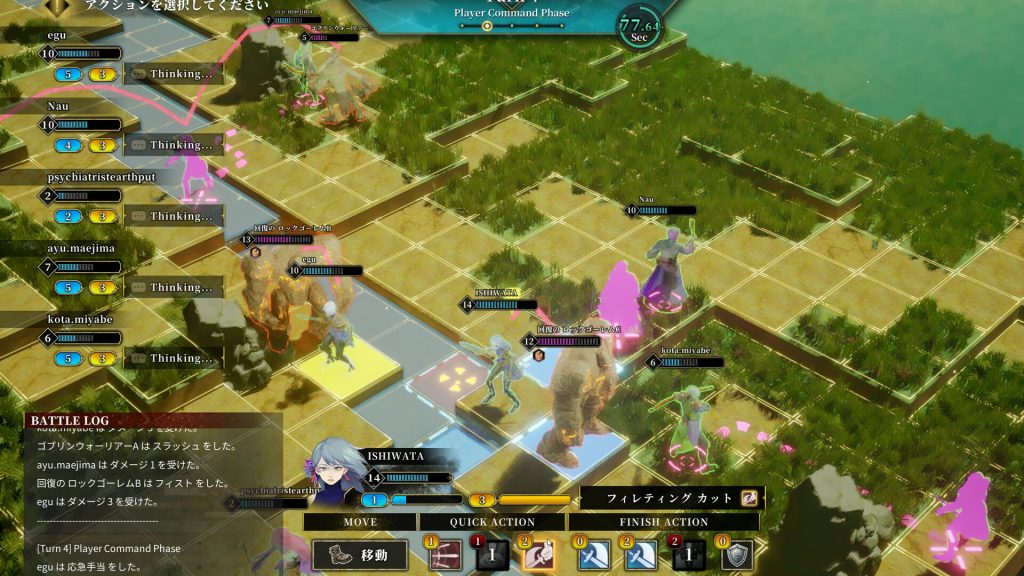
Tactful Tactics is a 1–6-player cooperative RPG where everyone plans and executes their actions simultaneously.
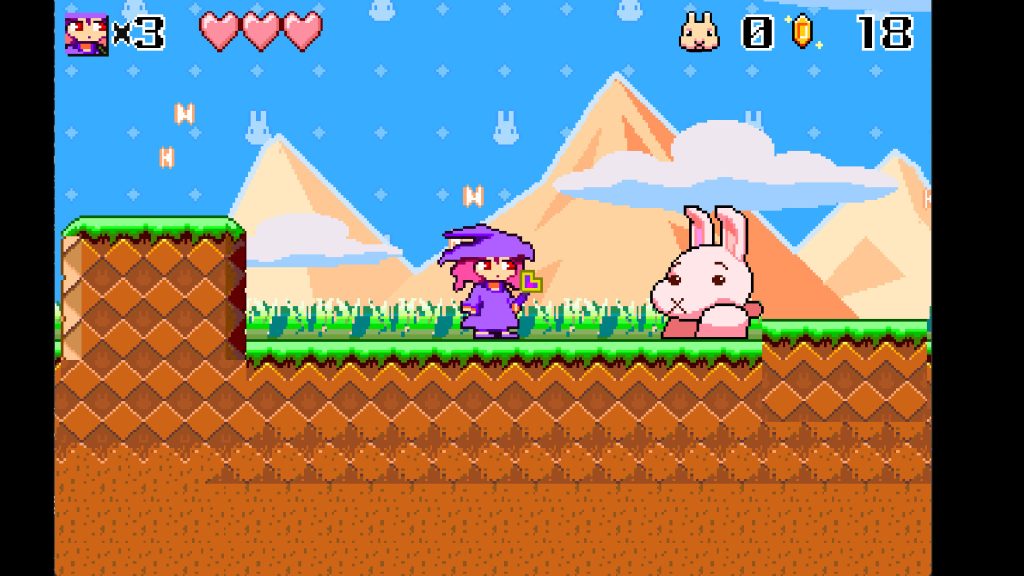
SakuSaku Witch is a retro-inspired 2D platformer about magic, bunny monsters and a suspicious toy company, coming to Steam in…
