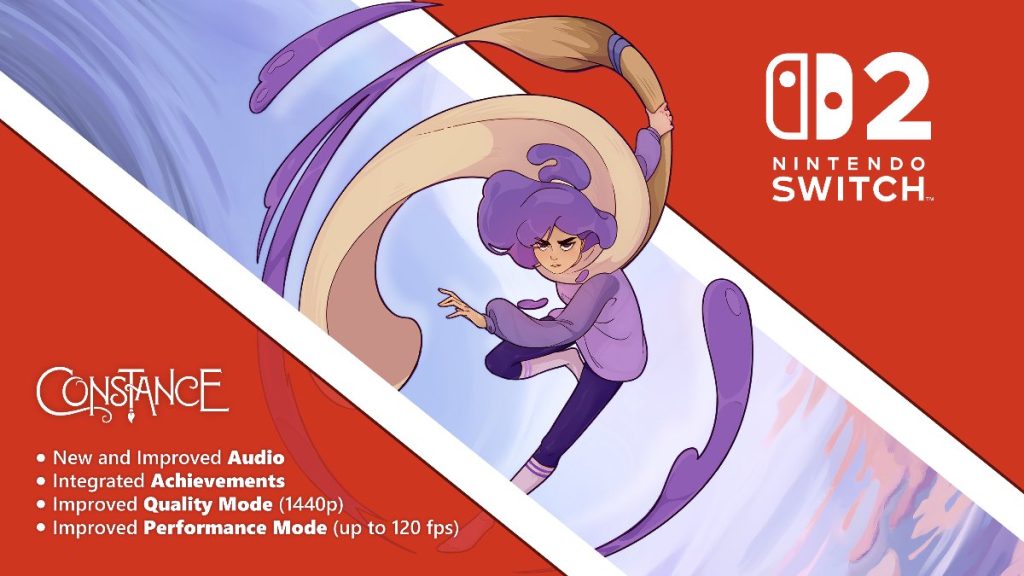
Constance Comes to Switch 2 With 120 FPS Support
The nonlinear world contains six biomes, each representing a different part of the protagonist’s psyche and history.

![[OPINION] Shawn Layden Attacks Gaming Subscriptions](https://www.indie-games.eu/wp-content/uploads/2025/08/20250814_185811.jpg)
If you enjoy independent indie game coverage, consider supporting Indie-Games.eu on Patreon. It helps keep the site independent.
Former Chairman of PlayStation Worldwide Studios Shawn Layden has offered a critique of modern gaming subscription models like Xbox Game Pass, sparking a significant debate within the industry. Drawing on his long career overseeing the development of some of PlayStation’s most iconic titles, Layden argues that this business model could fundamentally change gaming for the worse.
Layden’s primary concern is that subscription services turn game developers into “wage slaves.” His argument is that a fixed-rate payment system strips away the entrepreneurial spirit of game development. In the past, a game’s success could lead to huge profits, creating a valuable feedback loop of risk and reward. With subscriptions, developers are paid a set amount to produce a game for a service, regardless of its popularity. Layden suggests that this model “dampens creative inspiration” and devalues the immense effort that goes into making a game.
The gaming industry’s current trends challenge Layden’s traditional viewpoint. Recent data shows a significant shift from physical sales, which are projected to drop to just 2% of revenue by 2026, towards digital and service-based models. A 2025 report from Newzoo notes that 95% of game sales are now digital, with mobile gaming alone accounting for over half of the 3.3 billion global gamers.
While Layden’s critique of the potential loss of “profit sharing” is valid, the subscription model also offers a stable, predictable income stream for many studios, particularly smaller ones. Upfront payments from a service like Game Pass can provide much-needed financial stability, allowing developers to focus on their craft without the immense pressure of a blockbuster launch. The model also doesn’t preclude developers from also selling their games traditionally.
Layden’s argument that subscription models devalue games resonates with some critics. They fear it echoes the music industry’s shift to platforms like Spotify, where a perception that “music should be free” took hold. This sentiment is amplified by the fact that subscription services can encourage players to jump from game to game, undervaluing the long hours of a developer’s work.
From a creative standpoint, Layden’s concerns about risk-aversion are also worth considering. The spiraling cost of AAA development, with some titles exceeding $200 million, makes studios more reliant on safe, proven intellectual property. While subscriptions could theoretically mitigate this by spreading the financial risk, Layden contends that it may lead studios to prioritize safe, “service-friendly” titles over truly innovative and experimental ones.
The online reaction to Layden’s comments has been polarized. While some in the gaming community agree with his principled stand, others accuse him of having a bias rooted in his history with PlayStation. Critics have pointed to his past leadership record and suggested his views are “sour grapes” following his departure from Sony, highlighting the personal nature of the debate.
His views are a product of a traditional model he helped to perfect, but the market is clearly moving toward a more service-based future. The key challenge for the industry going forward will be to find a balance between the financial security offered by subscriptions and the creative freedom and reward that Layden believes is essential for making truly great games.
The nonlinear world contains six biomes, each representing a different part of the protagonist’s psyche and history.
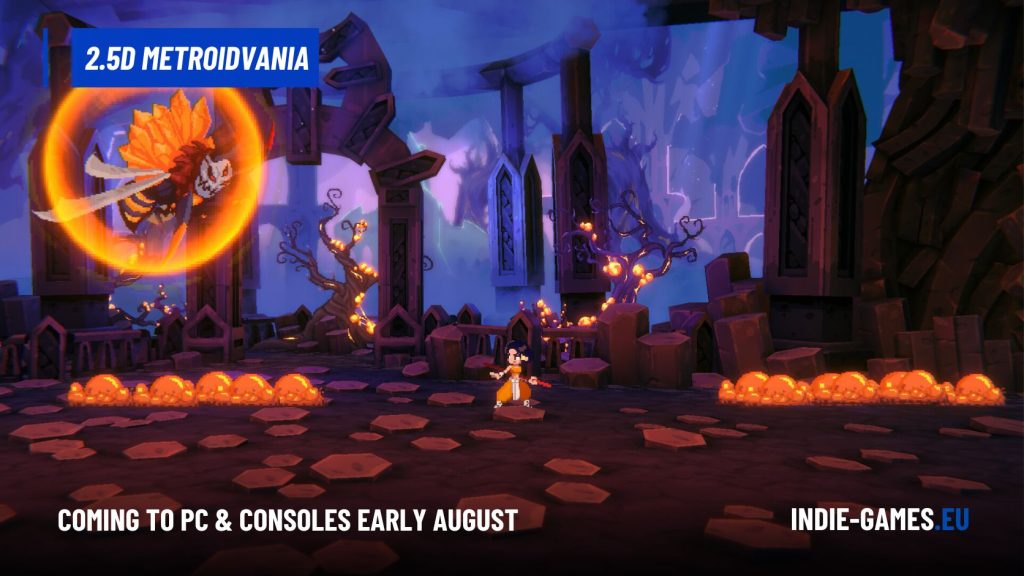
Akatori launches early August on PC and PlayStation and Xbox, featuring 2.5D Metroidvania action, parkour and staff-based combat.
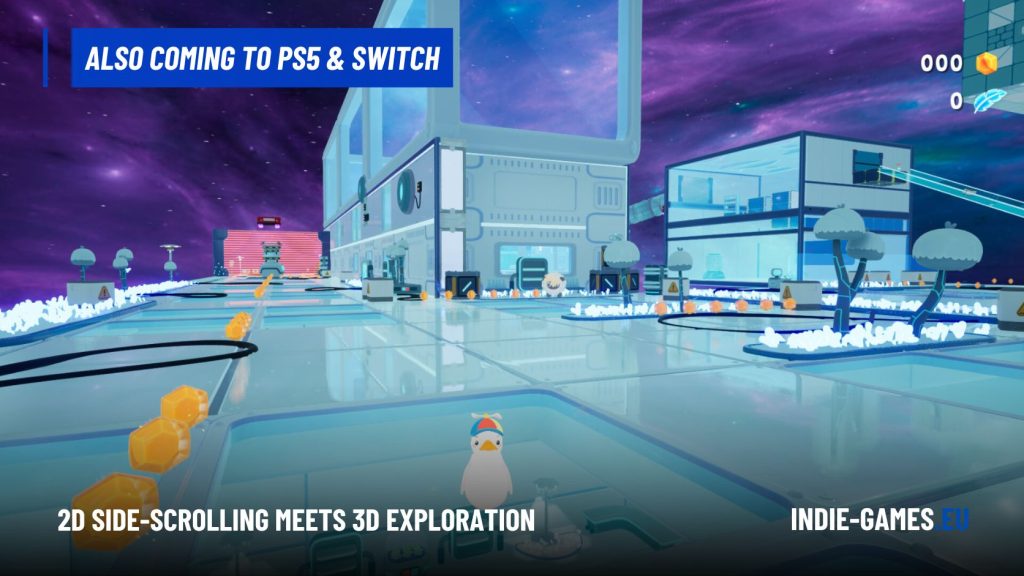
Dodo Duckie! launches on PC and Xbox today, with PS5 and Switch versions arriving later in 2026, featuring unique 2D…
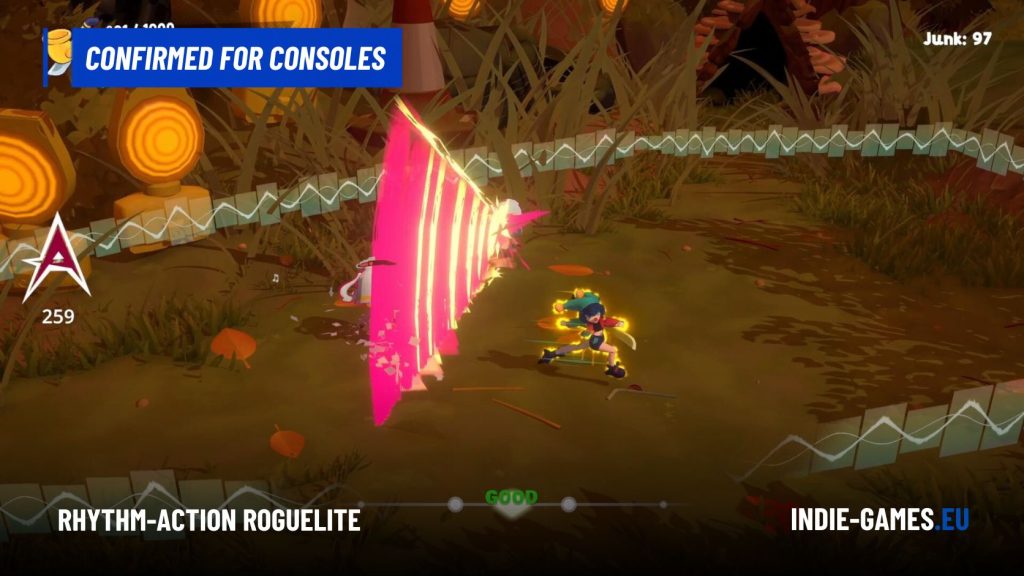
Alpha Nomos launches on PlayStation 5, Xbox Series and PC in 2026, featuring rhythm-based roguelite combat, live-recorded weapons and a…
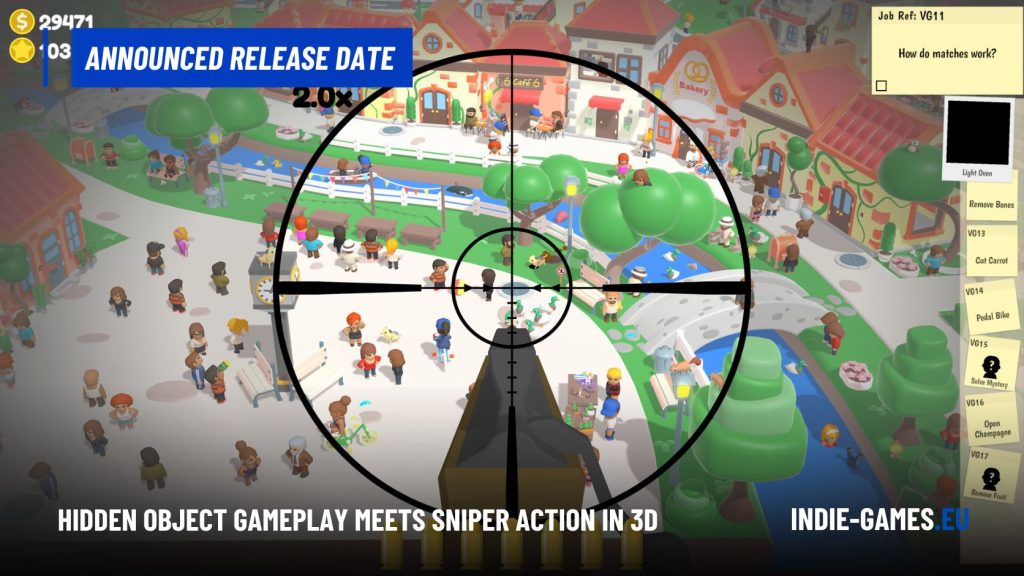
Sniper Dan launches in September for PlayStation 5, Xbox, Switch and PC, blending hidden object gameplay, puzzles and family-friendly sniper…
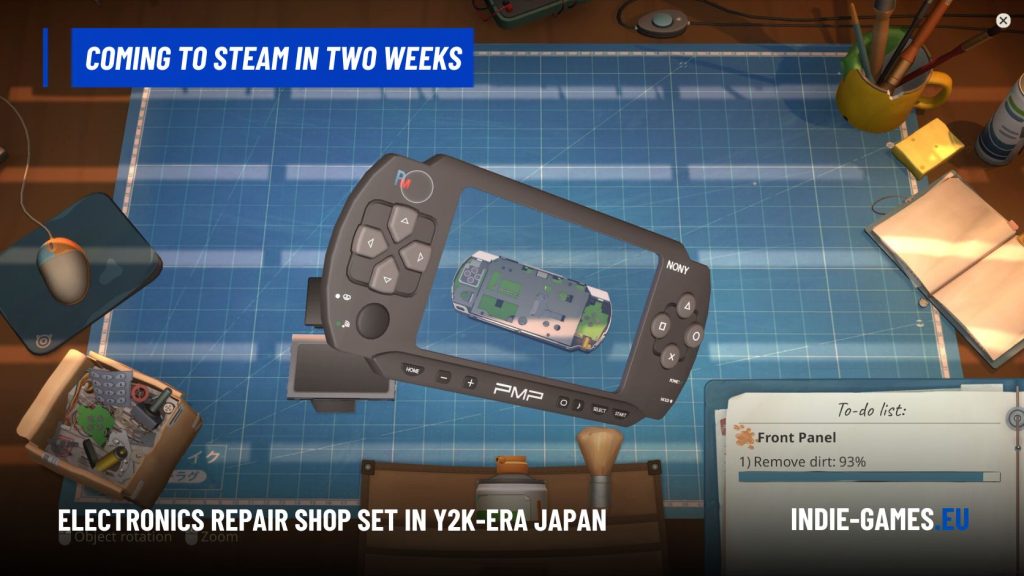
In ReStory, you will repair a wide range of early-2000s technology, including mobile phones, handheld gaming systems, digital pets, music…
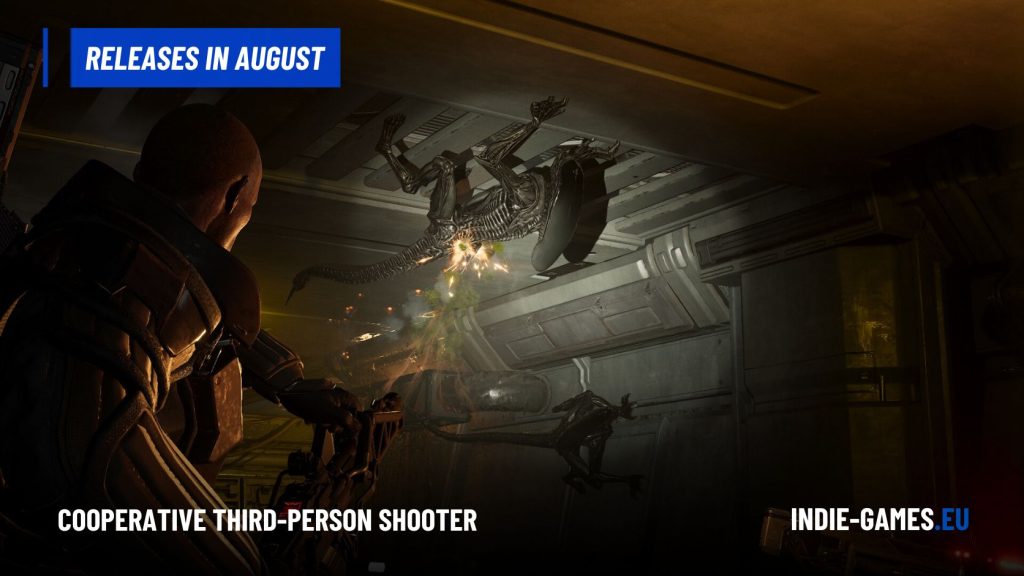
Aliens: Fireteam Elite 2 expands its fireteams to four players, who take control of Colonial Marines deployed across hostile locations…
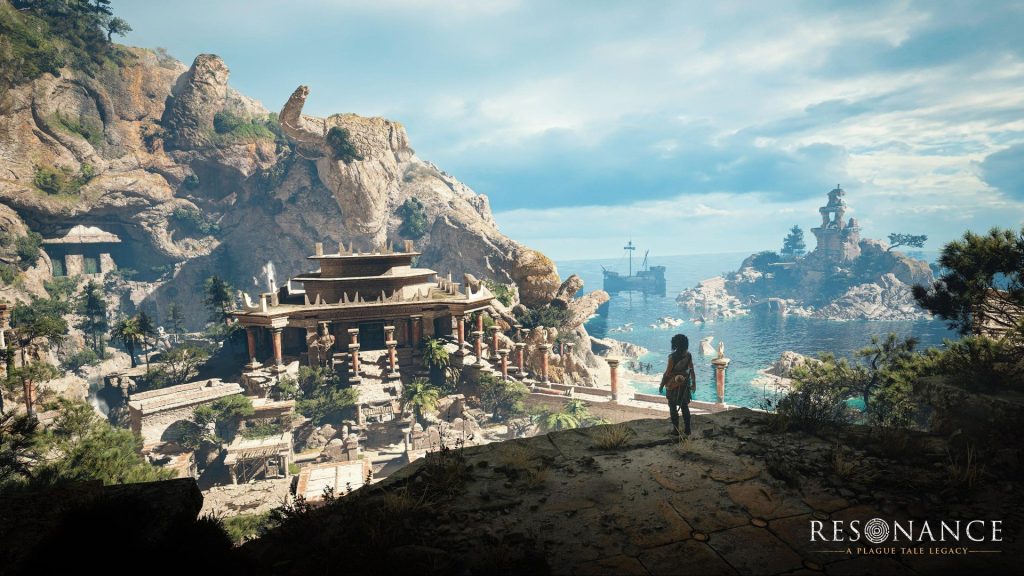
Asobo Studio has released a short scenic clip for Resonance: A Plague Tale Legacy, showcasing its Mediterranean-inspired locations.
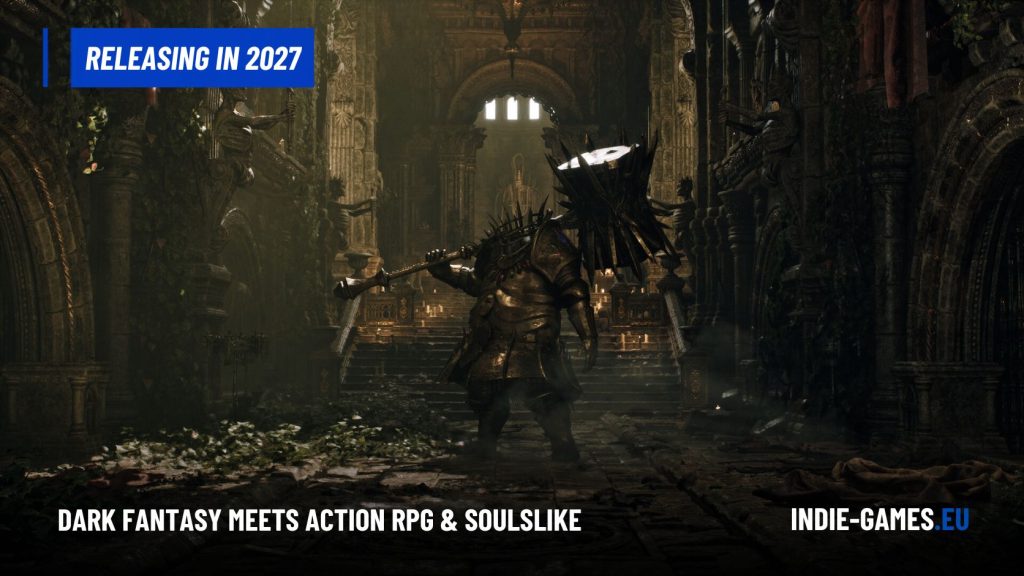
Turkish solo developer Celal Sahin has announced Godless Dawn, a dark fantasy action RPG targeting a Q1 2027 release on…
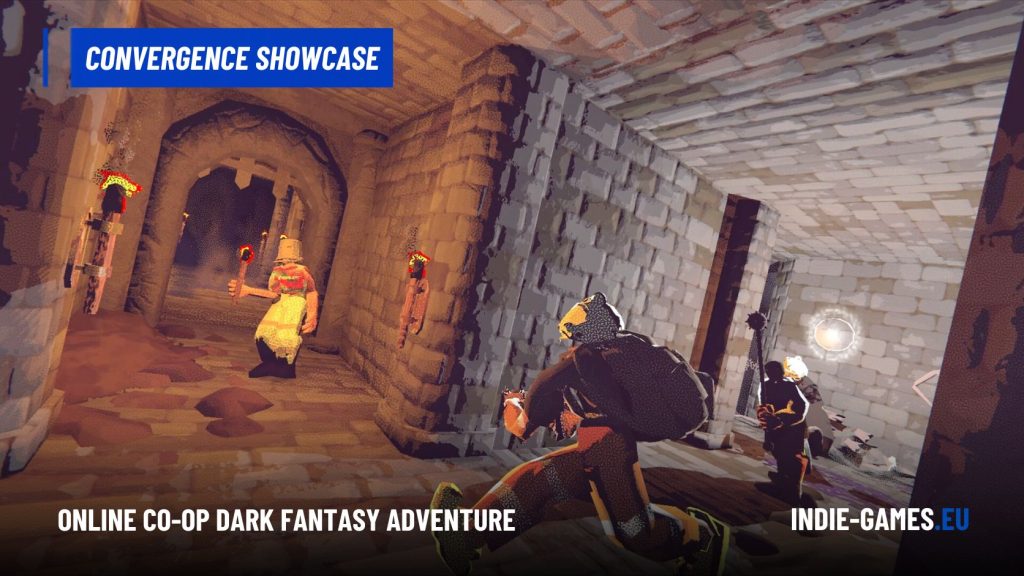
Vision Quench, an online co-op dark fantasy adventure from developer WizMUD Games and Pocketpair Publishing, is targeting an early 2027…
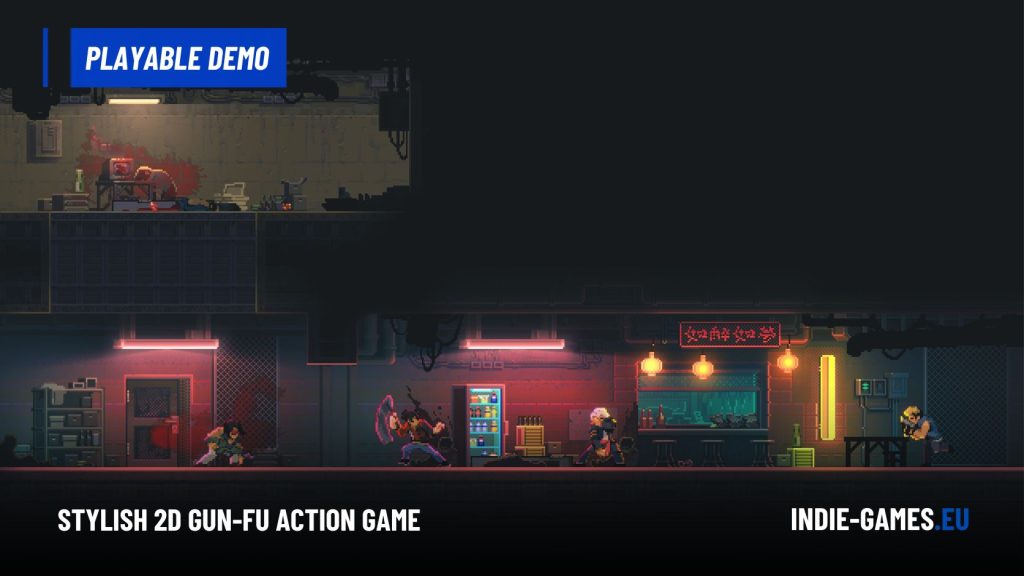
Named “The Bud Trial,” the playable preview offers an early look at the game ahead of its planned PC release…
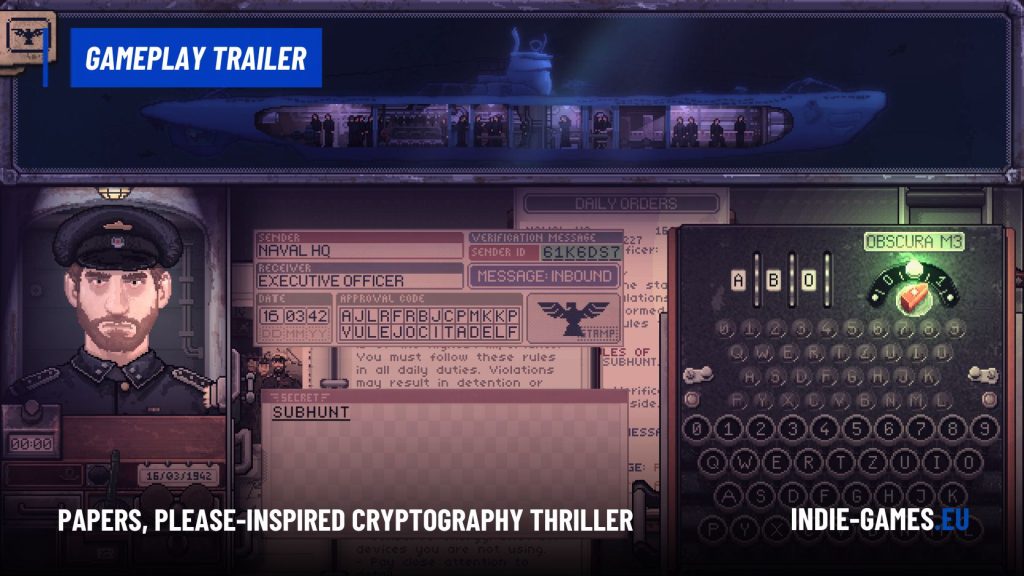
Serbian independent studio Retromagine has revealed False Echo, a narrative cryptography thriller inspired by Papers, Please and classic submarine dramas.
Surreal adventure Roman Sands RE:Build launches in September of this year on PC and consoles alongside the expanded Paratopic: Overdub.
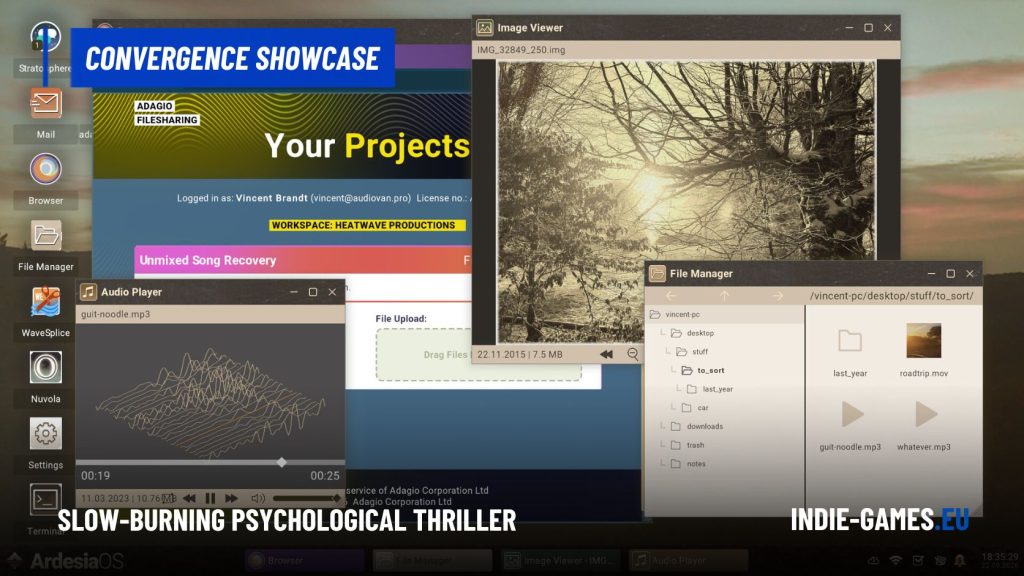
German indie studio Cobalt Lane has released a new trailer and Steam demo for Imprinted, a slow-burning psychological thriller.
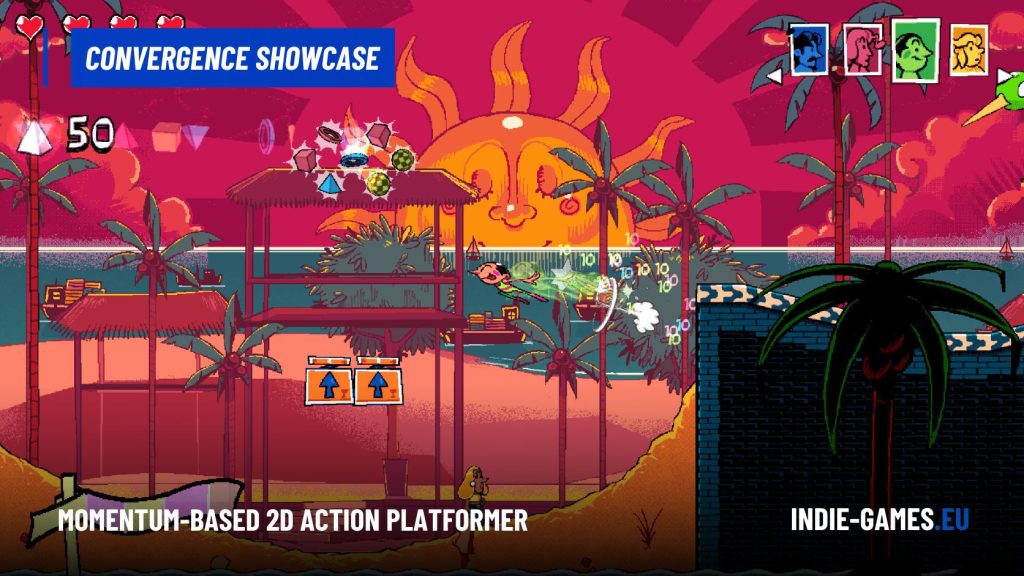
IndieArk and developer PVic Games have announced that momentum-based 2D action platformer ARTIUS: Pure Imagination will launch for PC via…
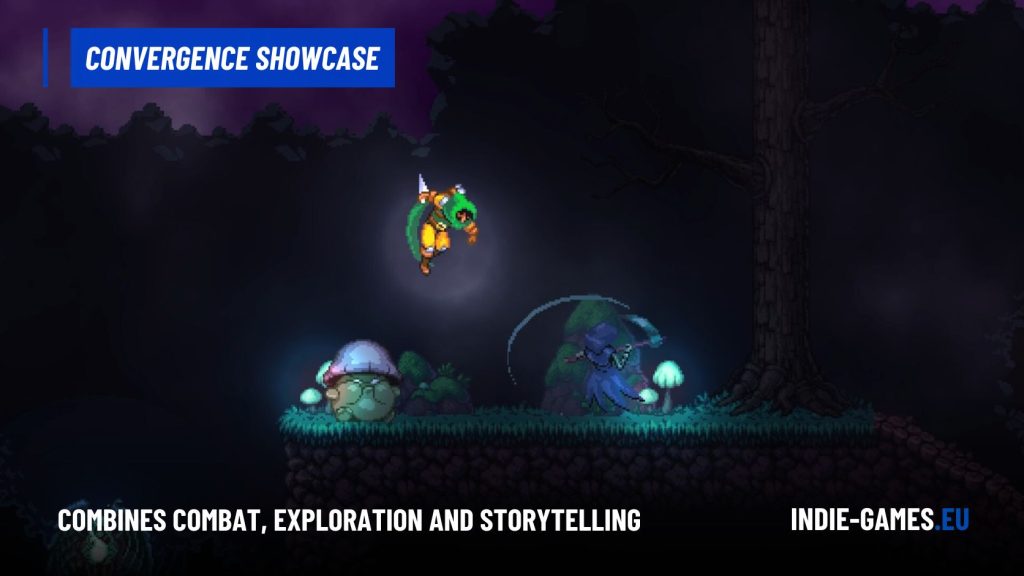
Decemberborn Interactive has released a new gameplay trailer for Cathedral: Crow’s Curse, an action-adventure prequel set in the world of…
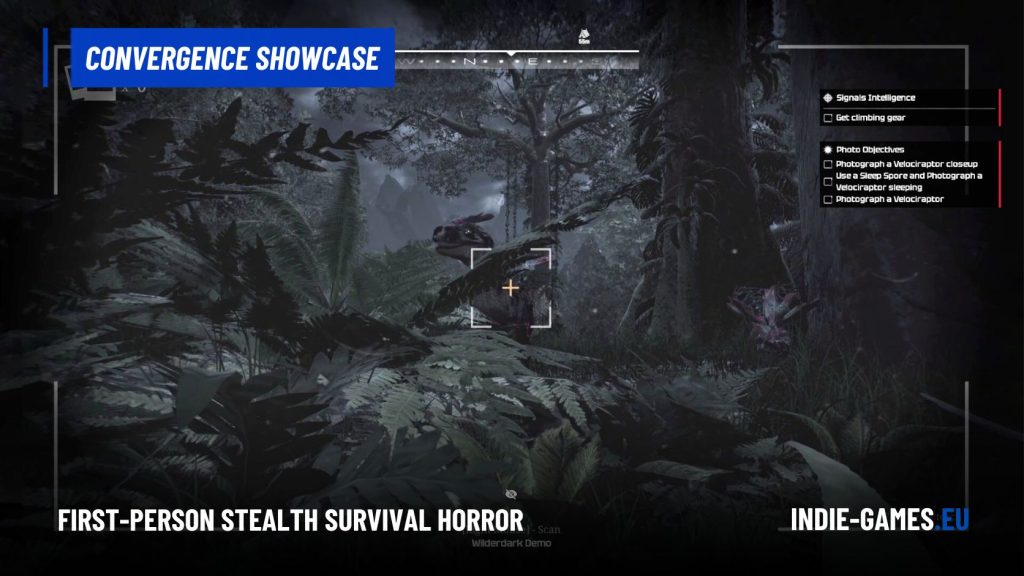
Wilderdark begins with the player crash-landing on an unnatural island overrun by hostile wildlife.
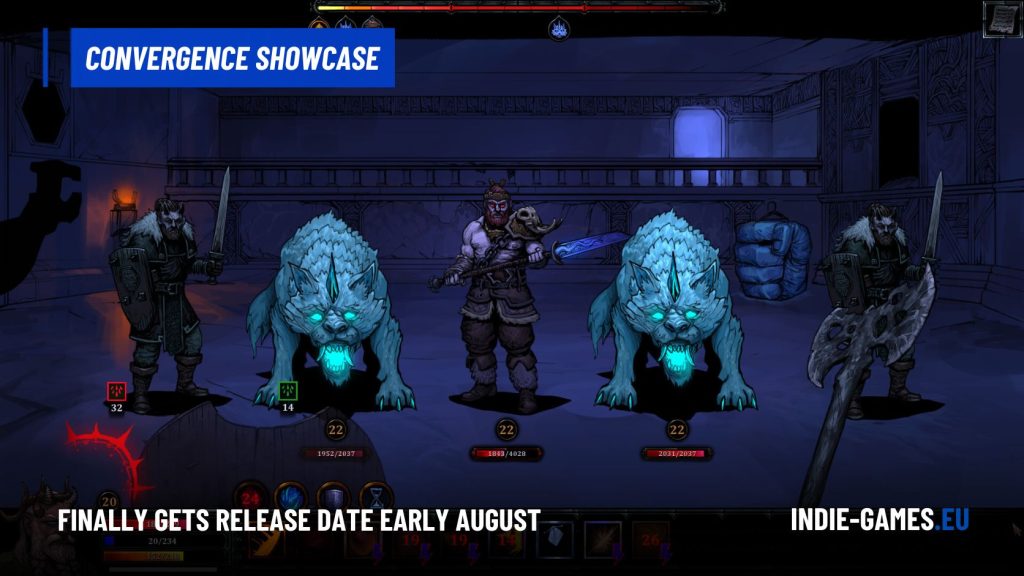
Independent French developer Ars Goetia and publisher Dear Villagers have announced that HellSlave II: Judgment of the Archon will launch…
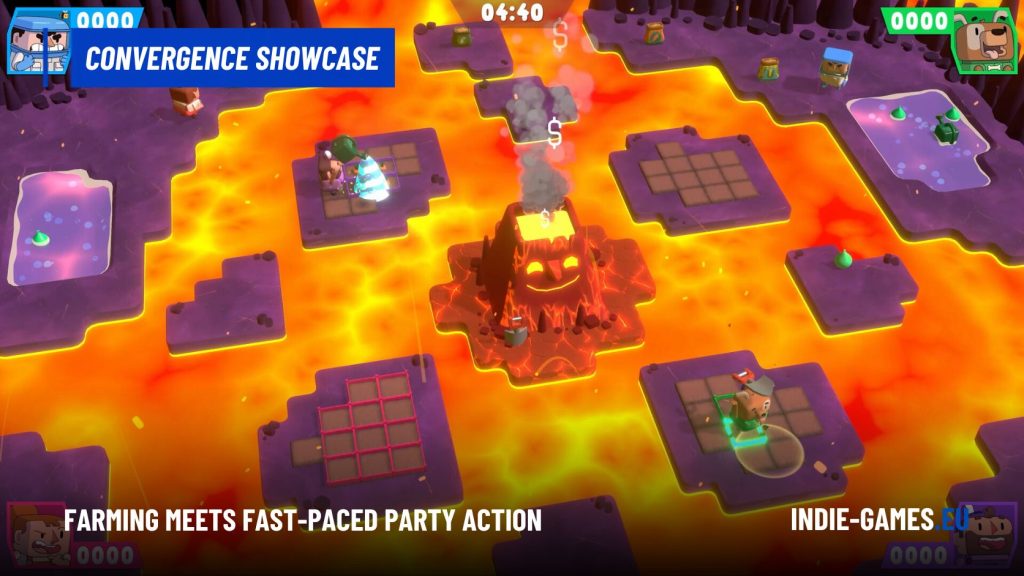
We got a new look at Planted! during the Convergence Showcase, where a brand-new Volcano level was revealed for the…
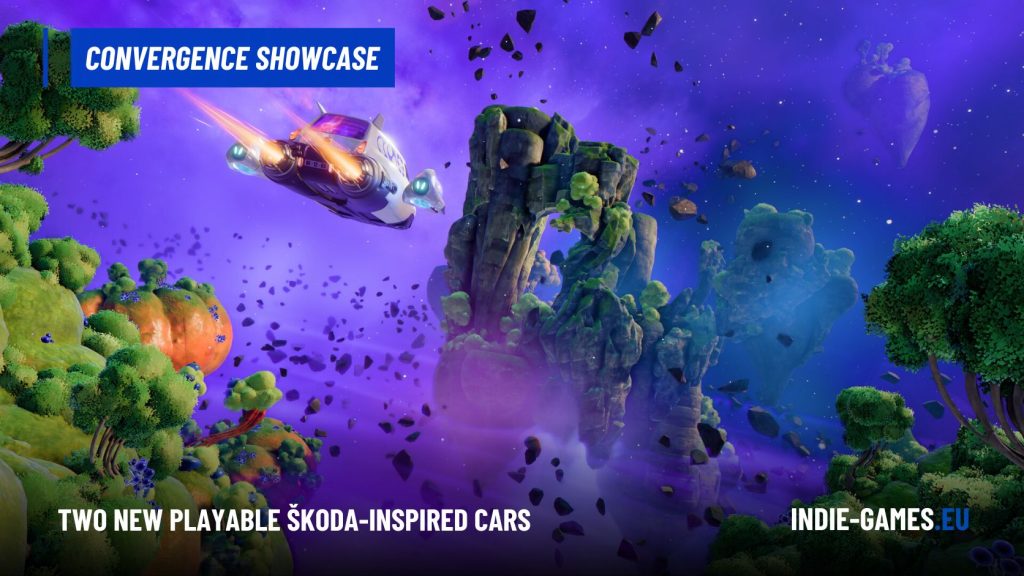
Bohemia Interactive has shared a brand-new look at Cosmo Tales during the Convergence Showcase, revealing two additional playable vehicles.
