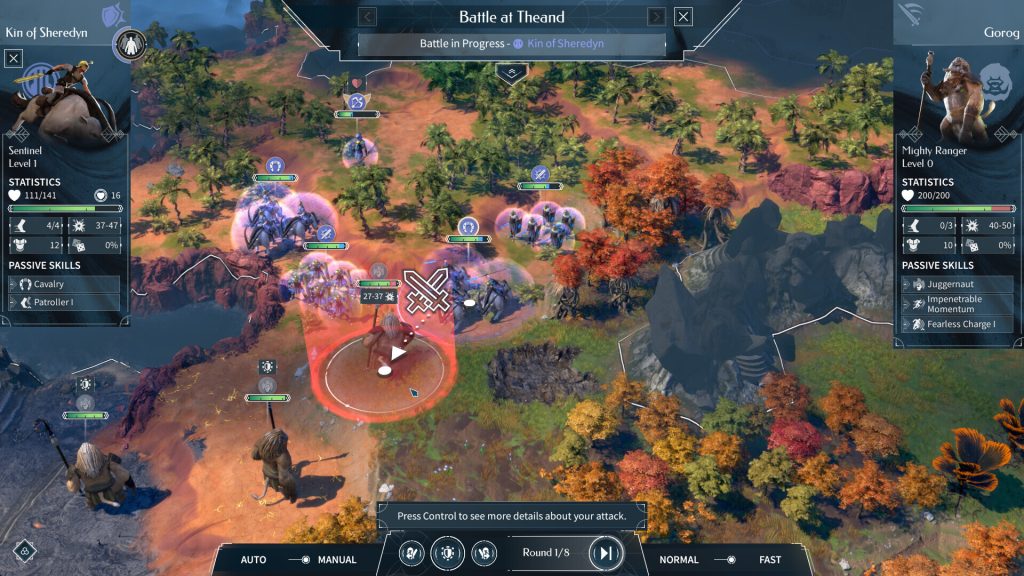
Endless Legend 2 Leaves Early Access in September, Adds Console Versions
Endless Legend 2 leaves Early Access in September as version 1.0 rolls out, bringing console versions to PlayStation 5 and…

![[OPINION] The Indie Game Awards Strip Clair Obscur: Expedition 33 of Wins Over AI Use – And It’s a Mess](https://www.indie-games.eu/wp-content/uploads/2025/12/The-Indie-Game-Awards.jpg)
If you enjoy independent indie game coverage, consider supporting Indie-Games.eu on Patreon. It helps keep the site independent.
What just happened at The Indie Game Awards is honestly hard to believe. On December 18, the show went live and, as many expected, Clair Obscur: Expedition 33 won both Game of the Year and Debut Game. The praise felt earned and the reaction was positive. Then, only days later, the awards were taken away. Not because the game was broken, not because of cheating in votes, but because the game used generative AI.
The Indie Game Awards, run by Six One Indie, announced that they were stripping the awards after discovering that gen AI had been used in development. According to their statement, this information came out after voting had finished and after the show had already been recorded. They claimed that when the game was submitted, Sandfall Interactive said no gen AI was used. Later, on the day of the awards premiere, the studio confirmed that gen AI had in fact been part of the process, which led to disqualification.
On paper, Six One Indie says they have a “hard stance” against gen AI. In reality, this decision feels rushed, performative, and deeply unfair. If the rules were so strict, why was this not properly checked before nominations, voting, and an entire recorded show? Taking awards away after the fact does not protect integrity. It damages it.
There is also a bigger issue here that the awards seem to be ignoring. Generative AI is already part of game development. Like it or not, it is not going away. This does not mean artists are being erased, or that human creativity no longer matters. It means tools are changing, as they always have. Nobody is saying gen AI has no downsides. Nobody is saying it should be used without limits. But pretending that banning it outright will stop progress is unrealistic.
What makes this even worse is the lack of consistency. How can Six One Indie be sure that no other nominated game used gen AI in any form? Are they claiming they investigated every studio, every asset, every tool used? If not, then singling out one game after it already won looks less like ethics and more like panic. Or worse, a grab for attention.
By doing this, The Indie Game Awards did not take a brave stand. They made themselves look careless. They crowned a winner, celebrated it publicly, and then reversed the decision in a way that embarrassed both the developers and the awards show itself. The question many people are now asking is fair. Was this about values, or was it about headlines? Was it a genuine rule enforcement, or a marketing move to get people talking about the show?
Six One Indie ended their statement by thanking the community and talking about how excited they are for the 2026 ceremony. But after this move, trust has already been damaged. When you strip awards after the fact, you tell developers that their recognition is fragile and can be taken away at any moment. That is not how you support indie games.
With Clair Obscur: Expedition 33 disqualified, the Debut Game award now goes to Sorry We’re Closed, and Game of the Year goes to Blue Prince. Both are amazing games, but this outcome will always carry an asterisk. Not because they did not deserve praise, but because the process that led here was flawed.
If The Indie Game Awards want to be taken seriously, they need clear rules, fair checks, and consistency. Right now, all they have shown is confusion, poor judgment, and a willingness to punish success after celebrating it. For an event meant to uplift indie developers, that is a terrible message to send.
I will conclude with a social media comment that particularly caught my attention: “They can maintain these criteria for one more year at most, after that, there won’t be any eligible titles left.” I’ll leave you with that thought.
Endless Legend 2 leaves Early Access in September as version 1.0 rolls out, bringing console versions to PlayStation 5 and…
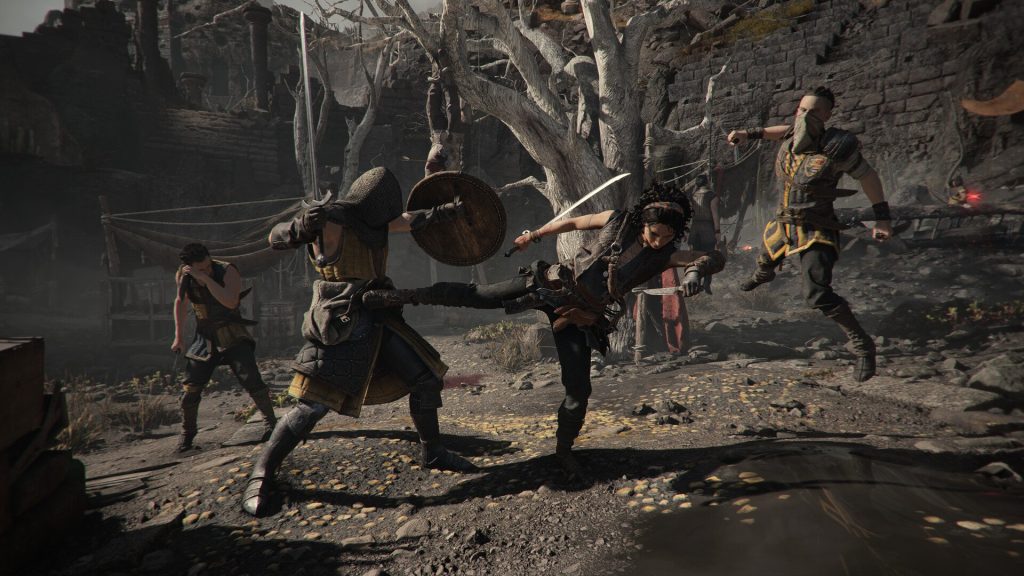
A new Resonance: A Plague Tale Legacy featurette shows how Sophia can use light to navigate dangerous environments and overcome…
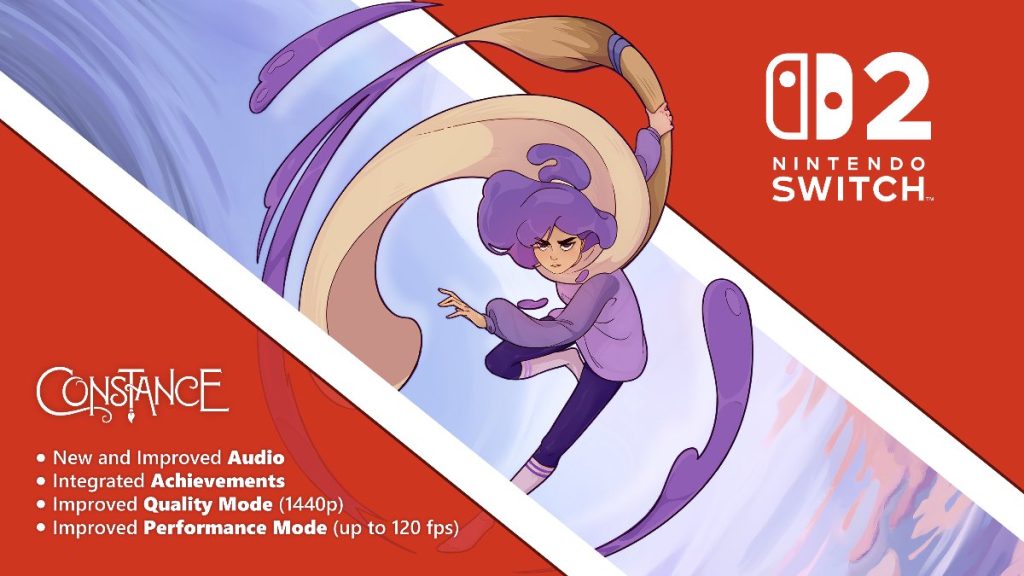
The nonlinear world contains six biomes, each representing a different part of the protagonist’s psyche and history.
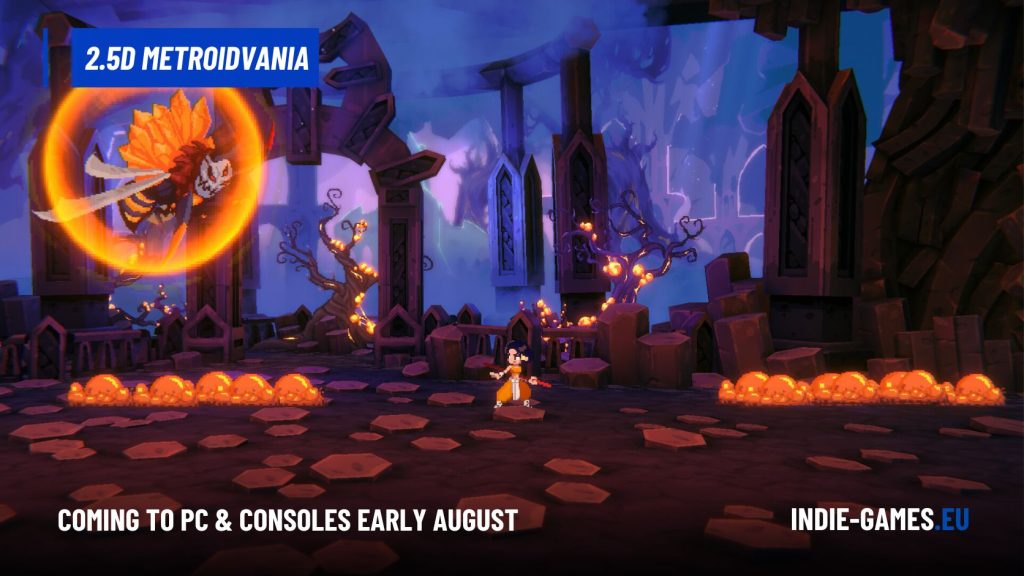
Akatori launches early August on PC and PlayStation and Xbox, featuring 2.5D Metroidvania action, parkour and staff-based combat.
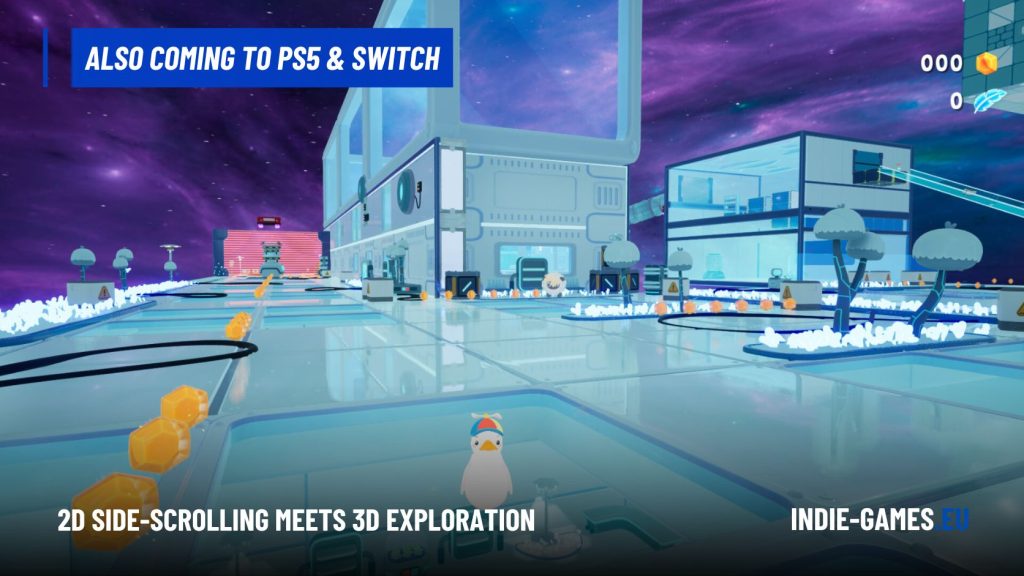
Dodo Duckie! launches on PC and Xbox today, with PS5 and Switch versions arriving later in 2026, featuring unique 2D…
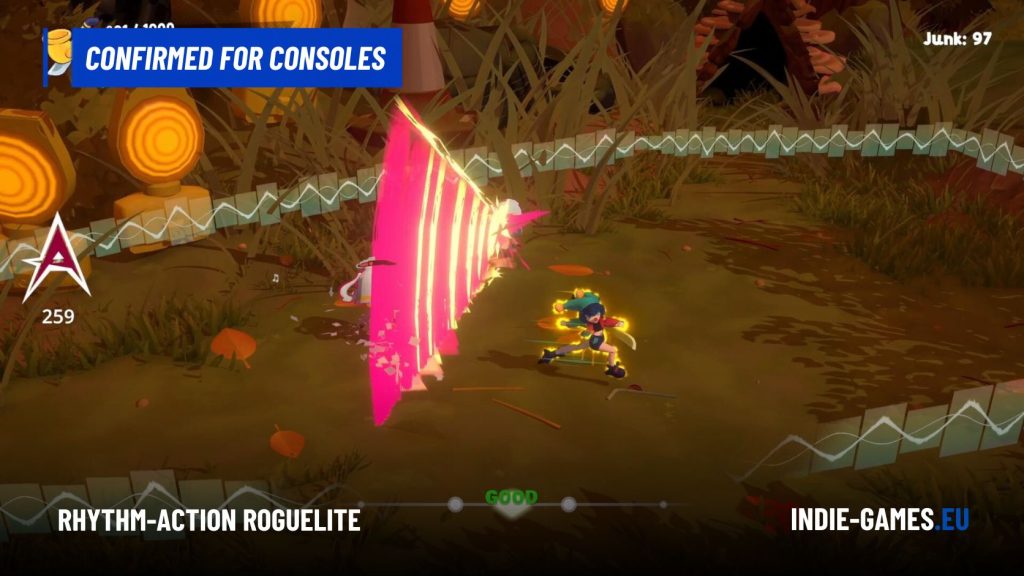
Alpha Nomos launches on PlayStation 5, Xbox Series and PC in 2026, featuring rhythm-based roguelite combat, live-recorded weapons and a…
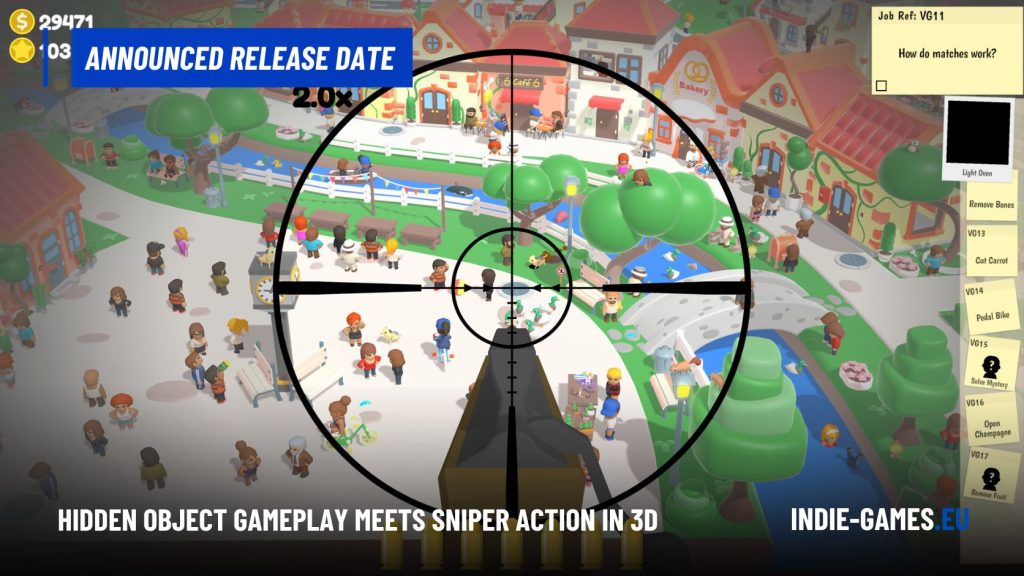
Sniper Dan launches in September for PlayStation 5, Xbox, Switch and PC, blending hidden object gameplay, puzzles and family-friendly sniper…
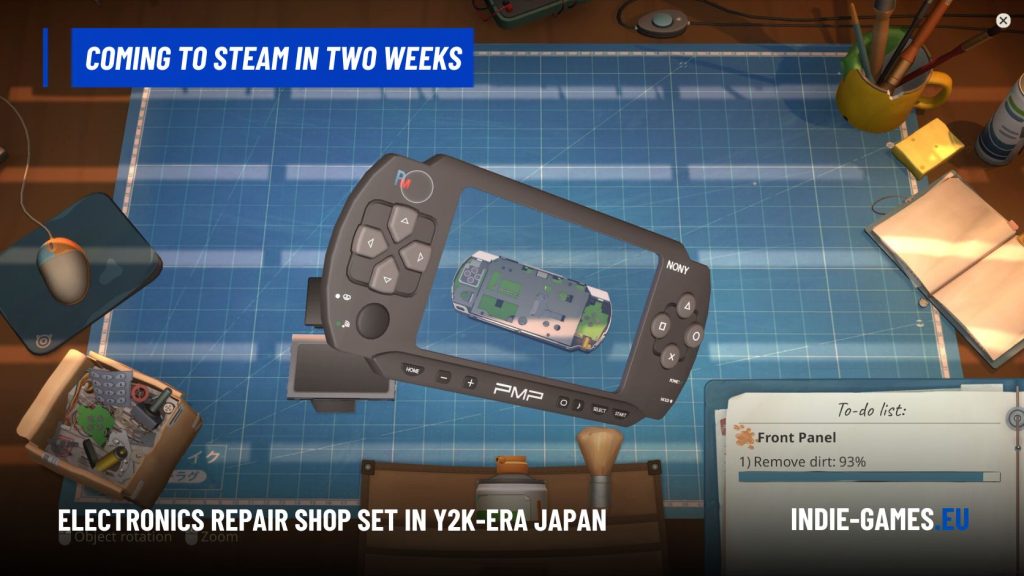
In ReStory, you will repair a wide range of early-2000s technology, including mobile phones, handheld gaming systems, digital pets, music…
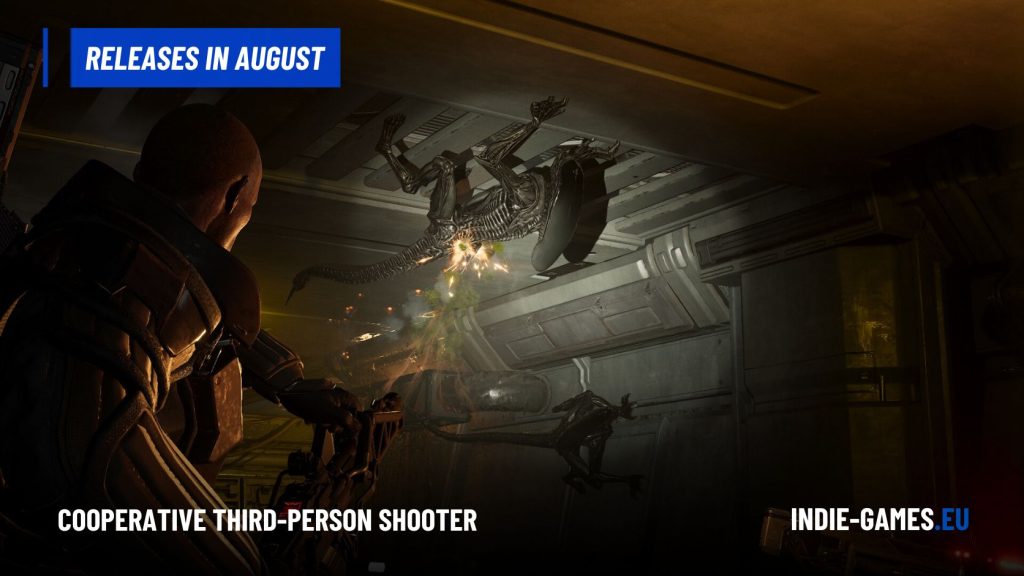
Aliens: Fireteam Elite 2 expands its fireteams to four players, who take control of Colonial Marines deployed across hostile locations…
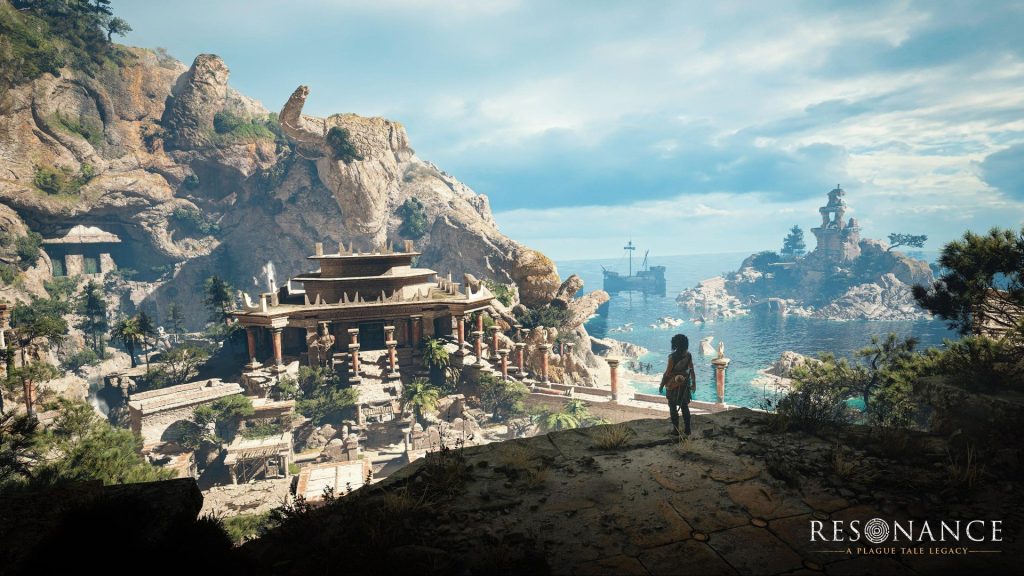
Asobo Studio has released a short scenic clip for Resonance: A Plague Tale Legacy, showcasing its Mediterranean-inspired locations.
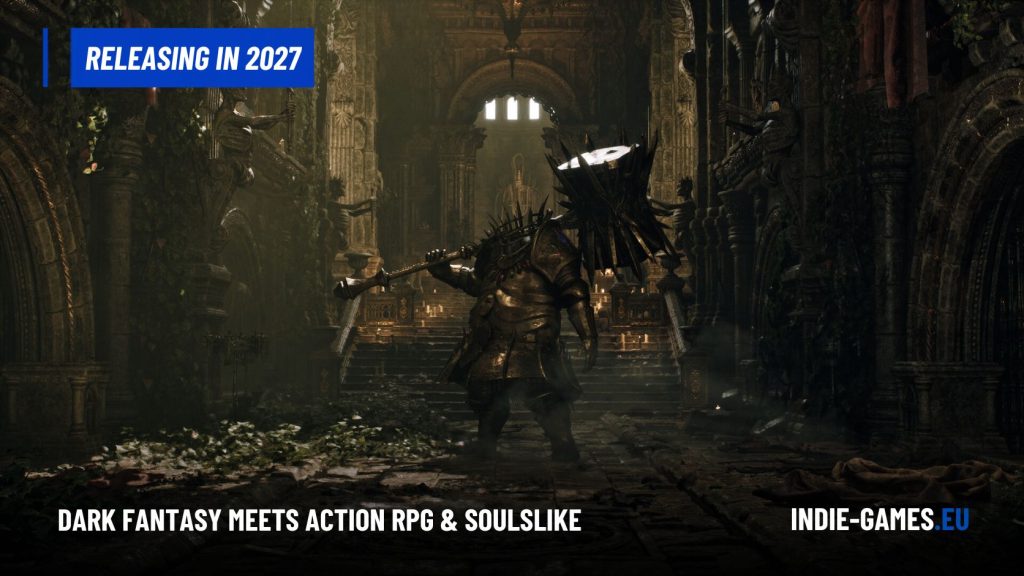
Turkish solo developer Celal Sahin has announced Godless Dawn, a dark fantasy action RPG targeting a Q1 2027 release on…
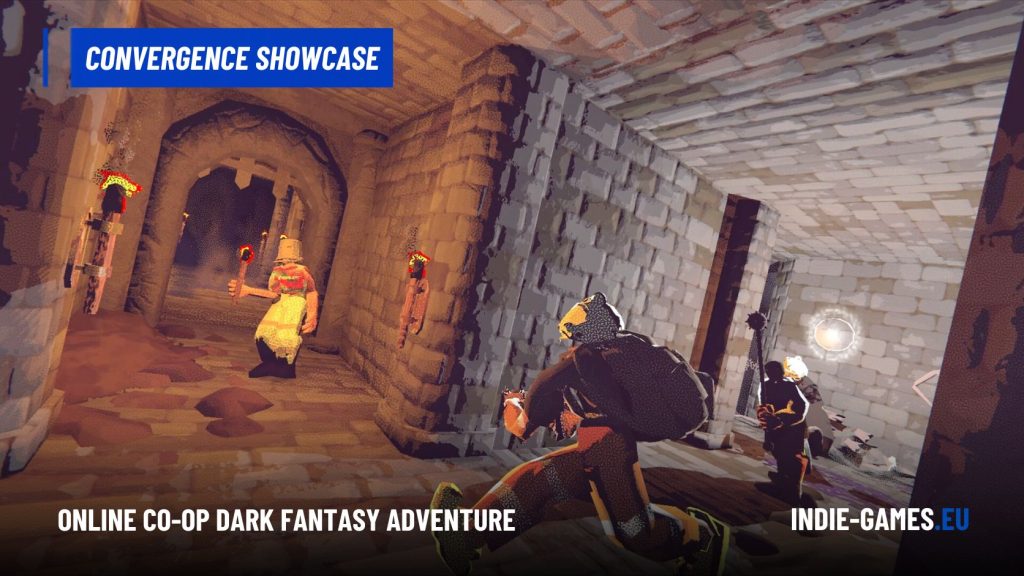
Vision Quench, an online co-op dark fantasy adventure from developer WizMUD Games and Pocketpair Publishing, is targeting an early 2027…
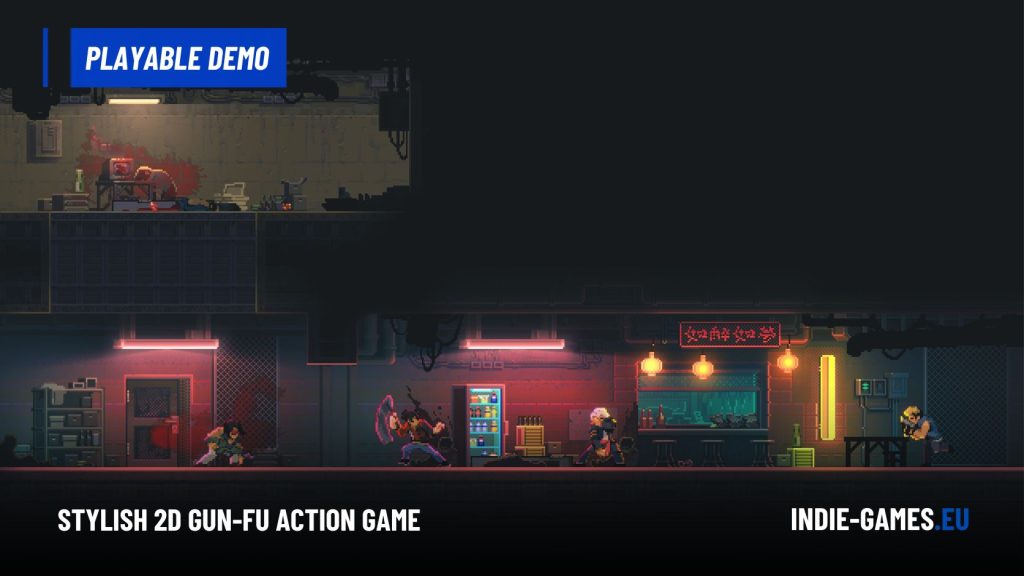
Named “The Bud Trial,” the playable preview offers an early look at the game ahead of its planned PC release…
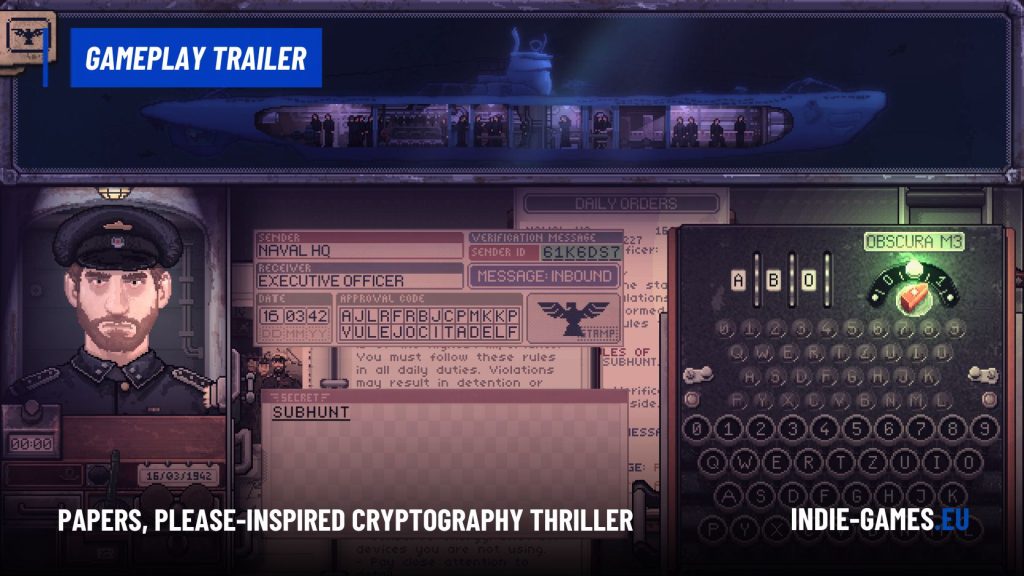
Serbian independent studio Retromagine has revealed False Echo, a narrative cryptography thriller inspired by Papers, Please and classic submarine dramas.

Surreal adventure Roman Sands RE:Build launches in September of this year on PC and consoles alongside the expanded Paratopic: Overdub.
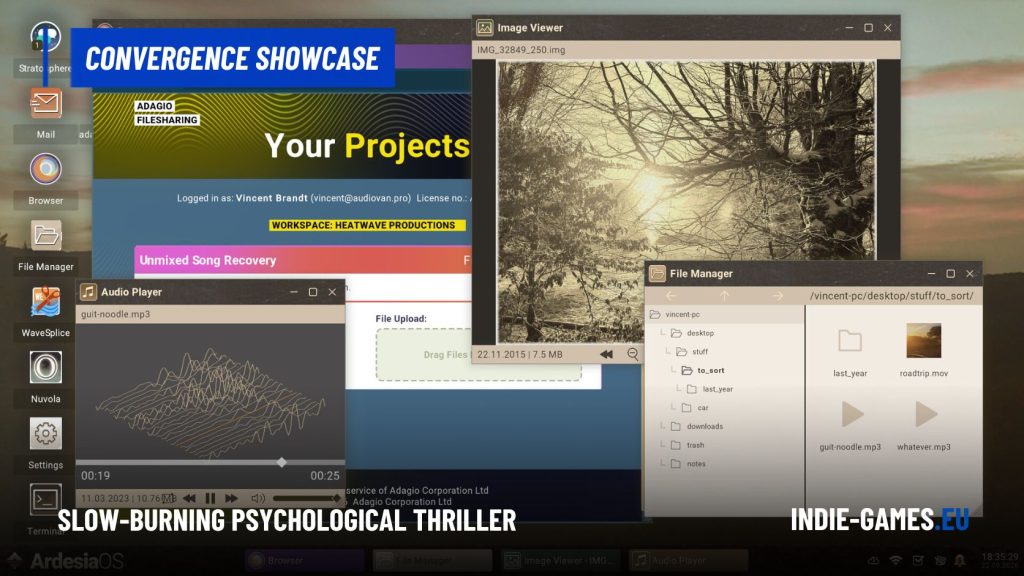
German indie studio Cobalt Lane has released a new trailer and Steam demo for Imprinted, a slow-burning psychological thriller.
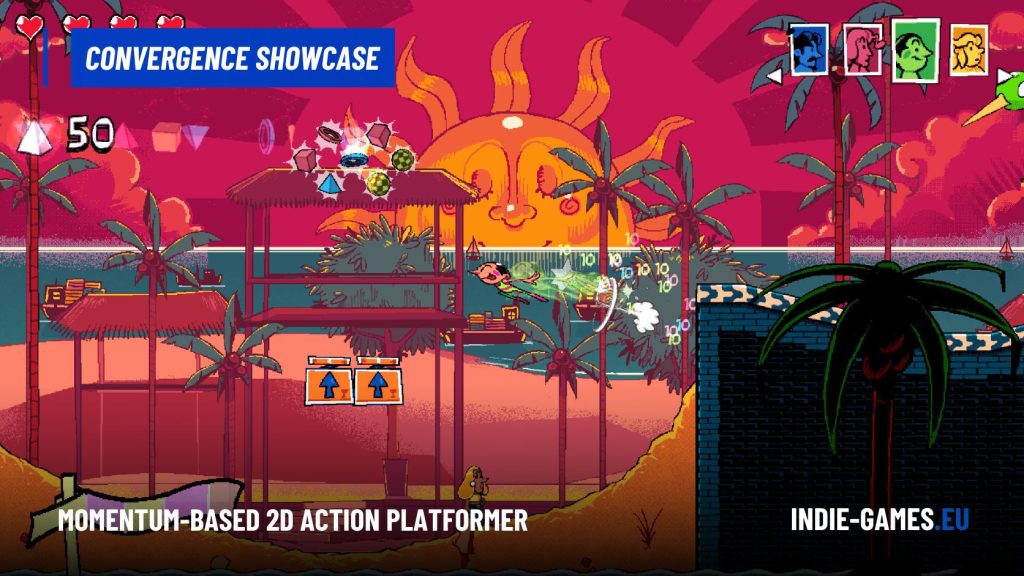
IndieArk and developer PVic Games have announced that momentum-based 2D action platformer ARTIUS: Pure Imagination will launch for PC via…
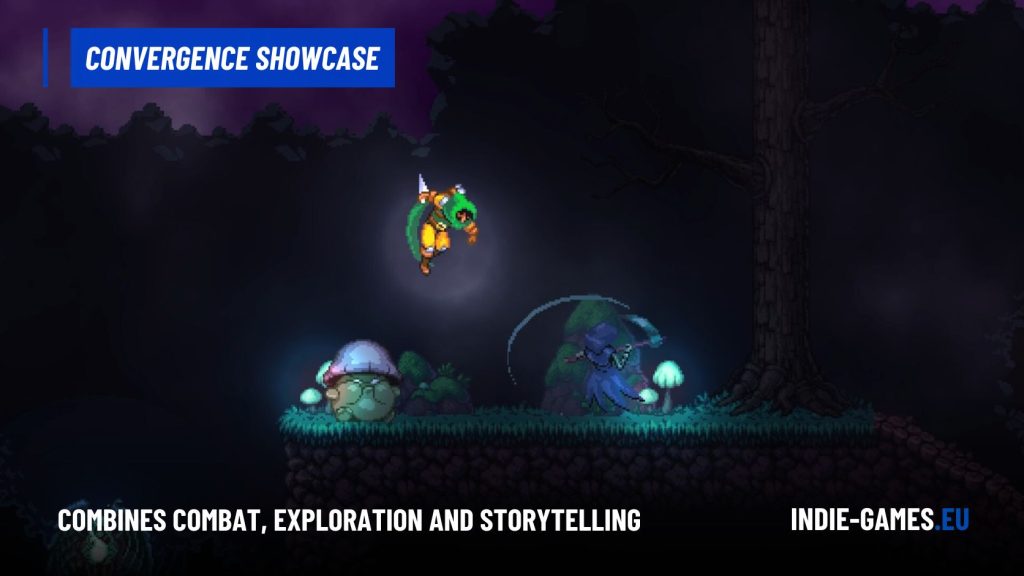
Decemberborn Interactive has released a new gameplay trailer for Cathedral: Crow’s Curse, an action-adventure prequel set in the world of…
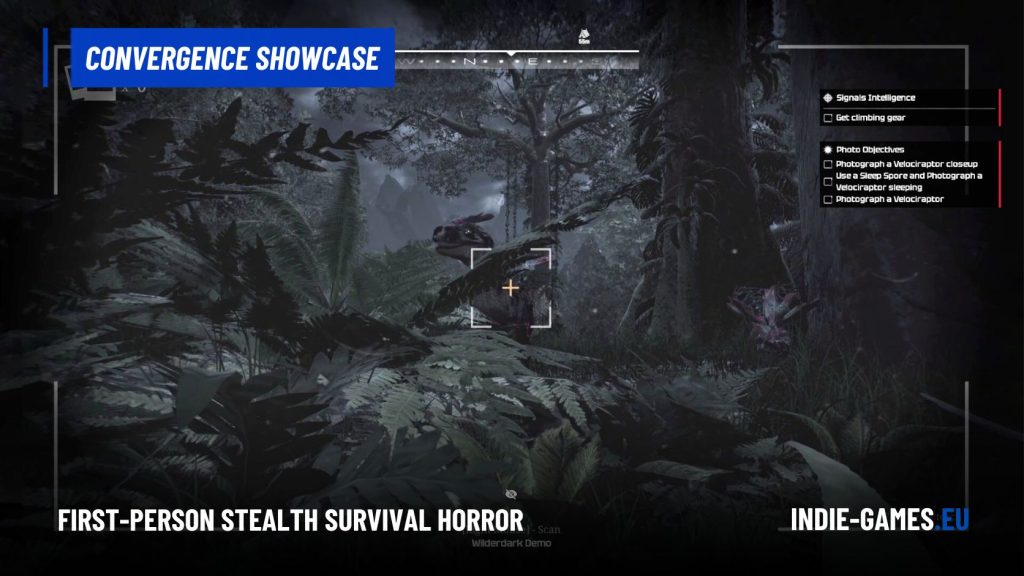
Wilderdark begins with the player crash-landing on an unnatural island overrun by hostile wildlife.
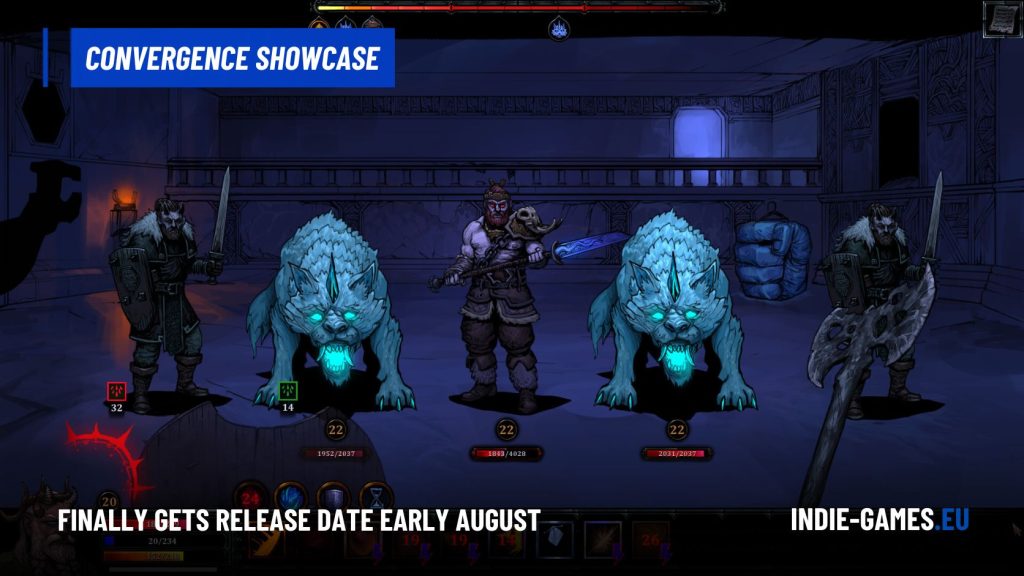
Independent French developer Ars Goetia and publisher Dear Villagers have announced that HellSlave II: Judgment of the Archon will launch…
