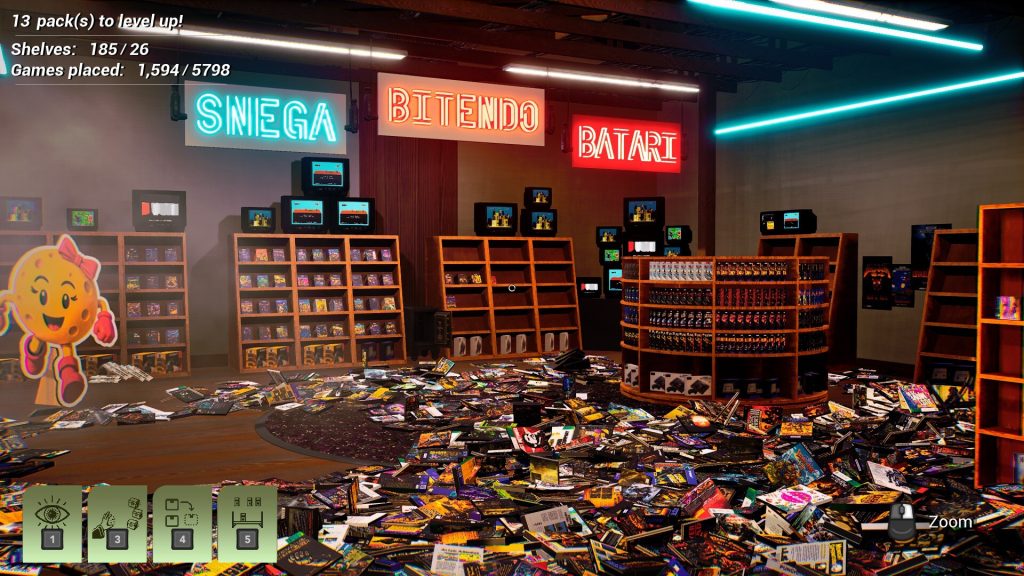
A Cat Scattered 5,798 Games Across This Cozy Supermarket Simulator
MY CAT SCATTERED GAMES asks players to organize 5,798 games and consoles before rescuing a cat trapped inside a claw…

If you enjoy independent indie game coverage, consider supporting Indie-Games.eu on Patreon. It helps keep the site independent.
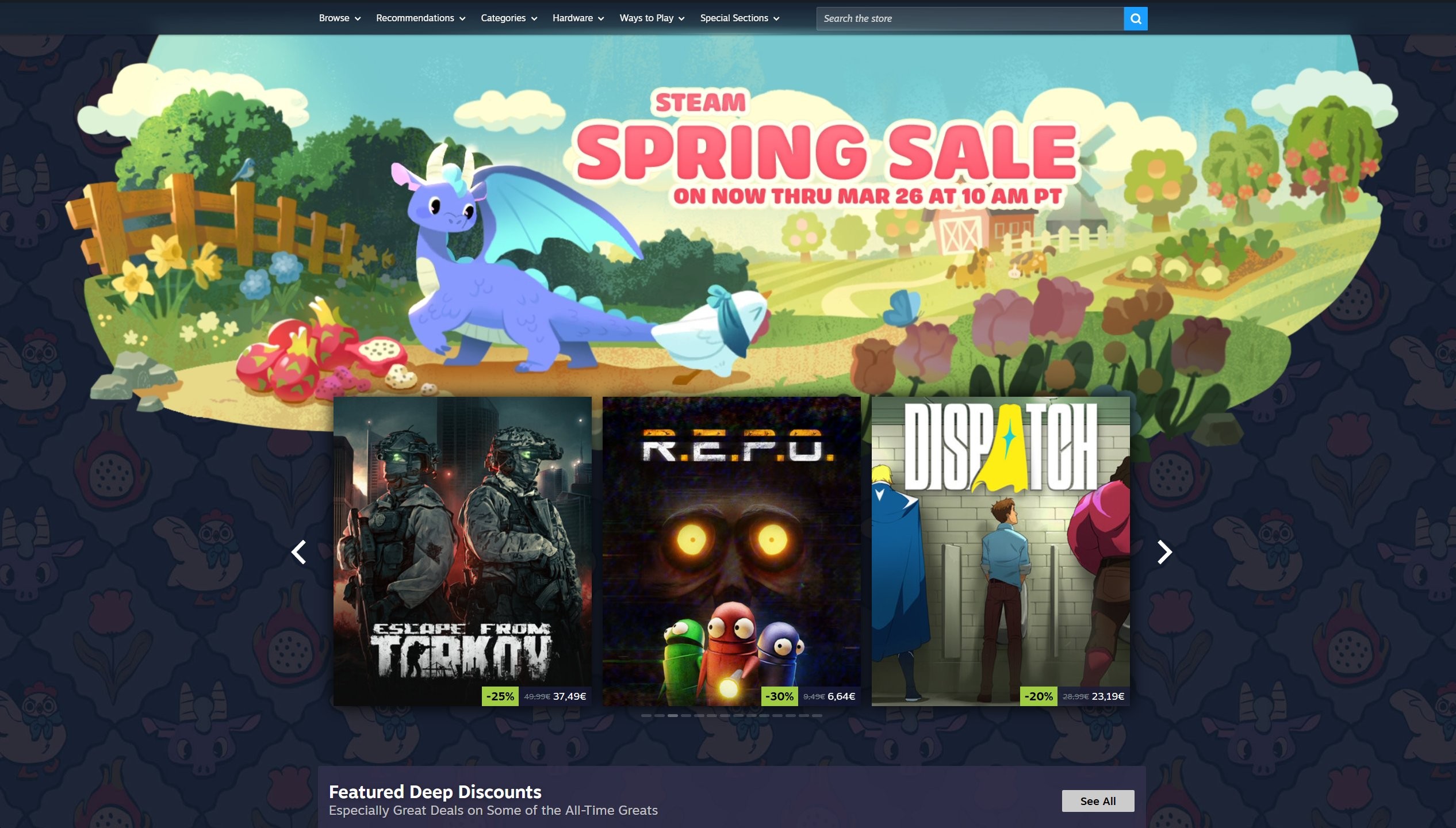
Scrolling through social media today, one post stood out, not because it was long or detailed, but because it said something a lot of people instantly recognized. “Only 20% off during a Steam sale is essentially a price increase in my eyes.”
If you’ve spent any time browsing Steam storefront during a sale, you’ve probably had that exact reaction at some point. You open your wishlist, spot a game you’ve been waiting on, see the discount tag and then pause. 20% off? Really? Objectively, it’s still a discount. The price is lower. But that’s not how it feels and that disconnect is what makes this whole thing interesting.
For years, major Steam sales built a certain expectation. Events like the Summer Sale or Winter Sale weren’t just about saving money, they were about huge savings. 50%, 70%, even 90% off became the norm, especially for older titles. Over time, that kind of pricing didn’t just feel like a good deal, it became the standard people measured everything against.
So when a game shows up with only 20% off, your brain doesn’t register it as a win. It registers it as… underwhelming. Maybe even disappointing. That’s where the joke comes in. The idea that a smaller discount feels like a “price increase” isn’t about logic, it’s about conditioning. Players have been trained, over more than a decade of aggressive sales, to wait. To hold off. To treat full price as temporary and discounts as inevitable.
You can see that mindset all over the replies to that post. People joking about refusing to buy anything under 50%. Others saying they’ll wait years if they have to, just to hit that 70–80% sweet spot. It’s half humor, half truth. Because a lot of people actually do this.
There is a common cycle with Steam sales: we purchase multiple titles that inevitably end up in an ever-growing backlog. Many of these games are never even launched. I’m certainly not immune to this, my own Tomb Raider collection remains unplayed, making me just as guilty of the habit. It’s also worth mentioning that certain games, such as RimWorld or the Dark Souls titles, rarely receive significant discounts. This leaves players eager to find them on sale in order to purchase them more affordably.
What’s changed isn’t the pricing itself, it’s how we perceive value. Full price now often feels like a “launch tax,” something early gamers pay before the “real” price shows up later. And anything that doesn’t hit that mental threshold of a “steal” just doesn’t trigger the same excitement.
In a weird way, Steam’s own success created this expectation. The platform made massive discounts normal, and now anything less struggles to feel meaningful, even when it technically is. This isn’t about whether 20% is a good deal. It’s about how years of sales have quietly reshaped what “good” even means.
MY CAT SCATTERED GAMES asks players to organize 5,798 games and consoles before rescuing a cat trapped inside a claw…
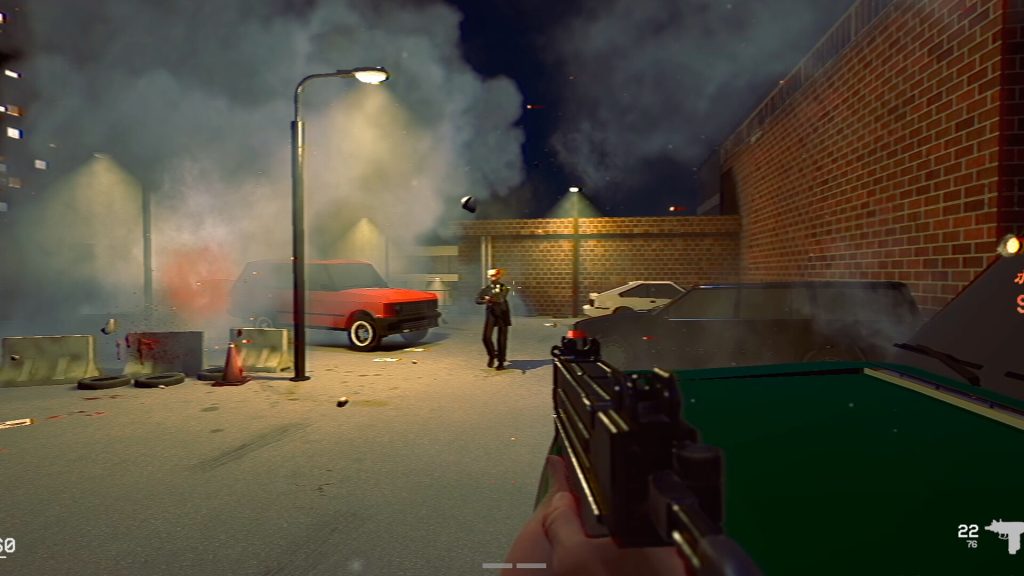
Retro corridor shooter Cop Bastard has partnered with Retrovibe for an October release, accompanied by a faster and more polished…
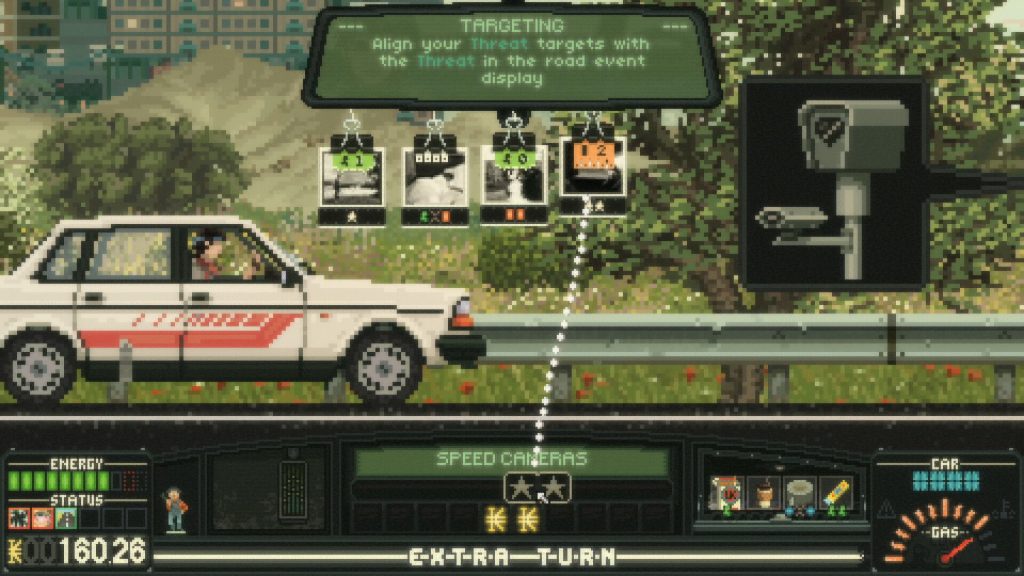
Keep Driving launches on Switch, PS5 and Xbox Series X|S on September 28 as its PC edition receives official Steam…
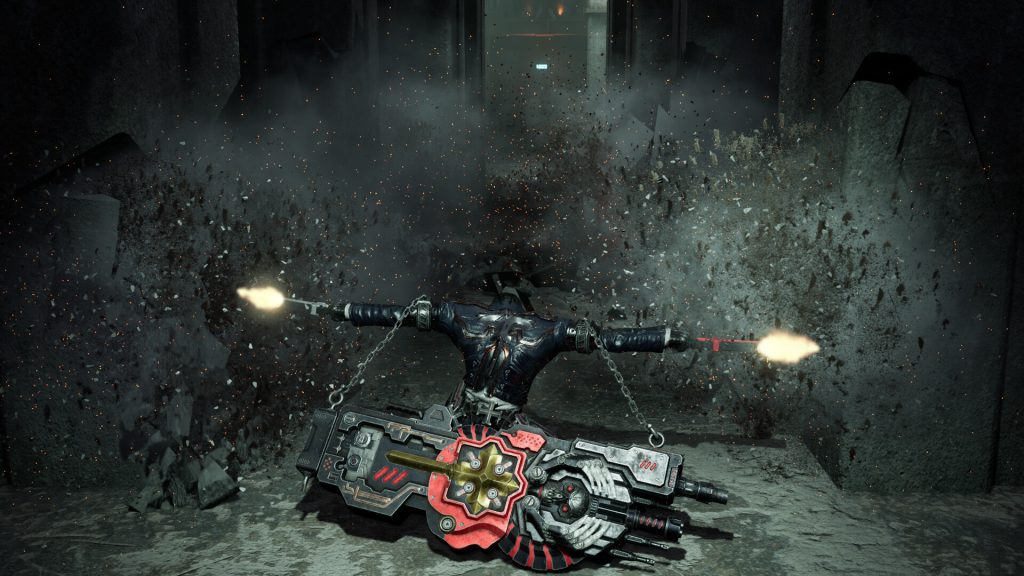
Gungrave G.O.R.E: Blood Heat shows its rebuilt combat, including parries, close-range attacks and faster 360-degree movement.
Sugar Lies follows a young man who hates dishonesty and a girl living behind a perfect persona when it launches…
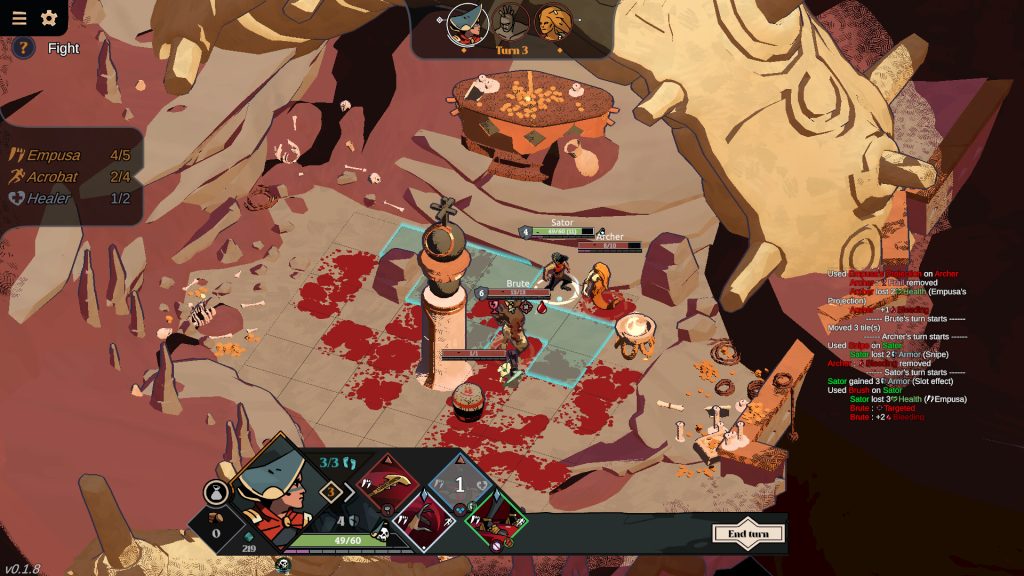
Deified leaves Steam Early Access on September 21 with its narrative ending, final boss floor, balance improvements and hidden content.
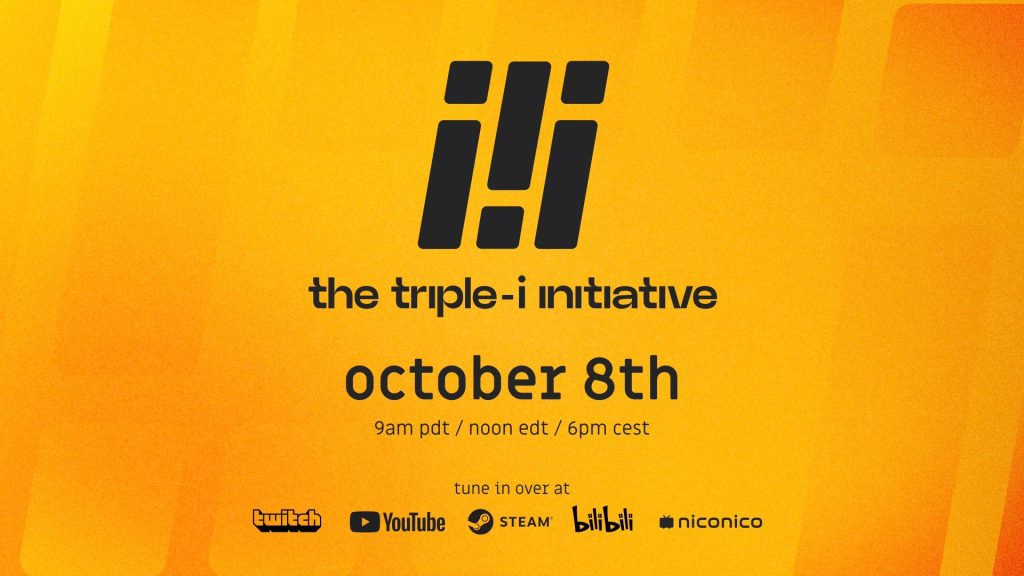
Triple-i Initiative returns October 8 with 40 games, eight world premieres and 45 minutes of trailers, release dates and reveals.
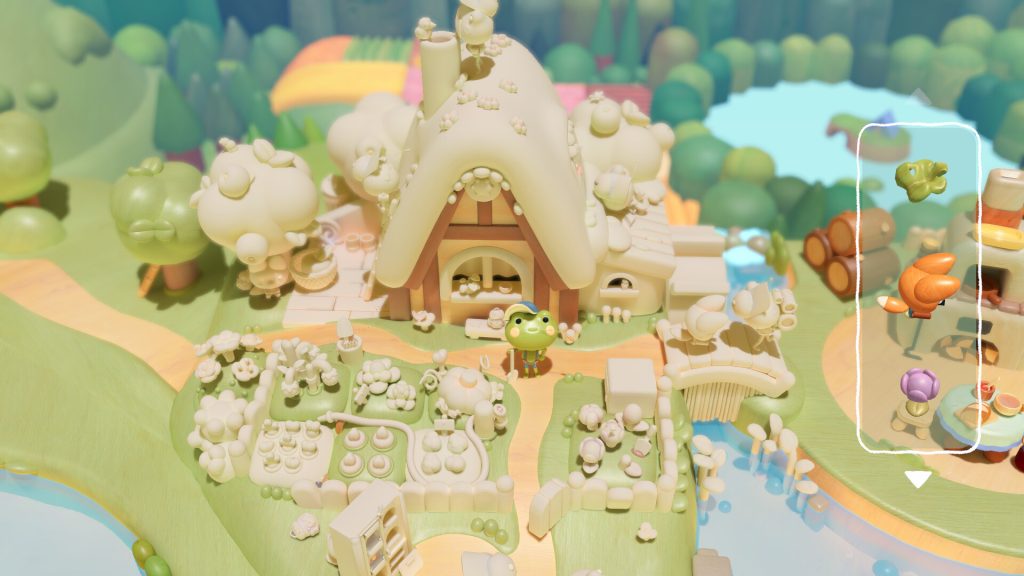
Woodo launches September 16, inviting players to rebuild childhood memories through cozy, handcrafted wooden dioramas.
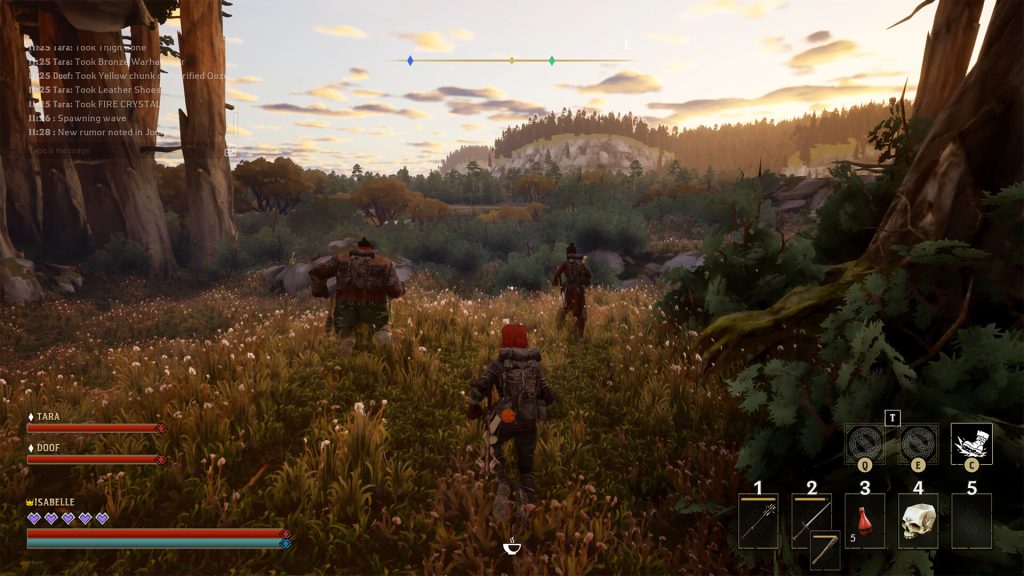
Curve Games signs Wyldheart in one of its biggest recent investments after the co-op RPG surpasses 375,000 Steam wishlists.
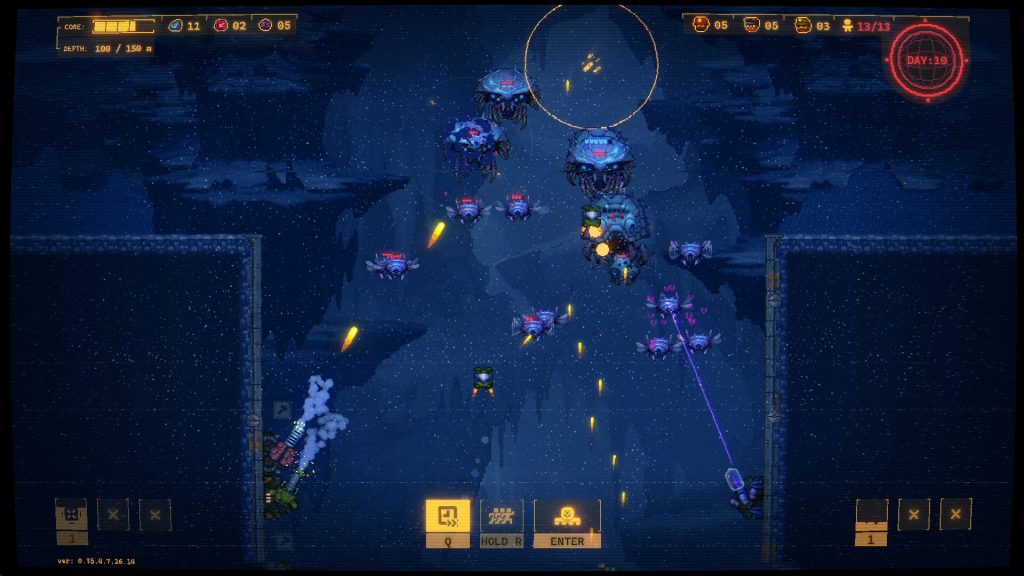
Drill Core’s free Anniversary Update adds Relaxed Mode, new bounties, specialists, platform skins and several quality-of-life improvements.
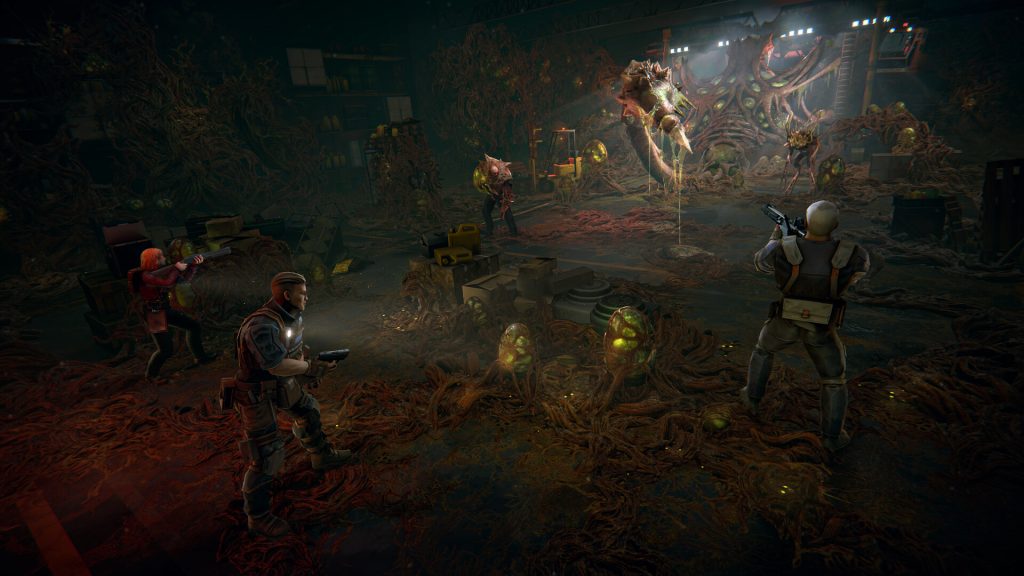
Critical Shift’s free two-hour demo combines real-time exploration with tactical combat inside a compromised Antarctic facility.
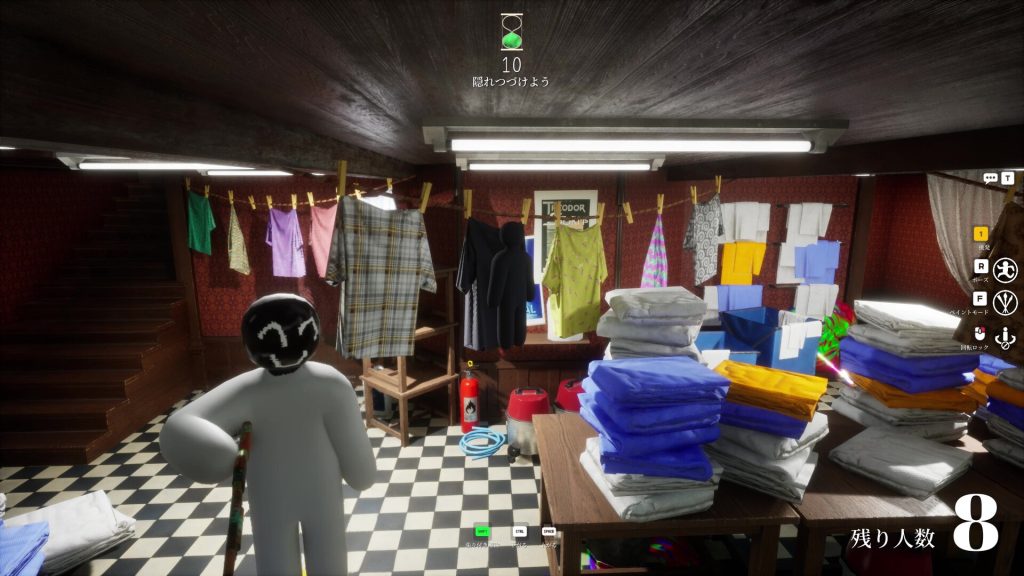
Meccha Chameleon brings its paint-based multiplayer hide-and-seek matches to Nintendo Switch 2 with a temporary $4.79 launch price.
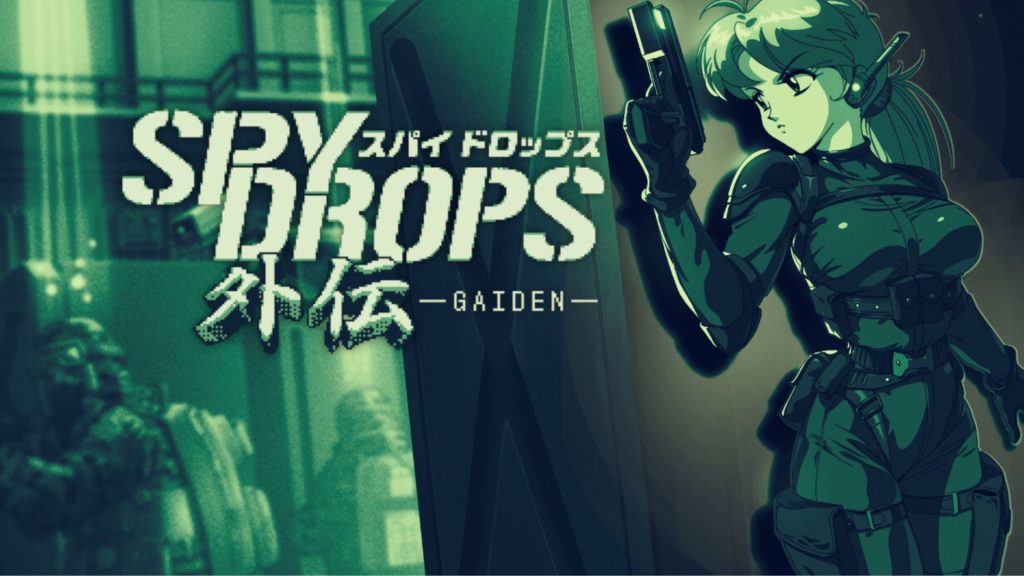
Spy Drops Gaiden brings Game Boy-style stealth, eight covert missions and intel extraction to Steam on October 12 for €4.99.
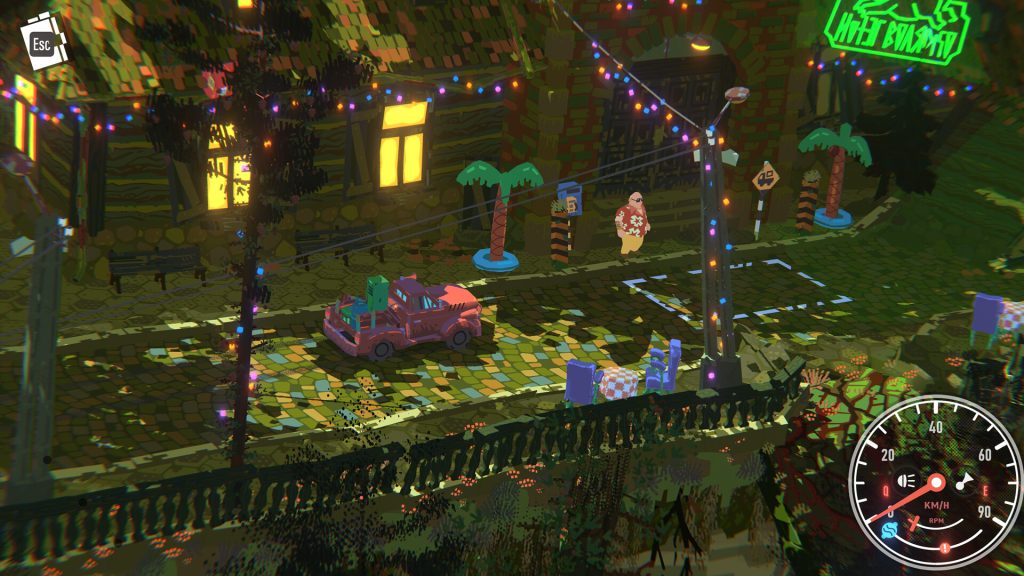
Truckful launches October 9 on Steam and Android, combining physics-based deliveries with vehicle upgrades and a mystery inside an ancient…
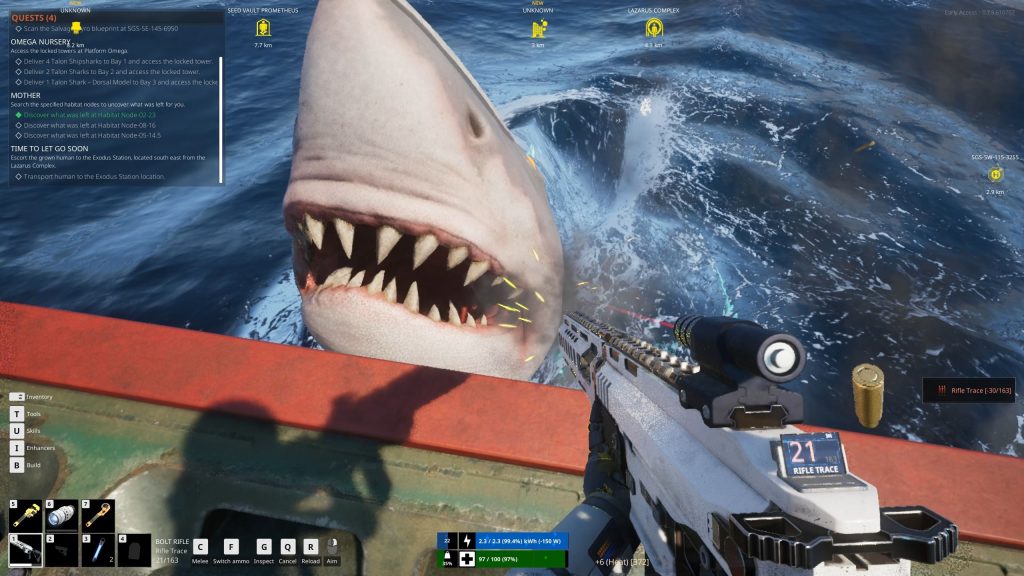
The Last Caretaker reaches version 1.0 in spring 2027 and joins Xbox Game Pass on day one after selling over…
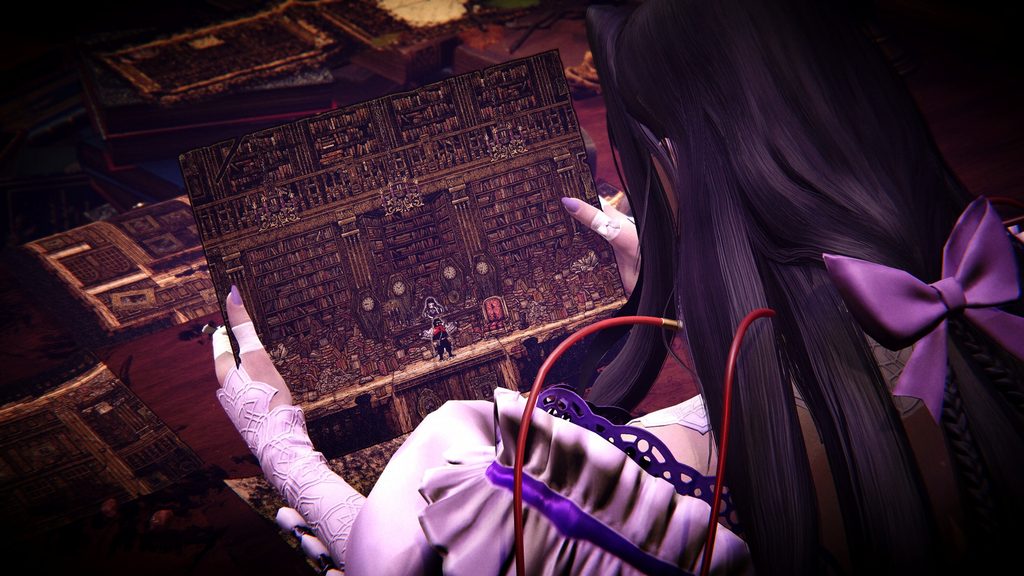
Chronoscript: The Endless End moves to early summer 2027 as DeskWorks! improves combat responsiveness, menus and visual readability.
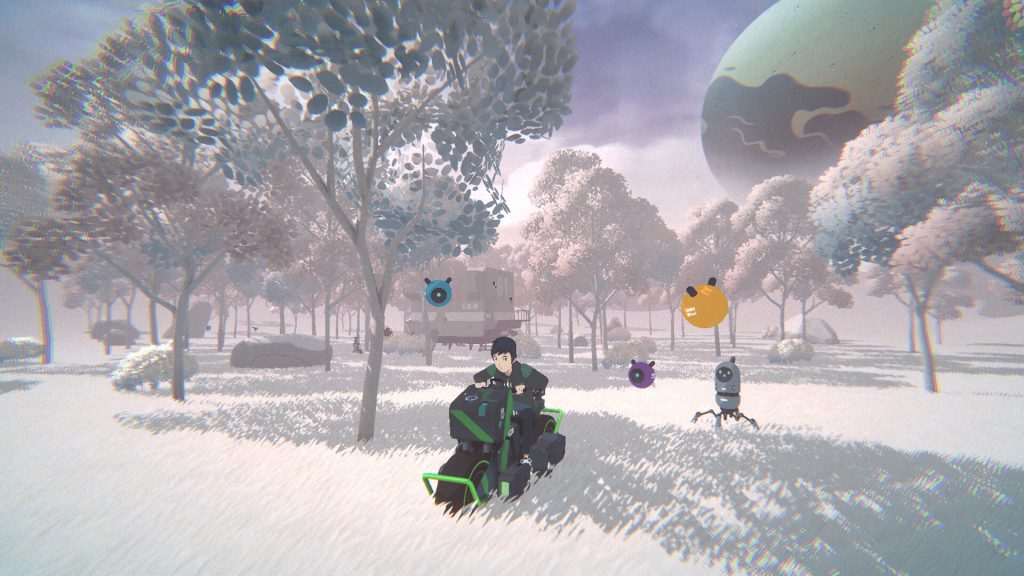
HEIMA is a parallel-world puzzle adventure from former Terra Battle developers, coming to PC in 2028 with SHIFT and HOLD…
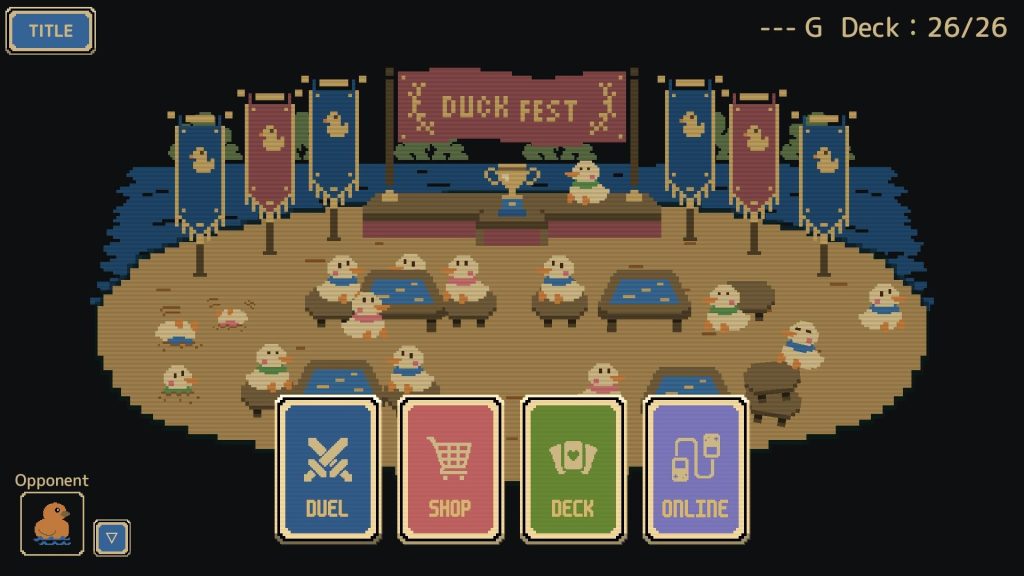
Duck Fest combines deck building and 1v1 battles with collectible cards that players can trade through the Steam Community Market.
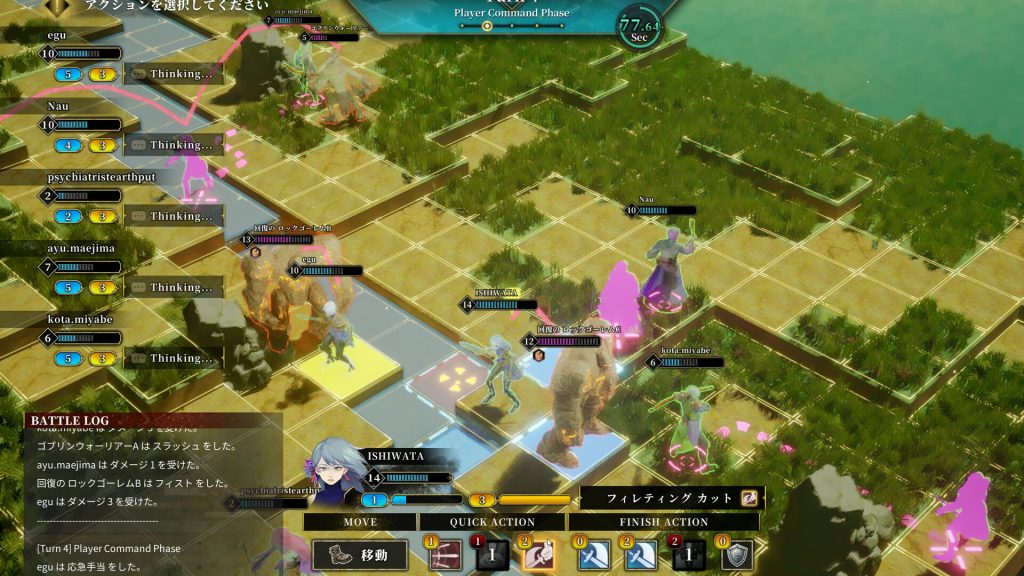
Tactful Tactics is a 1–6-player cooperative RPG where everyone plans and executes their actions simultaneously.
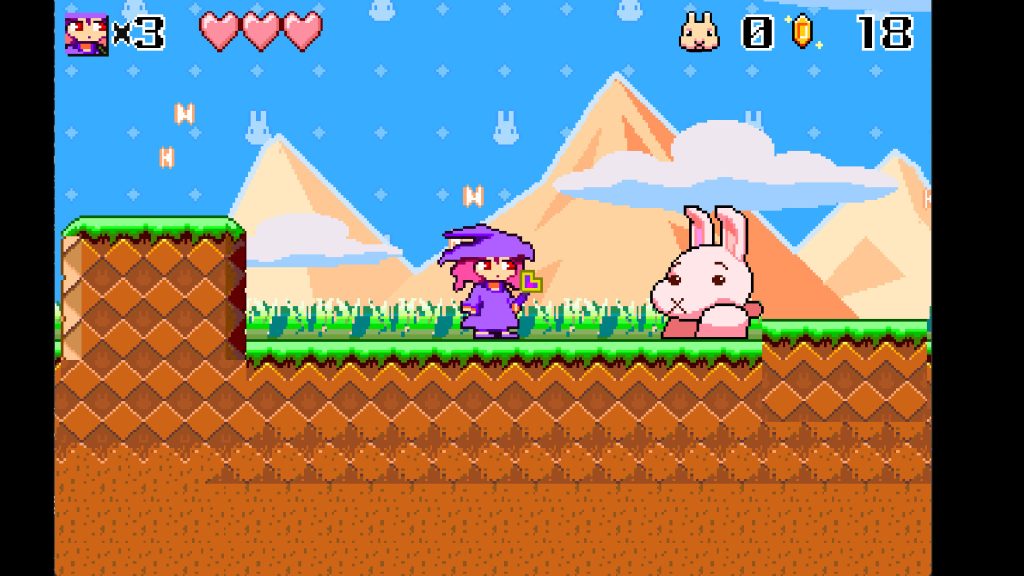
SakuSaku Witch is a retro-inspired 2D platformer about magic, bunny monsters and a suspicious toy company, coming to Steam in…
