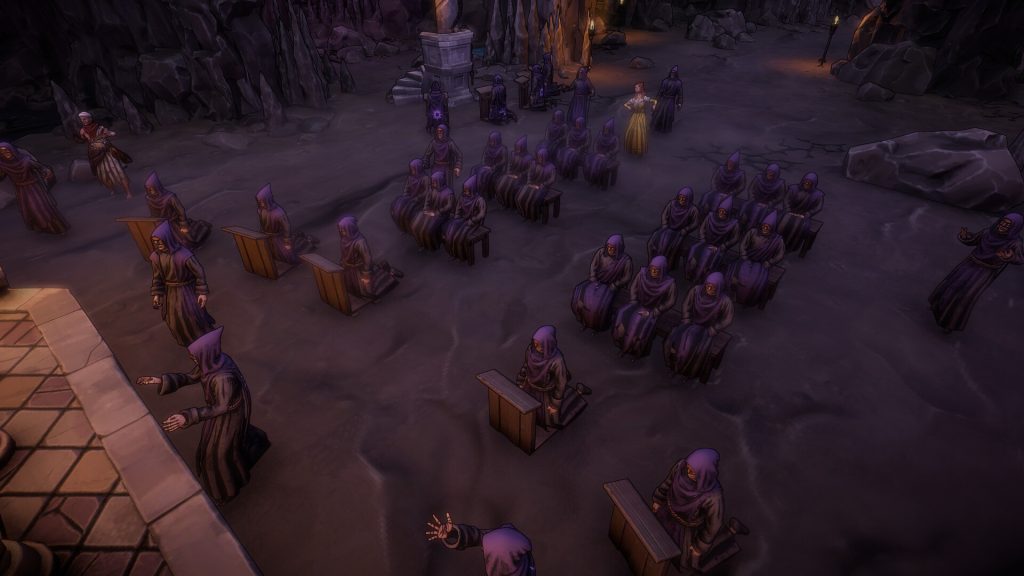
The Lunacy Lets You Build a Secret Cult Beneath Inquisition-Era Spain
Above the Desk, the studio behind Above the Snow, has announced The Lunacy: That Game About a Cult, a dark-comedy…

If you enjoy independent indie game coverage, consider supporting Indie-Games.eu on Patreon. It helps keep the site independent.
According to recent Steam Fan Snapshot data, shortform video optimized for mobile phones now serves as a key discovery method for 36% of respondents, placing it comfortably ahead of traditional media websites at 28% and Reddit-style discussion forums at 29%. These figures, compiled by GameDiscoverCo, paint a clear picture: the way players find their next obsession has shifted dramatically, and the nuances of TikTok, Instagram Reels, and YouTube Shorts are something developers can no longer afford to ignore.
To bridge that knowledge gap, GameDiscoverCo turned to Mahdeen Abrar of Jestr, a company that incentivizes small and medium creators on TikTok, Instagram Reels, and YouTube Shorts to post about games in exchange for payment. The scale of Jestr’s network is impressive; their creators posted 100 million payout-compatible views in March 2026 alone, split across 44 million on Instagram, 34 million on YouTube Shorts, and 32 million on TikTok.
Each platform possesses a distinct personality. Instagram Reels, according to Abrar, are underrated goldmine for gaming content, particularly for cozy and horror titles. The platform optimizes heavily for shares, making it unique among its peers; it is the only place where a creator will often see more shares than likes.
TikTok, by contrast, hosts the most mainstream and youngest audience. This is the domain of “friendslop,” a term Abrar uses to describe inherently social, co-op titles like Roblox and Minecraft that thrive on the platform. The logic is that as these gamers mature and seek more sophisticated experiences, friendslop serves as the natural stepping stone.
YouTube Shorts offers yet another flavor, with significant overlap with Reddit users. Abrar suggests the algorithm here is less curated, resulting in less hyperfocused content recommendations. The audience and the commenters tend to be critical, hardcore gamers rather than casual observers.
On YouTube Shorts, comments on videos often reference other games or employ specific gaming terminology, as seen in a video for “Service With A Shotgun” that got around 40,000 views. You can safely assume that TikTok users, on the other hand, often have no prior knowledge of the subject matter.
Jestr’s “what is Silksong?” TikTok, which racked up 51,000 likes during the Hollow Knight sequel hype cycle, was flooded with comments from people who had never heard of the game. It is a reminder for developers and enthusiasts alike: it is easy to remain trapped in a gaming bubble where even the biggest indie gems feel universally known, but outside that bubble, awareness drops off a lot.
Within this shortform ecosystem, creator archetypes have emerged, and understanding them is crucial for effective promotion. Gameplay Creators are the standard breed, typically streamers who repurpose VOD content into fast-paced clips.
The obvious winning genres for this style include friendslop and horror, but puzzle games have proven to be a surprising viral powerhouse. The magic lies in the viewer’s ability to “solve” the puzzle alongside the creator, a technique that Daniel Benmergui’s “Storyteller” exploited to great effect after its mobile release on Netflix.
Showcase Creators represent a fascinating evolution, an archetype that could only exist on shortform platforms. These creators do not need to play the game; they use existing B-roll or trailer footage and layer a voiceover with reactions or commentary. The best of them recut entire trailers to emphasize a game’s hook.
While this style can cover any genre, strategy games and other less visually appealing titles often struggle because they feel better to play than to watch. There is also room for a storytelling approach, focusing on the developers themselves. Labels like “Ex-AAA devs” or “solo indie” provide ready-made narrative scaffolding for audiences to grab onto.
A third, more niche archetype is the Real-World Aesthetics Crossover. This style pairs visually appealing games with eye candy desk setups or cozy backgrounds. Much like showcase creators, these content producers do not necessarily need to play the game to make an effective video. Whether it is a cozy backdrop or a more “core” setup, the visual presentation elevates the game footage, creating a distinct atmosphere that resonates with viewers.
The takeaway from all of this is that shortform creators, whether paid or organic, serve as an intriguing testing ground for distilling a game’s hook. Not every genre works great in the format, but dynamic titles can find massive success if the hook is clear. For developers navigating this landscape, the key lies in understanding that shortform video is not just a megaphone; it is a translation layer, one that converts the language of gameplay into the grammar of the scroll.
Above the Desk, the studio behind Above the Snow, has announced The Lunacy: That Game About a Cult, a dark-comedy…
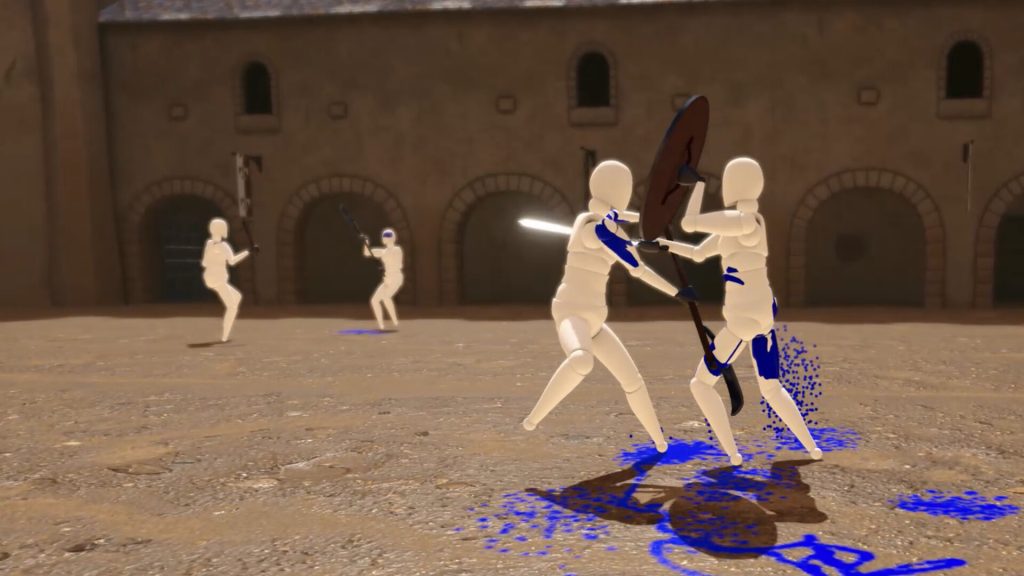
Gladio Mori leaves Steam Early Access and launches for PC, PlayStation 5 and Xbox Series X|S in September 2026, with…
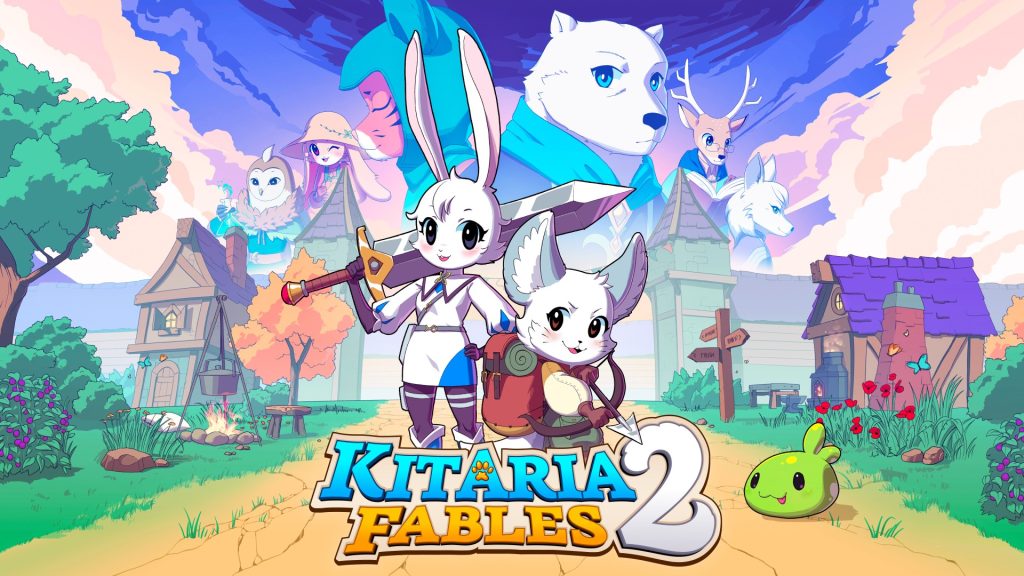
Kitaria Fables 2 will hold a closed Steam beta from September 7th to 21st, 2026, offering selected players roughly 60…
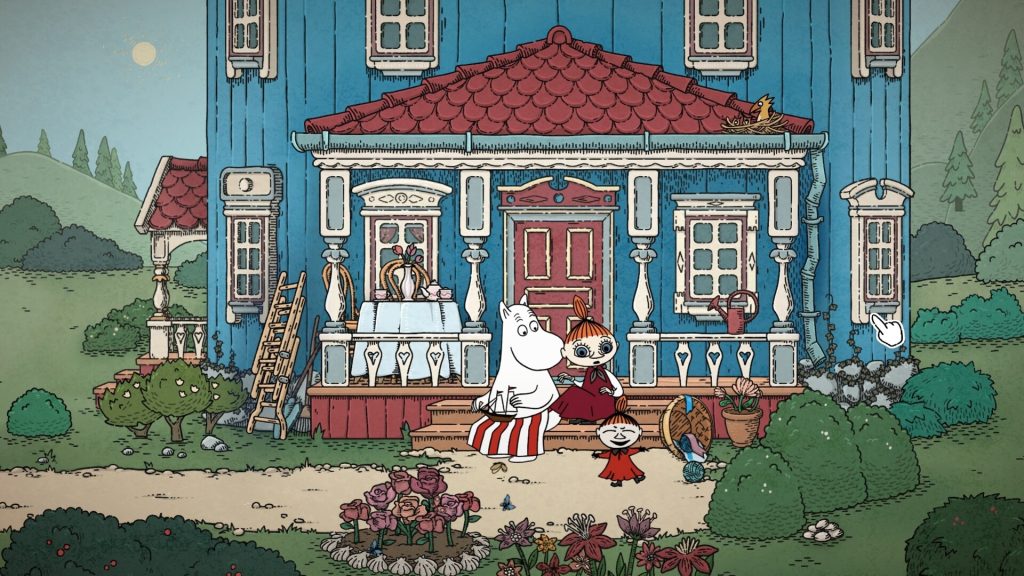
Midsummer Madness launches for PC, Nintendo Switch and Switch 2 in November 2026, following an exclusive one-day gamescom demo in…
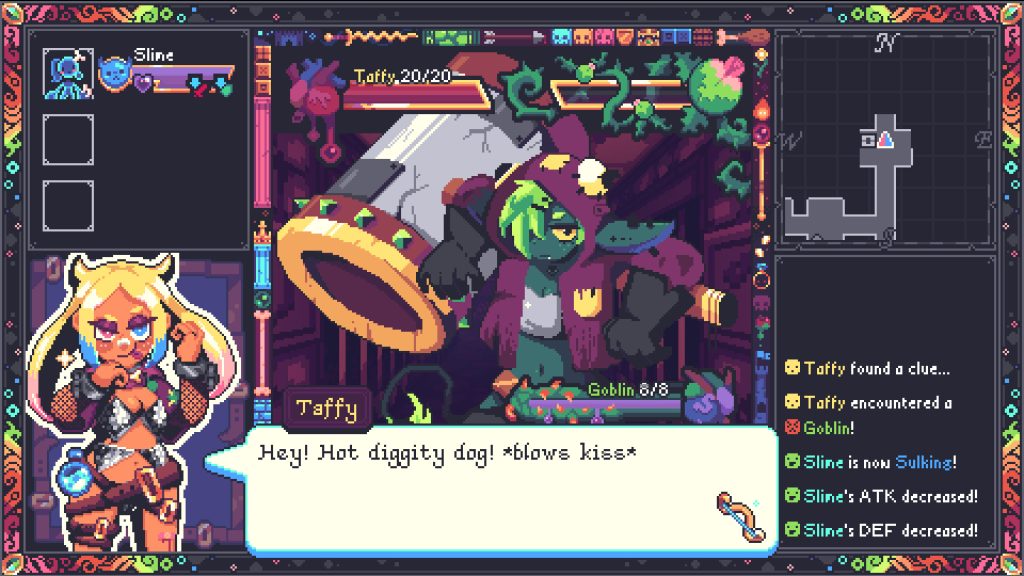
Rizz Dungeon: Skeleton Key to My Heart has been delayed to 2027, giving Snoozy Kazoo time to add more Monster…
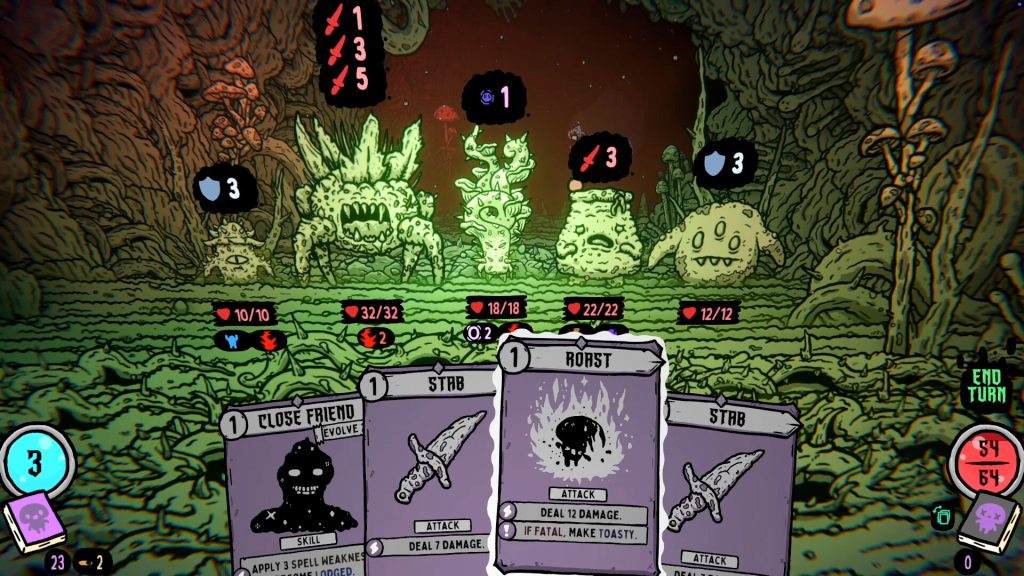
Shroom and Gloom enters Steam Early Access in September 2026, combining first-person dungeon crawling with separate exploration and combat decks.
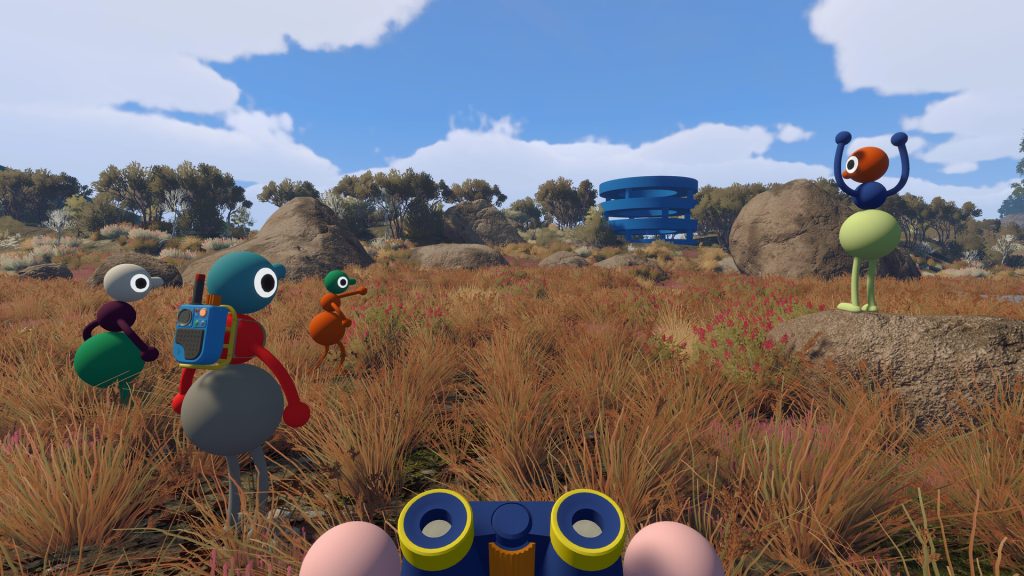
Big Walk sold more than one million copies in six days, strengthening the case for complete co-op-only games built around…

If you regularly visit Indie-Games.eu or follow the YouTube channel, you have probably noticed that things have become unusually quiet.
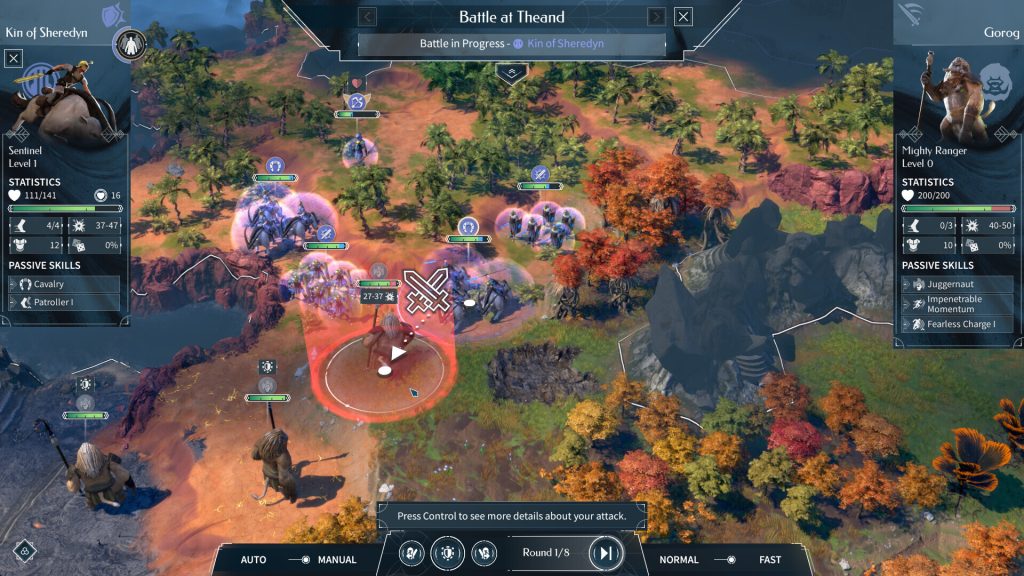
Endless Legend 2 leaves Early Access in September as version 1.0 rolls out, bringing console versions to PlayStation 5 and…
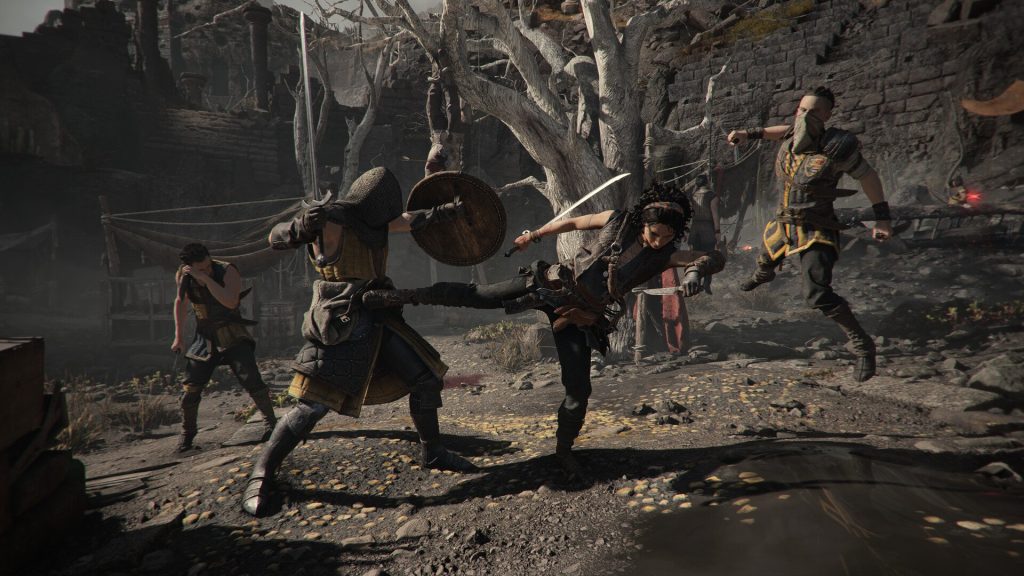
A new Resonance: A Plague Tale Legacy featurette shows how Sophia can use light to navigate dangerous environments and overcome…
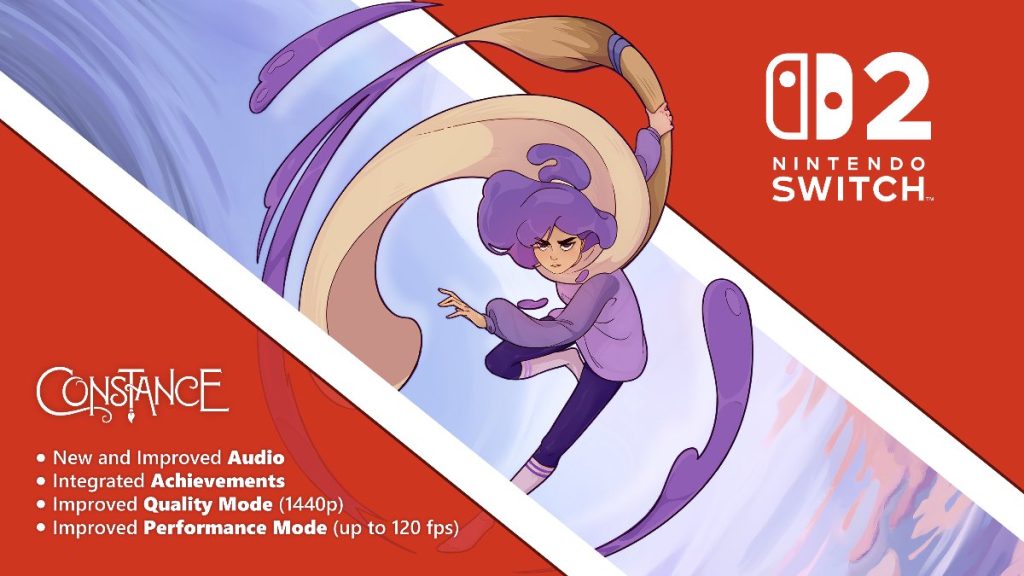
The nonlinear world contains six biomes, each representing a different part of the protagonist’s psyche and history.
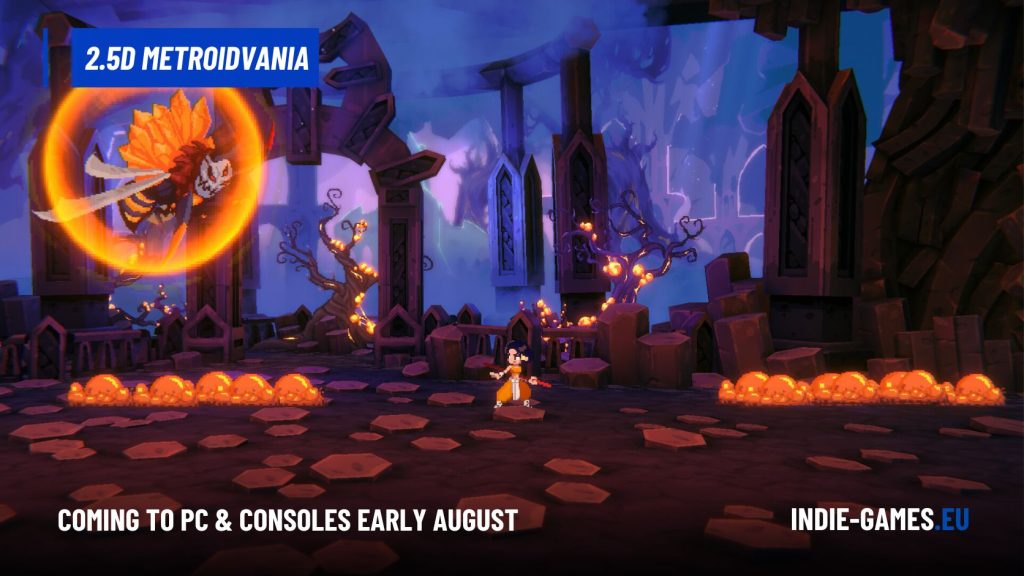
Akatori launches early August on PC and PlayStation and Xbox, featuring 2.5D Metroidvania action, parkour and staff-based combat.
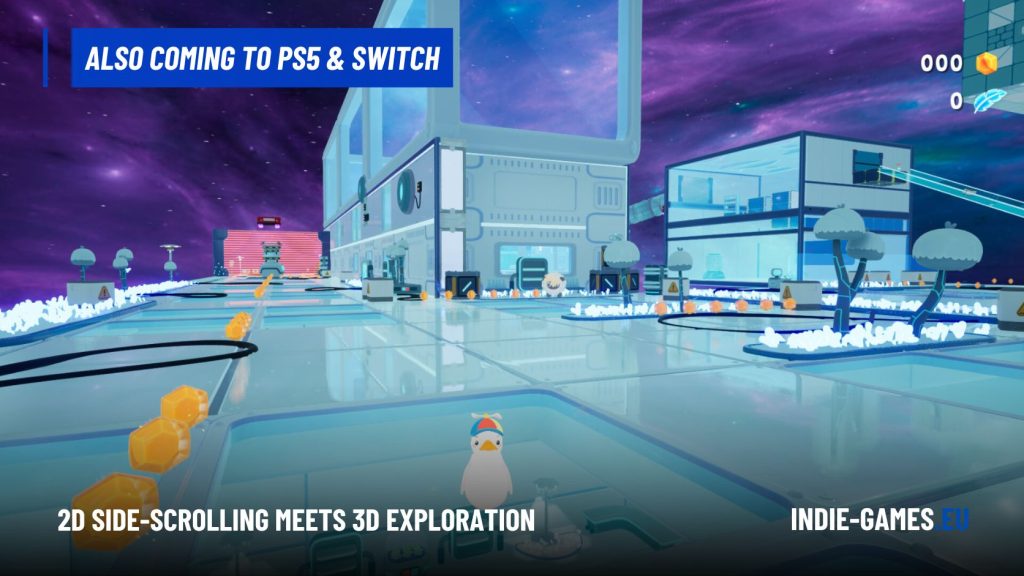
Dodo Duckie! launches on PC and Xbox today, with PS5 and Switch versions arriving later in 2026, featuring unique 2D…
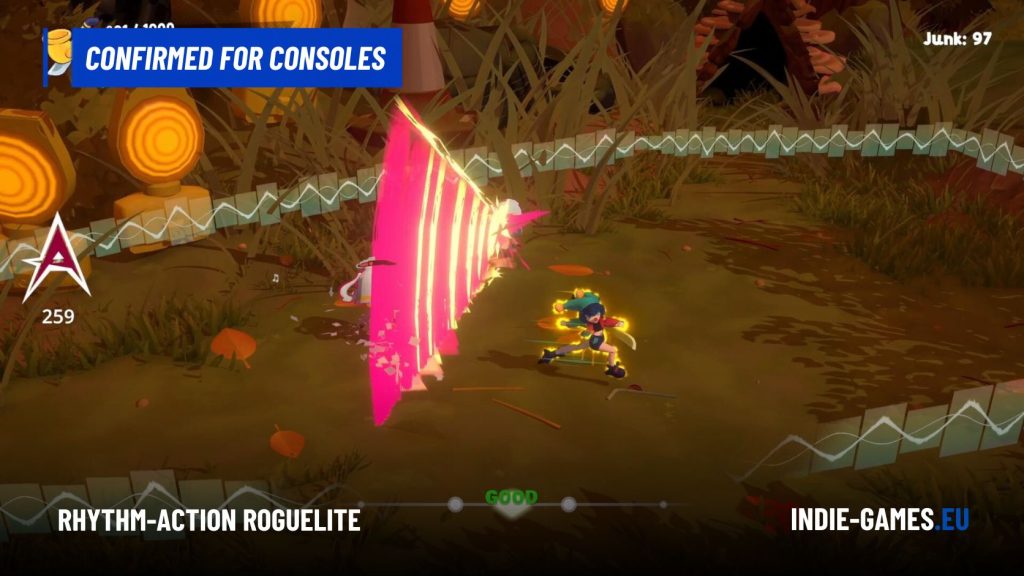
Alpha Nomos launches on PlayStation 5, Xbox Series and PC in 2026, featuring rhythm-based roguelite combat, live-recorded weapons and a…
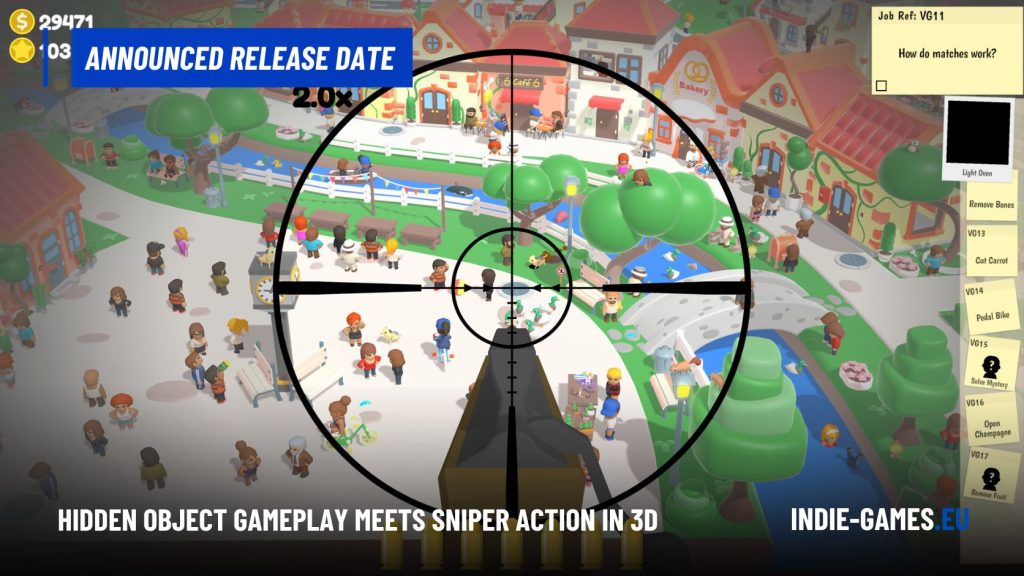
Sniper Dan launches in September for PlayStation 5, Xbox, Switch and PC, blending hidden object gameplay, puzzles and family-friendly sniper…
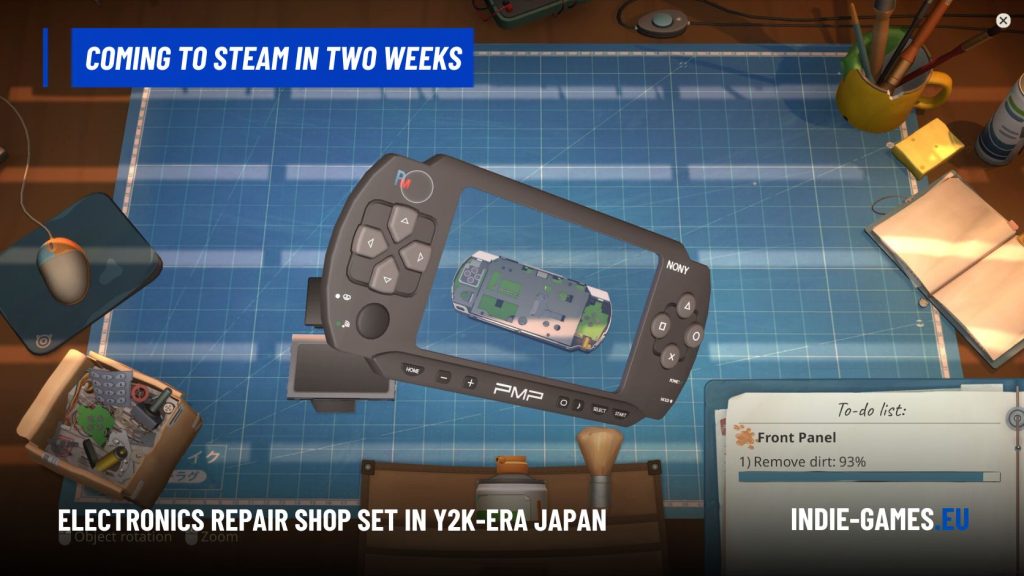
In ReStory, you will repair a wide range of early-2000s technology, including mobile phones, handheld gaming systems, digital pets, music…
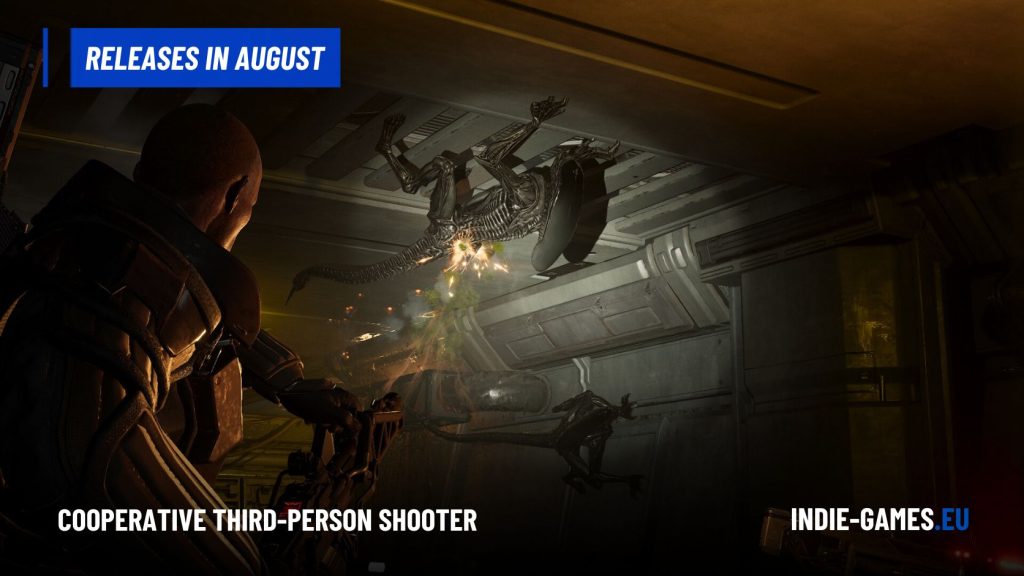
Aliens: Fireteam Elite 2 expands its fireteams to four players, who take control of Colonial Marines deployed across hostile locations…
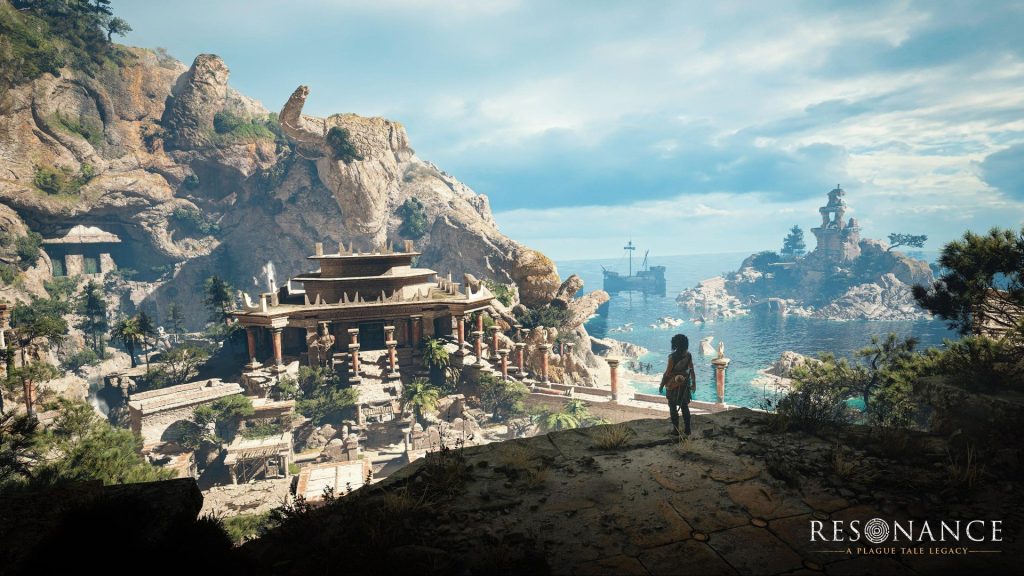
Asobo Studio has released a short scenic clip for Resonance: A Plague Tale Legacy, showcasing its Mediterranean-inspired locations.
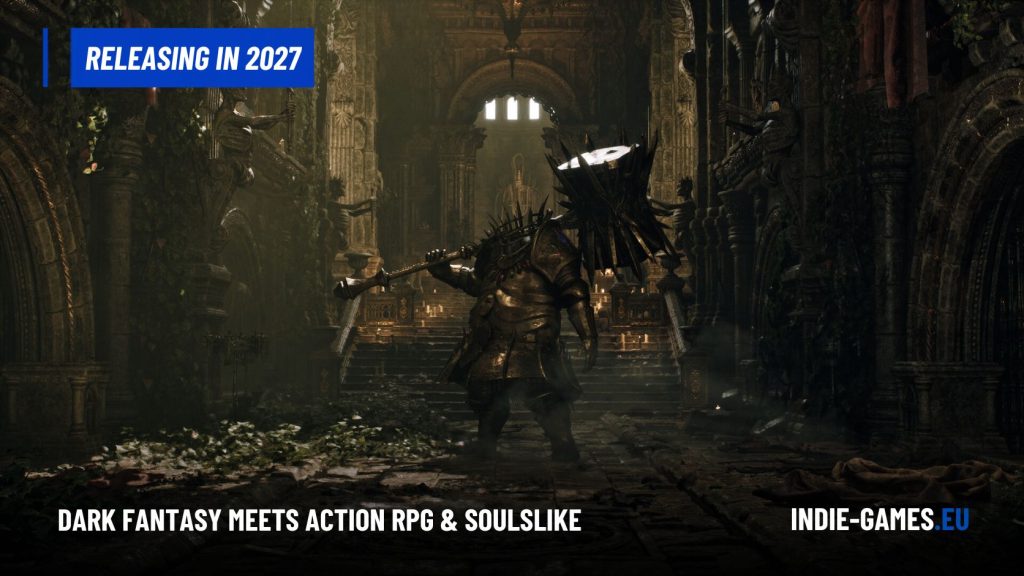
Turkish solo developer Celal Sahin has announced Godless Dawn, a dark fantasy action RPG targeting a Q1 2027 release on…
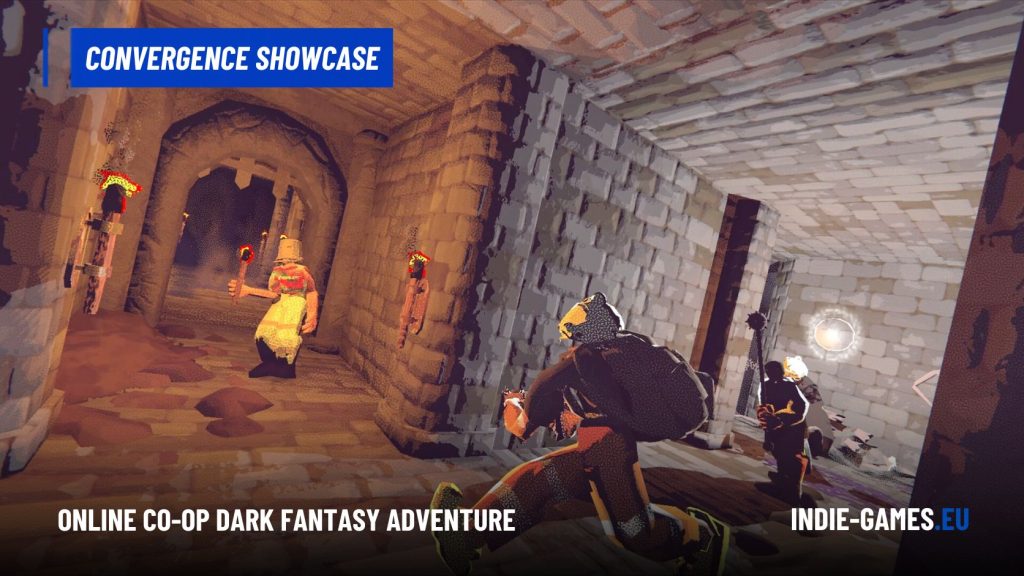
Vision Quench, an online co-op dark fantasy adventure from developer WizMUD Games and Pocketpair Publishing, is targeting an early 2027…
