
A Japan-Only Code Geass PS2 Game Finally Has a Complete English Patch
Code Geass: Lost Colors now has a complete fan-made English patch for PS2, including the platform-exclusive Blue Moon route.


If you enjoy independent indie game coverage, consider supporting Indie-Games.eu on Patreon. It helps keep the site independent.
In 2010, Monolith Soft achieved something impressive by releasing Xenoblade Chronicles only on the Nintendo Wii. This huge action RPG offered an open world about as large as the size of Japan, with giant titans, wide landscapes, and smooth real-time battles. All of this ran on a console with only 88MB of RAM and a 729MHz CPU. Because the world had no loading screens between areas, the team had to use very smart technical tricks to make everything work.
Director Tetsuya Takahashi wanted the game to feel like an MMO, where you could see far-off places, like the massive Bionis, while fighting enemies in real time. But this was very hard on the Wii, which could only output at 480p, had no unified memory, and struggled with slow data speeds.
To overcome this, Monolith Soft spent four years building their own engine from scratch. They focused on making the world seamless and keeping far-off areas visible instead of chasing high-end graphics. The team kept testing and rebuilding areas on real hardware to maintain a steady 30 FPS, sometimes dropping to 20 FPS in busy battles but quickly recovering.
The studio’s engine was made specifically for the Wii’s CPU-focused design. Its strength came from several main ideas:
Instead of using detailed 3D bushes made up of hundreds or thousands of triangles, most plants were just flat 2D images that always faced the camera. From a distance, they looked like real bushes without using much GPU power. When players got very close, the game swapped them for simple 3D models to avoid obvious popping.
Objects changed their detail based on distance:
This allowed the world to look big without actually rendering everything in full detail. The engine avoided drawing anything the player couldn’t see. It removed off-screen objects and also checked which objects were hidden behind walls or mountains. In areas like caves, this could remove more than 90% of what didn’t need to be shown, saving huge amounts of performance.
The real-time combat system was also heavily optimized. With up to seven characters and many enemies on screen, the engine used a special system where far-away enemies ran on a slower AI and only switched to full behavior when the player got close. Particle effects were grouped together, and simple shaders were used to avoid heavy graphic calculations.
Despite the Wii’s weak hardware, Xenoblade Chronicles stayed surprisingly stable, keeping a smooth frame rate most of the time. The success of the engine can be seen again in the 2020 Definitive Edition on the Nintendo Switch, which kept the same underlying optimizations while updating the visuals and running at a steady 30 FPS with better resolution.
Code Geass: Lost Colors now has a complete fan-made English patch for PS2, including the platform-exclusive Blue Moon route.
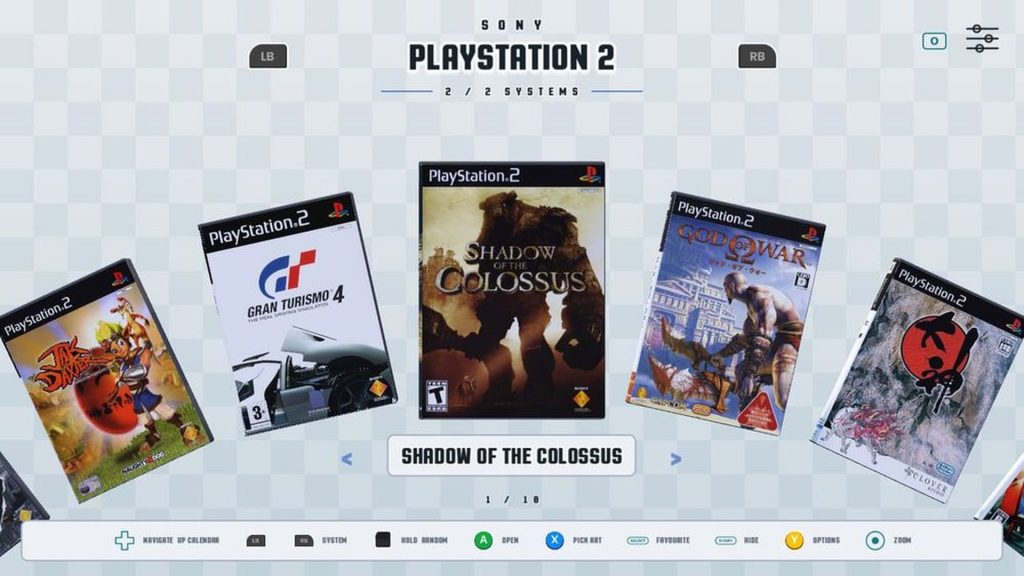
DigiBitPlay presents digital game libraries through interactive 3D boxes, discs, cartridges, consoles and scanned manuals.
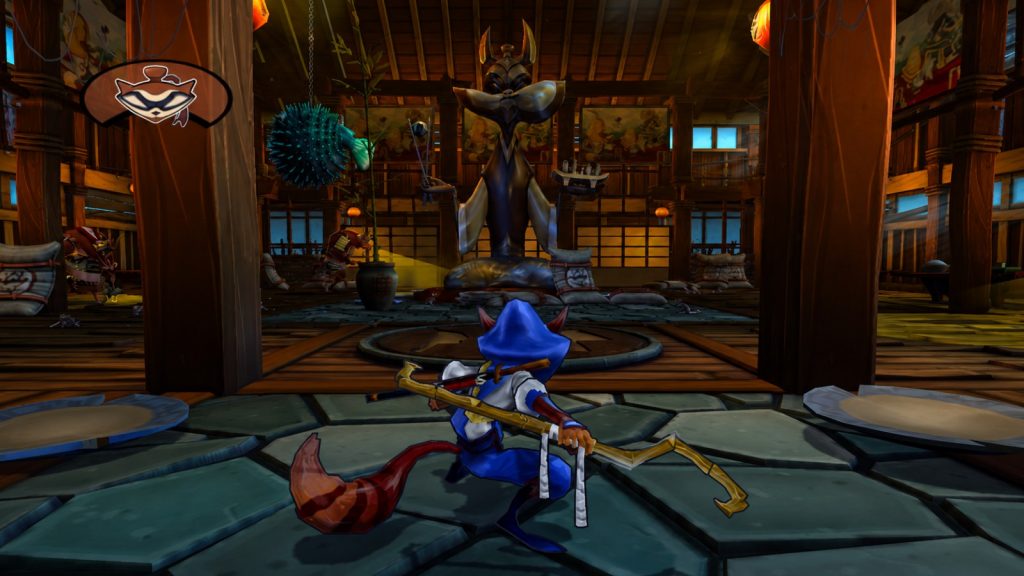
Project Cane shows new Sly Cooper PC footage, but the unofficial native port still needs menus, audio, saving, controls and…
Donkey Kong 64 now runs natively on Windows, Linux and macOS with widescreen, uncapped frame rates, modern controls and optional…
PCSX2 2.8.0 delivers major performance and graphics improvements alongside EyeToy support, interface upgrades and bundled FFmpeg.

Mr. Nutz and the previously unreleased Mega Drive sequel Hoppin' Mad are receiving new physical cartridges from Strictly Limited Games…
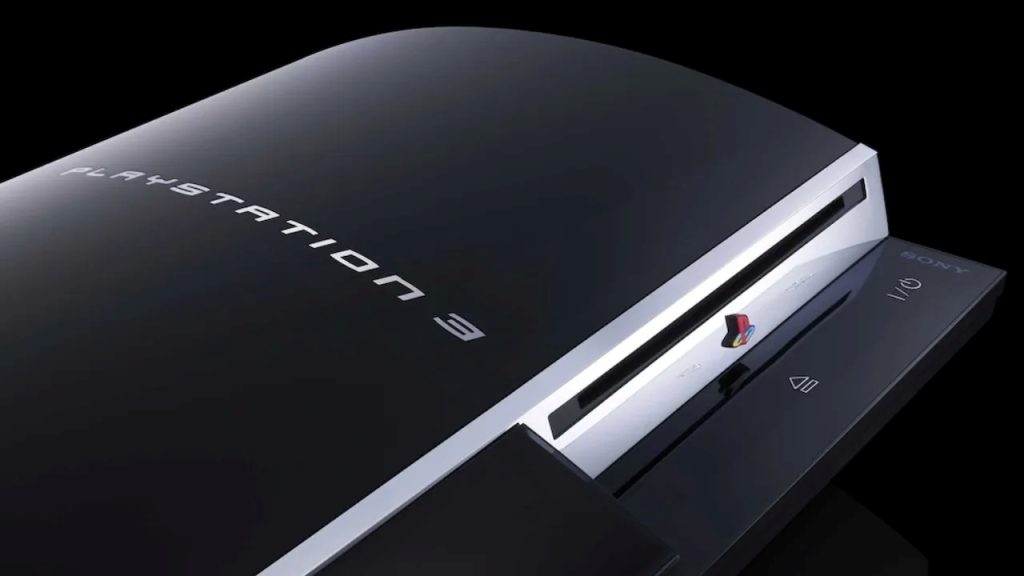
Sony will close the PlayStation 3 Store in July 2027, while RPCS3 fully supports 75% of the console's library, highlighting…

The Forever Project aims to make physical game releases more affordable for indie developers through a partnership between 33 Games…
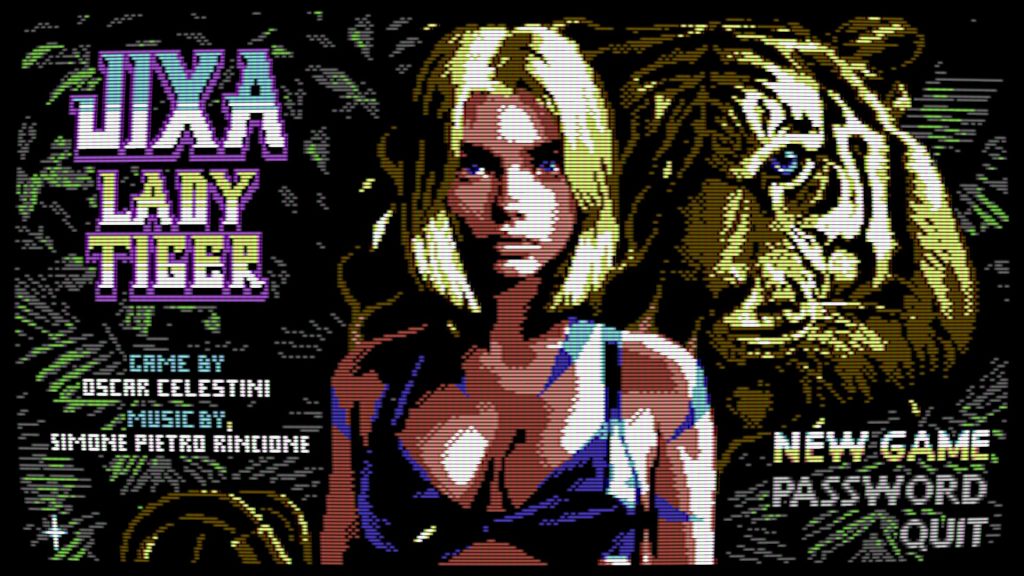
Indie developer Oscar Celestini is expanding his retro-inspired platformer with Jixa Lady Tiger Plus, an enhanced edition that significantly builds…
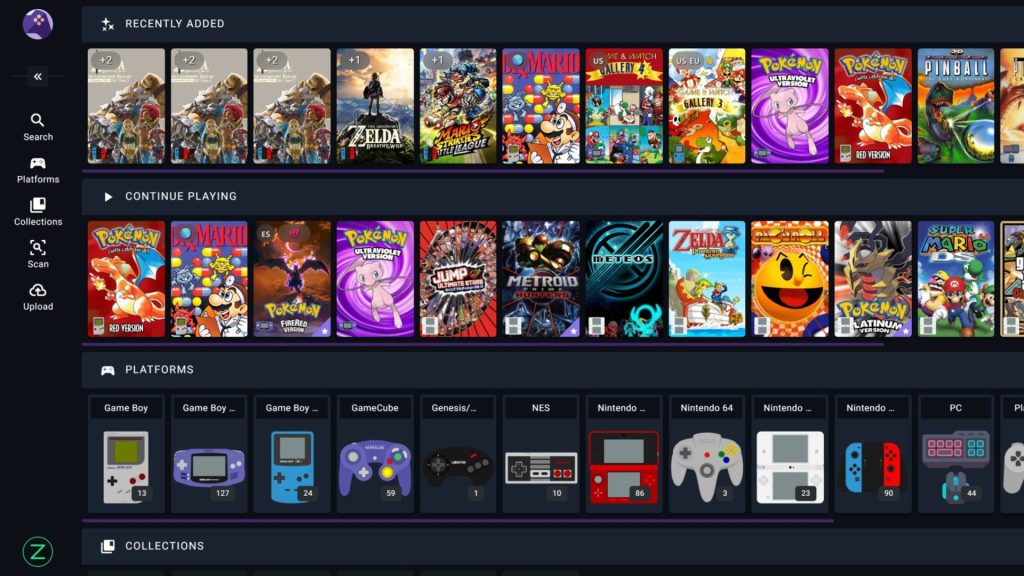
RomM is a free, open-source, self-hosted platform that organizes ROM libraries, fetches metadata, and supports browser-based emulation.
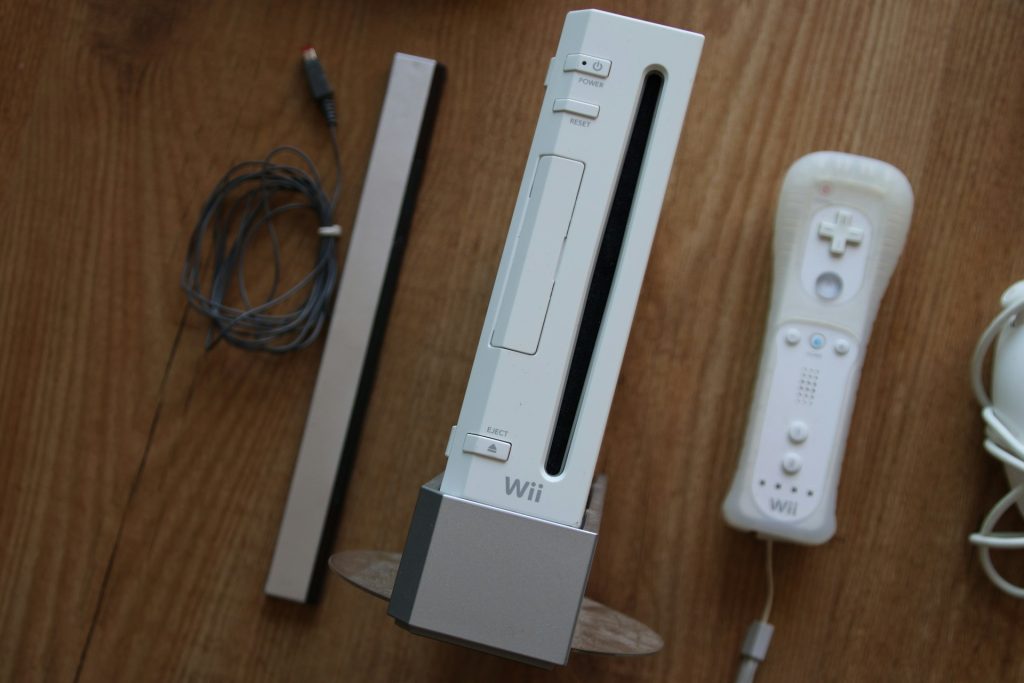
The developers behind Wii64 have released Beta 1.4, marking the Nintendo 64 emulator's first major update in more than five…
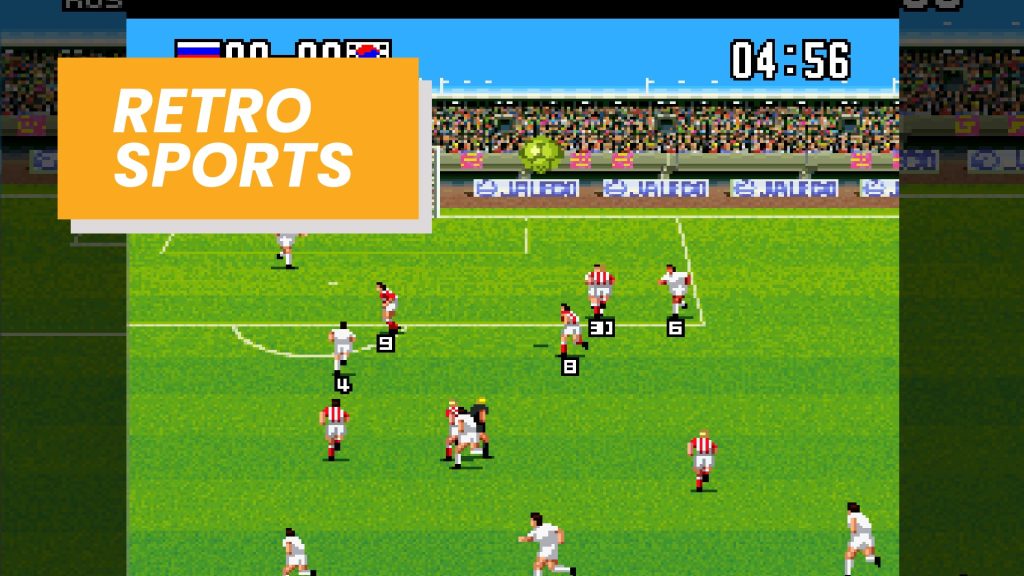
Rock It Games has brought Jaleco Sports: Bases Loaded II and Goal! Two to PC after successful Nintendo Switch and…
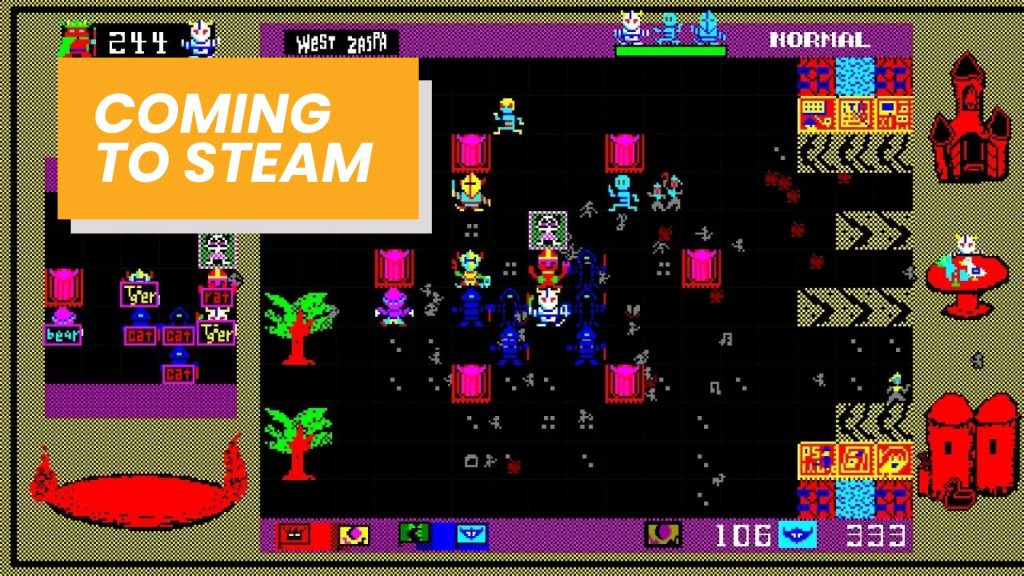
Developer Pygmy Studio has announced that Bokosuka Wars II will launch on PC via Steam in 2026, bringing the tactical…

An unofficial native PC port of Donkey Kong 64 is in development, bringing rare's Nintendo 64 classic to modern hardware…
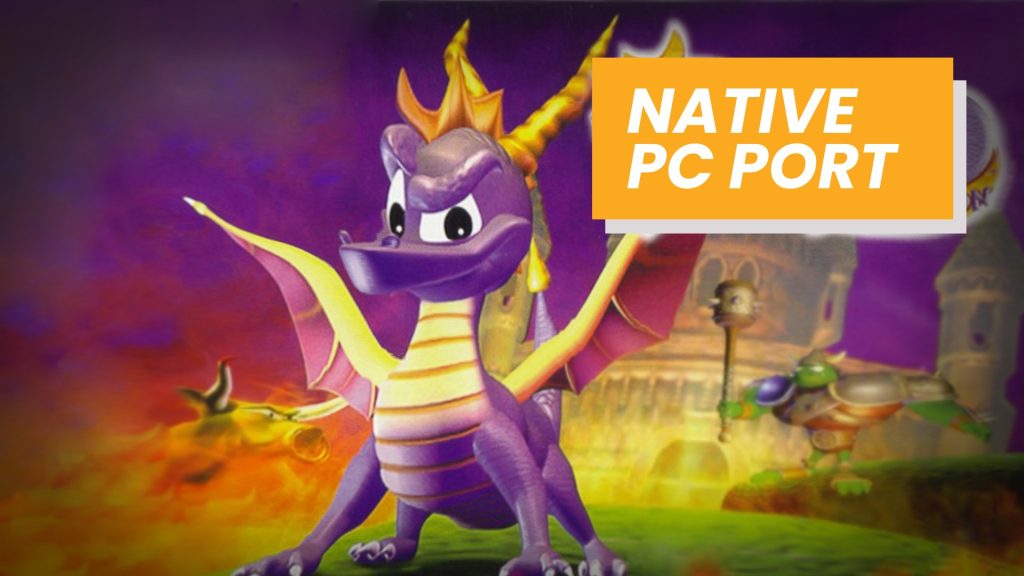
A fan-made native PC port of the original Spyro the Dragon is officially in development, bringing the 1998 PlayStation classic…
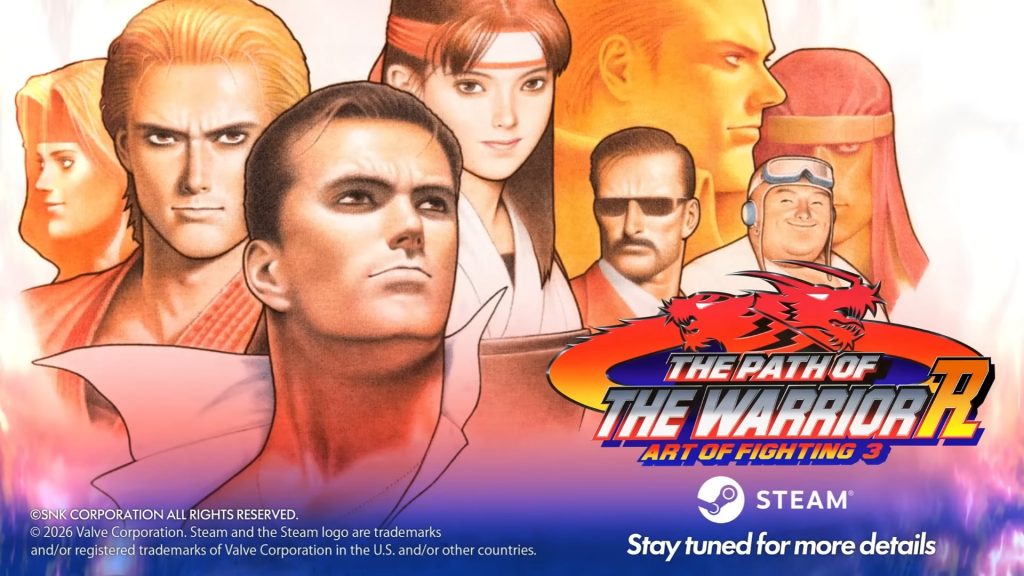
SNK has officially announced The Path of the Warrior: Art of Fighting 3 R, a modernized version of the 1996…
The developers behind ShadPS4 have introduced a major new feature that moves PlayStation 4 emulation closer to a complete experience.
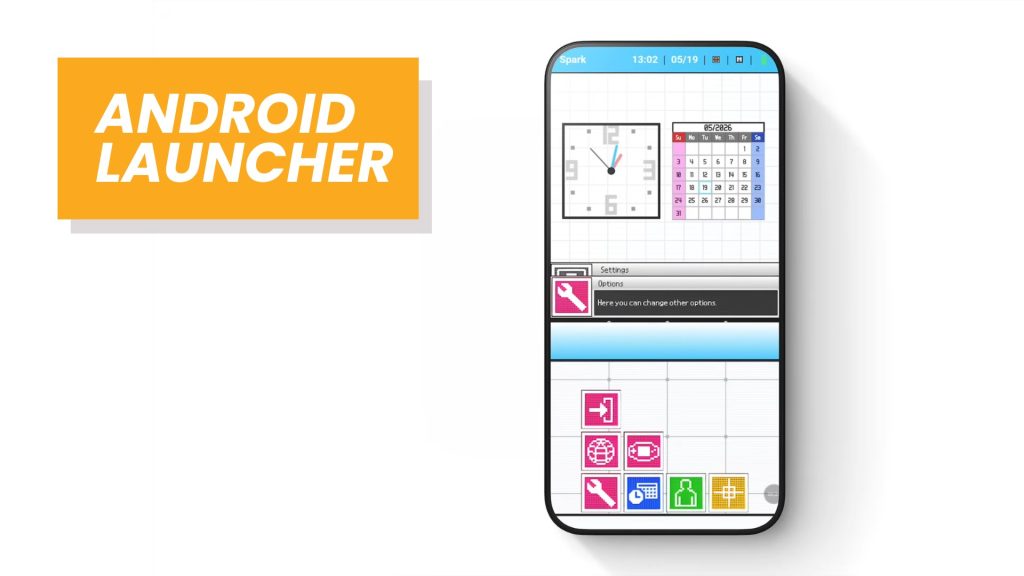
DS & DSi Launcher brings the classic Nintendo DS and DSi interface to Android, giving retro fans a nostalgic way…
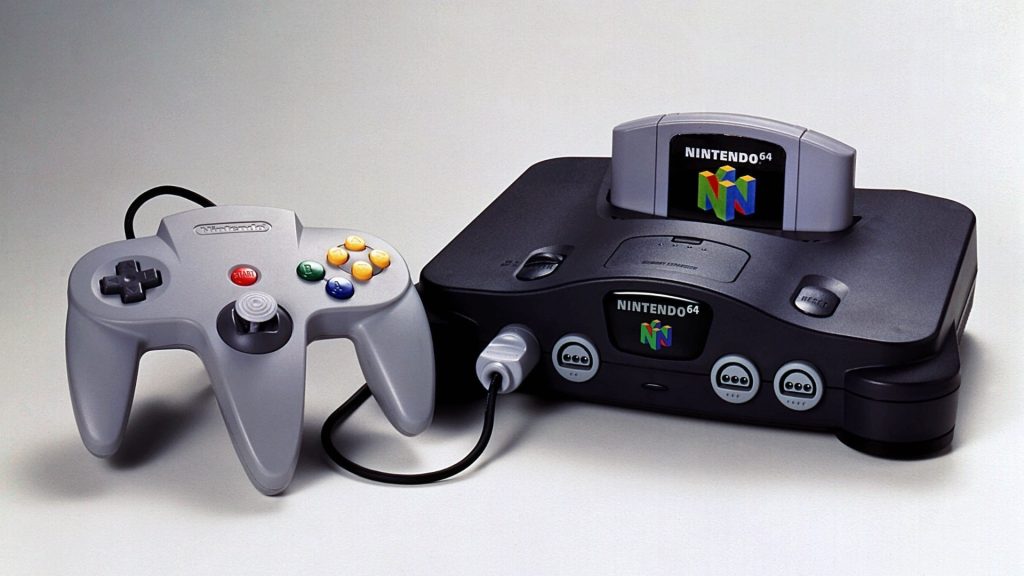
Today marks 30 years since the launch of the Nintendo 64 in Japan, and for many, that's enough to trigger…
It's hard to believe, but Batman: Arkham Knight is officially 11 years old today. This title was Rocksteady's final chapter…
