A Cat Scattered 5,798 Games Across This Cozy Supermarket Simulator
MY CAT SCATTERED GAMES asks players to organize 5,798 games and consoles before rescuing a cat trapped inside a claw…

![[OPINION] PlayStation’s Return to Exclusives Shows Sony Has Learned From Its Recent Mistakes](https://www.indie-games.eu/wp-content/uploads/2026/06/PlayStation-Studios-Opinion-PC.jpg)
If you enjoy independent indie game coverage, consider supporting Indie-Games.eu on Patreon. It helps keep the site independent.
When PlayStation CEO Hideaki Nishino recently discussed Sony‘s platform strategy in a Famitsu interview celebrating PlayStation’s 40th anniversary, the comments immediately caught the attention of both console and PC gamers. While Sony isn’t abandoning PC releases altogether, the company appears to be drawing a much clearer line between the types of games it believes should remain closely associated with PlayStation and those that benefit from reaching the widest audience possible.
According to Nishino, platform decisions will continue to be made on a case-by-case basis depending on what best suits each project. However, he also made it clear that Sony sees its first-party single-player games as an important part of PlayStation’s identity and wants to further refine the unique value these experiences bring to PlayStation hardware and its ecosystem. Live-service games, on the other hand, will continue launching on both PlayStation 5 and PC because online multiplayer titles naturally benefit from larger player bases.
While the statement leaves room for flexibility, the overall direction is difficult to ignore. Sony appears to be moving away from the aggressive PC expansion strategy that defined much of the past several years and is instead returning to the philosophy that helped make PlayStation one of the most successful brands in gaming.
Sony’s push into PC gaming wasn’t a random decision. Development budgets for modern AAA games have exploded, with some projects reportedly costing hundreds of millions of dollars. Finding new revenue streams has become increasingly important, even for companies with the resources of Sony.
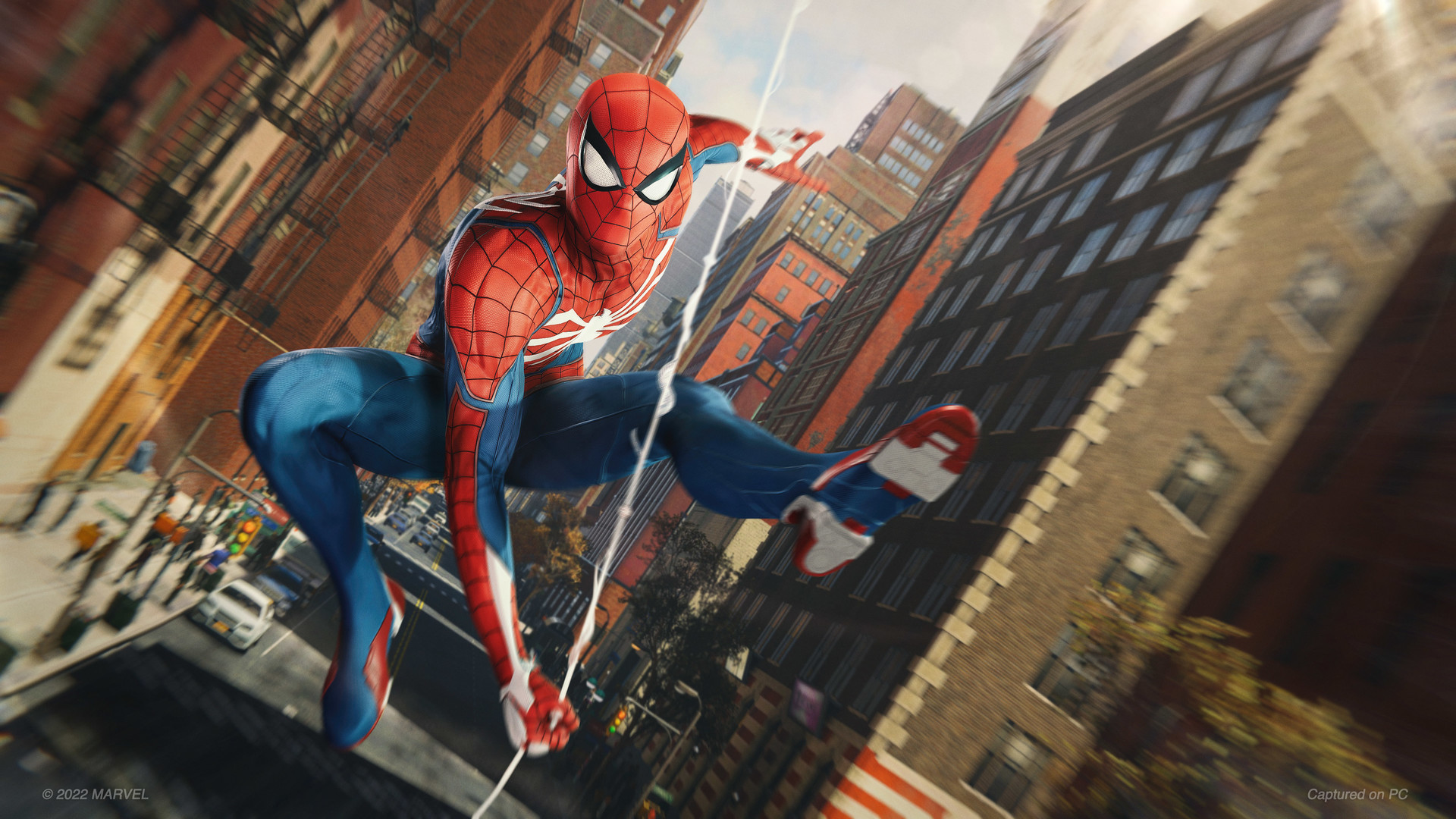
Starting with Horizon Zero Dawn in 2020, PlayStation began bringing more of its exclusive catalog to PC. Days Gone, God of War, Marvel’s Spider-Man, The Last of Us Part I and several others eventually followed. The strategy seemed straightforward: sell games twice. First on PlayStation, then again on PC several years later.
Initially, this approach appeared to offer the best of both worlds. PlayStation owners still received exclusives first, while Sony gained access to millions of potential customers who might never purchase a console. In some cases, PC releases also acted as marketing for upcoming sequels, encouraging players to buy a PlayStation if they wanted to continue the story immediately.
PC Share of Total Players for PlayStation PC Releases
| Game | PC Share |
|---|---|
| Horizon Zero Dawn | 22% |
| God of War (2018) | 14% |
| Marvel’s Spider-Man | 14% |
| Ghost of Tsushima | 11% |
| God of War Ragnarök | 6% |
| Spider-Man 2 | 5% |
Sony’s own data suggests the PC audience represents a smaller share of total players for more recent PlayStation ports. While Horizon Zero Dawn reached roughly 22% PC players, newer releases such as God of War Ragnarök and Spider-Man 2 accounted for only around 6% and 5% respectively. The trend helps explain why Sony may be taking a more selective approach with future single-player PC releases while continuing to push live-service games across multiple platforms.
Over time, however, the gap between console and PC releases began shrinking. Rumors and reports suggested Sony was considering faster PC launches for some of its major titles, raising questions about what exclusivity would actually mean going forward. That’s where the strategy became more complicated.
The value of an exclusive isn’t simply measured by how many copies it sells. Exclusives exist to convince players to invest in an entire platform. A player who buys a PlayStation for God of War may later purchase Spider-Man, subscribe to PlayStation Plus, buy third-party games, accessories, and remain part of Sony’s ecosystem for years. The game itself is often just the starting point.
Once consumers begin expecting a title to arrive on PC within a relatively short period, some will inevitably choose to wait. For Sony, that creates a difficult balancing act. Every PC sale generates additional revenue, but every player who decides not to buy a PlayStation console potentially represents a much larger long-term loss.
Sony’s evolving strategy cannot be viewed separately from its recent live-service ambitions. A few years ago, the company made a major push into multiplayer and live-service gaming. The acquisition of Bungie, numerous multiplayer projects in development, and repeated discussions about expanding beyond traditional single-player experiences all suggested Sony wanted a larger share of the recurring revenue generated by games like Fortnite, Apex Legends, and Destiny 2.
The logic was understandable. Live-service games can generate revenue for years while keeping players engaged within a platform’s ecosystem. The problem is that creating a successful live-service title is significantly harder than it looks. The industry’s graveyard is filled with expensive multiplayer projects that failed to gain traction, and Sony experienced this reality firsthand. While Helldivers 2 became a major success, the high-profile failure of Concord served as a reminder that even companies with vast resources cannot simply manufacture a community overnight.
The result appears to have been a period of reflection within PlayStation leadership. If Sony’s greatest strength has always been premium narrative-driven experiences, why risk diluting that identity in pursuit of trends where success is far less predictable?
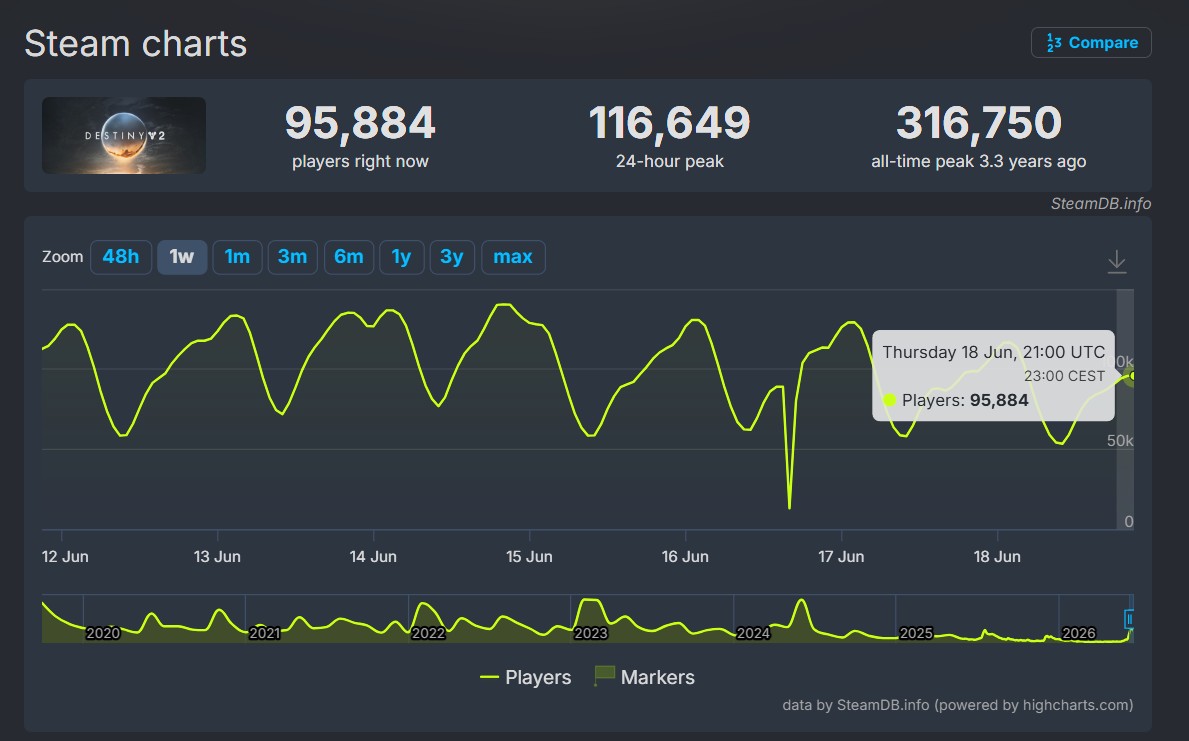
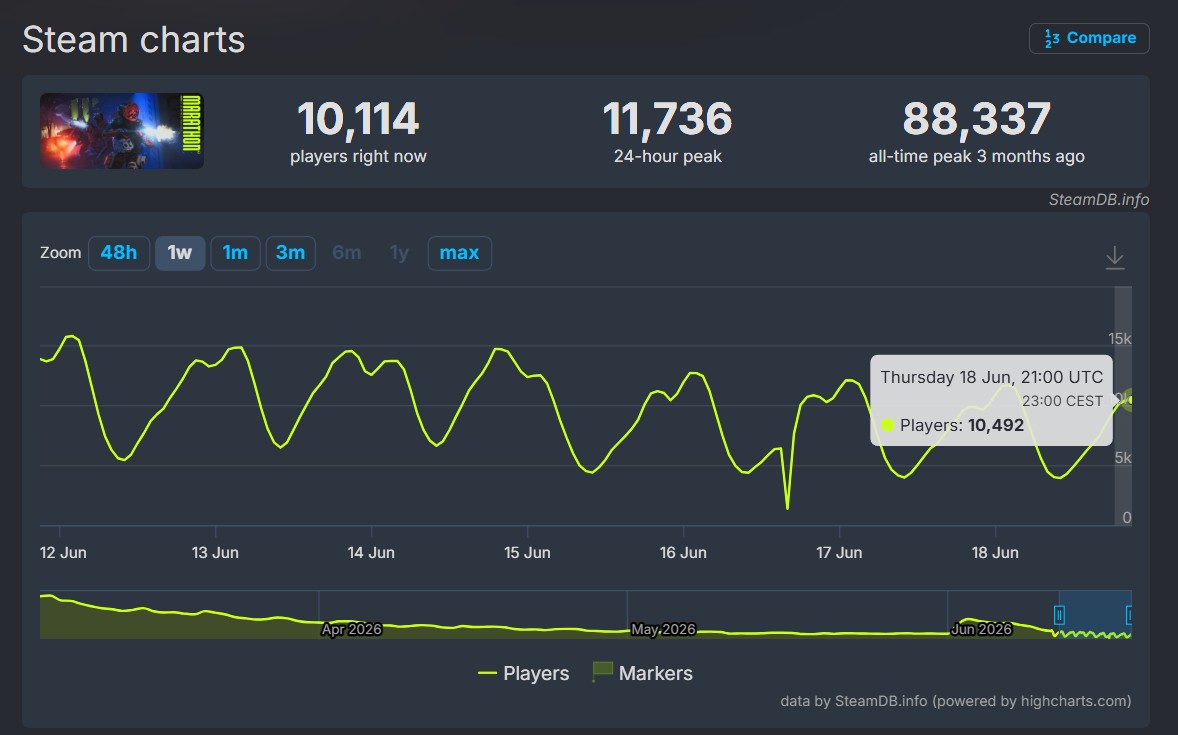
Importantly, Nishino’s comments should not be interpreted as Sony abandoning PC altogether. If anything, the company seems to have concluded that different genres require different strategies.
Single-player games can thrive as platform-defining exclusives because their primary purpose is delivering a memorable experience. Multiplayer and live-service titles operate differently. Their success often depends on player counts, community engagement, matchmaking health, and long-term support. In those cases, restricting a game to a single platform can actually hurt its chances of success.
“I guess they’re not going to lay this out publicly, but there’s no ambiguity in their strategy. During a townhall a few weeks ago, Hermen Hulst told staff that their single-player narrative games will be PlayStation only, and he explained that they were inconsistent with their PC releases, they didn’t make enough money, and they want to keep their IP aligned to their own platform. Confirmed this with two people who heard him say it. There’s no “case by case” here.”
Jason Schreier of Bloomberg, who originally broke the story of PlayStation backing away from PC for their single player games.
Helldivers 2 is perhaps the best example. Its simultaneous launch on PlayStation and PC helped create the critical mass needed to turn it into one of the industry’s biggest multiplayer success stories. The larger the audience, the stronger the community becomes, which in turn attracts even more players.
From a business perspective, releasing multiplayer-focused games on both PlayStation and PC simply makes sense. These games benefit from scale in a way that narrative-driven adventures generally do not. Sony appears to understand this distinction better than ever.

Perhaps the most interesting aspect of Nishino’s comments is what they reveal about Sony’s long-term priorities. For years, many observers questioned whether traditional exclusives still mattered in a gaming landscape increasingly focused on subscriptions, cloud streaming, and multiplatform releases. Microsoft largely embraced that shift by making Xbox games available across a growing number of devices and storefronts.
Sony is taking a different path. Rather than transforming PlayStation into a service that exists everywhere, the company appears determined to preserve PlayStation as a destination. That means continuing to build around the strengths that have defined the brand for decades: cinematic storytelling, polished single-player experiences, and games that give players a reason to own PlayStation hardware.
This doesn’t mean every future title will remain permanently exclusive. Nishino specifically left room for exceptions when a PC release makes sense for a particular project. However, the broader strategy is becoming increasingly clear. Sony no longer seems interested in treating all games equally. Instead, it wants single-player exclusives to reinforce the value of PlayStation itself, while using PC as a growth platform for multiplayer and live-service projects.
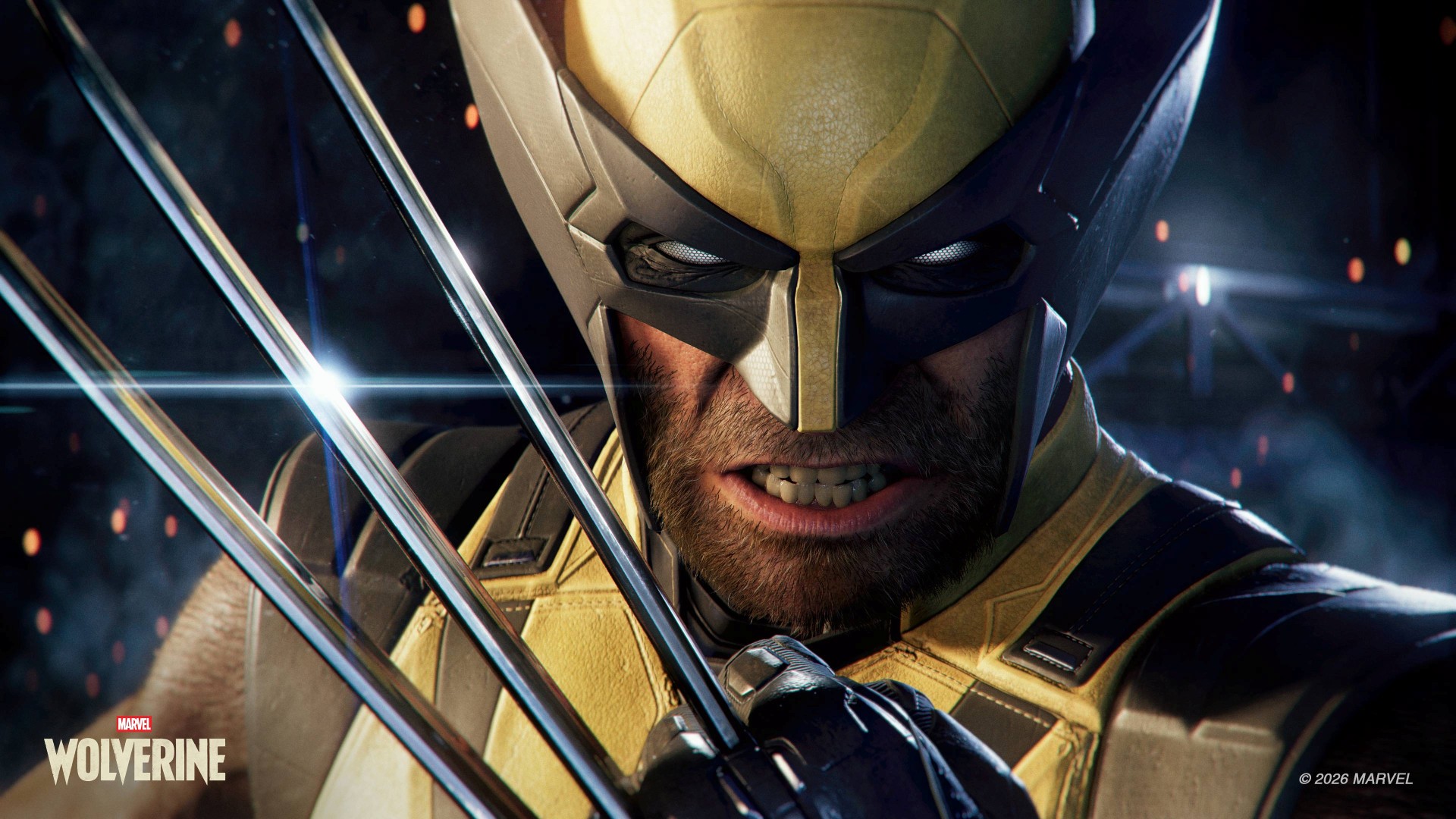
Whether PC players like it or not, Sony’s decision is rooted in business realities rather than platform loyalty. The company spent years experimenting with broader PC support and aggressively pursuing live-service opportunities. Some of those efforts succeeded, while others exposed the limits of trying to expand too far beyond PlayStation’s traditional strengths.
Nishino’s comments suggest Sony believes it has found a more sustainable middle ground. Live-service games will continue reaching the widest possible audience, while major single-player adventures once again become a key reason to own a PlayStation console.
For many fans, that may feel like a return to the philosophy that made PlayStation successful in the first place. After years of chasing new opportunities, Sony appears to be reminding itself, and the rest of the industry, that its biggest competitive advantage was never live-service games or PC ports. It was creating single-player experiences that players simply couldn’t find anywhere else.
MY CAT SCATTERED GAMES asks players to organize 5,798 games and consoles before rescuing a cat trapped inside a claw…
Retro corridor shooter Cop Bastard has partnered with Retrovibe for an October release, accompanied by a faster and more polished…
Keep Driving launches on Switch, PS5 and Xbox Series X|S on September 28 as its PC edition receives official Steam…
Gungrave G.O.R.E: Blood Heat shows its rebuilt combat, including parries, close-range attacks and faster 360-degree movement.
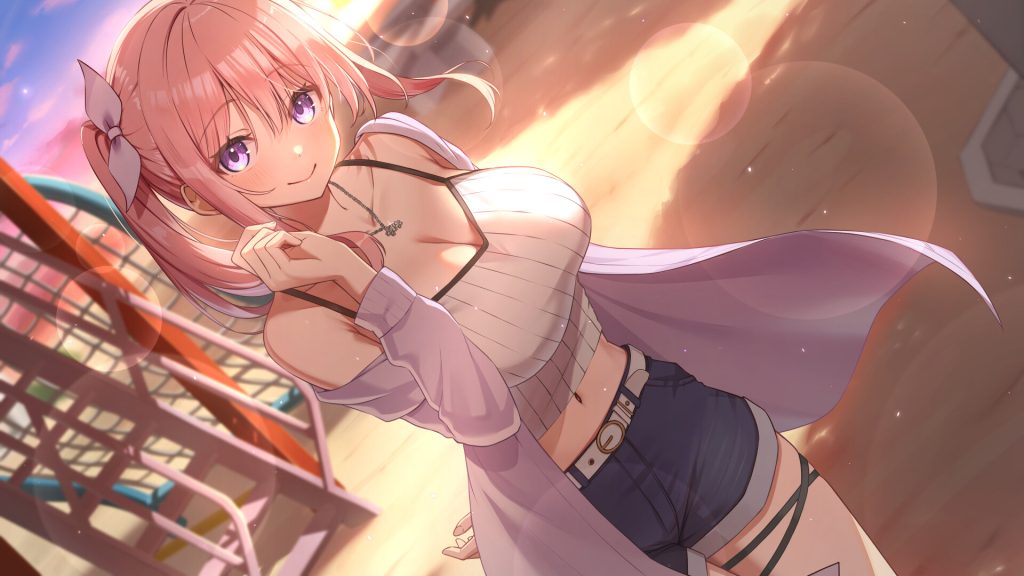
Sugar Lies follows a young man who hates dishonesty and a girl living behind a perfect persona when it launches…
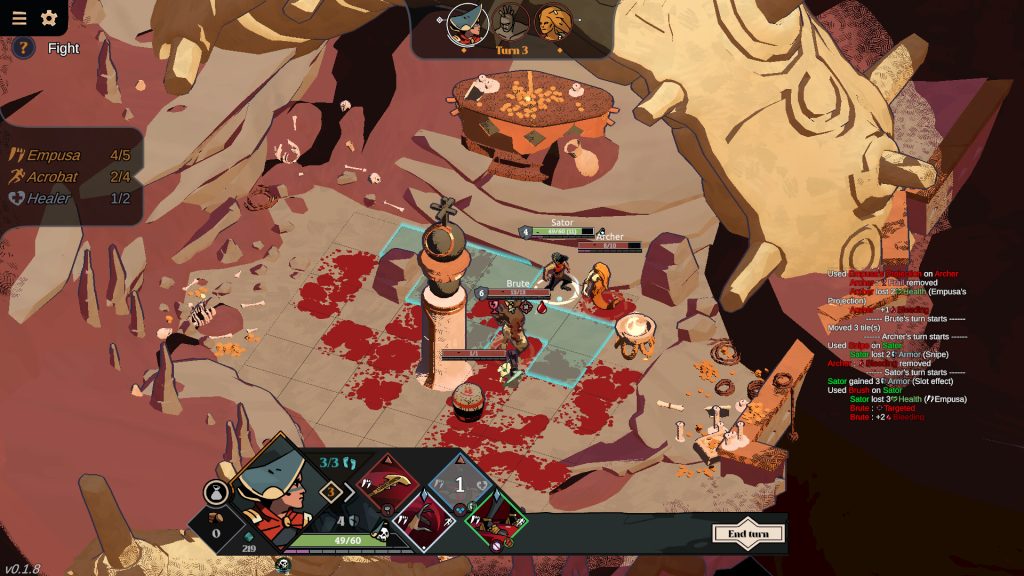
Deified leaves Steam Early Access on September 21 with its narrative ending, final boss floor, balance improvements and hidden content.
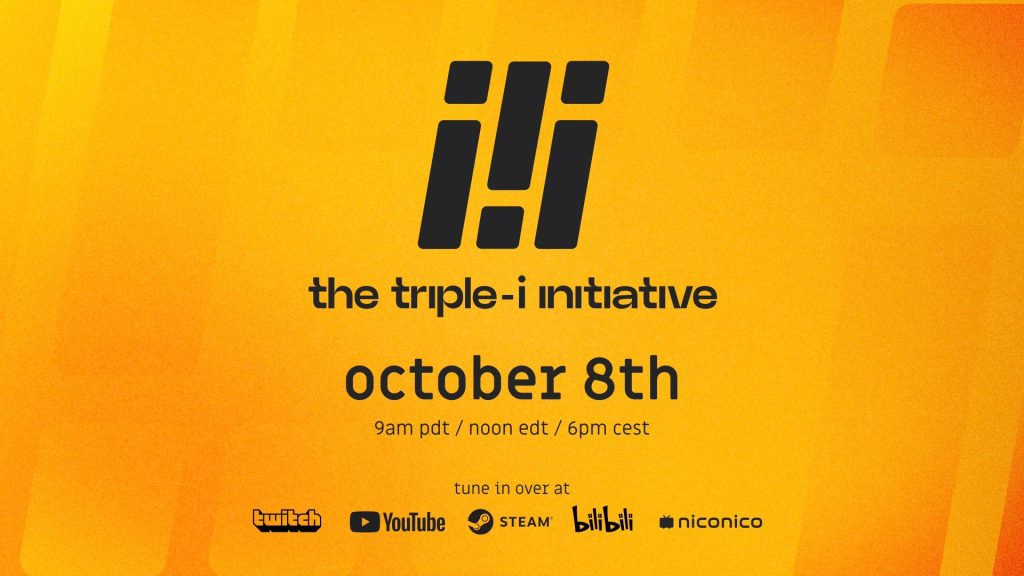
Triple-i Initiative returns October 8 with 40 games, eight world premieres and 45 minutes of trailers, release dates and reveals.
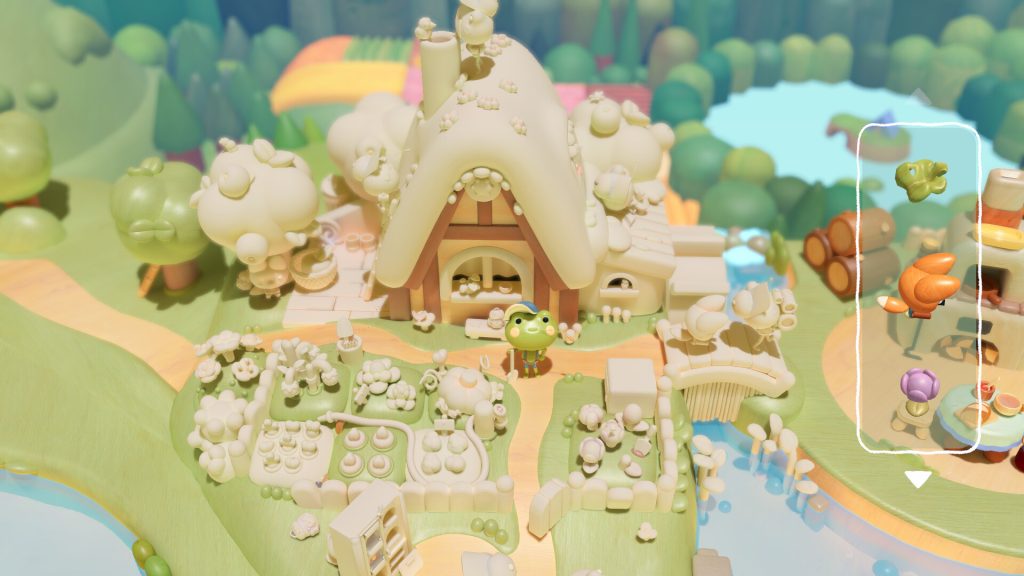
Woodo launches September 16, inviting players to rebuild childhood memories through cozy, handcrafted wooden dioramas.
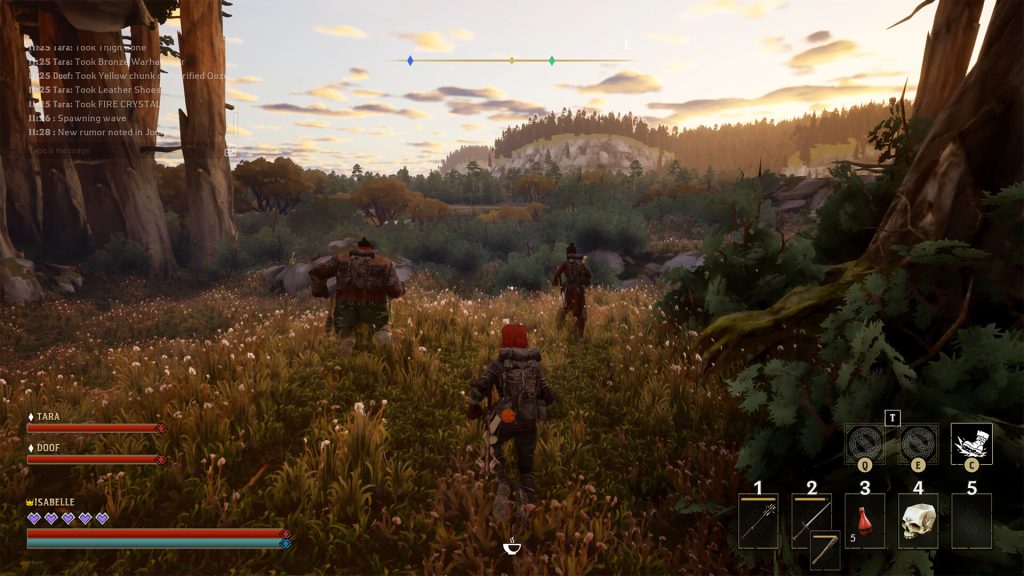
Curve Games signs Wyldheart in one of its biggest recent investments after the co-op RPG surpasses 375,000 Steam wishlists.
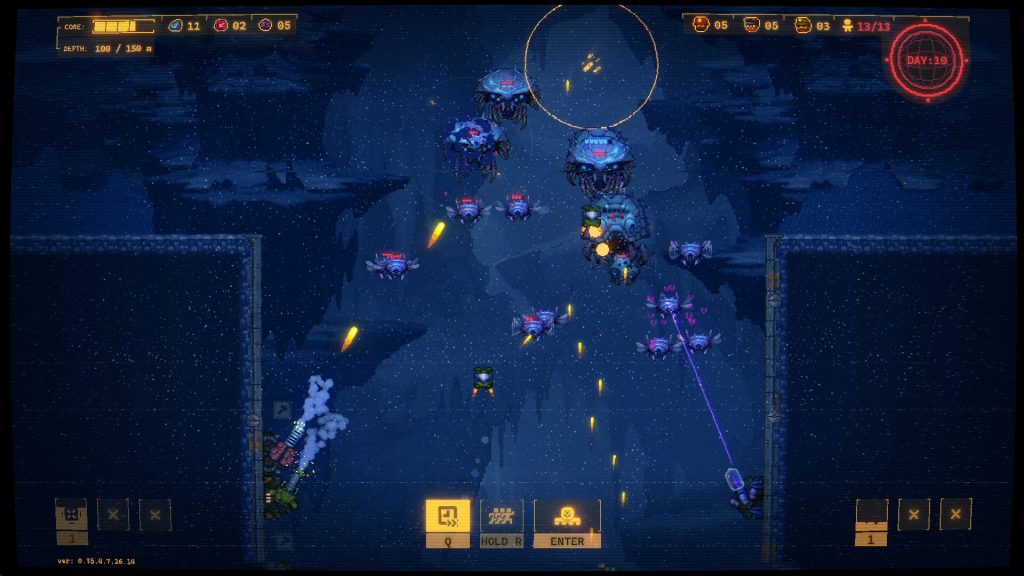
Drill Core’s free Anniversary Update adds Relaxed Mode, new bounties, specialists, platform skins and several quality-of-life improvements.
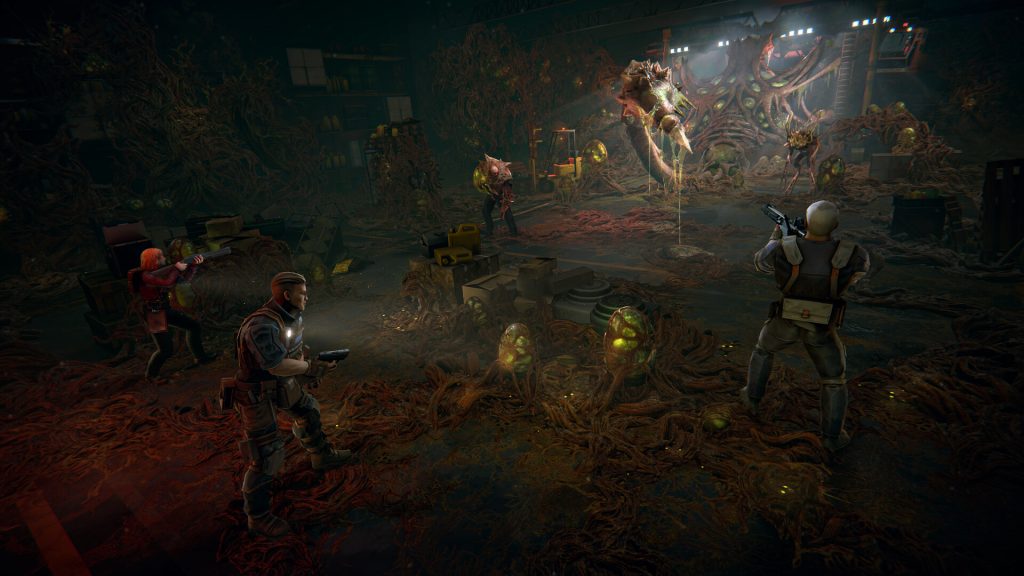
Critical Shift’s free two-hour demo combines real-time exploration with tactical combat inside a compromised Antarctic facility.
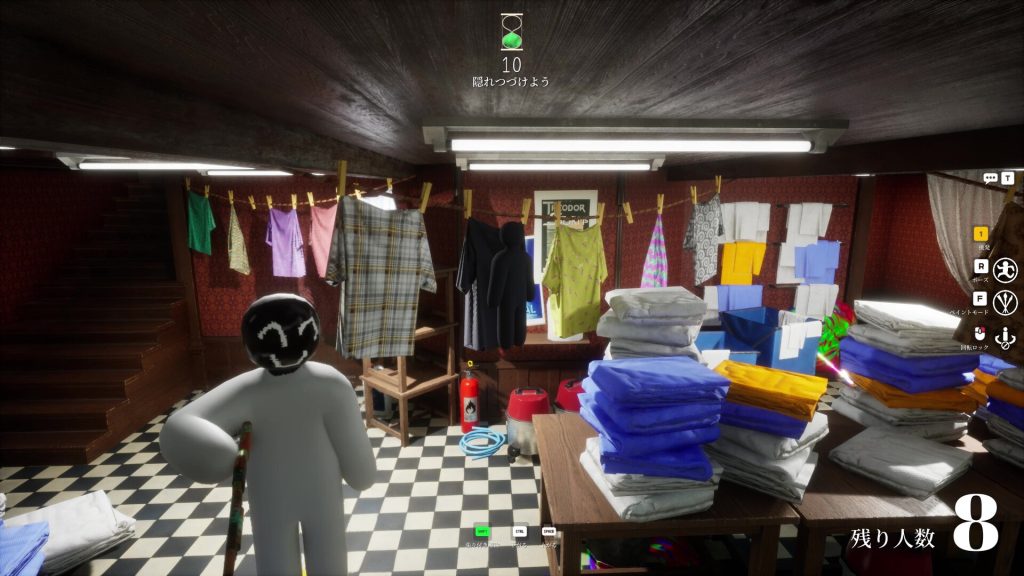
Meccha Chameleon brings its paint-based multiplayer hide-and-seek matches to Nintendo Switch 2 with a temporary $4.79 launch price.
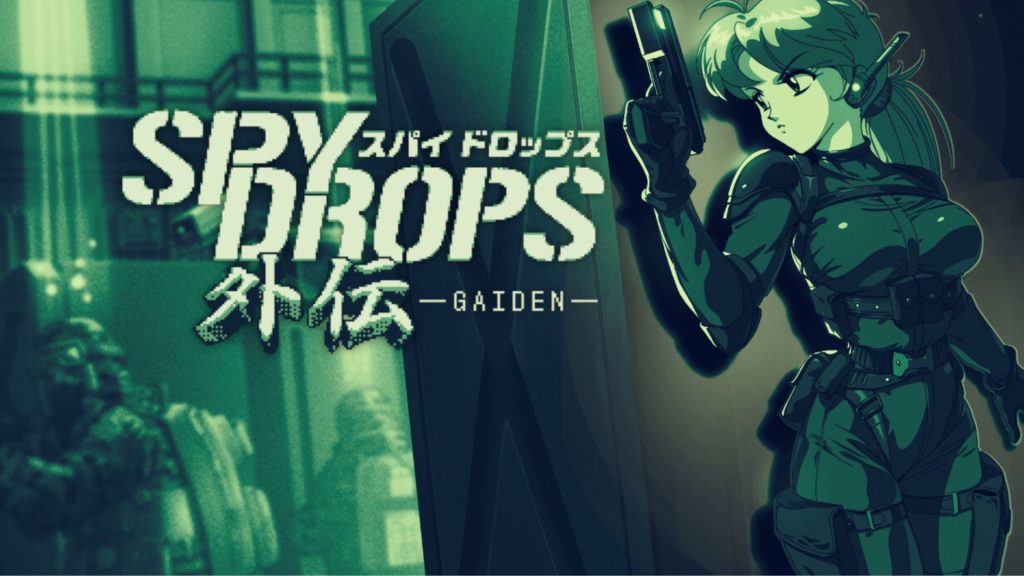
Spy Drops Gaiden brings Game Boy-style stealth, eight covert missions and intel extraction to Steam on October 12 for €4.99.
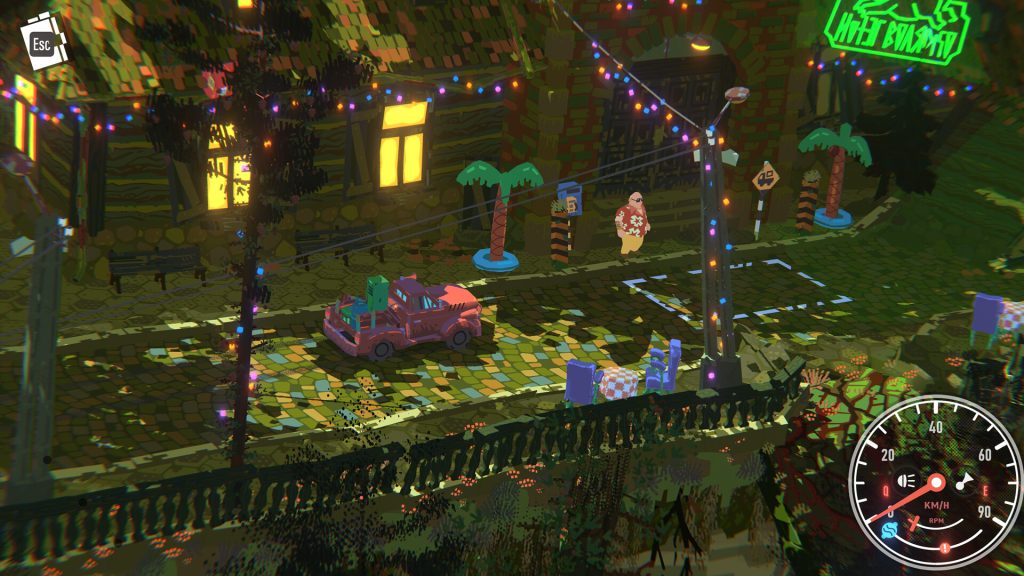
Truckful launches October 9 on Steam and Android, combining physics-based deliveries with vehicle upgrades and a mystery inside an ancient…
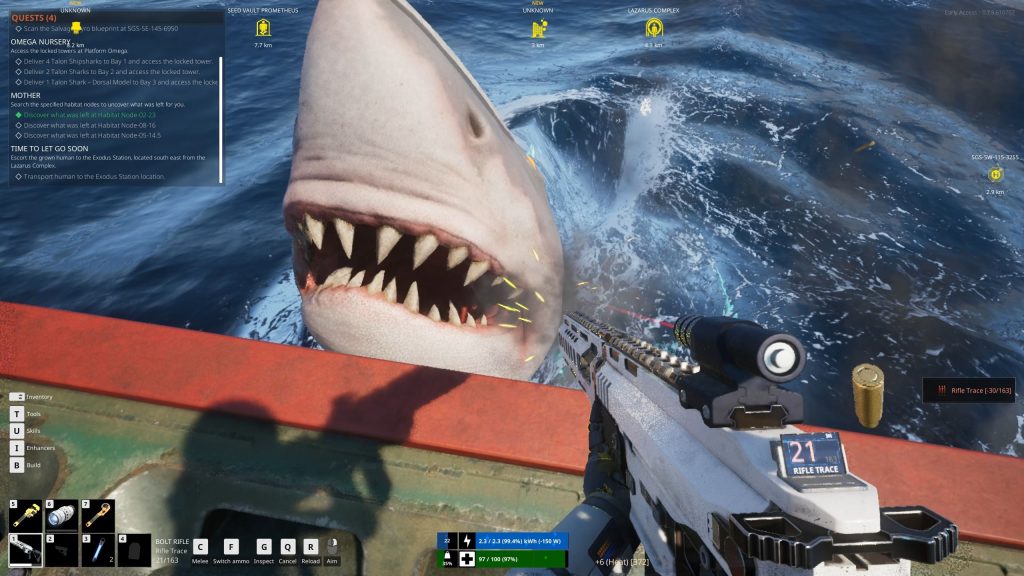
The Last Caretaker reaches version 1.0 in spring 2027 and joins Xbox Game Pass on day one after selling over…
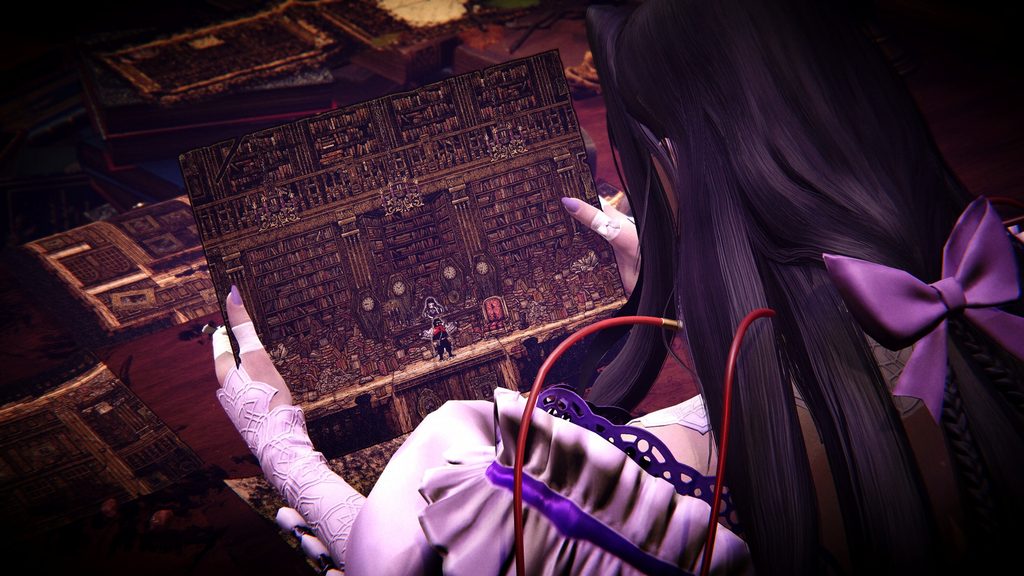
Chronoscript: The Endless End moves to early summer 2027 as DeskWorks! improves combat responsiveness, menus and visual readability.
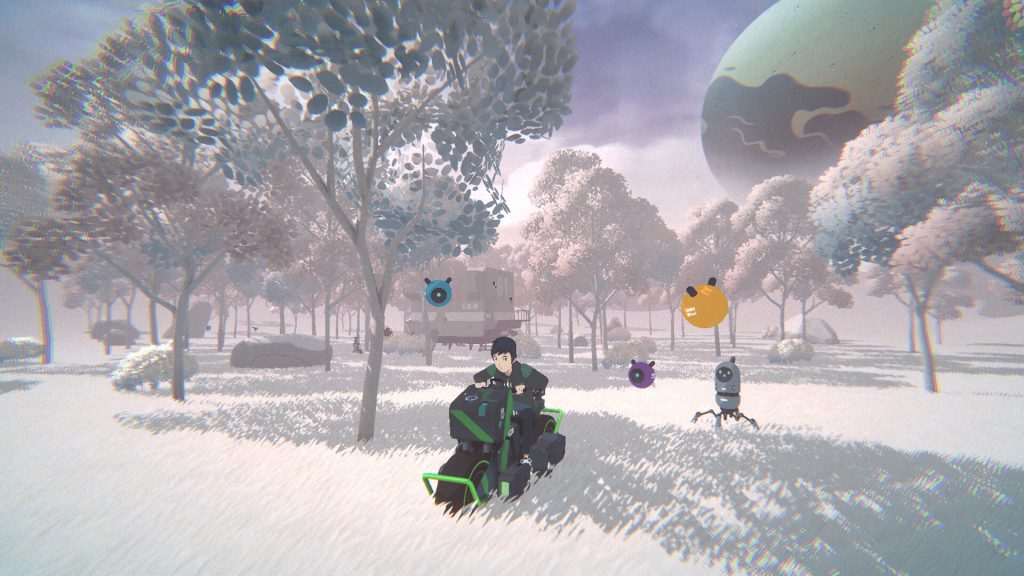
HEIMA is a parallel-world puzzle adventure from former Terra Battle developers, coming to PC in 2028 with SHIFT and HOLD…
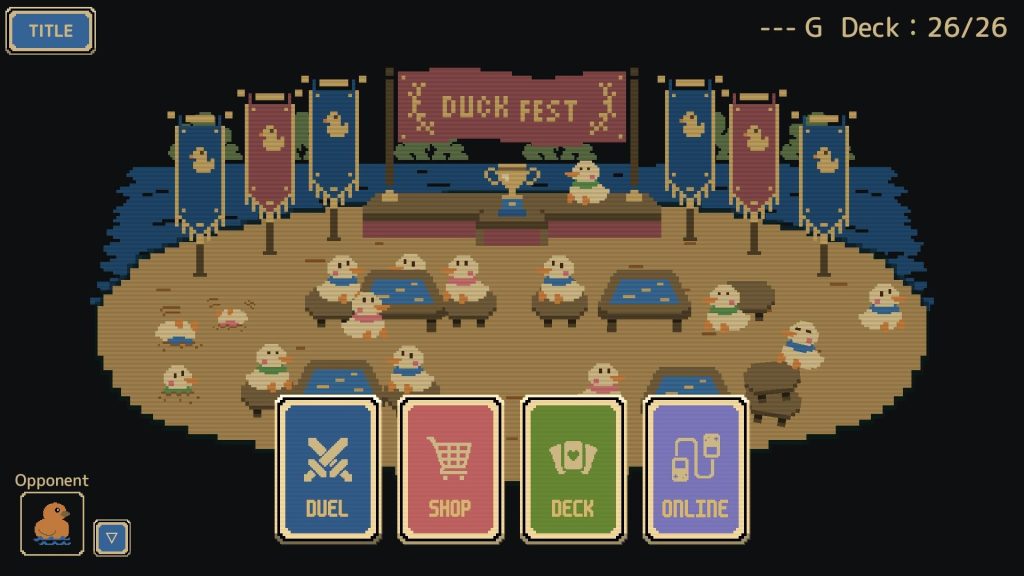
Duck Fest combines deck building and 1v1 battles with collectible cards that players can trade through the Steam Community Market.
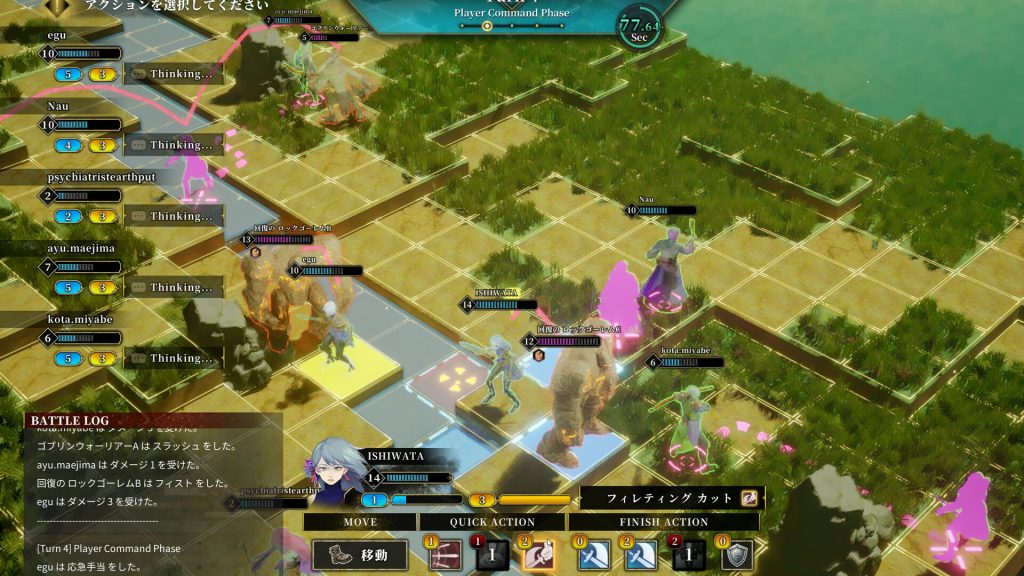
Tactful Tactics is a 1–6-player cooperative RPG where everyone plans and executes their actions simultaneously.
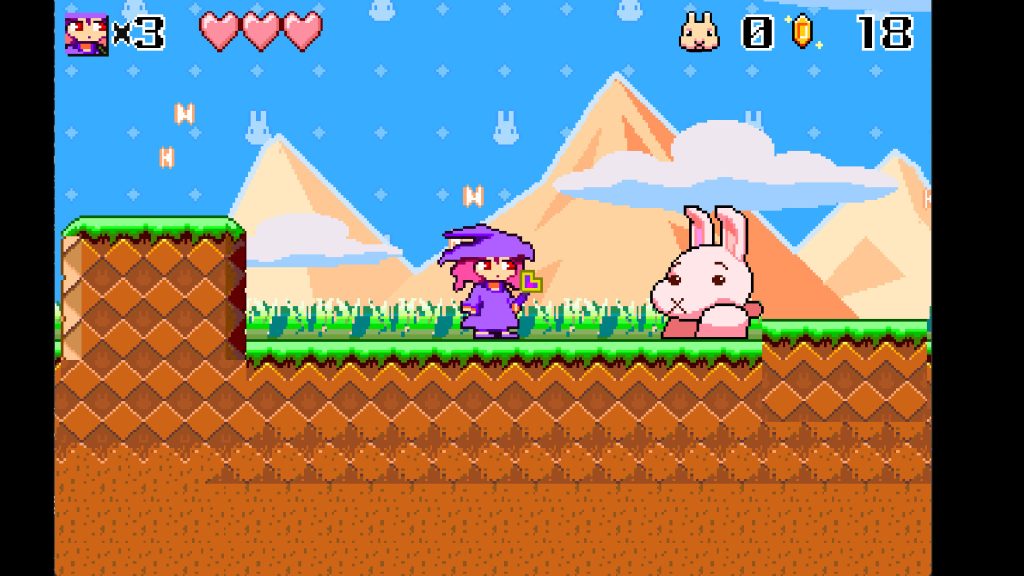
SakuSaku Witch is a retro-inspired 2D platformer about magic, bunny monsters and a suspicious toy company, coming to Steam in…
