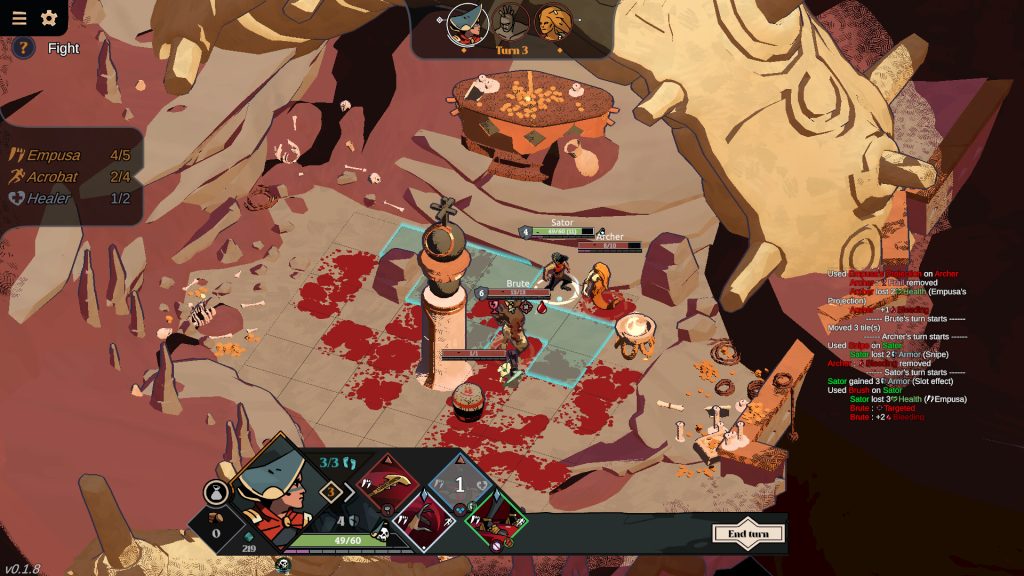
Tactical Roguelite Deified Leaves Early Access Next Week
Deified leaves Steam Early Access on September 21 with its narrative ending, final boss floor, balance improvements and hidden content.


If you enjoy independent indie game coverage, consider supporting Indie-Games.eu on Patreon. It helps keep the site independent.
The term “indie game” has never felt more unclear than it does today. This problem has become obvious with the huge success of Clair Obscur: Expedition 33, which earned 12 nominations at The Game Awards 2025, the most in the event’s history. Despite this, people are arguing about whether it should even count as an “indie” game.
The core issue is that the definition of independent has evolved so rapidly that the original meaning is now useless, leading to widespread confusion and frustration in the gaming community.



The rise of specialized independent publishers further complicates the matter. The concept of an “indie” award becomes challenging when the criteria of having “no publisher” is technically obsolete, as most successful indies now partner with smaller-scale publishers. This raises a difficult question: where is the line between a specialized publisher like Devolver Digital and a major one like Electronic Arts?
Unlike the film and music industries, where the “major studio” cutoff was historically clear, the video game industry is younger, and its giants are less entrenched. Because funding deals may involve money from Sony or Microsoft without official “major studio” involvement, the industry lacks a clear, agreed-upon threshold for what constitutes a “major” publisher.
The ongoing arguments about nominated games, especially at events like The Game Awards where titles from big companies get instant attention online, show we urgently need clearer rules. Terms like AAA, AA, and Indie have always been flexible and casual. However, the word “indie” is now almost useless. Without a common agreement on what counts as a small budget, a small team, or a “major” financial supporter, the “indie” label will keep causing confusion and frustration instead of actually helping to group games.
Deified leaves Steam Early Access on September 21 with its narrative ending, final boss floor, balance improvements and hidden content.
Triple-i Initiative returns October 8 with 40 games, eight world premieres and 45 minutes of trailers, release dates and reveals.
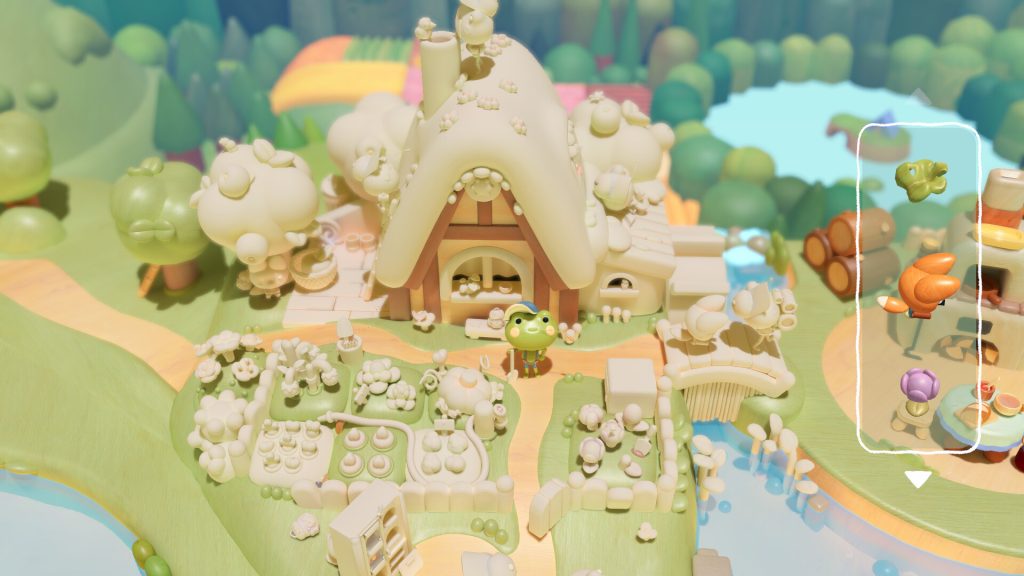
Woodo launches September 16, inviting players to rebuild childhood memories through cozy, handcrafted wooden dioramas.
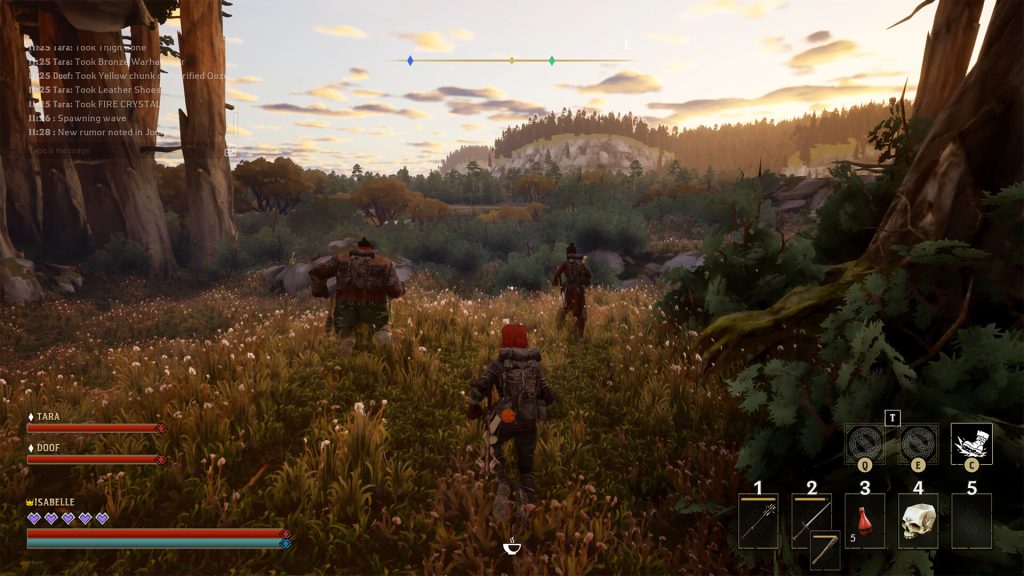
Curve Games signs Wyldheart in one of its biggest recent investments after the co-op RPG surpasses 375,000 Steam wishlists.
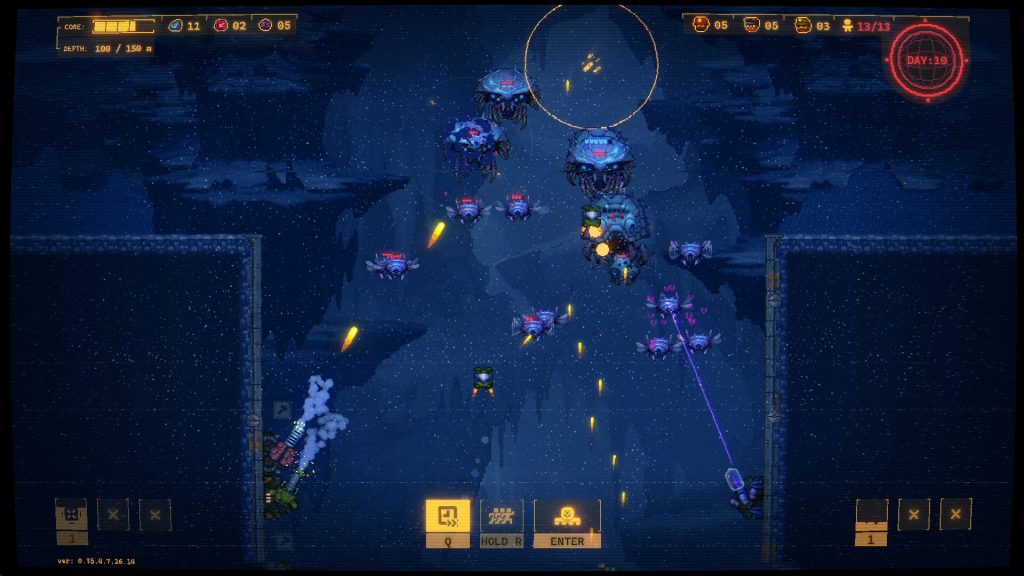
Drill Core’s free Anniversary Update adds Relaxed Mode, new bounties, specialists, platform skins and several quality-of-life improvements.
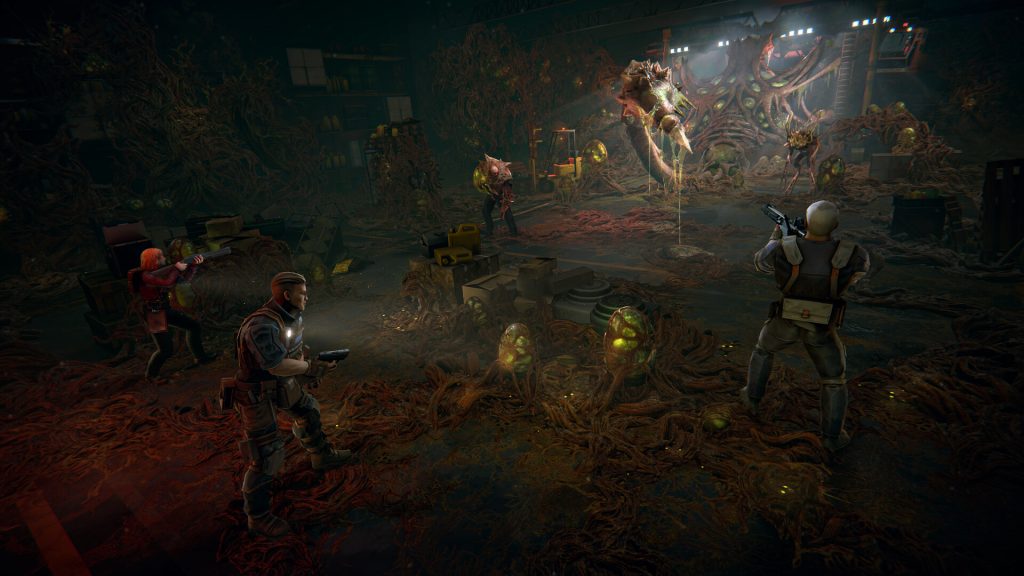
Critical Shift’s free two-hour demo combines real-time exploration with tactical combat inside a compromised Antarctic facility.
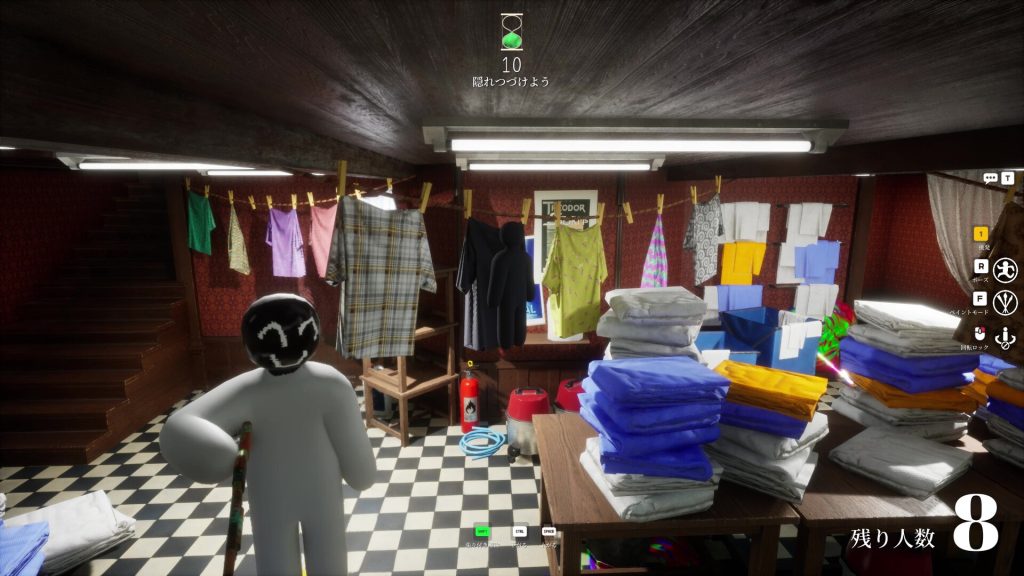
Meccha Chameleon brings its paint-based multiplayer hide-and-seek matches to Nintendo Switch 2 with a temporary $4.79 launch price.
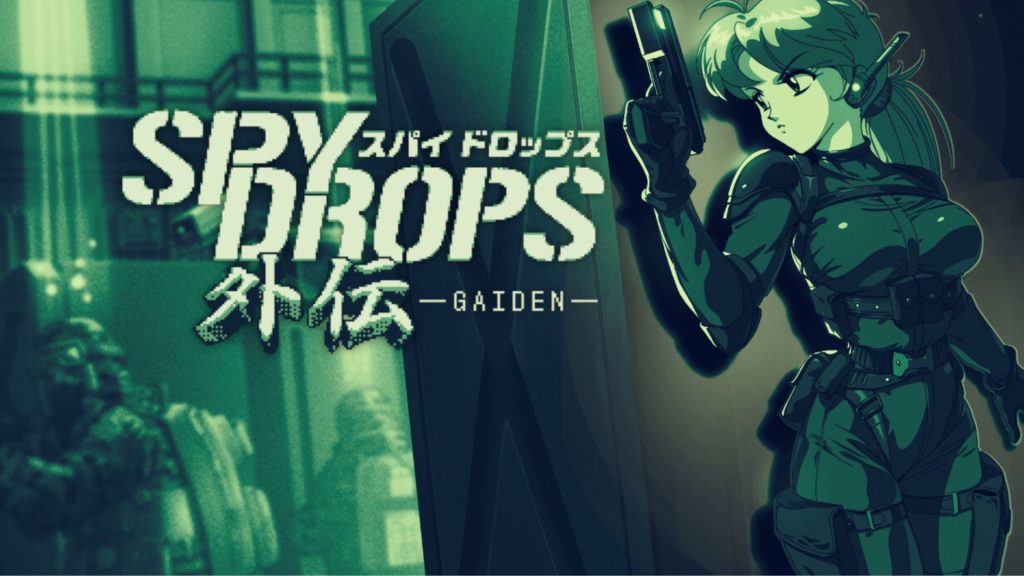
Spy Drops Gaiden brings Game Boy-style stealth, eight covert missions and intel extraction to Steam on October 12 for €4.99.
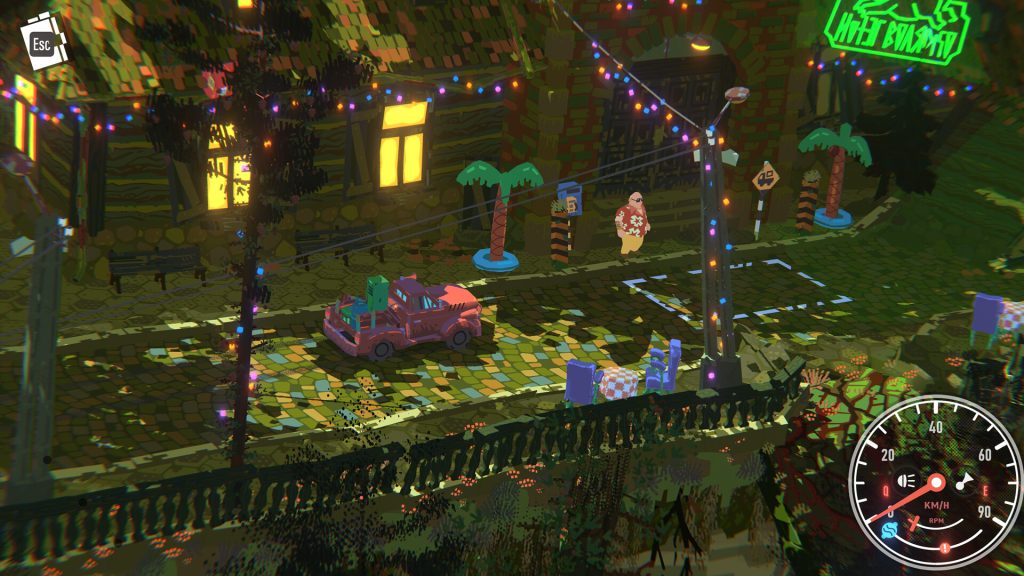
Truckful launches October 9 on Steam and Android, combining physics-based deliveries with vehicle upgrades and a mystery inside an ancient…
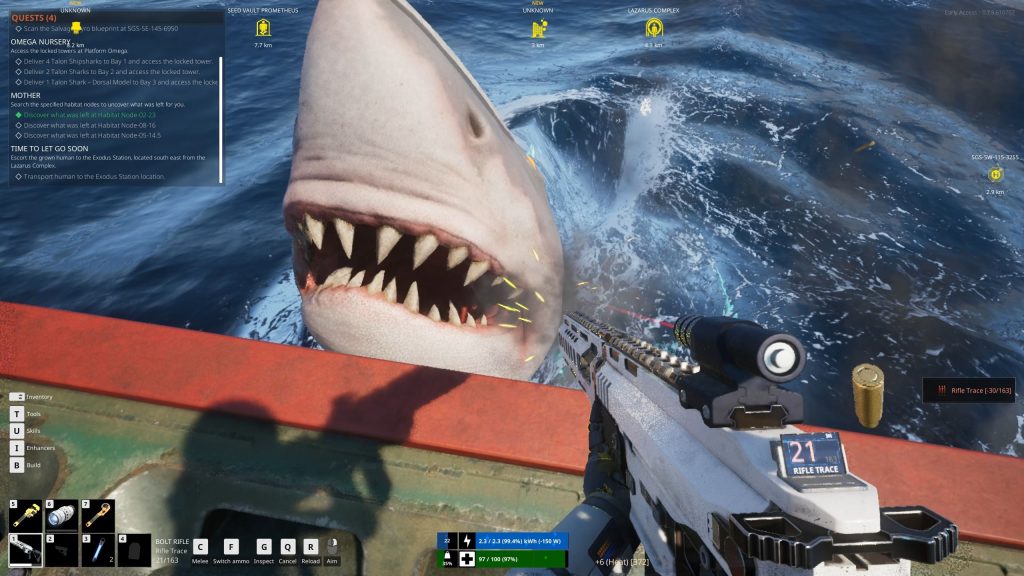
The Last Caretaker reaches version 1.0 in spring 2027 and joins Xbox Game Pass on day one after selling over…
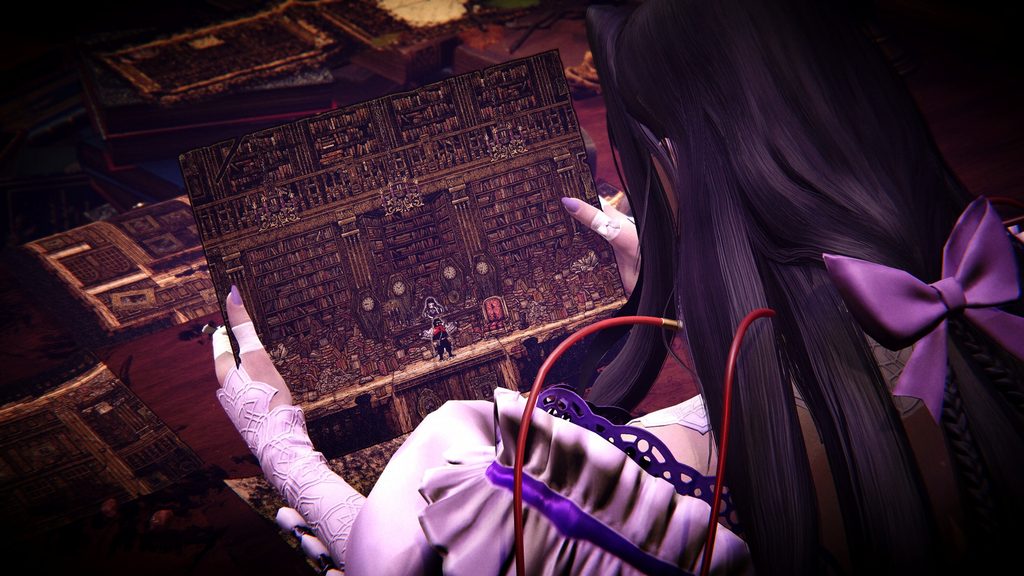
Chronoscript: The Endless End moves to early summer 2027 as DeskWorks! improves combat responsiveness, menus and visual readability.
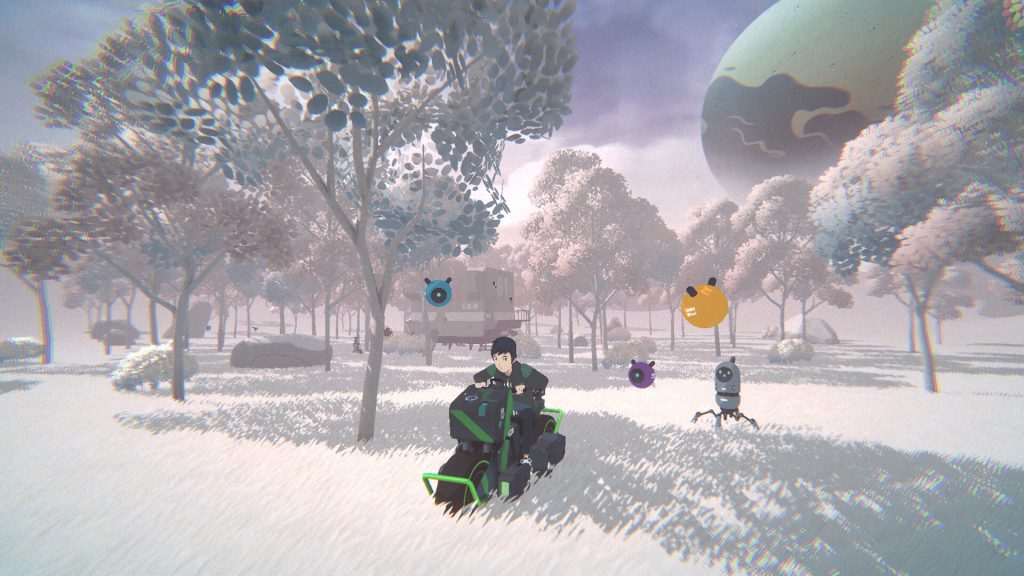
HEIMA is a parallel-world puzzle adventure from former Terra Battle developers, coming to PC in 2028 with SHIFT and HOLD…
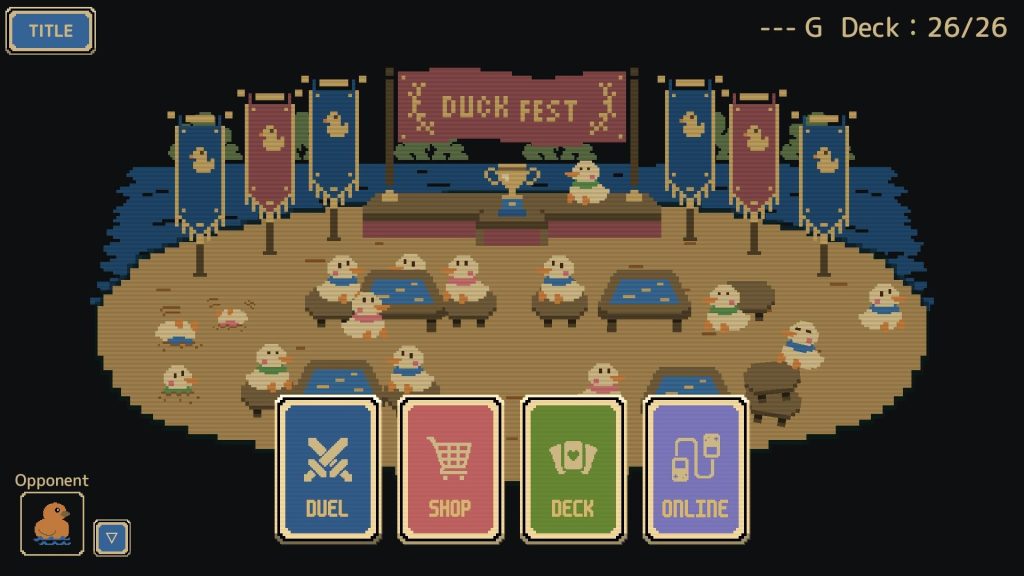
Duck Fest combines deck building and 1v1 battles with collectible cards that players can trade through the Steam Community Market.
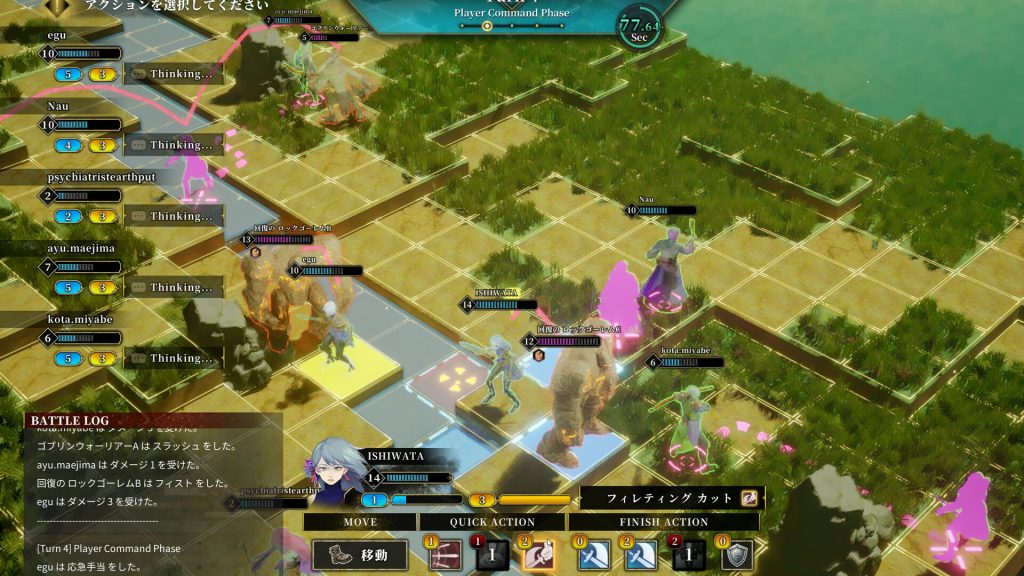
Tactful Tactics is a 1–6-player cooperative RPG where everyone plans and executes their actions simultaneously.
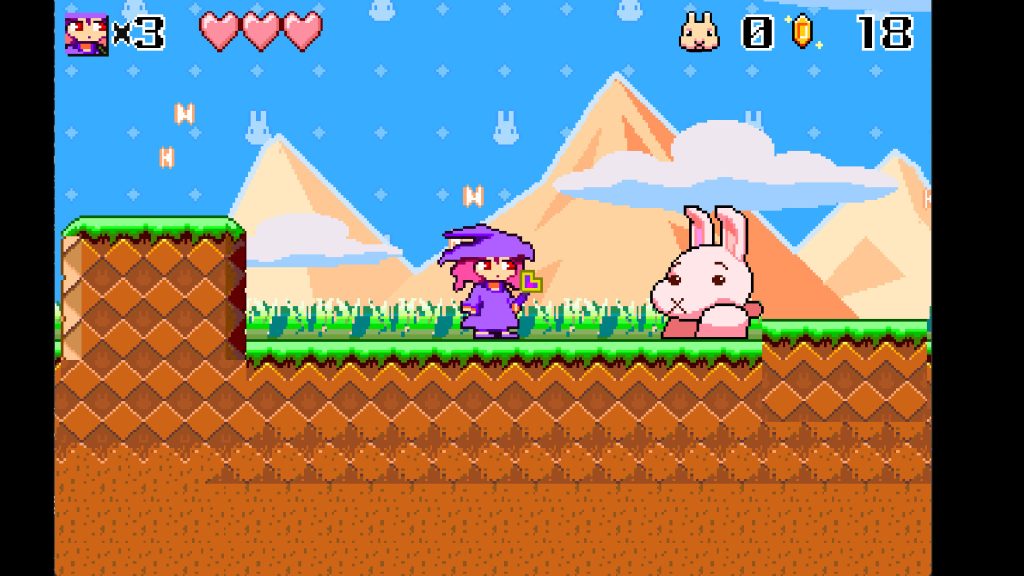
SakuSaku Witch is a retro-inspired 2D platformer about magic, bunny monsters and a suspicious toy company, coming to Steam in…
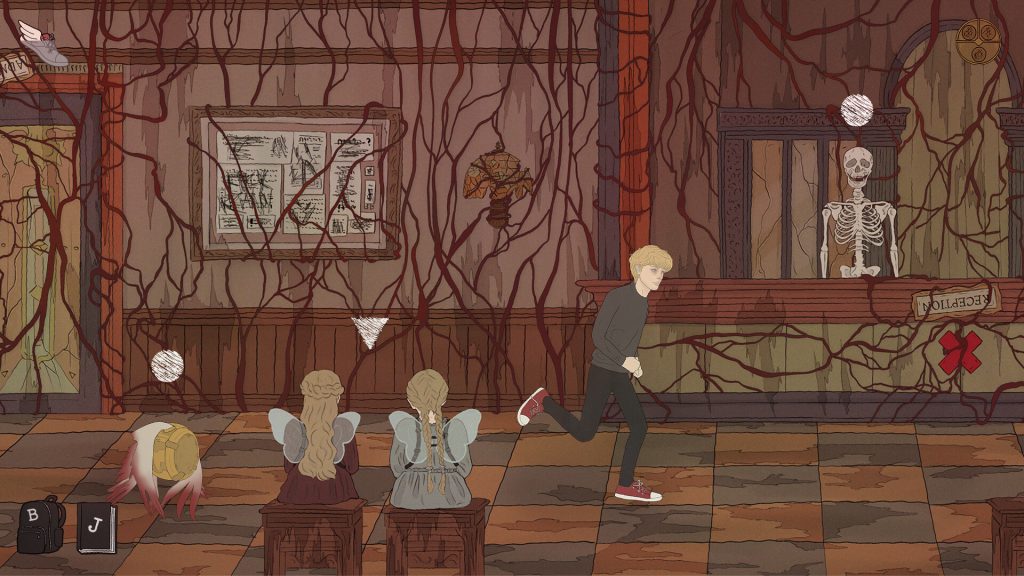
Hand-drawn psychological horror game DEPERSON earns Gamescom and BIC recognition ahead of its planned Q4 2026 Steam release.
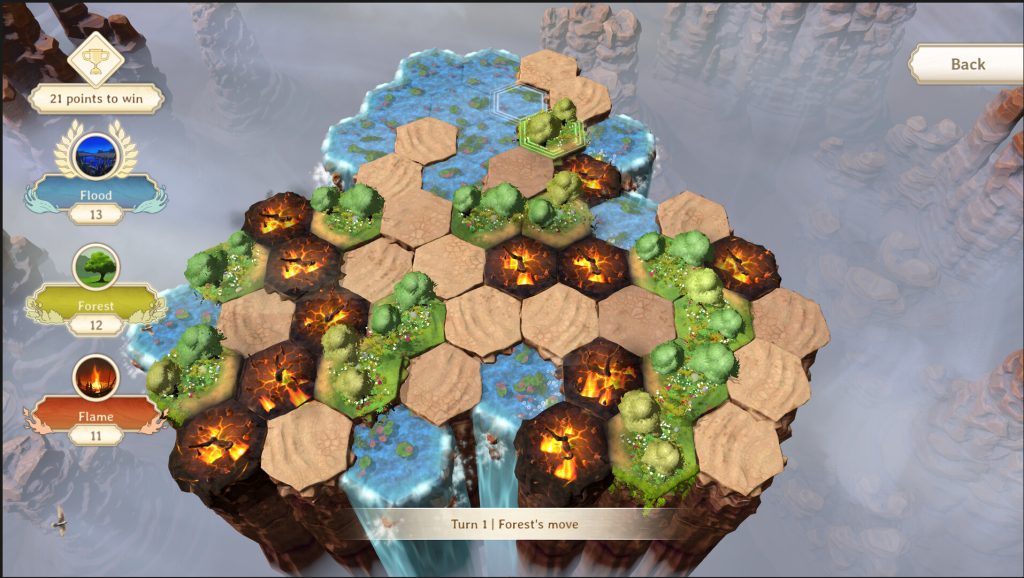
Cozy strategy game Flame, Forest & Flood will challenge GTA VI by deliberately launching on November 19, 2026.
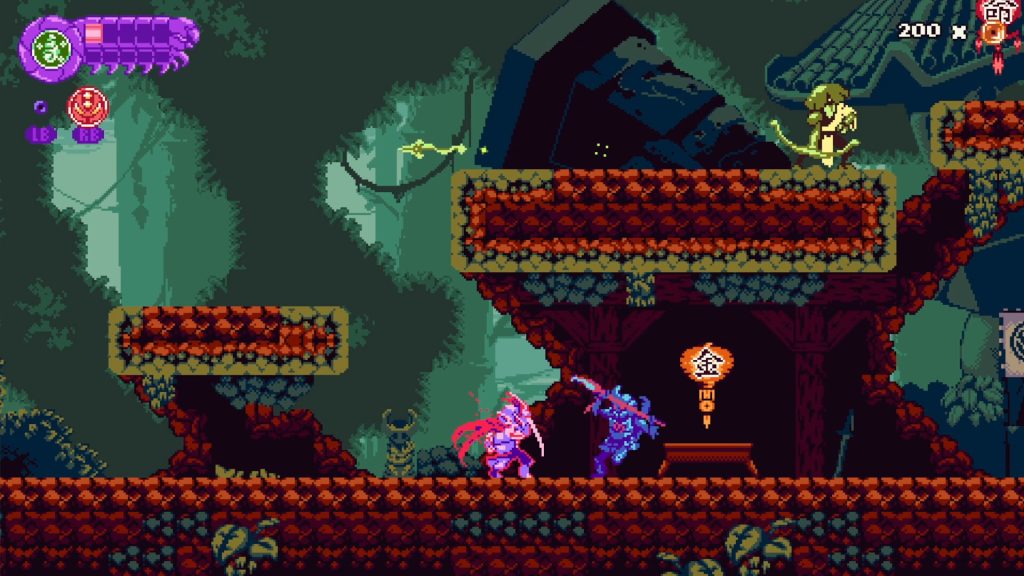
Akupara launches Kallisti Games, a service-first indie label for retro and experimental PC titles, with AOKAKI as its first project.
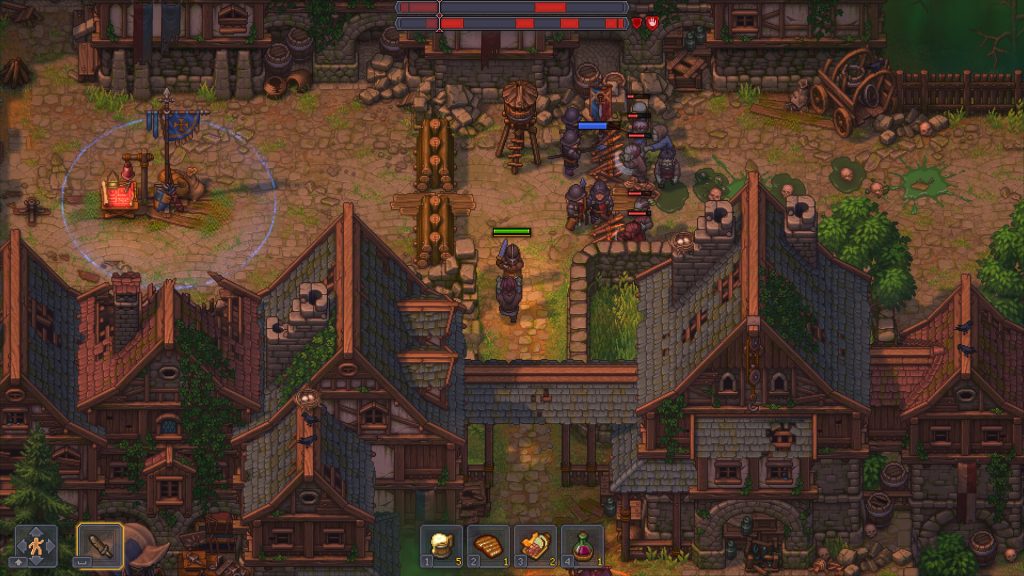
Graveyard Keeper 2 has earned $1.53 million from Steam pre-orders, with 87,500 copies sold and more than 814,000 active wishlists.
Guardians of the Wall shows chaotic co-op combat, roguelite progression and evolving world events ahead of its planned Q1 2027…
