Fire Emblem Awakening Retro Review – Unfulfilled Potential
Awakening is worth playing if you enjoy developing characters, experimenting with tactical partnerships, and shaping an army over a massive…

If you enjoy independent indie game coverage, consider supporting Indie-Games.eu on Patreon. It helps keep the site independent.
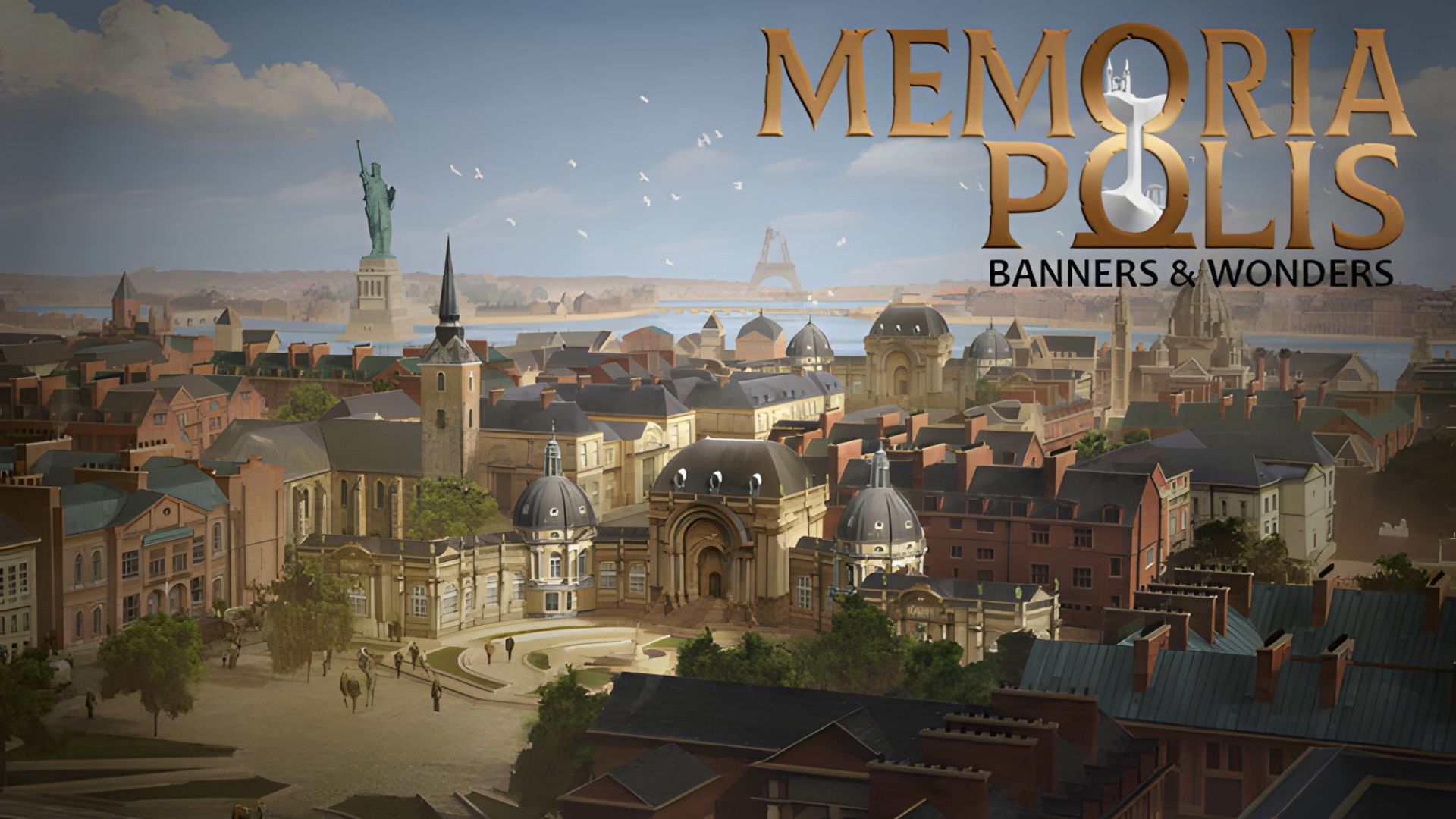
Memoriapolis has just received its massive “Banners and Wonders” update, released alongside the game’s one-year anniversary. Even without playing the original version, it is obvious this patch completely changes the game’s structure. From what I’ve seen, progression previously relied heavily on timers and cyclical objectives. Now, the new Wonder system gives each campaign a much stronger long-term goal.
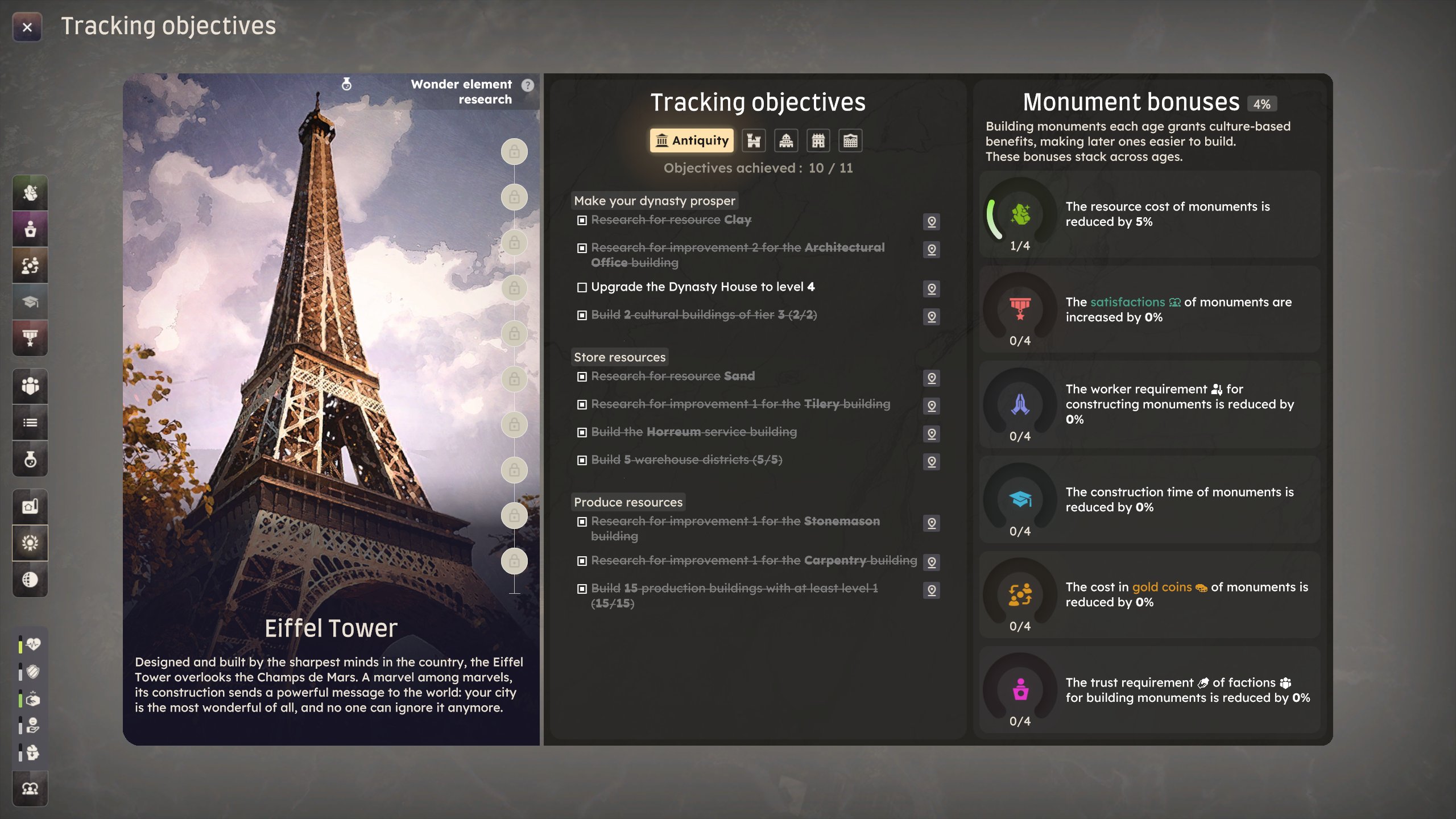
The addition of Wonders such as the Eiffel Tower, Neuschwanstein Castle, and Statue of Liberty gives every playthrough a tangible objective beyond simply surviving through each age. Instead of endlessly managing systems for efficiency alone, there is finally a stronger sense of purpose behind your city’s development.
At the same time, I do wish there were more Wonders overall. Since campaigns can last between five and ten hours, the limited number of major Wonders across five ages can make progression feel stretched out. The system improves the game’s structure significantly, but it also highlights how much more variety could eventually be added.
What makes Memoriapolis stand out from other city builders is its approach to construction. You are not directly placing every single house or street yourself. Instead, the game focuses on organic city growth. You place important structures such as production buildings, landmarks, and services, while the city develops around them automatically. It creates a very different style of city-building where you guide development rather than fully controlling it.
The update also improves several frustrating mechanics from the original version. Buildings no longer decay between ages, cycle limitations have been removed, and attrition systems are far less punishing overall. The game simply feels much smoother and less restrictive now.
One area I still have mixed feelings about is the faction system. Factions now play a much larger role in politics and city management, with their own personalities, grudges, and evolving interests. They react to laws, decisions, and even carry influence across generations.
On paper, this sounds incredibly interesting, and in some ways it is. You can bribe factions, negotiate with them, and manipulate laws in their favor. Unfortunately, I often found these mechanics more tedious than engaging. The negotiation system especially felt cumbersome, to the point where I sometimes ignored it entirely. I appreciate the deeper political simulation, but I never found it as interesting as the city-building itself.
The game also introduces a new dynastic house system that replaces the previous multiple city-center structure. This gives your civilization a stronger identity and makes progression easier to follow. Expanding across rivers and slowly building new districts feels far more cohesive now.
Technology and building progression are another major improvement. Buildings now unlock through interconnected production chains and faction development rather than automatically appearing. This creates a stronger sense of progression because every age introduces new buildings, upgrades, and strategic possibilities.
Expansion is also carefully paced through observatory systems that gradually extend your city’s reach. Instead of instantly creating massive settlements, your civilization slowly grows outward as you unlock new technologies. This pacing works very well because it makes each expansion feel meaningful.
Monuments and Wonders now provide important gameplay bonuses as well. They can reduce construction costs, improve citizen satisfaction, accelerate production, and strengthen systems such as research or taxation. They feel strategically important rather than purely cosmetic.
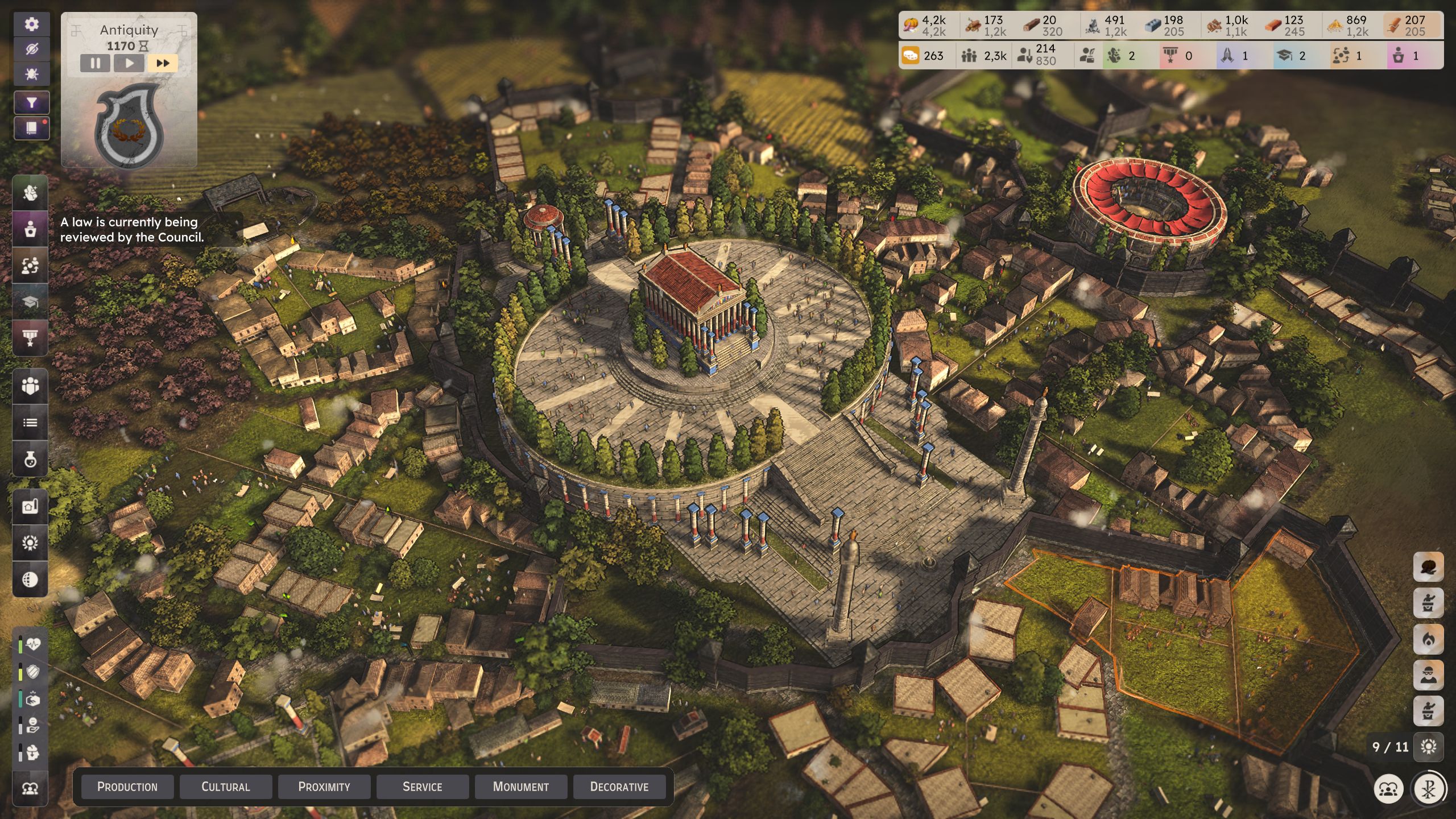
The update also adds difficulty customization, randomized factions, multiple maps, weather systems, animated buildings, banners, denser housing districts, and many visual improvements that make cities feel far more alive. Watching your civilization evolve from Antiquity into later eras is genuinely satisfying.
Unfortunately, these upgrades come with a noticeable performance cost. My PC genuinely struggled at times, especially during larger cities in later ages. Anyone interested in the game should definitely check the system requirements carefully.
Even though the update dramatically improves the experience, I still feel like many of these systems should have existed at launch. In many ways, Banners and Wonders feels less like a normal content update and more like a complete redesign of the original game.
The deeper you progress into later ages, the more overwhelming the game becomes. Early city management feels intuitive, but eventually the growing number of resources, production chains, warehouses, and faction systems becomes cumbersome. Warehouses especially became one of my biggest frustrations because resource management grows increasingly tedious over time.
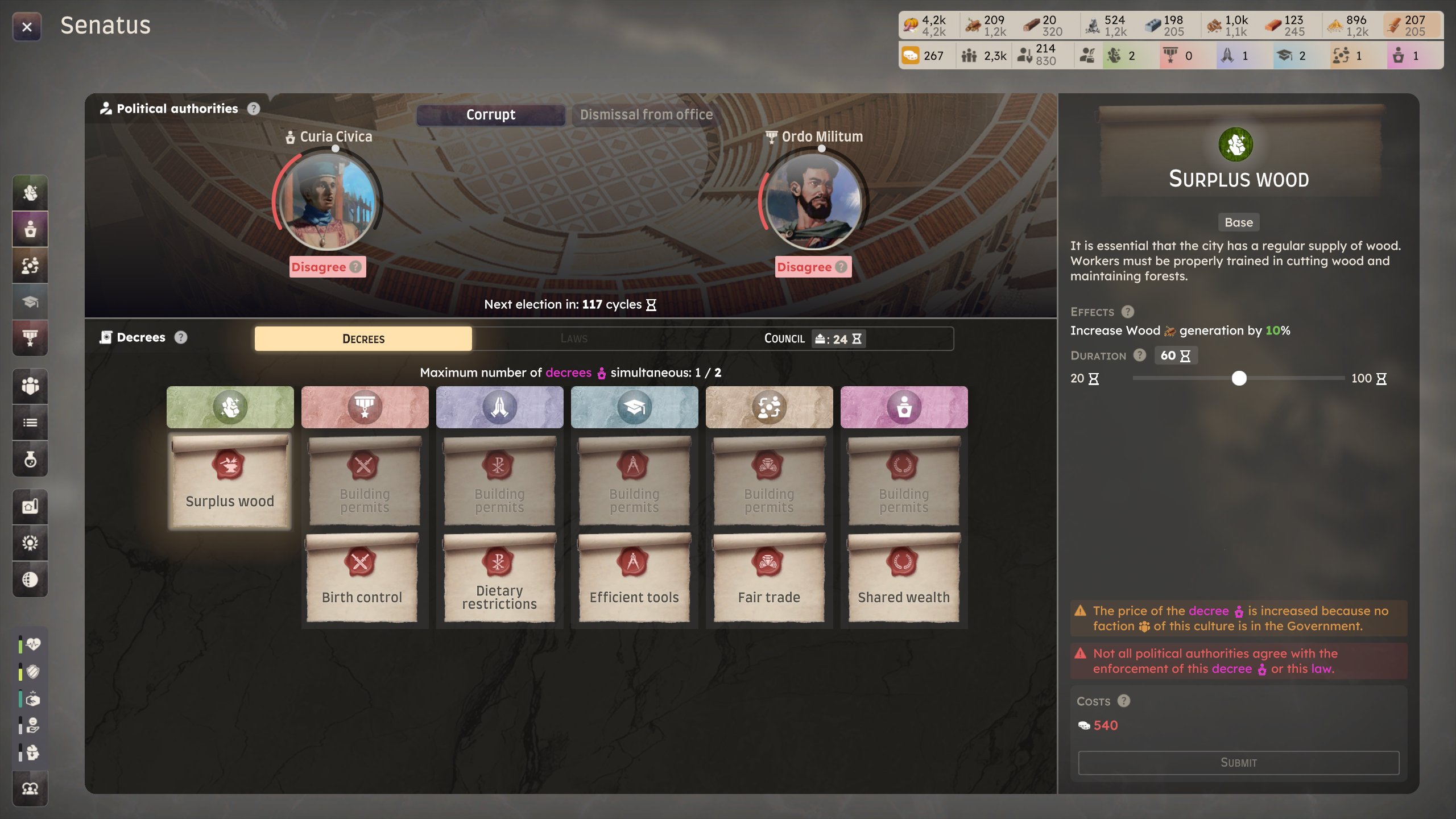
This is ultimately where Memoriapolis sits for me: somewhere between a really strong city builder and a game that still feels like it is missing something important. There is a lot to admire here. Watching your city evolve across five historical ages is genuinely satisfying, and the organic growth system gives the game a unique identity within the genre. At the same time, some mechanics feel overly complicated without adding meaningful depth.
The tutorial system also does not help much. Most explanations are delivered through encyclopedia-style pop-ups and large text blocks, which can initially feel overwhelming. Thankfully, the game becomes easier to understand simply through playing, and production chains are fairly intuitive once you start experimenting.
In the end, I do think Memoriapolis is worth recommending for city-builder fans, especially those who enjoy political simulation elements alongside organic city management. The Banners and Wonders update undeniably improves the experience and gives the game a much stronger sense of progression and identity. However, while the game has many excellent systems, it still lacks that one truly special element that makes you want to keep returning for multiple long campaigns. It is a very good city builder with ambitious ideas, but one that still feels like it is searching for its defining spark.
Memoriapolis is a good, ambitious city builder that has been significantly improved by its complete redesign update, but still struggles with performance, tedious political systems, overwhelming late-game complexity, and a missing “defining spark” that would make it truly special. For fans of organic city builders and political simulation, it is worth recommending, but with caveats about performance and faction systems.
Ending Thoughts
Review copy provided by the publisher
Awakening is worth playing if you enjoy developing characters, experimenting with tactical partnerships, and shaping an army over a massive…

Duskfade is worth considering for players who miss colourful PS2-style action-platformers and can tolerate basic combat, floaty movement and backtracking.

Man I Just Wanna Go Home is a noir crime story with visuals from MS Paint and life-or-death choices.
![[GAMESCOM 2026] Vikings Dynasty Preview – Expands the Dynasty Formula](https://www.indie-games.eu/wp-content/uploads/2026/09/Viking-Dynasty-09-21-26-2-1024x576.jpg)
After showing me Prospera at Gamescom 2026, Toplitz Productions' Mathias Oertel moved to a very different kind of settlement builder.…
![[GAMESCOM 2026] Prospera Preview – Production, Prosperity and Victorian Industry](https://www.indie-games.eu/wp-content/uploads/2026/09/Prospera-09-21-26-5-1024x576.jpg)
At Gamescom 2026, I met with Toplitz Productions' Mathias Oertel for a guided presentation of two upcoming games. One of…
Golden Swirl inventive card combat carries the experience, but repetitive rooms, weak upgrades and excessive dialogue hold it back.
![[GAMESCOM 2026] Wilderdark Preview – Ambitious Dinosaur Horror Game That Still Has Plenty to Prove](https://www.indie-games.eu/wp-content/uploads/2026/09/Wilderdark-1024x576.jpg)
Dinosaur survival horror game Wilderdark has one of those premises that immediately makes you wonder why more games have not…
![[PREVIEW] Tiny Metal 2 – Strategy Game That Wants You to Learn From Every Mistake](https://www.indie-games.eu/wp-content/uploads/2026/09/Tiny-Metal-2-1024x576.jpg)
I rarely enjoy discovering that my opening strategy was completely wrong, but Tiny Metal 2 made that process one of…
![[PREVIEW] Remothered: Red Nun’s Legacy – Ambitious Survival Horror That Needs More Polish](https://www.indie-games.eu/wp-content/uploads/2026/09/Remothered-Red-Nuns-Legacy-4-1024x576.jpg)
Remothered: Red Nun’s Legacy has a gripping atmosphere and promising survival tools, but its repetitive hiding and rough visuals need…
The Alighieri Circle: Dante’s Bloodline is difficult to recommend beyond players who are especially interested in Dante or enjoy solving…
Orc Incremental offers satisfying progression, entertaining totem combinations and enough content to justify its affordable price.
![[GAMESCOM 2026] Chronoscript: The Endless End Preview – Beautiful Pages Hide Deliberate Combat](https://www.indie-games.eu/wp-content/uploads/2026/09/Chronoscript-The-Endless-End-1-1024x576.jpg)
Chronoscript: The Endless End stands out from other Metroidvanias by blending 2D manuscript worlds with exploration inside a 3D manor.
![[GAMESCOM 2026] MegaGum Preview – Combat Hits Hard in This Sticky Platforming Adventure](https://www.indie-games.eu/wp-content/uploads/2026/09/MegaGum-09-09-26-5-1024x576.jpg)
MegaGum combines hard-hitting combat, varied weapons and Gum-powered platforming in a promising Gamescom 2026 demo.
![[GAMESCOM 2026] Delphinium Preview – Cozy Routine Mixed With Enjoyable Minigames](https://www.indie-games.eu/wp-content/uploads/2026/03/Delphinium--1024x665.jpg)
Delphinium mixes cozy farming, exploration and relationships with enjoyable fishing, cooking and forging minigames in its Gamescom 2026 demo.
Lady Death: Demonicron looks the part, but underneath its excellent comic-book exterior is a clunky and painfully short brawler.
![[GAMESCOM 2026] Tomb Raider: Legacy of Atlantis Preview – Expands the Original Without Losing Its Identity](https://www.indie-games.eu/wp-content/uploads/2026/09/tomb-raider-legacy-of-atlantis-06-02-26-1-1024x576.jpg)
Tomb Raider: Legacy of Atlantis brings Lara back to her roots, but its Gamescom 2026 showing proved this is far…
![[GAMESCOM 2026] Clive Barker’s Hellraiser: Revival Preview – Ready to Open the Box](https://www.indie-games.eu/wp-content/uploads/2026/09/Clive-Barkers-Hellraiser-Revival-08-30-26-1-1024x576.jpg)
Hellraiser: Revival preserves the franchise’s sex, gore and psychological horror while delivering approachable survival-horror gameplay.

Swan Song creates a peaceful and forgiving puzzle space without removing the challenge that makes solving a difficult puzzle rewarding.
Mortal Shell II starts brilliantly but grows repetitive and exhausting, while remaining a rewarding and ambitious Soulslike sequel.
![[GAMESCOM 2026] Terranigma Preview – A Lost SNES Classic Returns in 2027](https://www.indie-games.eu/wp-content/uploads/2026/08/Terranigma-1-1024x576.jpg)
After more than three decades of limited availability, Terranigma is returning in 2027. We played its enhanced re-release at Gamescom…
