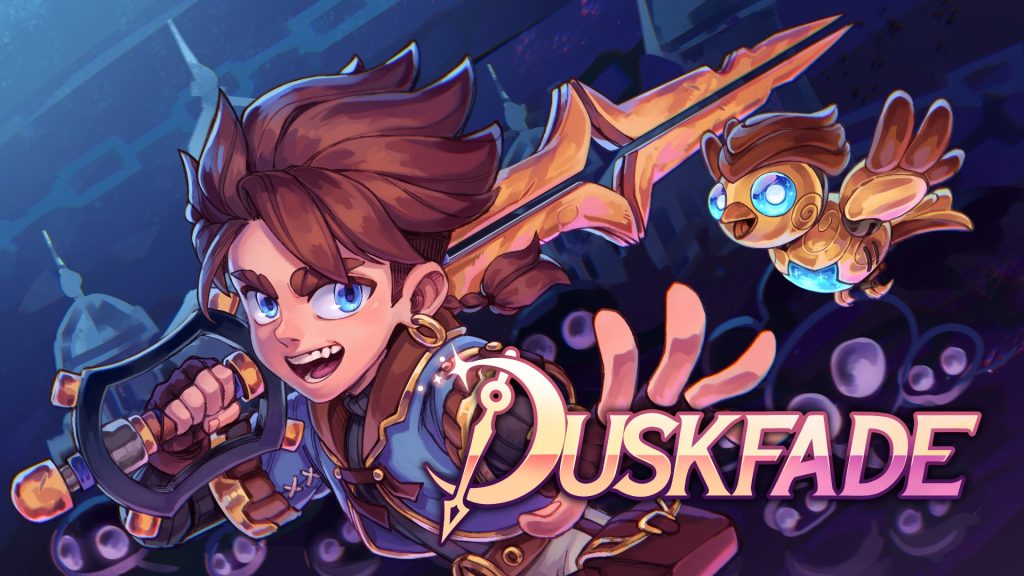
Duskfade – The PS2 Era Returns With All Its Strengths and Weaknesses
Duskfade is worth considering for players who miss colourful PS2-style action-platformers and can tolerate basic combat, floaty movement and backtracking.


If you enjoy independent indie game coverage, consider supporting Indie-Games.eu on Patreon. It helps keep the site independent.
Hidden Memories of The Gardens Between is a virtual reality puzzle adventure that builds on the charm and emotional depth of the beloved 2018 original. This expanded VR edition introduces new puzzles and improves the interactivity, making the journey into the dreamlike worlds of Arina and Frendt more personal than ever before. It runs smoothly on platforms like the PICO 4, with easy-to-use controls and no issues with motion sickness.

The core of the game remains its unique time-manipulation mechanic. You don’t directly control Arina and Frendt, instead, you guide them through their memories by moving time forward and backward. On the PICO 4, this is often done with simple hand gestures, like pinching right to accelerate time and left to reverse it.
As you “scrub” through time, the two friends walk along predetermined paths on the memory islands. Your challenge is to manipulate the environment to help them progress. This is inspired by the natural concept of reviewing video memories, making it a perfect fit for the game’s nostalgic theme. In VR, this concept comes to life in a new way.
“The core of the game remains its unique time-manipulation mechanic.”
The diorama-like islands become tangible spaces you can physically lean into, rotate, and interact with. Rather than directly controlling a character’s movement, you act as a silent guide, influencing the surroundings to help Arina and Frendt navigate their shared memories. What’s most interesting about the game is that each unique level presents its own challenges, ensuring you’re always tested. This means progression isn’t just a matter of building on the last puzzle; you’ll face a fresh set of problems every time.

The gameplay relies heavily on a system of cause and effect. You’ll observe a sequence of events, identify a key interaction, rewind time to before it happened, make a change, and then fast-forward to see the new outcome. This could involve diverting a falling drop of water to an exposed wire or making Arina jump on a saw at the right time to cut a piece of wood.
Arina often carries a lantern that can collect “light orbs” from glowing flowers. These orbs are crucial for activating mechanisms like bridges or platforms. A key part of the puzzle is recognizing that some flowers will consume an orb if Arina passes them, requiring you to rewind time and find an alternative path.
“The puzzles start simple, teaching you the basic mechanics, but gradually increase in complexity.”
Frendt on the other hand interacts with different objects to alter the flow of time for specific elements. He might ring bells to change the temporal position of items or activate devices like a radio or a garden hose to clear blocked paths or bring necessary items within Arina’s reach.
The puzzles start simple, teaching you the basic mechanics, but gradually increase in complexity. You’ll need to think and keep an eye for details to see how different time manipulations intersect and influence one another. You’ll also find plenty of other mini-games along the way. The most memorable was a board game that you get to build yourself and a video game set in a game called Super Silly Crow.

The narrative is told entirely without dialogue, relying on visual cues, character animations, and sound effects. It’s a heartfelt exploration of childhood friendship, nostalgia, and the pain of growing up and moving apart. Each island represents a significant memory, crafted from oversized everyday objects that evoke a powerful sense of wonder and familiarity. The VR perspective improves this by making you feel like an intimate, silent observer of their shared moments.
“It’s a game that makes you feel like a child, always discovering something new.”
Beyond time manipulation, you can physically interact with many nostalgic mementos. You can assemble toy parts, lift a paintbrush, or craft a friendship bracelet. A significant new gameplay element is Arina’s diary. Also, throughout each level, you can seek out hidden memory objects. Once found, you can grab these items and place them onto a relevant diary page, which then animates and fills with sound.
Many VR games don’t capture the full potential of the technology, so I went into Hidden Memories of The Gardens Between expecting a boring experience. I couldn’t have been more wrong. The game pulled me in with a sense of wonder, offering different puzzles like building a treehouse, powering elevator with a giant-bike, using a flashlight and digging through sand. It’s a game that makes you feel like a child, always discovering something new.

In the end, Hidden Memories of The Gardens Between is an excellent choice for anyone new to VR who is looking for a unique game. While the puzzles are straightforward and the game isn’t very long, it runs smoothly on PC and offers a rewarding experience. The price, however, seems a bit steep for the content, so it might be worth waiting for a discount.
| Pros | Cons |
|---|---|
| Enhanced immersion in VR. | Puzzles can occasionally be frustrating. |
| Unique time-manipulation gameplay. | Basic VR interactivity. |
| Wordless storytelling. | |
| New content and interactivity. |
Review copy provided by the publisher
Duskfade is worth considering for players who miss colourful PS2-style action-platformers and can tolerate basic combat, floaty movement and backtracking.

Man I Just Wanna Go Home is a noir crime story with visuals from MS Paint and life-or-death choices.
![[GAMESCOM 2026] Vikings Dynasty Preview – Expands the Dynasty Formula](https://www.indie-games.eu/wp-content/uploads/2026/09/Viking-Dynasty-09-21-26-2-1024x576.jpg)
After showing me Prospera at Gamescom 2026, Toplitz Productions' Mathias Oertel moved to a very different kind of settlement builder.…
![[GAMESCOM 2026] Prospera Preview – Production, Prosperity and Victorian Industry](https://www.indie-games.eu/wp-content/uploads/2026/09/Prospera-09-21-26-5-1024x576.jpg)
At Gamescom 2026, I met with Toplitz Productions' Mathias Oertel for a guided presentation of two upcoming games. One of…
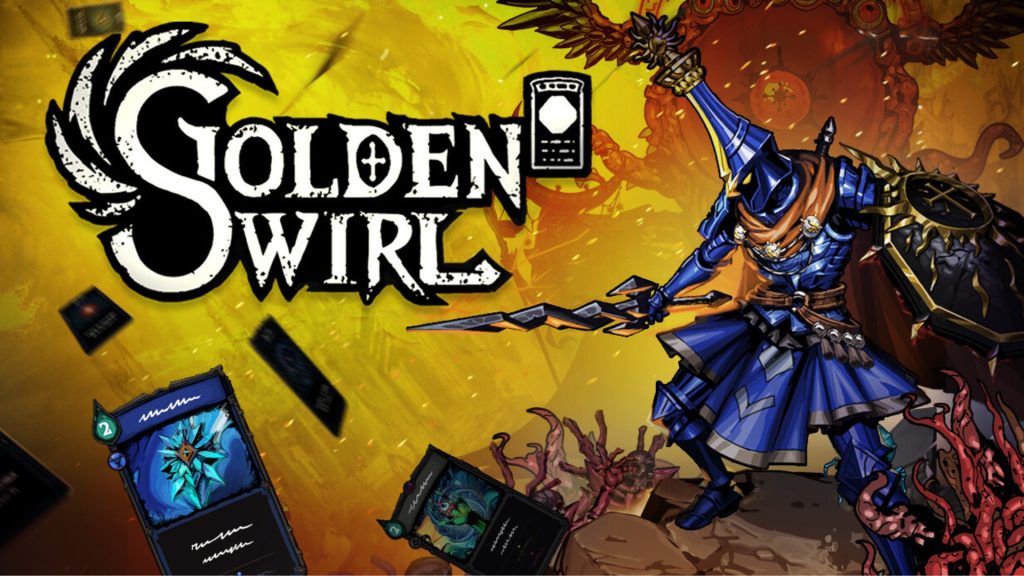
Golden Swirl inventive card combat carries the experience, but repetitive rooms, weak upgrades and excessive dialogue hold it back.
![[GAMESCOM 2026] Wilderdark Preview – Ambitious Dinosaur Horror Game That Still Has Plenty to Prove](https://www.indie-games.eu/wp-content/uploads/2026/09/Wilderdark-1024x576.jpg)
Dinosaur survival horror game Wilderdark has one of those premises that immediately makes you wonder why more games have not…
![[PREVIEW] Tiny Metal 2 – Strategy Game That Wants You to Learn From Every Mistake](https://www.indie-games.eu/wp-content/uploads/2026/09/Tiny-Metal-2-1024x576.jpg)
I rarely enjoy discovering that my opening strategy was completely wrong, but Tiny Metal 2 made that process one of…
![[PREVIEW] Remothered: Red Nun’s Legacy – Ambitious Survival Horror That Needs More Polish](https://www.indie-games.eu/wp-content/uploads/2026/09/Remothered-Red-Nuns-Legacy-4-1024x576.jpg)
Remothered: Red Nun’s Legacy has a gripping atmosphere and promising survival tools, but its repetitive hiding and rough visuals need…
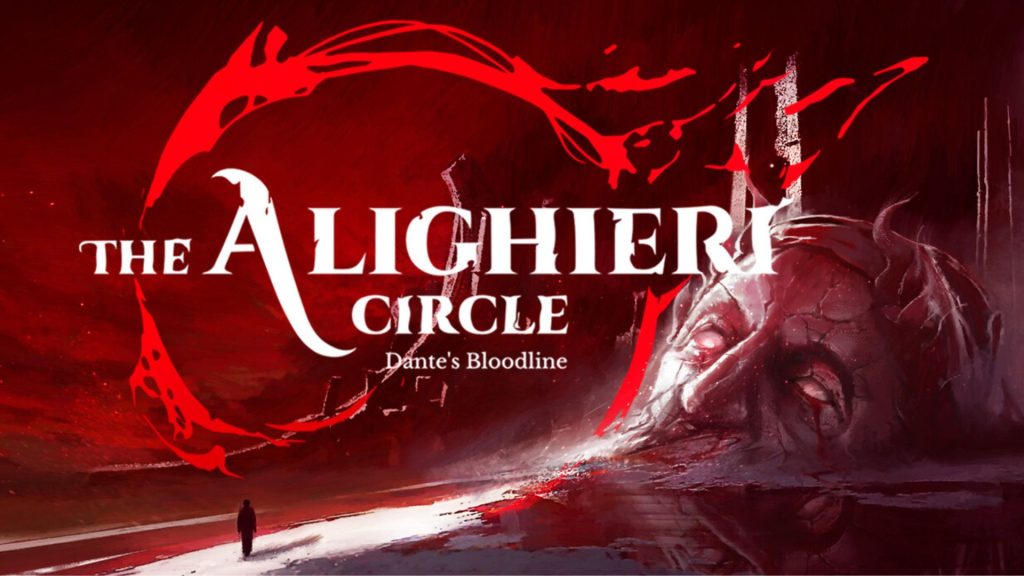
The Alighieri Circle: Dante’s Bloodline is difficult to recommend beyond players who are especially interested in Dante or enjoy solving…
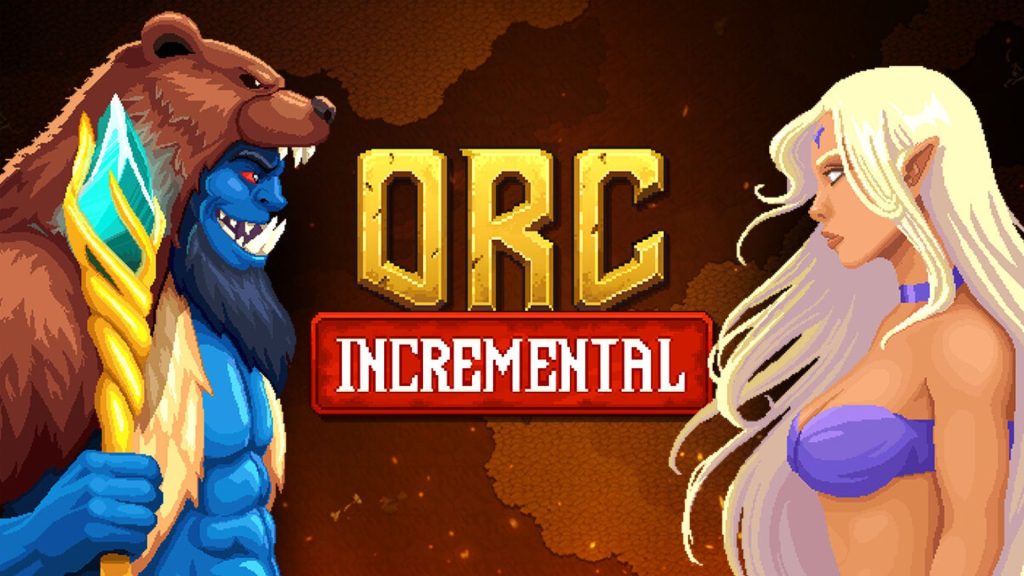
Orc Incremental offers satisfying progression, entertaining totem combinations and enough content to justify its affordable price.
![[GAMESCOM 2026] Chronoscript: The Endless End Preview – Beautiful Pages Hide Deliberate Combat](https://www.indie-games.eu/wp-content/uploads/2026/09/Chronoscript-The-Endless-End-1-1024x576.jpg)
Chronoscript: The Endless End stands out from other Metroidvanias by blending 2D manuscript worlds with exploration inside a 3D manor.
![[GAMESCOM 2026] MegaGum Preview – Combat Hits Hard in This Sticky Platforming Adventure](https://www.indie-games.eu/wp-content/uploads/2026/09/MegaGum-09-09-26-5-1024x576.jpg)
MegaGum combines hard-hitting combat, varied weapons and Gum-powered platforming in a promising Gamescom 2026 demo.
![[GAMESCOM 2026] Delphinium Preview – Cozy Routine Mixed With Enjoyable Minigames](https://www.indie-games.eu/wp-content/uploads/2026/03/Delphinium--1024x665.jpg)
Delphinium mixes cozy farming, exploration and relationships with enjoyable fishing, cooking and forging minigames in its Gamescom 2026 demo.
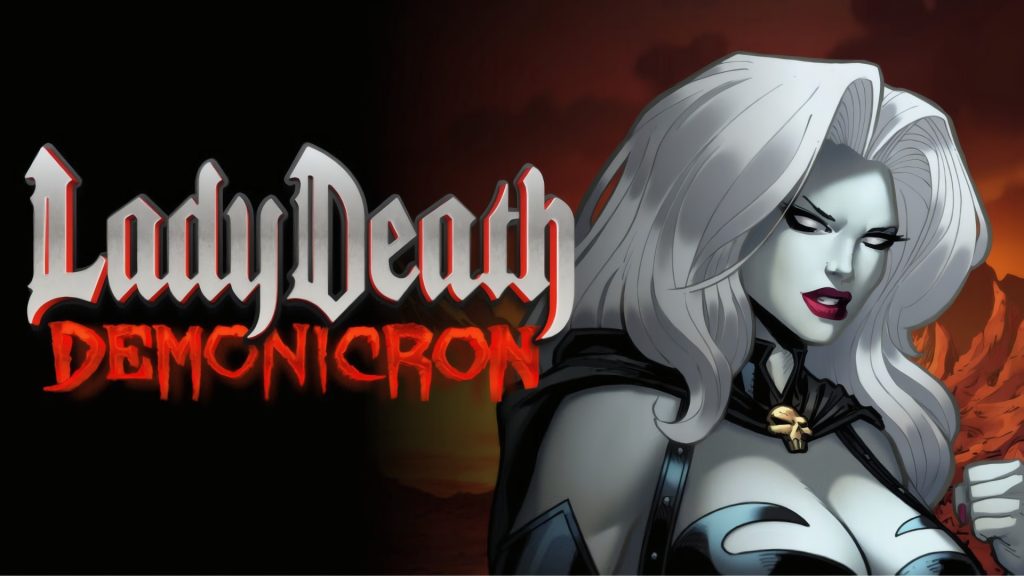
Lady Death: Demonicron looks the part, but underneath its excellent comic-book exterior is a clunky and painfully short brawler.
![[GAMESCOM 2026] Tomb Raider: Legacy of Atlantis Preview – Expands the Original Without Losing Its Identity](https://www.indie-games.eu/wp-content/uploads/2026/09/tomb-raider-legacy-of-atlantis-06-02-26-1-1024x576.jpg)
Tomb Raider: Legacy of Atlantis brings Lara back to her roots, but its Gamescom 2026 showing proved this is far…
![[GAMESCOM 2026] Clive Barker’s Hellraiser: Revival Preview – Ready to Open the Box](https://www.indie-games.eu/wp-content/uploads/2026/09/Clive-Barkers-Hellraiser-Revival-08-30-26-1-1024x576.jpg)
Hellraiser: Revival preserves the franchise’s sex, gore and psychological horror while delivering approachable survival-horror gameplay.

Swan Song creates a peaceful and forgiving puzzle space without removing the challenge that makes solving a difficult puzzle rewarding.
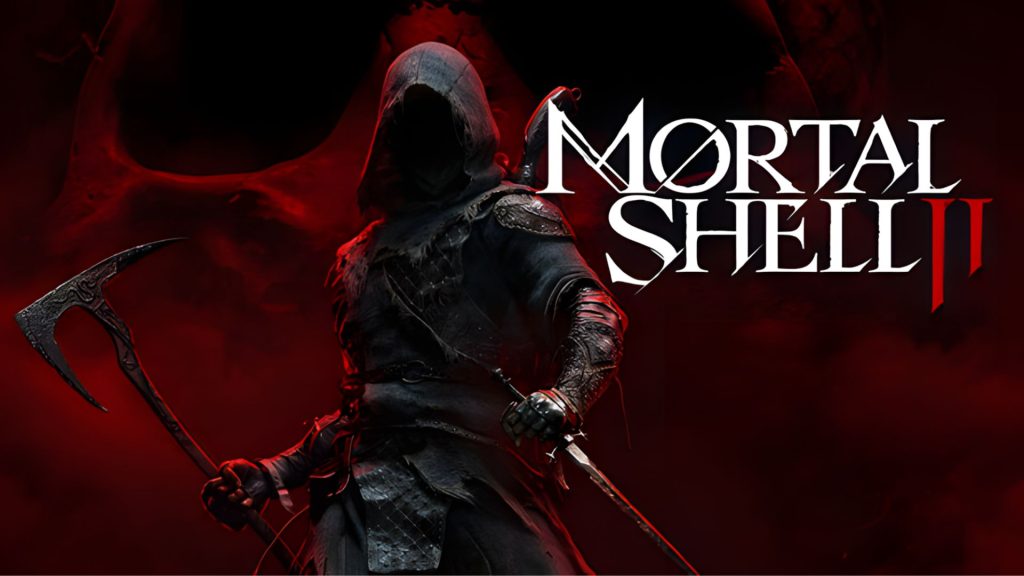
Mortal Shell II starts brilliantly but grows repetitive and exhausting, while remaining a rewarding and ambitious Soulslike sequel.
![[GAMESCOM 2026] Terranigma Preview – A Lost SNES Classic Returns in 2027](https://www.indie-games.eu/wp-content/uploads/2026/08/Terranigma-1-1024x576.jpg)
After more than three decades of limited availability, Terranigma is returning in 2027. We played its enhanced re-release at Gamescom…

Reading another person’s mind is often presented as a desirable superpower, but Sister Other Paranoia immediately understands why it could…
